



Edwardian Hanging Cupboard
These edwardian hanging cupboard designs offer compact wall storage in mahogany and oak, built to keep rooms tidy.
Edwardian Hanging Cupboard
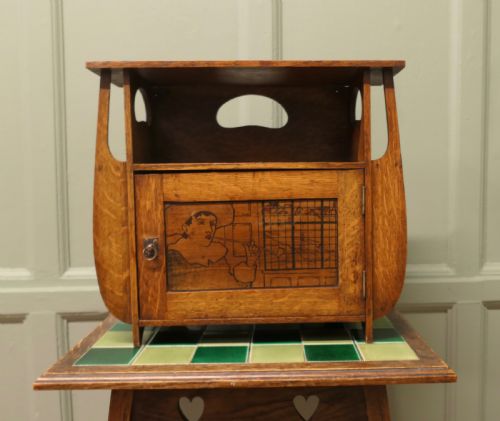
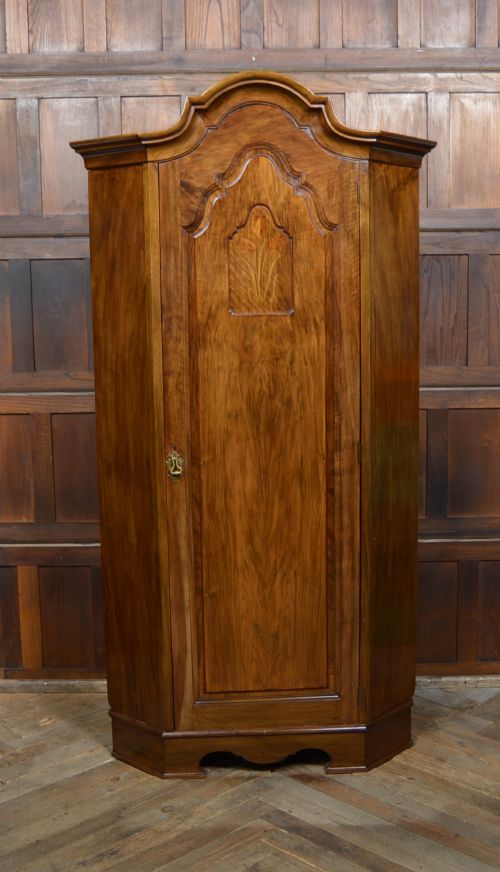
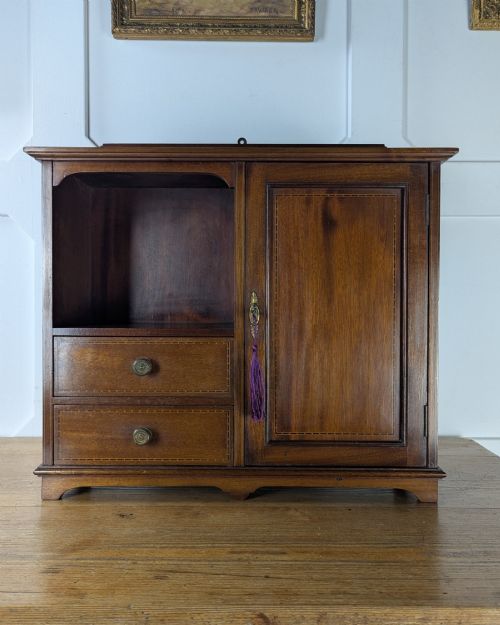
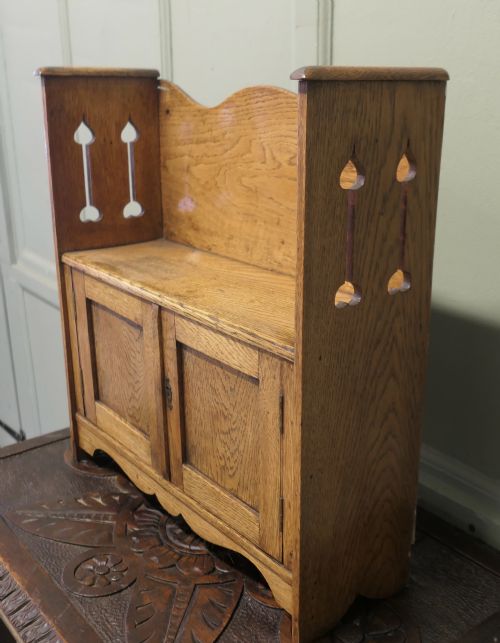
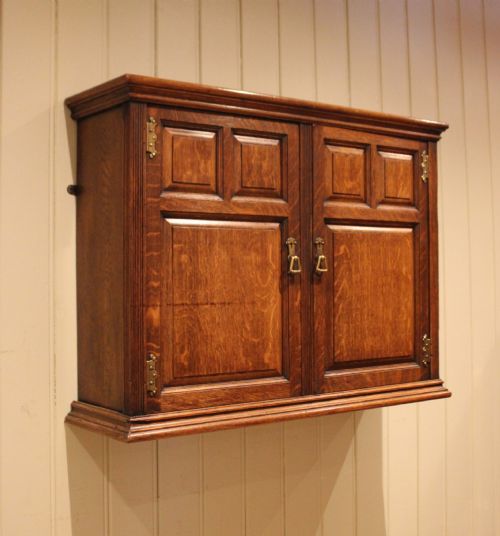
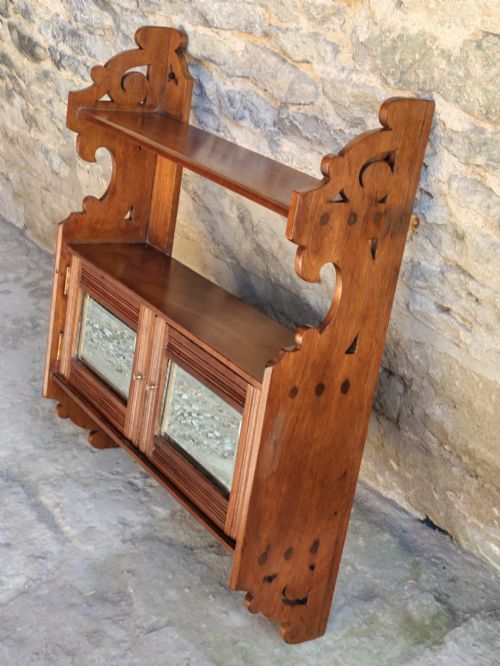
An edwardian hanging cupboard provides enclosed wall storage without occupying floor space. Most pieces meet the buyer as corner cabinets, flat wall cabinets, or small display units.
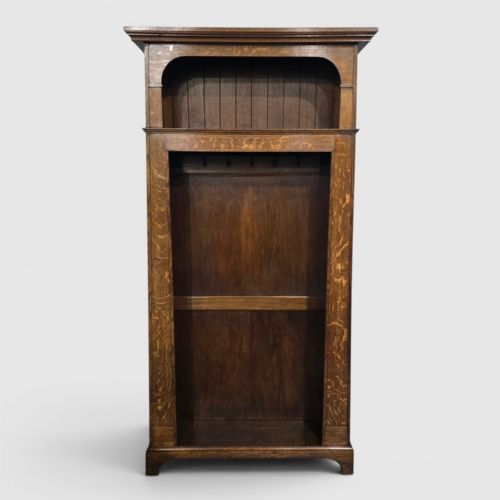
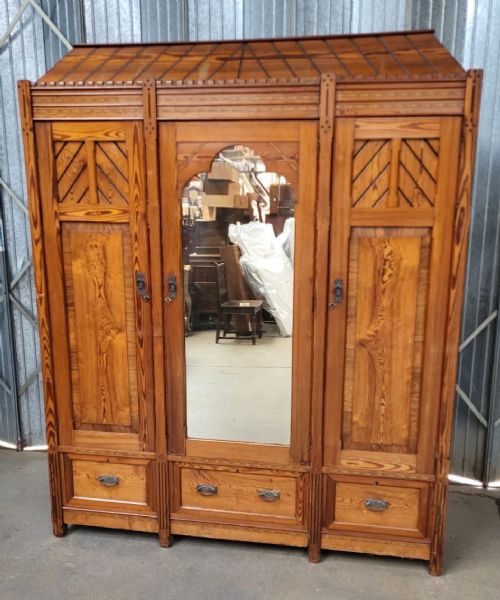
The evidence shows production spreading from the late nineteenth century into the early twentieth century. Mahogany and oak dominate the surviving forms, alongside occasional walnut and satinwood pieces.
Makers adapted these cabinets for various domestic uses, ranging from general wall storage to specialist key cabinets and smokers' boxes. Regional pieces sit alongside standard English workshop output.
Cabinet Standard
The grade of timber selection and the precision of inlaid details separate standard items from superior examples. Finely cut veneers and crisp carving indicate higher workshop skill.
Original brass hardware and intact glazing contribute to a piece remaining closer to its original condition. Structural robustness in the hanging joints dictates daily utility.
Some survivors double as unexpected tobacco boxes, cigar cabinets, or dedicated key cupboards.
John Moyr Smith·Arthur Simpson
The Edwardian Hanging Cupboard Glossary
- Corner cupboard
- A storage unit built with an angled back to fit neatly into the corner of a room. These maximise floor space while offering eye-level access.
- Inlay
- A technique where contrasting pieces of wood or metal are inserted into a recessed surface to form decorative patterns. Satinwood and darker timbers are often paired this way.
- Glazing
- The fitting of glass panes into cabinet doors to display contents safely. Many wall-hung examples use glazed doors for visual lightness.
- Bowfront
- A convex curved front facade found on specific cabinet designs. This shape softens rigid angles in smaller rooms.
- Arts and Crafts
- A design movement prioritising traditional craftsmanship and honest materials over mass production. Pieces from this style often display visible joinery and carved motifs.
Edwardian Hanging Cupboard: Frequently Asked Questions
How do I hang a heavy wall cabinet safely?
These cabinets require secure fixings screwed directly into wall studs or masonry using appropriate wall plugs. The hanging brackets or internal screw holes must bear the full weight of the timber and its contents.
Distributing weight evenly inside prevents strain on the original hinges and backboards once mounted.
What rooms suit an edwardian hanging cupboard best?
Kitchens, hallways, and bathrooms benefit most from wall-hung storage that frees up floor space. Corner versions fit neatly into dead space in smaller dining rooms or studies.
Display variants also function well in living areas for holding small collections or glassware.
How do I clean and maintain antique mahogany?
Dust surfaces regularly with a soft, dry cloth to prevent dirt build-up in carved areas and inlay crevices. Avoid modern silicone sprays that attract grime and damage traditional finishes.
Apply a microcrystalline wax occasionally to nourish the timber and protect the polished surface.
How can I tell Edwardian from Victorian cabinets?
Edwardian pieces generally exhibit lighter wood tones, simpler proportions, and restrained inlay work compared to heavier Victorian counterparts. Victorian examples often feature darker finishes and denser, more assertive carving.
Construction methods also shift, with Edwardian workshops embracing slightly more standardised hardware.