
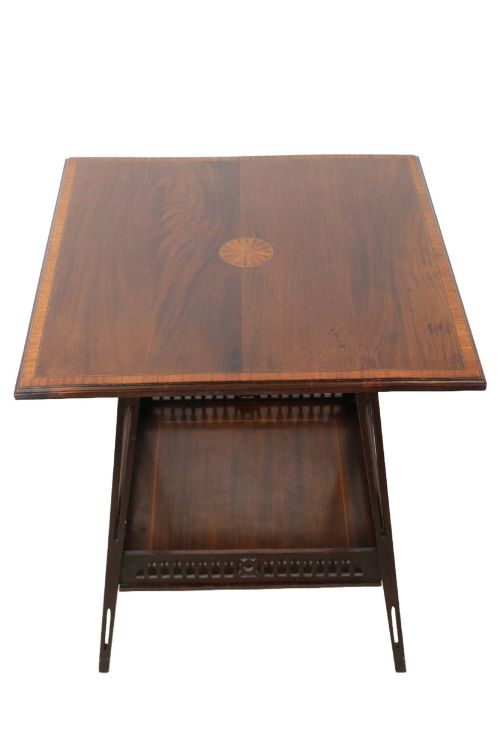

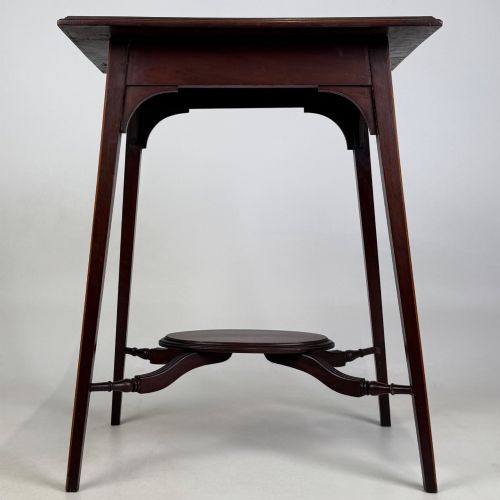
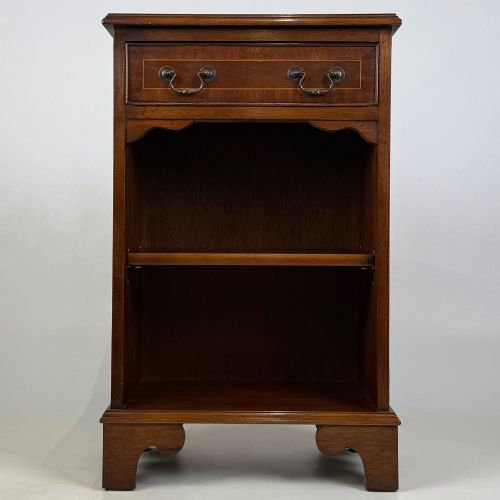
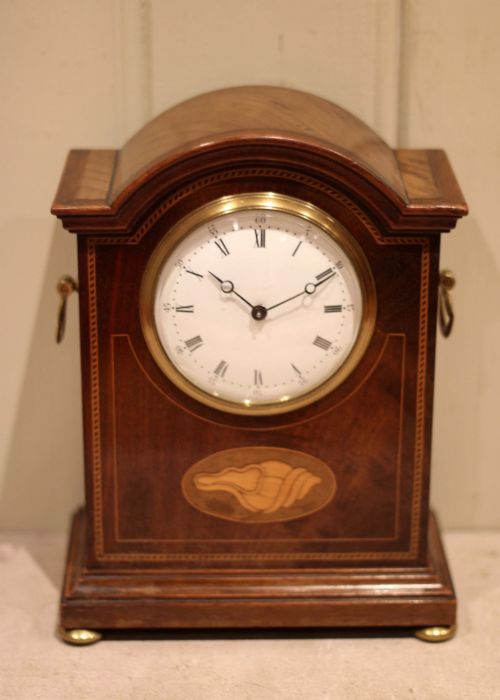
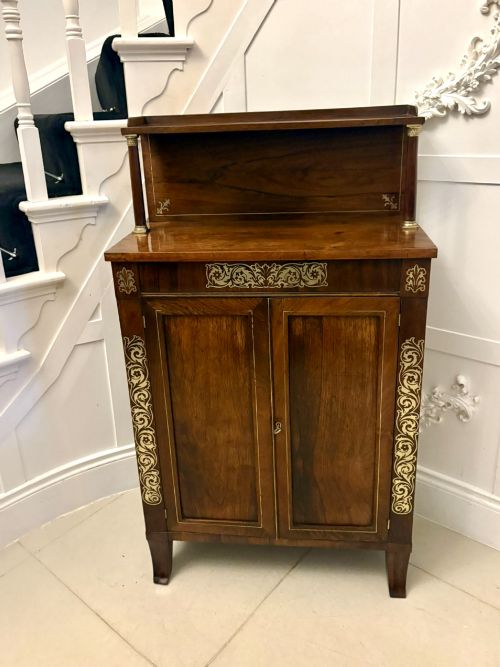
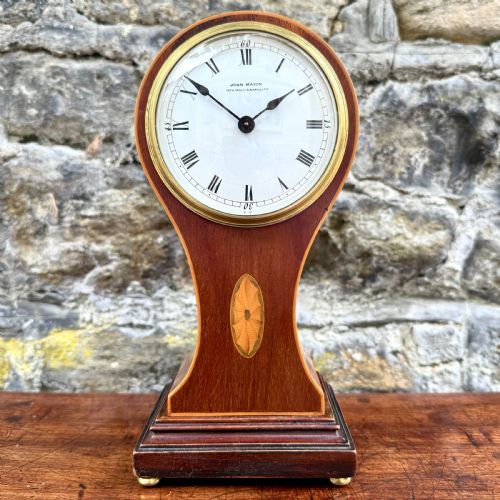
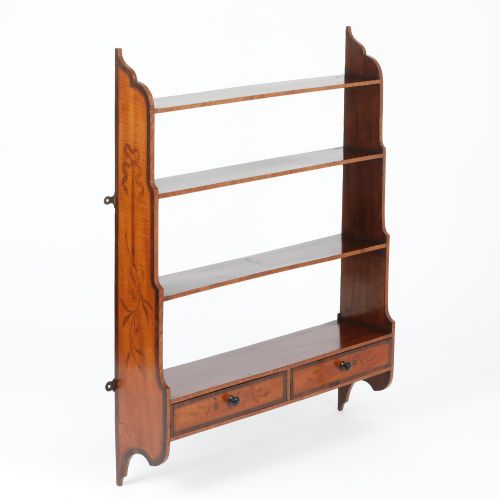
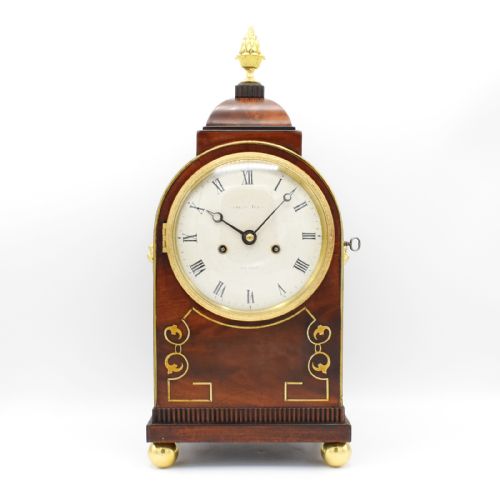
Inlaid Mahogany Shelf
An inlaid mahogany shelf brings warm timber and precise detail to any room, offering a practical surface with understated period character.
Inlaid Mahogany Shelf
When you search for an inlaid mahogany shelf, you encounter pieces designed to hold books, display small objects, or organise daily items upon walls or furniture tops. The examples found here date primarily from the Edwardian era and the late nineteenth century, alongside earlier Regency and Georgian interpretations.
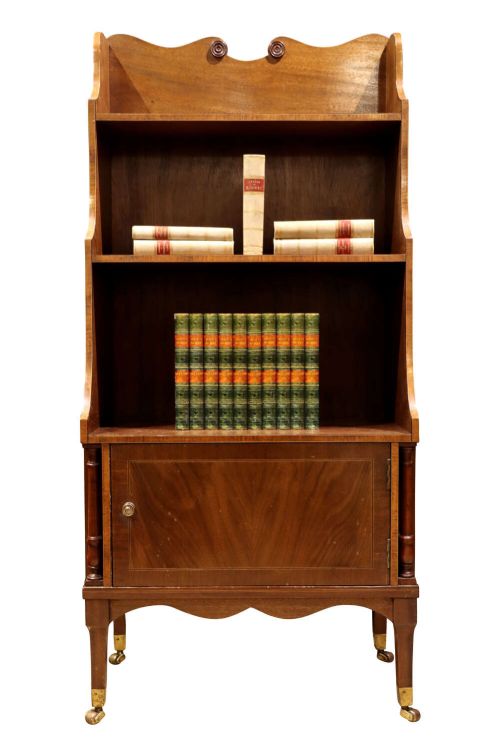
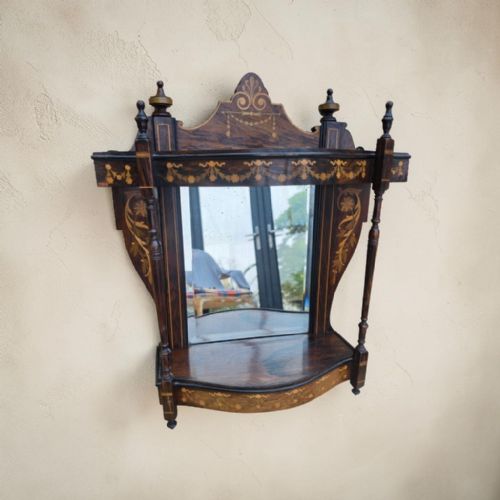
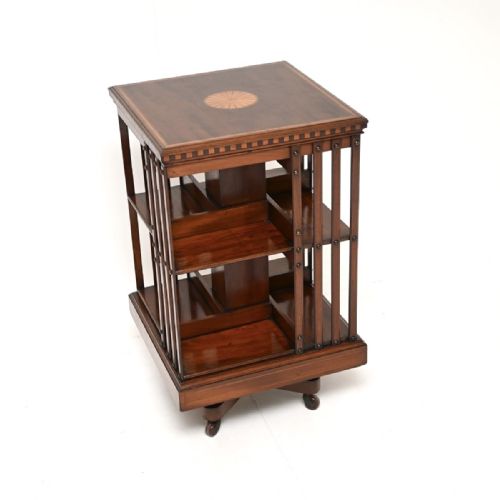
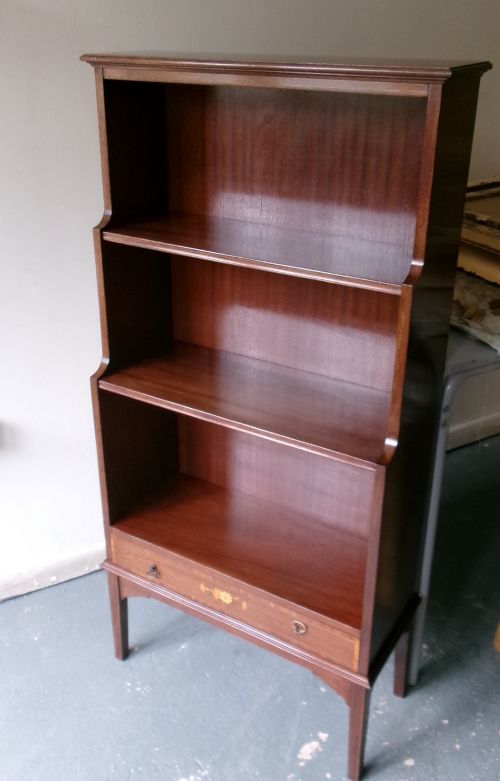
The most common form on this page is the wall shelf or hanging bookshelf, often accompanied by waterfall tiers or supporting cabinets. These pieces reflect the domestic priorities of their original makers, combining timber storage with decorative surface work.
Makers of these shelves drew upon Sheraton Revival and Arts and Crafts design idioms to create items suitable for both parlours and bedrooms. The survival of these pieces demonstrates the enduring appeal of compact, timber wall furniture.
Materials and Construction
Cabinet makers utilised solid mahogany and polished veneers as the primary structural body for these shelves. This dense timber provided a stable foundation capable of supporting books and decorative wares without warping.
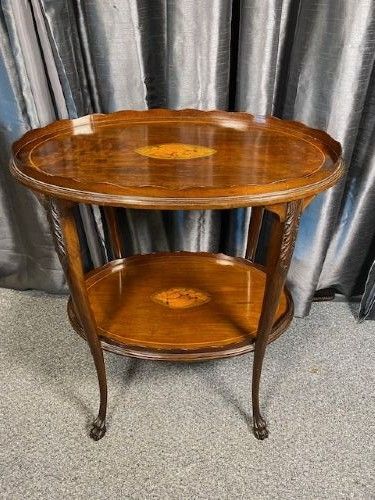
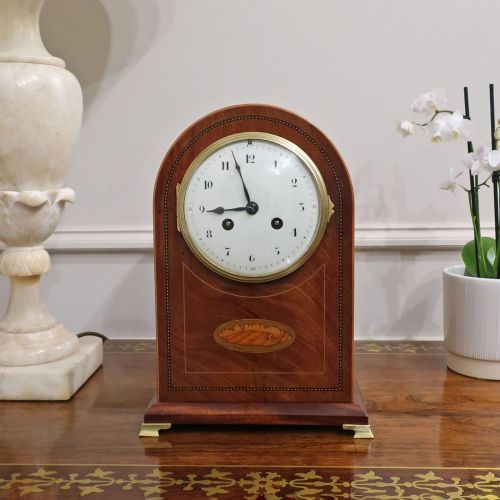
Satinwood and boxwood inlay formed contrasting geometric lines or floral motifs across the mahogany surfaces. Artisans carefully rebated these lighter woods into channels cut directly into the darker background timber.
Brass fittings, glass panels, and mirror elements frequently appeared alongside the woodwork to add functional utility and visual variety. The integration of these secondary materials required precise joinery to ensure long-term durability.
Makers occasionally incorporated patriotic motifs like the Prince of Wales feathers into the inlay of Edwardian book shelves.
Distinctions in Quality
The standard of an inlaid mahogany shelf rests upon the crispness of the timber inlay and the tightness of its mitres. Fine examples display sharp contrasts between the satinwood and mahogany without visible gaps or excessive filler.
Proportion and timber selection further separate standard production pieces from finer studio work. Well-figured grain patterns and balanced architectural proportions indicate greater care taken by the original maker.
Trevor Page & Co
The Inlaid Mahogany Shelf Glossary
- Mahogany
- A durable tropical hardwood prized for its deep reddish-brown colour and stable grain. It forms the primary carcase of almost every piece listed here.
- Inlay
- A decorative technique where contrasting materials are set into the surface of a base timber. Satinwood and boxwood are common choices for this contrasting work.
- Waterfall
- A style of tiered shelving where each successive shelf is slightly deeper than the one above it. This arrangement was popular for displaying books and small objects.
- Sheraton Revival
- A late nineteenth and early twentieth century design movement that reinterpreted the lighter neoclassical furniture of the eighteenth century. Pieces in this style often feature delicate stringing and classical motifs.
- Edwardian
- A period spanning from nineteen hundred to the First World War, characterised by lighter furniture designs that drew inspiration from earlier Georgian and Regency aesthetics.
Inlaid Mahogany Shelf: Frequently Asked Questions
What is the best way to clean mahogany and inlay?
Dust your shelf regularly with a soft, dry cloth to prevent particulate buildup on the polished surface. Avoid silicone-based polishes, as they can discolour antique finishes and degrade delicate wood inlays over time.
Applying a traditional beeswax occasionally helps nourish the mahogany and preserve its characteristic sheen. Keep the timber away from direct heat sources and strong sunlight to prevent the veneers from drying out or splitting.
How can I tell an Edwardian shelf from an earlier piece?
Edwardian interpretations of earlier styles often display machine-sawn backing boards and standardised brass hardware. The inlay work on pieces from this period tends to be uniform and relies on late nineteenth-century manufacturing methods.
Earlier nineteenth-century and Georgian pieces generally show hand-cut joinery marks and variations in timber thickness. Examining the construction details beneath and behind the shelf usually reveals the manufacturing era.
Where should I place an inlaid shelf in my home?
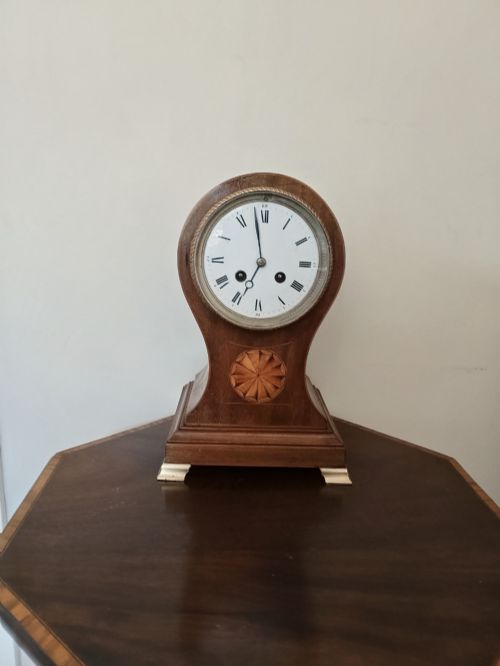
These shelves suit studies, hallways, and living rooms where their compact proportions can add character without dominating the floor space. They provide an ideal display area for small collectibles, clocks, or leather-bound books.
Position the piece away from damp areas like kitchens or uninsulated exterior walls to protect the delicate veneers. Stable indoor humidity ensures the boxwood and satinwood inlay remains firmly seated within the mahogany.