



Wooden Wall Shelf Unit
A wooden wall shelf unit brings practical storage and architectural warmth to an interior, drawing on centuries of carpentry.
Wooden Wall Shelf Unit
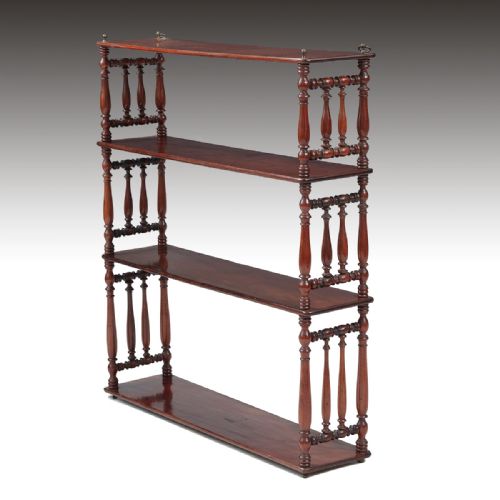
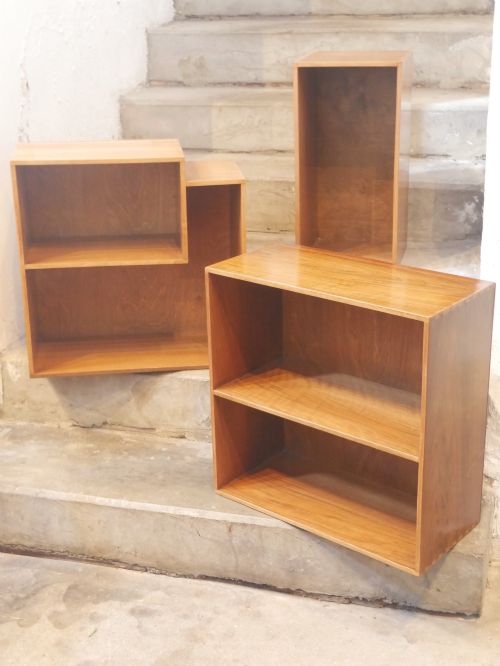
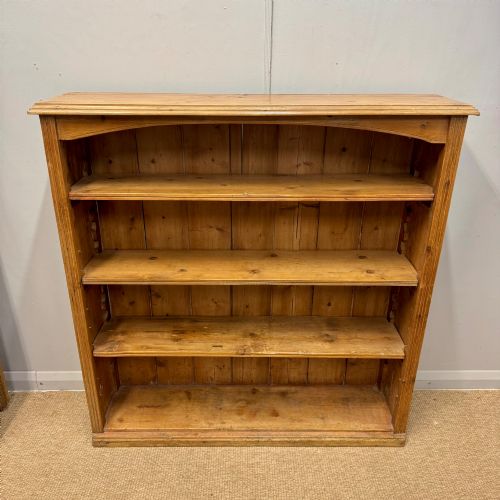
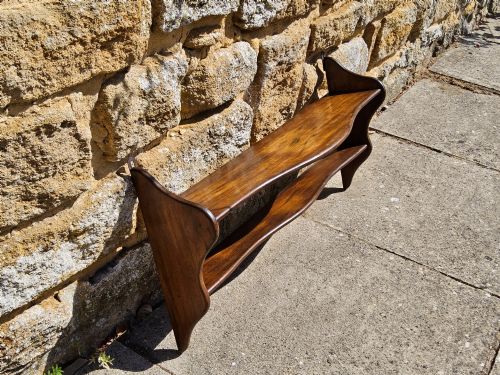
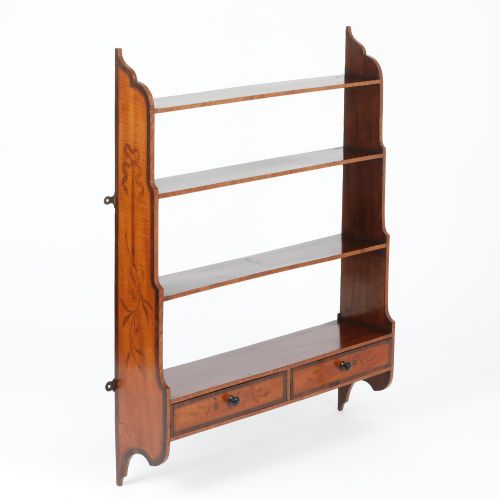
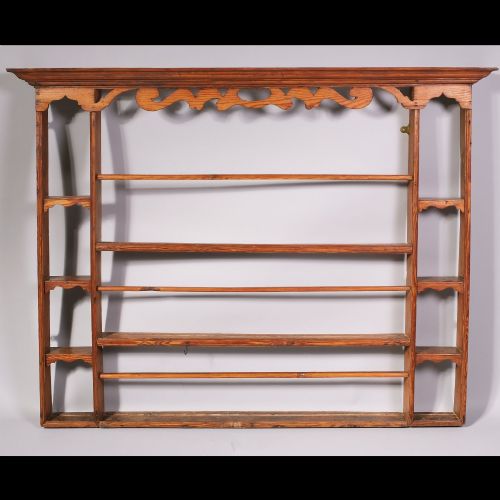
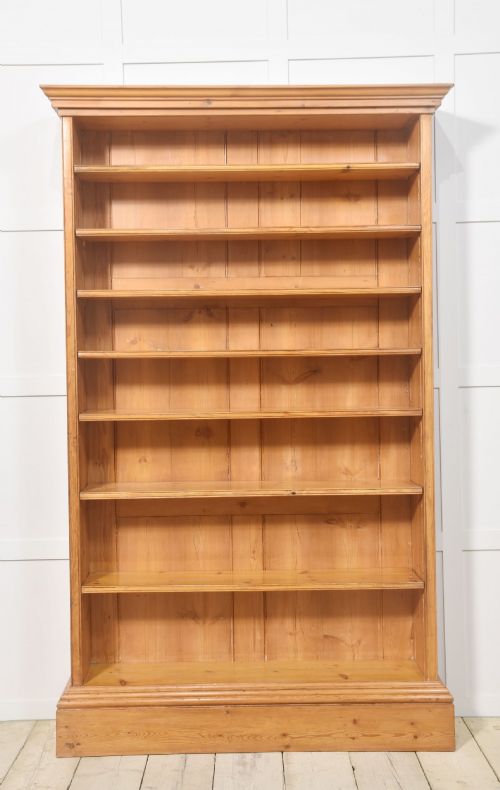
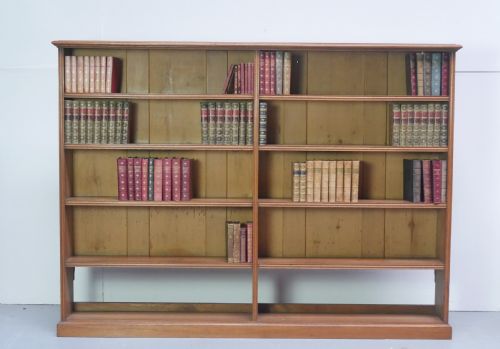
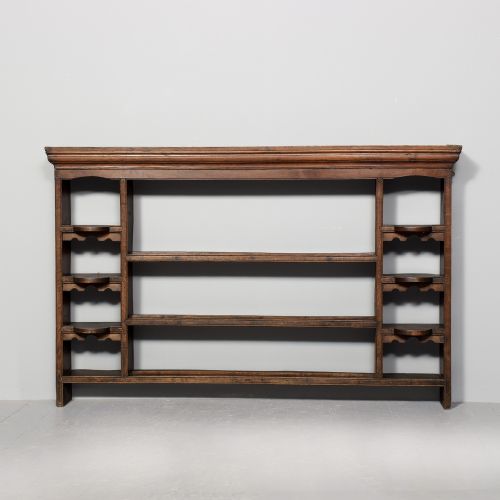
A wooden wall shelf unit combines practical vertical storage with decorative display, appearing in forms ranging from simple hanging plate racks and open bookcases to enclosed wall cabinets and pigeon holes. These pieces are designed to utilise wall space effectively while keeping everyday objects or valued collections close to hand in domestic rooms.
The wooden wall shelf unit options gathered here span multiple periods, from 18th-century country pine and mahogany Regency designs to Arts and Crafts oak and mid-century examples. The most frequently encountered variants are hanging mahogany shelves and open pine bookcases, reflecting domestic storage needs across the Georgian, Victorian, and Edwardian eras.
How they were made
Construction relies heavily on traditional timber selection, utilising durable hardwoods like mahogany, walnut, oak, and cherry alongside softer domestic timbers such as pine and limewood. Cabinetmakers joined these materials using robust joinery techniques suited to hanging weights, incorporating brass fixings and occasional inlaid decoration to enhance visual appeal.
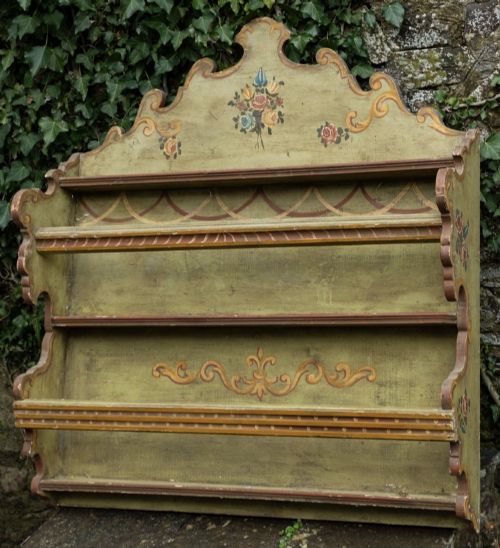
Surfaces receive varied historic treatments, ranging from hand-painted finishes and polished satinwood veneers to bleached oak and waxed pine. These methods protect the wood while highlighting natural grain patterns and structural proportions developed across different stylistic periods.
Sorrento olive wood brings a slice of Italian sunshine straight to the British wall.
What varies in quality
Quality in a wooden wall shelf unit rests upon the proportion of the timber and the crispness of the carpentry, separating utilitarian workshop pieces from finer parlour furniture. Better examples demonstrate considered edge mouldings, thoughtful grain matching, and well-balanced bracket supports that integrate seamlessly with the overall design.
The sophistication of the secondary details, such as hand-cut dovetailing in small drawers, original brass hanging brackets, or delicate marquetry inlay, distinguishes standard domestic storage from exceptional period cabinetwork. Timber selection also plays a vital role, with denser hardwoods and carefully figured veneers indicating higher workshop status.
Heals
The Wooden Wall Shelf Unit Glossary
- Pigeon holes
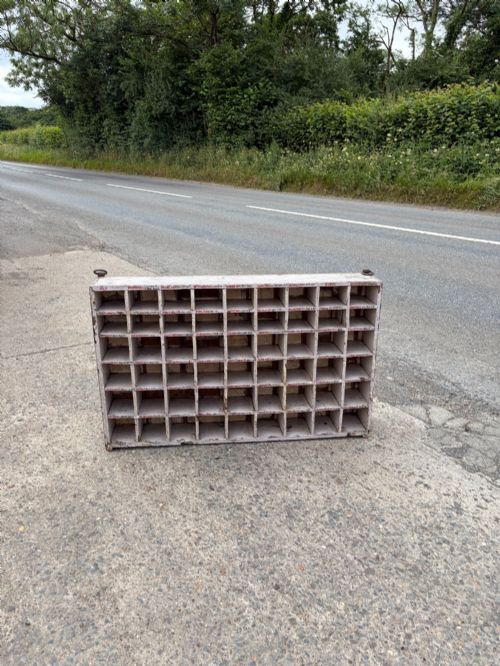
- Compartmentalised wooden shelving units traditionally used for sorting letters, documents, or small items. These small cubbies provide distinct, orderly storage spaces.
- Hanging shelves
- Wall-mounted tiers of shelving supported by vertical side panels or brackets. They lift storage off the floor to utilise upper room space.
- Plate rack
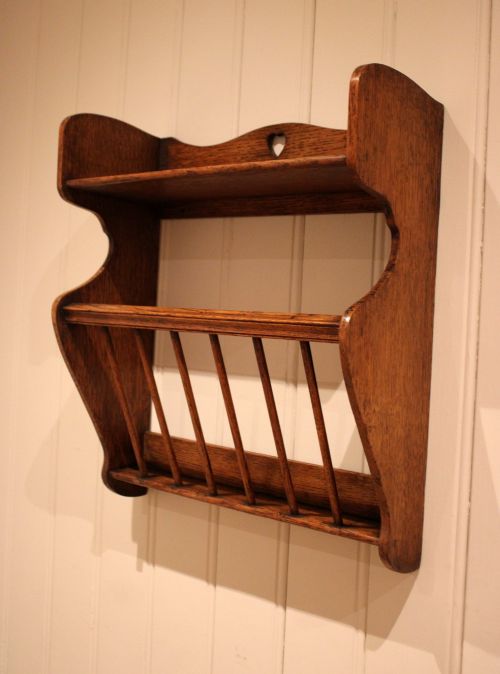
- A specialised wall shelf featuring grooved ledges or protective rails designed to hold plates upright. This form keeps dining ceramics secure and on display.
- Satinwood
- A durable, hard timber yielding a lustrous, golden-yellow grain often used for fine cabinetmaking and decorative inlay work. It brings a bright reflective quality to period interiors.
- Regency
- A British design period spanning the early 19th century characterised by classical restraint and refined proportions. Pieces from this time frequently incorporate mahogany and brass details.
Wooden Wall Shelf Unit: Frequently Asked Questions
How were wooden wall shelves used historically?
These units served multiple domestic functions across different rooms, holding everything from kitchen ceramics and pantry supplies to parlour books and decorative ornaments. They kept essential items accessible while protecting fragile possessions in busy households.
Smaller formats often functioned in hallways for sorting post or holding small personal effects, whereas larger bookcase variants provided permanent library storage where floor space remained limited.
How do I identify the period of a wall shelf?
Dating relies heavily on observing the primary timber choice, construction joints, and decorative style markers characteristic of specific eras. Georgian and Regency pieces frequently utilise rich mahogany with restrained classical lines, while Victorian examples often feature darker walnut or heavier carved mouldings.
Later Edwardian and Arts and Crafts pieces tend to display simpler pegged oak construction or hand-painted surfaces. Examining the backboards and fixing methods provides further clues to age.
Are these shelves sturdy enough for heavy books?
Most period hanging units are built from solid hardwoods like oak, mahogany, or pine, offering substantial load-bearing strength when properly secured to a wall. However, depth and bracket design determine practical capacity.
Shallow plate racks and display shelves suit lighter ceramics or paperbacks, whereas deeper open bookcases handle heavier volumes. Ensuring sturdy wall fixings remains essential for safety.
How should I care for antique wall shelves?
Maintain wooden surfaces by dusting regularly with a soft, dry cloth and avoiding modern silicone-based polishes that build up over time. Natural wax applied sparingly preserves the finish of older timbers.
Keep wall-mounted units away from direct heat sources and strong sunlight to prevent the timber from warping or fading. Checking hanging fixings periodically ensures structural security.