





Marquetry Wall Cabinet
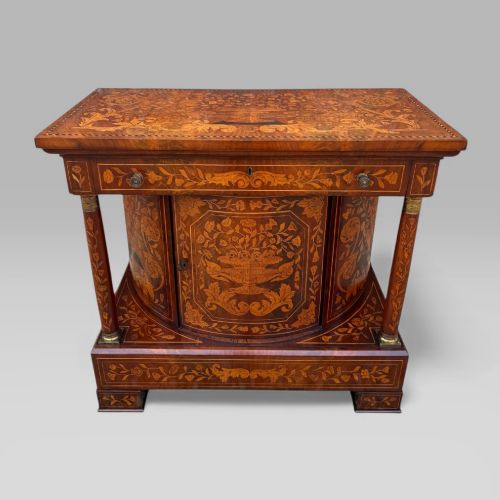
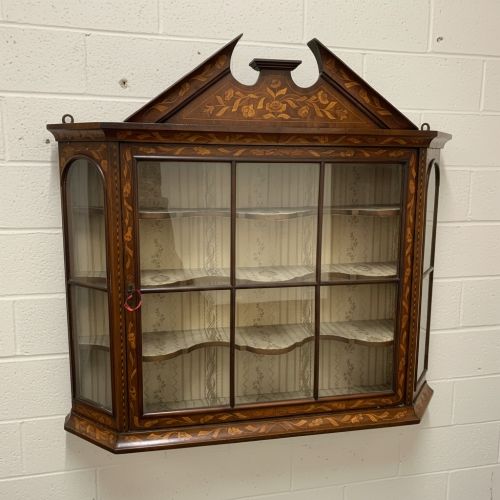
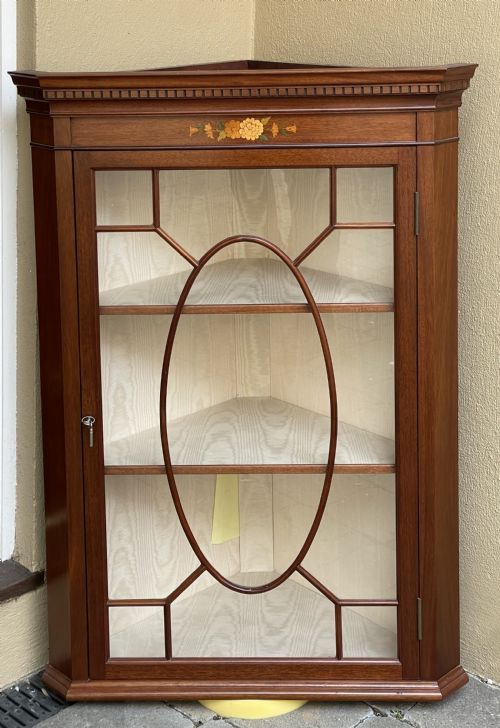
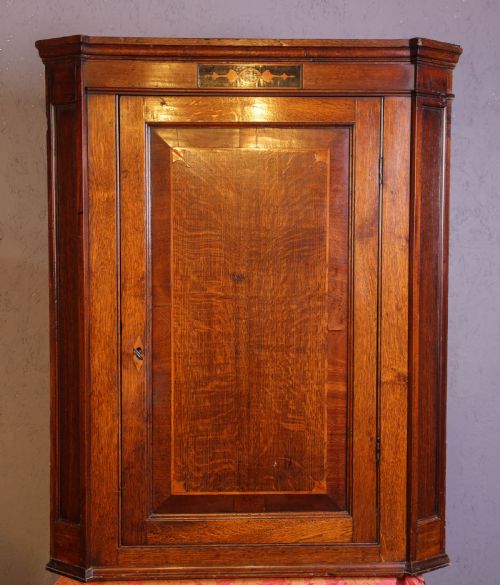
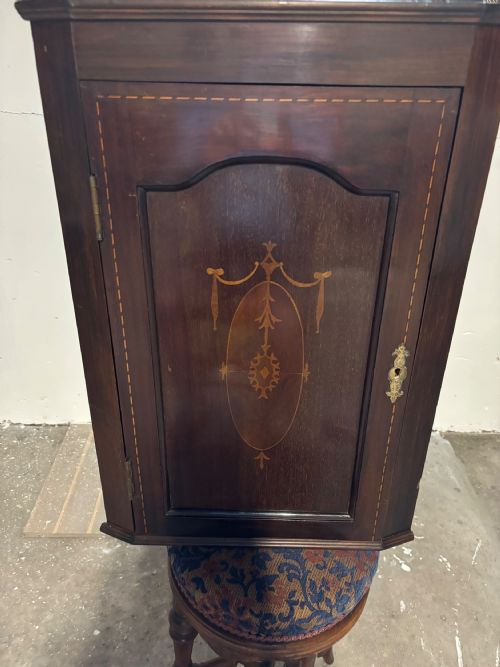
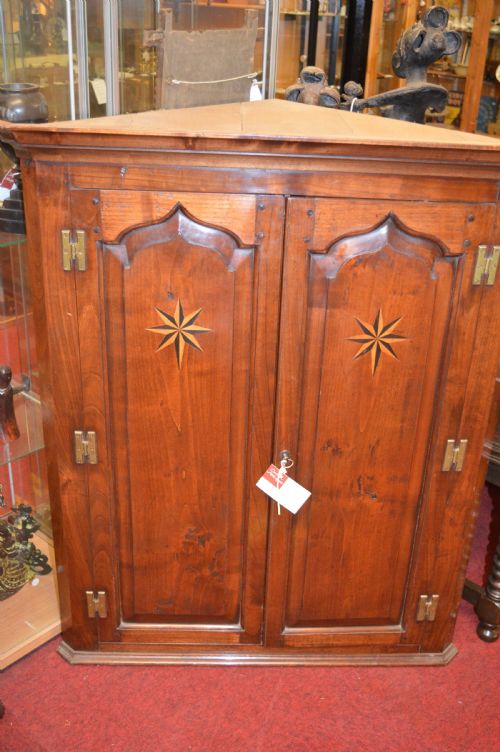
A marquetry wall cabinet brings intricate floral and pictorial wood inlays to eye level, saving floor space while adding rich texture to a room.
Marquetry Wall Cabinet
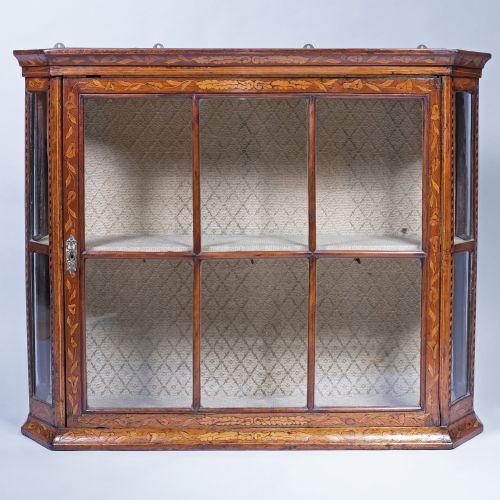
A marquetry wall cabinet is a hanging storage piece featuring decorative wood inlays across its door or body. You will most frequently meet Dutch examples from the eighteenth century, alongside later British Georgian and Victorian interpretations.
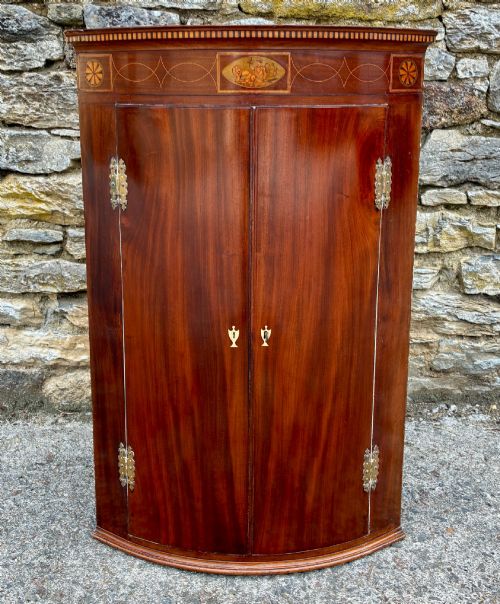
The form encompasses corner cupboards, glazed display units, and flat-fronted hanging cabinets designed to mount securely to a wall. These pieces combine practical storage with decorative presence, often utilising mahogany, walnut, or oak carcases.
Makers adapted the form across various periods, from seventeenth-century origins through Georgian revivals and Edwardian updates. Each iteration reflects the prevailing taste for figured timbers and contrasting wood inlays.
Materials and construction methods
Cabinets are constructed from solid native and exotic timbers such as mahogany, oak, walnut, and rosewood, providing a stable carcase for the decorative surface. Timber selection dictates both the weight of the hanging piece and the depth of its colour.
Marquetry involves cutting contrasting veneers of boxwood and other pale or tinted woods to form pictorial or floral motifs, which are then glued to the substrate. Cabinetmakers combined this meticulous veneering with brass hinges, escutcheons, and glass panels.
Joinery techniques include dovetailing for drawers and mortise and tenon joints for the main housing to ensure durability when wall-mounted. Interior shelving is typically fixed or supported on simple wooden battens.
Some nineteenth-century kitchen knife hanging boxes share wall space with grand Dutch display cabinets, proving every room needs a proper place for sharp edges.
Assessing craftsmanship and finish
Quality rests in the precision and complexity of the marquetry work, where tighter veneer joints and more detailed floral or architectural motifs distinguish superior examples. Simpler pieces rely on modest boxwood lines rather than elaborate pictorial scenes.
The choice of primary timber and secondary framing woods indicates the standing of the workshop that produced the cabinet. Richly figured walnut, mahogany, and rosewood generally denote higher-tier production than standard oak.
Hardware integration and interior detailing, such as shaped shelving or decorative backboards, mark the distinction between utility storage and fine display furniture.
The Marquetry Wall Cabinet Glossary
- Marquetry
- Decorative veneer work using pieces of various wood to form pictures and patterns. It differs from inlay by covering the entire surface rather than being set into hollowed recesses.
- Veneer
- A thin slice of figured wood applied to a coarser secondary timber. This technique allowed cabinetmakers to display expensive grains economically.
- Bow front
- A convex curved cabinet front popular in Georgian and Victorian designs. This shape softens the corners of a room when applied to corner cupboards.
- Escutcheon
- A protective brass plate surrounding a keyhole. It serves both a functional purpose and adds a decorative metallic accent to the door.
- Corner cupboard
- A triangular cabinet designed to fit neatly into the corner of a room. These pieces maximise spatial efficiency in smaller interiors.
Marquetry Wall Cabinet: Frequently Asked Questions
How do I hang a heavy wall cabinet safely?
Wall cabinets require secure fixings into structural brickwork or stud framing using heavy-duty brackets matched to the weight of the timber carcase.
Professional installation ensures the piece supports its own weight plus the load of interior items without pulling from the wall.
What is the difference between marquetry and inlay?
Marquetry assembles a complete picture from multiple veneer pieces on a paper backing before gluing it to the entire surface. Inlay cuts shapes directly into a solid piece of wood and sinks the new material into those recesses.
Both techniques create patterned surfaces, but marquetry yields larger pictorial displays common on continental European cabinets.
Where should I place a corner cabinet?
Corner cabinets suit unused room angles, turning dead space into functional display areas for ceramics, glassware, or books.
Their angled back panels allow them to anchor firmly into two meeting walls while projecting outward into the room.
How do I date an antique wall cabinet?
Dating relies on timber choice, construction marks such as hand-cut dovetails, and stylistic markers like Dutch Baroque curves or Sheraton Revival proportions. Secondary woods inside the carcase often provide further clues to the manufacturing era.
Comparing hinge types and locking mechanisms also helps narrow the period of origin.