

Arts and Crafts Oak Cabinet
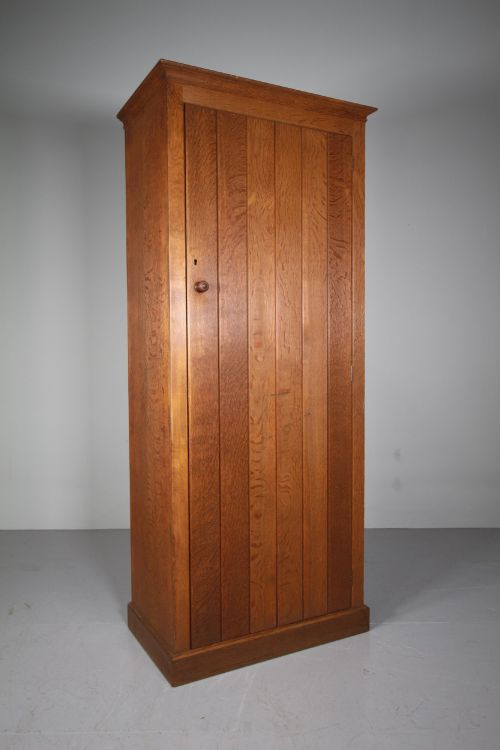
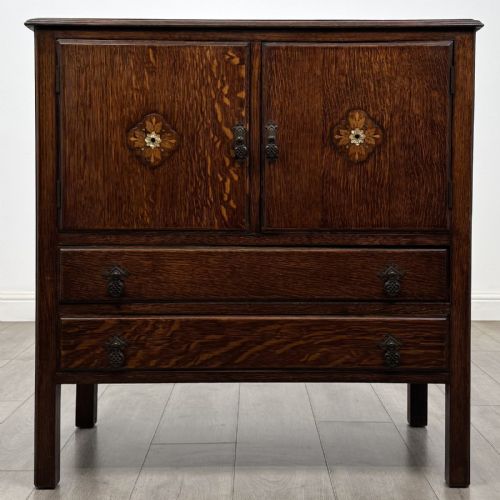
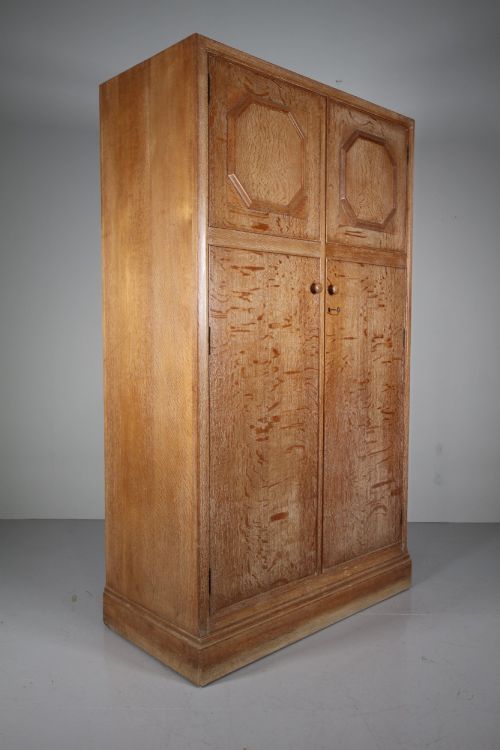
An arts and crafts oak cabinet brings functional utility and honest joinery into a room, spanning forms from bedside chests to large display pieces.
Arts and Crafts Oak Cabinet
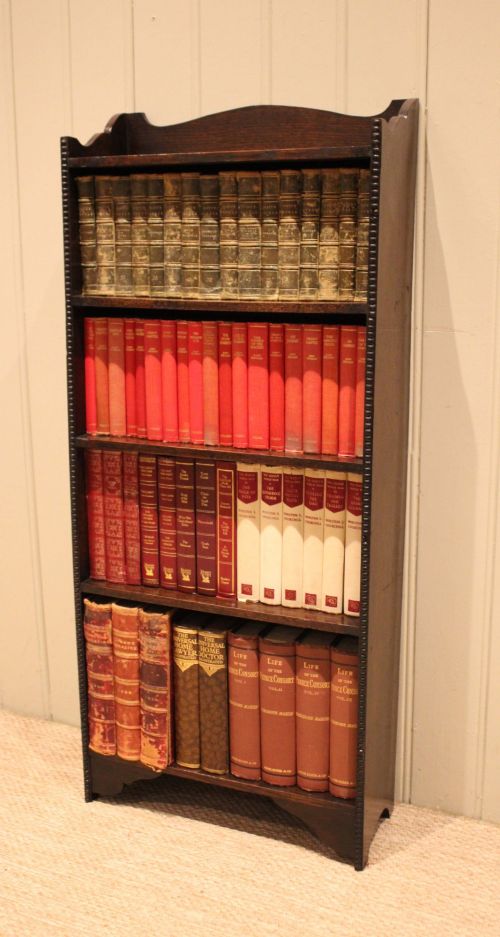
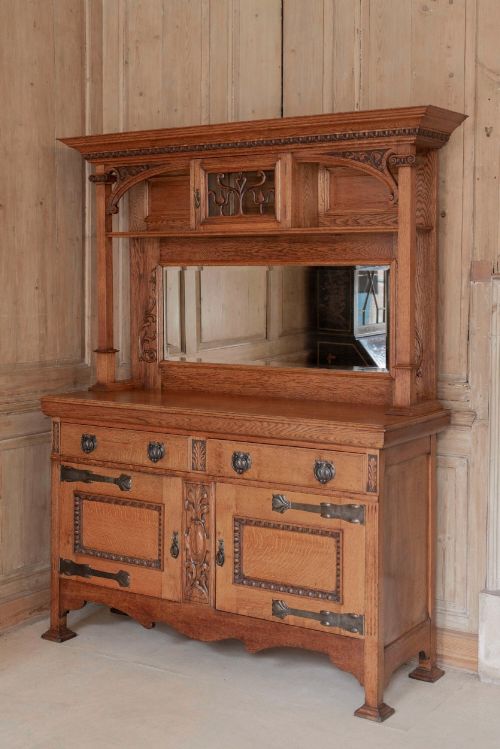
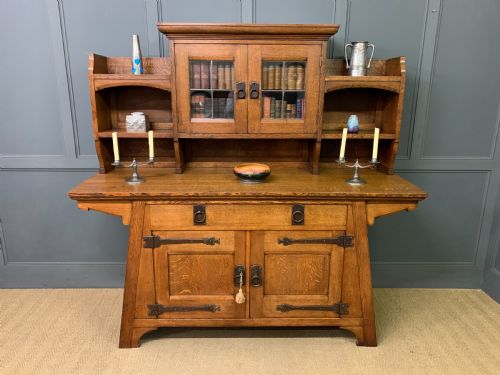
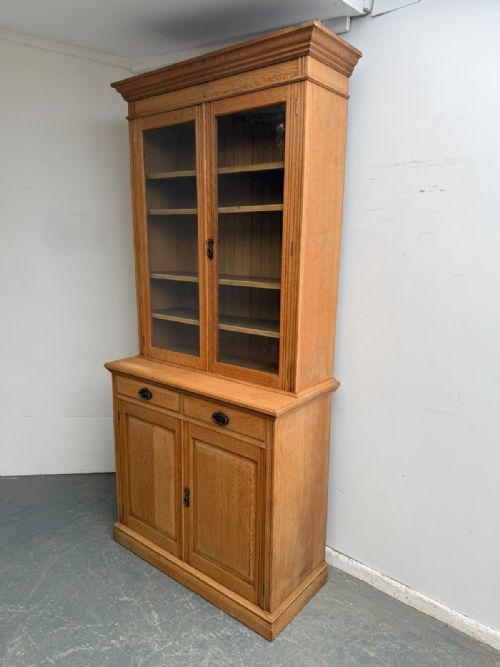
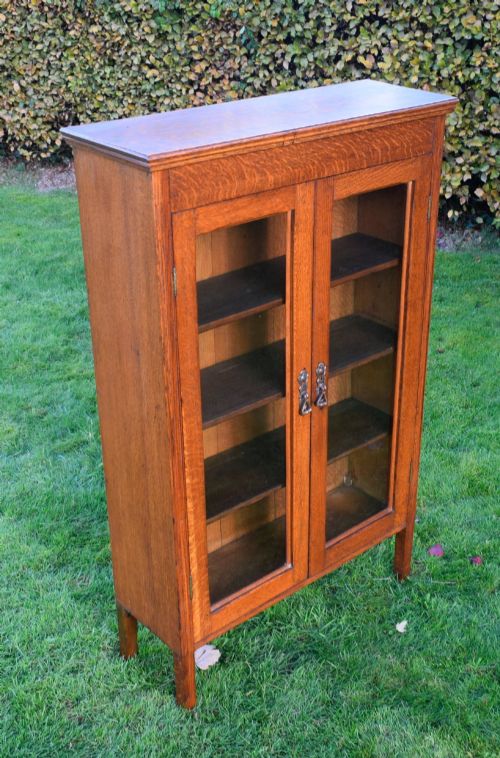
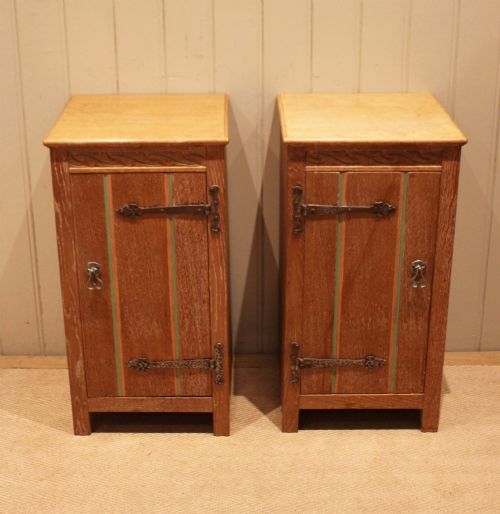
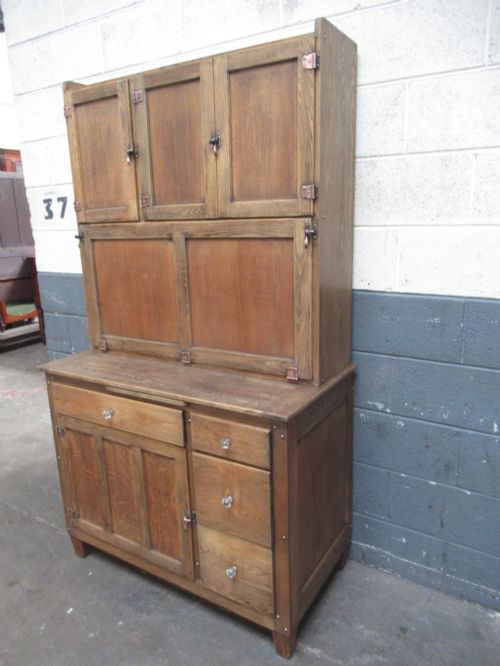
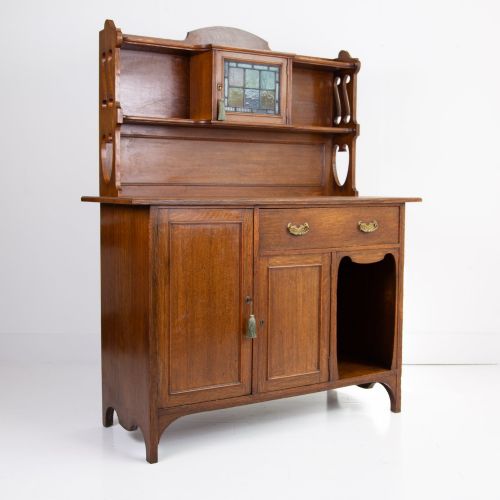
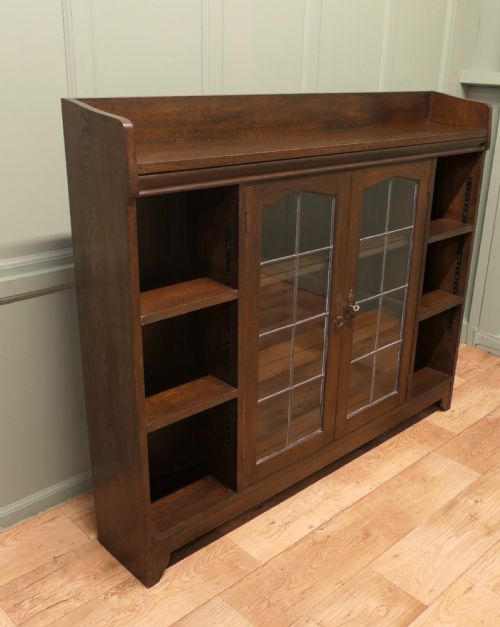
The arts and crafts oak cabinet category encompasses a wide variety of practical household furniture produced primarily between the late nineteenth century and the 1930s. Buyers frequently encounter sideboards, bookcases, bedside units, and wall-hanging cupboards originating from the Edwardian era and the early twentieth century.
The designs draw upon regional English traditions, including Cotswold School aesthetics and Secessionist influences, alongside output from major commercial retailers like Liberty and Co. Pieces range from compact table-top models to substantial dining room storage units constructed with utility in mind.
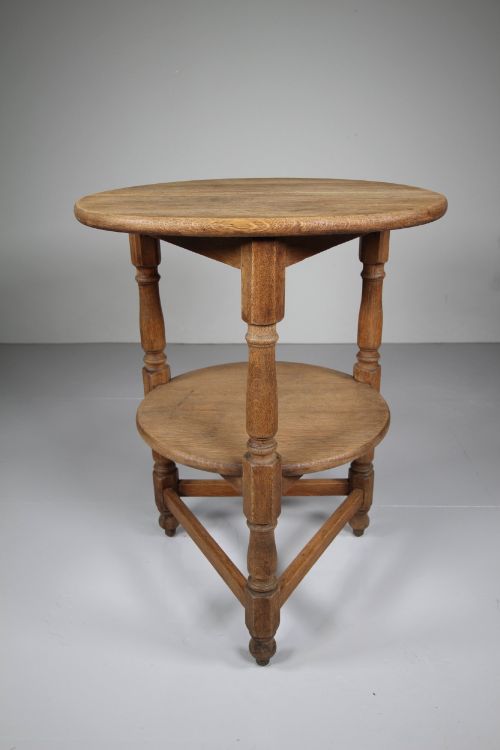
Solid timber construction predominates across the selection, with golden oak and dark oak appearing frequently alongside variations in finish such as limed or ebonised surfaces. Buyers select these items for their architectural presence and straightforward functional design.
Materials and Technique
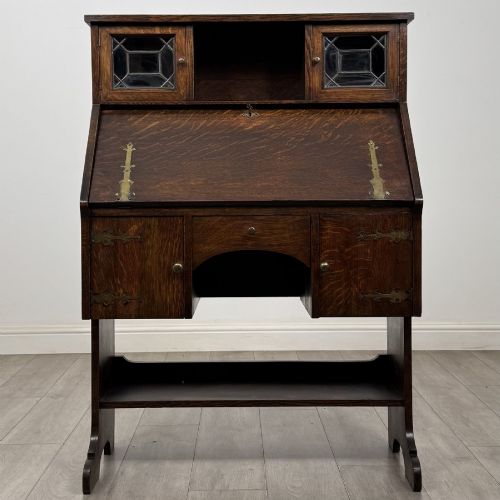
Makers utilised solid oak as the primary structural and visual material, often selecting quartersawn timber to display distinctive medullary rays across the grain. This hardwood foundation provided the necessary strength for heavily used domestic items like sideboards and bureau bookcases.
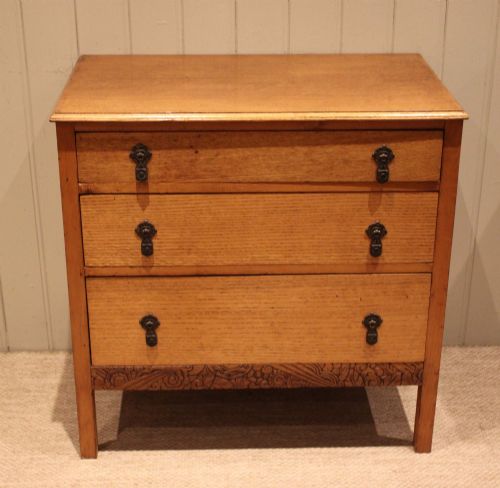
Construction relied on traditional joinery methods, including exposed tenons, dovetails, and pegged joints, which celebrated the physical assembly of the piece. Metalwork details such as hammered copper hinges, brass handles, and iron straps added functional contrast to the wooden surfaces.
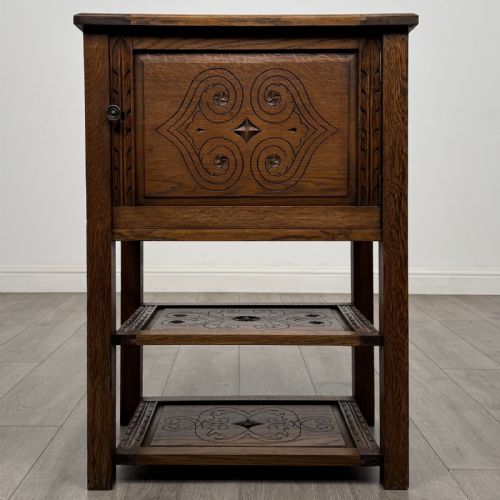
Glazing appeared in bookcases and display cabinets, sometimes utilising leaded glass or small panes held within wooden frames. Carved decoration remained restrained, featuring motifs such as linenfold panels, geometric patterns, or stylized organic forms characteristic of the period.
Arts and Crafts Oak Cabinet Retail Price Guide 2026
Typical asking prices for arts and crafts oak cabinet among the pieces listed under this phrase on Sellingantiques today, from the lower quarter to the upper quarter. They describe what is for sale here now, not the wider market.
Smokers' cabinets included specialised internal racks for pipes, ensuring gentlemen kept their smoking paraphernalia neatly organised away from polite company.
Assessing Standard and Origin
Quality separates mass-produced commercial items from pieces originating in specific design workshops or carrying documented attribution to known architects and makers. Superior examples demonstrate meticulous hand-craftsmanship in the execution of joints, carved details, and integrated metal hardware.
The choice of timber significantly influences the overall merit of an item, with carefully selected golden oak and well-figured grain marking out better productions. Proportion and balance within the architectural design distinguish thoughtful studio work from standard factory output.
GM Elwood for JS Henry·Ambrose Heal for Heal and Son·Arthur Basil Reynolds·Arthur Simpson of Kendal·Peter Waals·Gillow and Co·Henry Barker·Larkin
The Arts and Crafts Oak Cabinet Glossary
- Quartersawn oak
- Timber cut radially to the growth rings, producing a decorative flecked grain pattern highly prized by period makers. This method also improved the dimensional stability of the wood.
- Linenfold
- A style of relief carving applied to wooden panels that resembles folded fabric or linen. It frequently appears on cupboard doors and bureau fronts.
- Cotswold School
- A twentieth-century design movement centred around Gloucestershire that emphasised simple forms and traditional hand-tooling. Practitioners prioritized local materials and structural honesty.
- Secessionist
- A stylistic approach influenced by European modern design movements, featuring geometric lines and stylized motifs. It represents a departure from traditional Victorian ornamentation.
- Globe Wernicke
- A proprietary system of modular sectional bookcases with glass front panels that lift and slide inside the case. These units allowed owners to stack shelves vertically according to need.
Arts and Crafts Oak Cabinet: Frequently Asked Questions
How were these cabinets originally used?
They served diverse domestic purposes ranging from storing table linen in sideboards to displaying books behind glazed doors. Smaller wall-hanging and bedside versions provided specialised storage for personal items.
Music cabinets were specifically partitioned to hold sheet music and scores, reflecting Victorian and Edwardian parlour entertainments.
How do I care for solid oak furniture?
Maintenance involves keeping the timber away from direct heat sources and sudden humidity changes to prevent warping or splitting. Regular dusting with a dry, soft cloth maintains the surface sheen.
Application of traditional wax polish helps nourish the wood grain and preserves the historic finish over time.
How can I identify the period of a piece?
Dating relies on examining construction techniques, hardware styles, and design characteristics such as Secessionist geometry or traditional linenfold carving. Stamped maker marks, retailer labels, or attribution to specific schools provide definitive chronological markers.
Edwardian and 1920s iterations often display lighter golden oak finishes compared to darker nineteenth-century precedents.