

Antique Display Box
An antique display box organises and protects treasured objects, taking many forms from tabletop bijouterie to glazed wall cases.
Antique Display Box
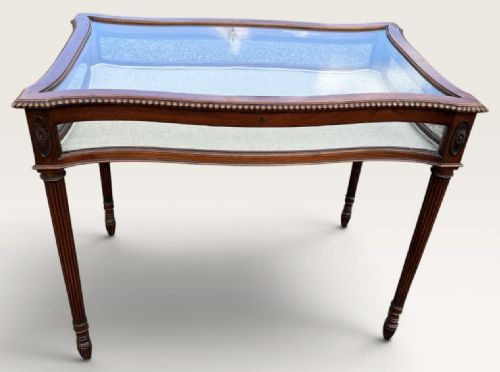
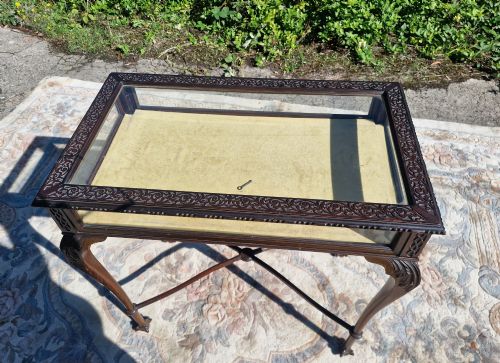
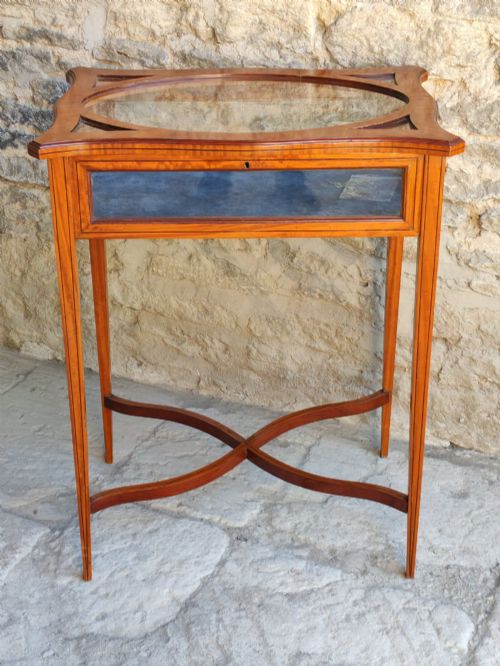
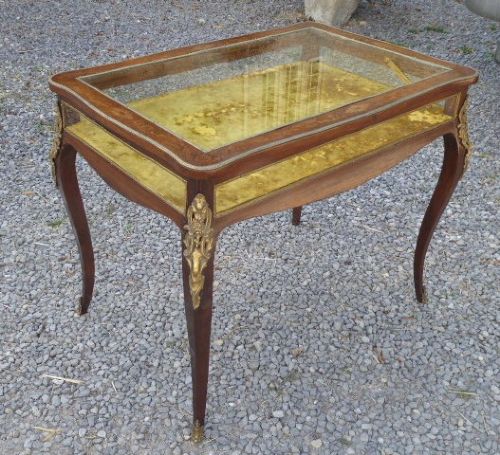
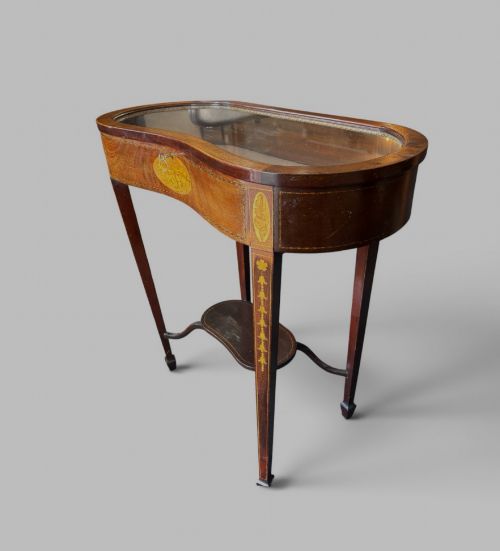
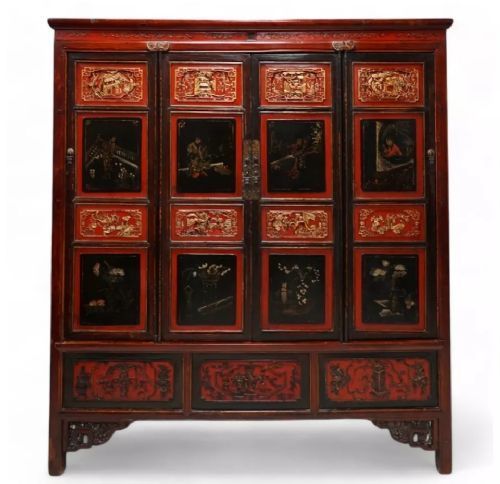
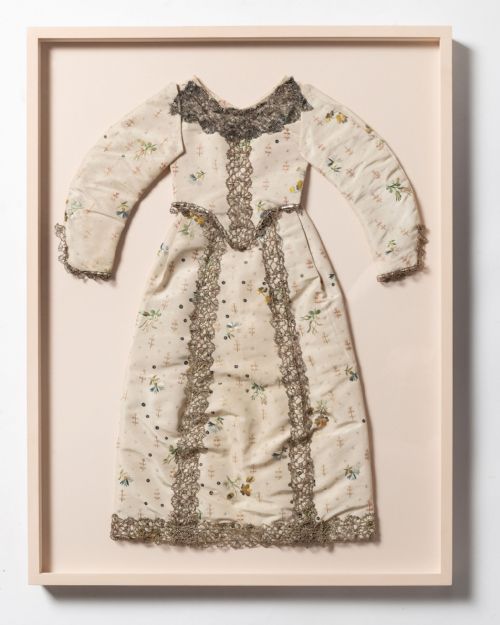
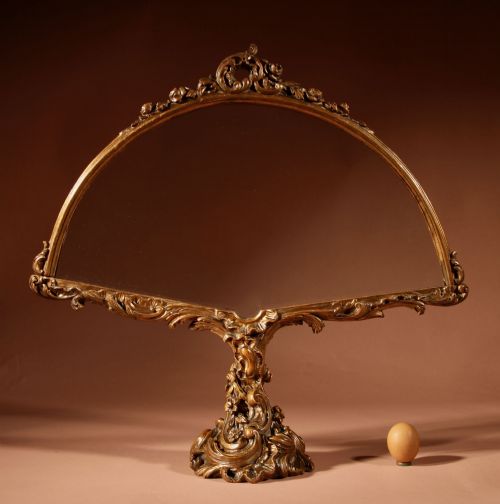
An antique display box serves to present and safeguard small valuables, specimens, and curiosities behind glass or within open frames. Pieces meeting this description range from freestanding bijouterie tables and glazed cabinets to shadow box dioramas and taxidermy cases.
The versions most frequently met on this page include mahogany and satinwood bijouterie tables from the Edwardian period and nineteenth-century glass-topped boxes. These domestic pieces reflect an era when gentlemen and ladies collected miniatures, jewellery, and natural history specimens to exhibit in drawing rooms.
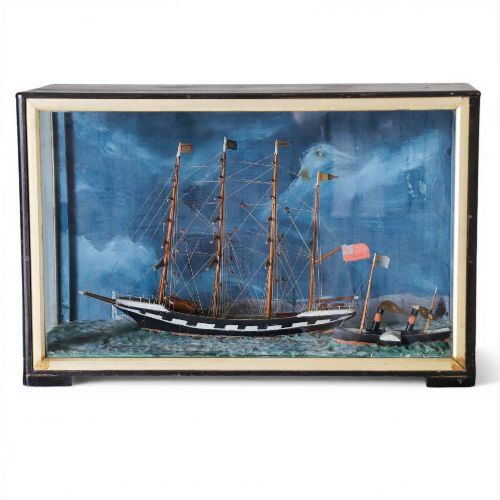
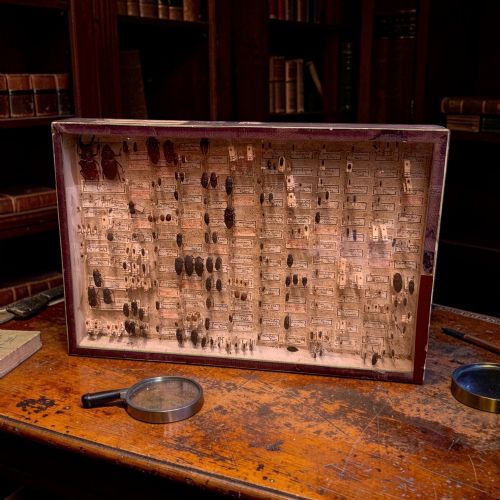
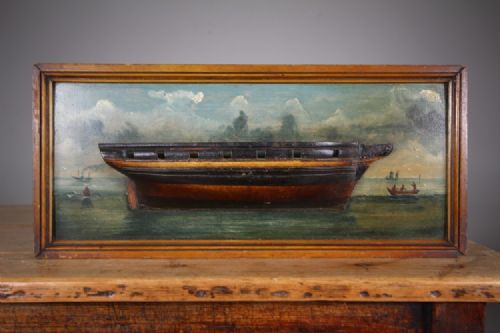
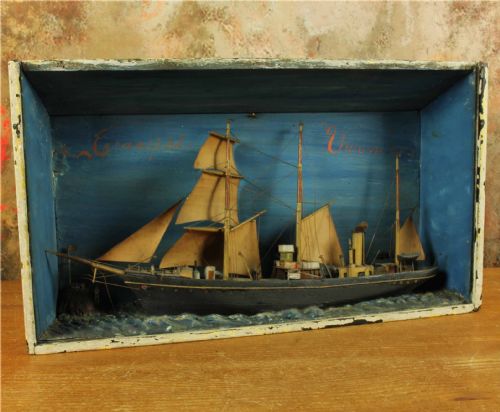
Beyond household display tables, the selection extends to maritime folk art dioramas depicting sailing ships and specialised entomology or taxidermy cases. Each variation provides a distinct method for containing and framing specific types of physical heritage.
How they were made
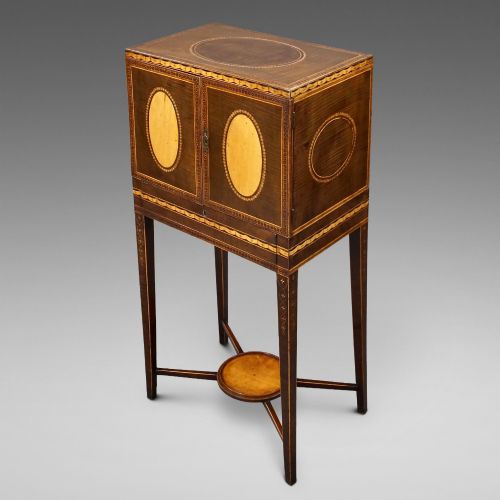
Cabinetmakers constructed these pieces using dense hardwoods such as mahogany, walnut, rosewood, and satinwood, frequently applying decorative marquetry and brass or ormolu mounts. Glazing formed a crucial component, protecting internal contents while permitting light to enter from above or through side panels.
Internal linings typically involved velvet, satin, or paper to cushion delicate objects like jewellery, medals, and specimens. Specialised makers also incorporated hand-carved wood elements, paper maché, and painted backgrounds, particularly in maritime dioramas and natural history settings.
What varies in quality
Quality rests in the precision of the cabinetwork, the choice of timber figurations such as burr walnut or harewood, and the refinement of brass or ormolu mounts. Pieces displaying sophisticated marquetry inlay or complex serpentine and kidney shapes represent higher tiers of craftsmanship.
The integrity of the original glass, the subtlety of internal velvet or satin linings, and the preservation state of delicate contents like paper documents or taxidermy specimens distinguish superior examples from standard domestic boxes.
The Antique Display Box Glossary
- Bijouterie table
- A glazed display table designed to hold small trinkets and jewels at a comfortable viewing height.
- Diorama
- A three-dimensional scene enclosed in a box, often depicting sailing ships or natural history subjects against a painted backdrop.
- Ormolu
- Gilt bronze mounts applied to furniture and boxes, popular in French and English cabinetmaking during the nineteenth century.
- Marquetry
- Decorative patterns formed by fitting together thin veneers of various woods onto a primary carcase.
- Toleware
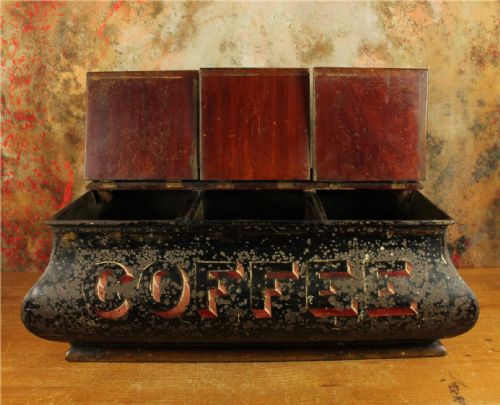
- Lacquered or enamelled metalware used for utilitarian and decorative boxes during the Victorian period.
Antique Display Box: Frequently Asked Questions
What did people put in a bijouterie table?
Owners placed small decorative items, portrait miniatures, pocket watches, and precious trinkets beneath the glass top for guests to inspect.
This arrangement kept delicate possessions free from dust while ensuring they remained visible in reception rooms.
How do I clean the glass on an old display case?
Use a soft, dry microfiber cloth to gently remove dust from the glass panels without pressing heavily on fragile framing.
Avoid spraying liquids directly onto the wood or fabric interior to prevent moisture damage to historic adhesives and linings.
Can I place these boxes in direct sunlight?
Direct sunlight should be avoided because ultraviolet rays fade antique textiles, paper documents, and taxidermy specimens over time.
Positioning the case away from windows also prevents fluctuating temperatures from drying out old timbers and veneers.