


Napoleon III Trinket Box
These pieces are napoleon iii trinket box examples, offering ornate French storage for small valuables.
Napoleon III Trinket Box
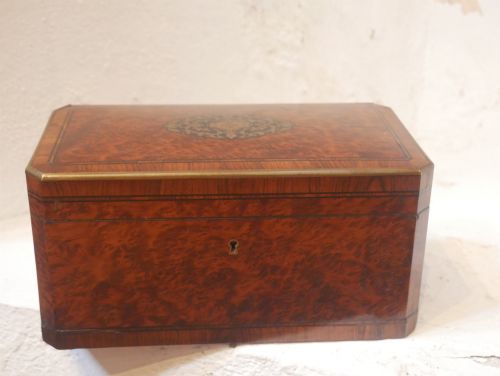
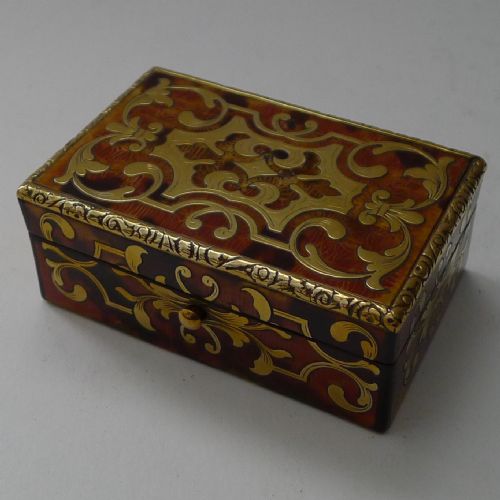
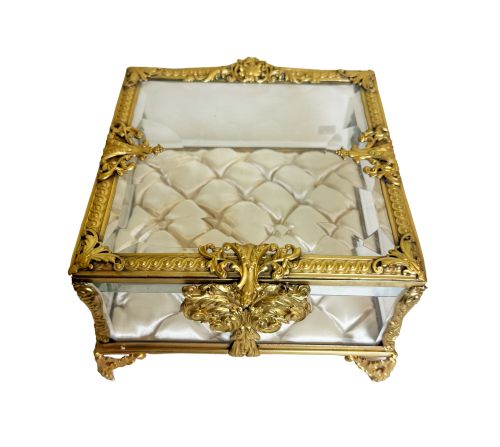
A napoleon iii trinket box brings nineteenth-century French elegance to a dressing table or desk, designed specifically to hold small valuables and jewellery. The listings here present various forms including jewellery boxes, caskets, and display boxes dating from the nineteenth century.
Makers and artisans of the period utilised exotic timbers alongside gilt bronze mountings to create striking table boxes. Buyers will find pieces originating from France, showcasing traditional nineteenth-century craftsmanship.
How they were made
Cabinet makers constructed these pieces using woods such as amboyna, thuya, satinwood, kingwood, ebony, and fruitwood, often incorporating intricate inlay techniques. Ormolu and gilt bronze frames provide structural mounts and decorative highlights.
Many examples incorporate glass or bevelled glass panels, sometimes paired with Sevres porcelain or Baccarat glass elements. Interiors are frequently lined with silk to protect delicate contents.
Materials across the listings include brass, gilt bronze, ormolu, glass, silk, bevelled glass, porcelain, and fruitwood.
What varies in quality
The distinction between tiers rests upon the precision of the woodwork inlay and the crispness of the ormolu casting. Superior examples display meticulous joinery and heavier, more deeply chased bronze mounts.
Material selection dictates the standing of the piece, with choice hardwoods and signed maker mounts elevating the work above standard production items of the era.
Tahan Paris
The Napoleon III Trinket Box Glossary
- Ormolu
- Gilded bronze used extensively for decorative mounts on nineteenth-century French furniture and decorative boxes. This technique involves applying finely ground gold-mercury amalgam to bronze.
- Amboyna
- A highly prized burr wood with a rich, mottled grain utilised by cabinet makers for luxury decorative boxes. It provides a warm, decorative surface on nineteenth-century pieces.
- Sevrer
- A famous French porcelain manufactory whose plaques and panels occasionally adorn the lids of luxury caskets. These porcelain inserts feature hand-painted details and gilt borders.
Napoleon III Trinket Box: Frequently Asked Questions
What were napoleon iii trinket boxes used for?
These boxes served as refined containers on dressing tables and salon desks for storing rings, brooches, and personal trinkets. Wealthy households utilised them to keep daily valuables secure yet immediately accessible.
Their decorative presence also made them statement pieces in nineteenth-century French interiors, displaying wealth and taste to visitors.
How do I identify a napoleon iii box?
Look for characteristic nineteenth-century French design elements, including ormolu mounts, exotic wood veneers, and bevelled glass panels. The construction methods and stylistic motifs align with the Second Empire period.
Signatures or marks on the bronze mounts or timber bases occasionally point directly to the maker or Parisian workshop responsible.
Where should I place a trinket box?
These decorative containers sit well on dressing tables, mantelpieces, or surface consoles where their polished wood and ormolu mounts catch the light. They require stable indoor environments away from direct heat sources to protect timber and silk linings.
Positioning them on secure surfaces ensures the glass panels and delicate hinges remain free from accidental knocks.
Are these boxes fragile?
The inclusion of bevelled glass, delicate ormolu frames, and silk linings means these boxes require careful handling during use and cleaning. Gentle dusting with a dry cloth maintains the finish without harming the historic materials.
Opening and closing the lids should be done with care to preserve the original hinges and internal fabric linings.