
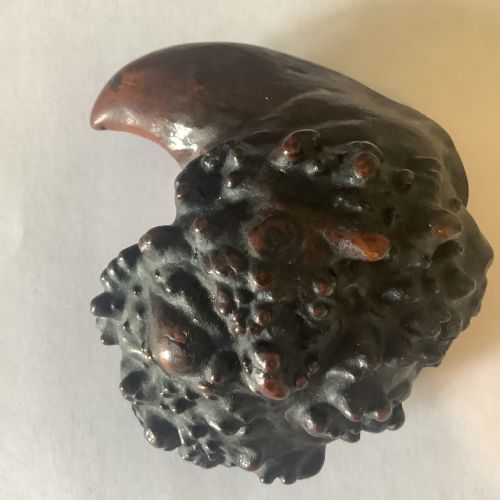
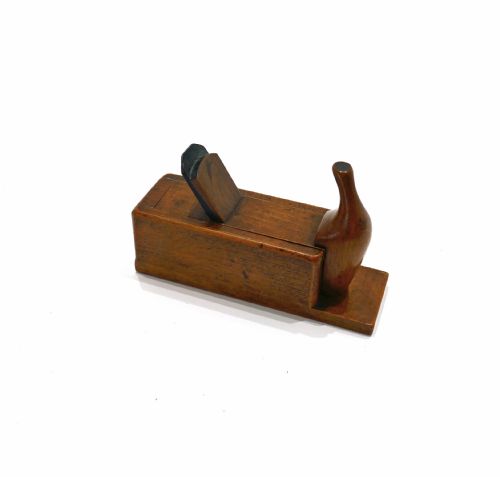


Georgian Novelty Snuff Box
A georgian novelty snuff box turns a simple pocket container into a witty piece of carved treen, shell, or metal shaped like a shoe, bugbear, or bellows.
Georgian Novelty Snuff Box
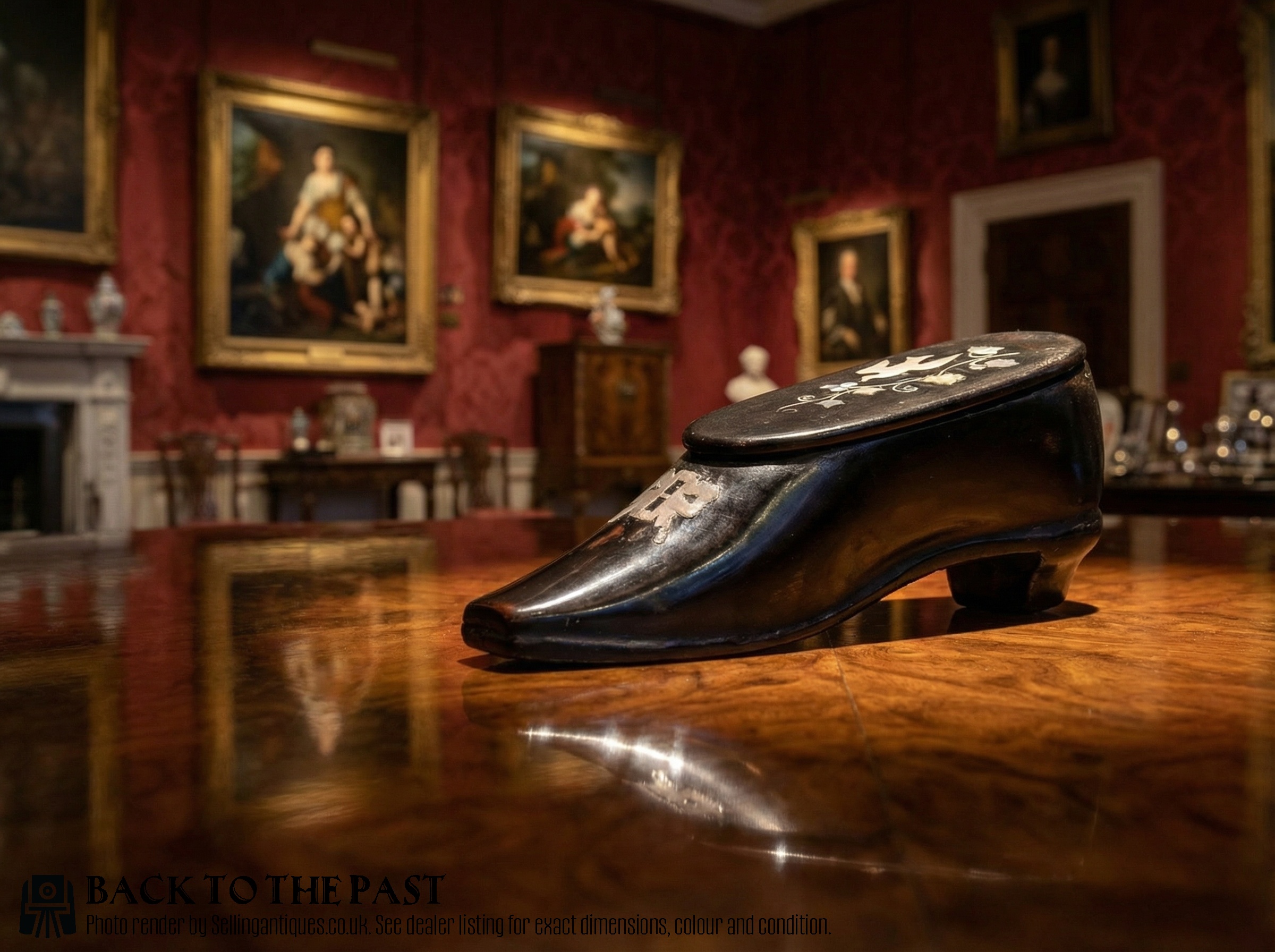
A georgian novelty snuff box is a small pocket or table container designed to amuse, most often taking the form of a shoe, a natural piece of wood, or a functional object like a pair of bellows. You are most likely to meet fruitwood, burr walnut, and coquilla nut examples shaped as footwear, alongside silver-mounted shell and brass pieces.
The periods represented span the eighteenth and nineteenth centuries, including Georgian, Regency, and Victorian eras of folk art production. These miniature works combine practical utility with whimsical carving, engraving, or mother of pearl inlay.
Forms range from simple pocket snuff shoes with brass pique work to larger hardwood table boxes and double snuff shoes. Each piece relies on clever shaping and surface texture to catch the eye and provoke a smile.
Materials and construction
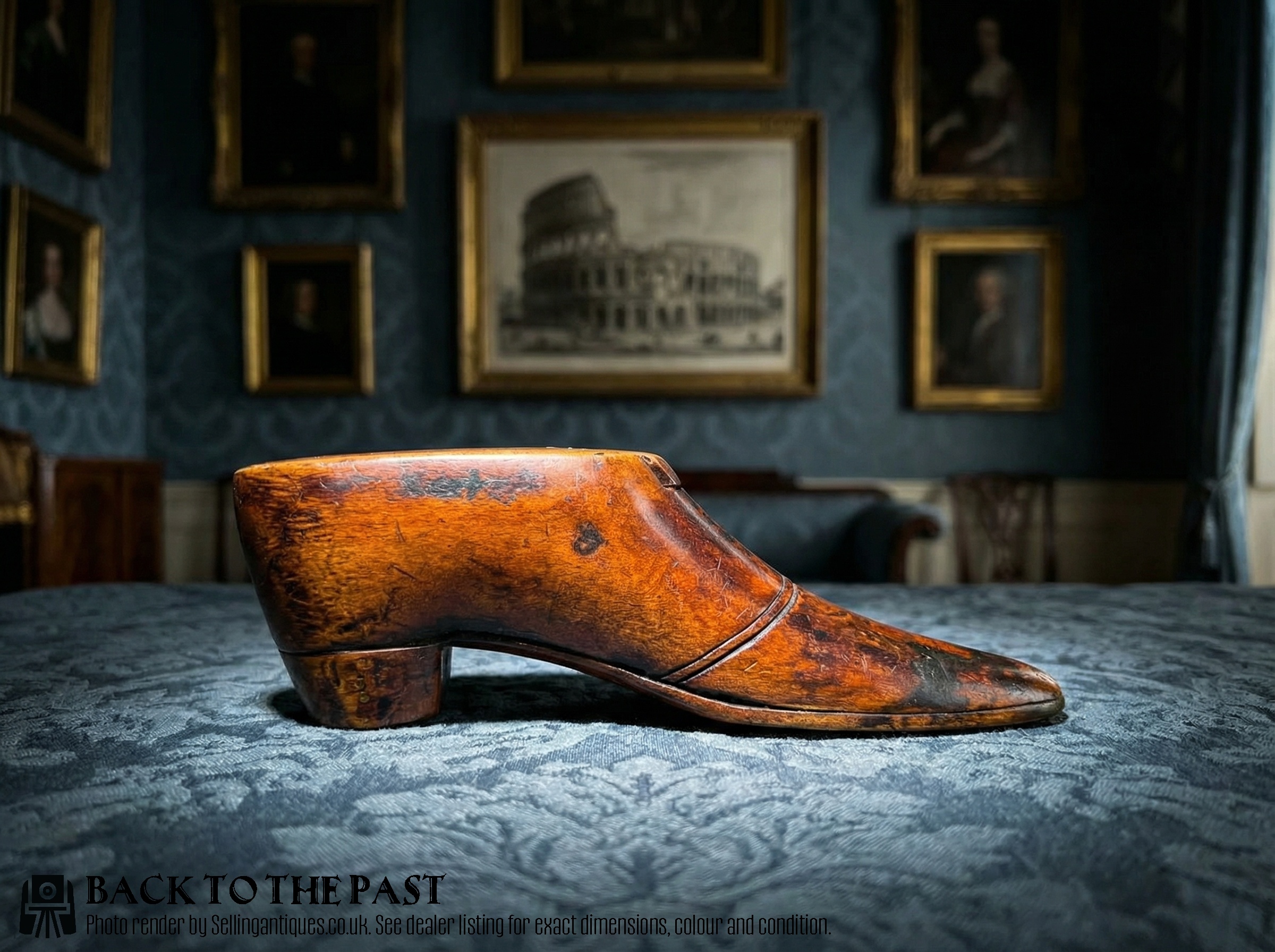
Carvers shaped dense timbers like fruitwood, burr walnut, and coquilla nut using hand tools to achieve the curves of shoes and natural organic forms. These wooden bodies often developed a deep patina through handling over generations.
Metals such as sterling silver, brass, and copper were cast, engraved, and applied to organic shells and papier-mâché bases. Inlayers worked mother of pearl and brass pique work into the surfaces to create contrasting patterns of foliage and flowers.
Materials in these listings span organic cowrie shell, turtle shell, and coquilla nut alongside traditional English hardwoods.
Judging the range
Quality rests in the crispness of the carving and the cleverness of the natural form, where timber grain mimics the subject. Finer examples show detailed brass pique work, precise mother of pearl panels, and well-fitted silver mounts rather than plain surfaces.
The depth of the patina and the preservation of original hinges and lids separate superior survivals from altered pieces. Objects that retain their tactile smoothness and distinct silhouette command greater attention.
The Georgian Novelty Snuff Box Glossary
- Treen
- Small handmade wooden household objects and decorative items. These pieces showcase vernacular woodturning and carving skills.
- Pique work
- Inlay technique using tiny pins or strips of gold, silver, or brass pressed into tortoiseshell or wood. It creates delicate geometric and floral surface patterns.
- Coquilla nut
- The hard, mottled brown seed of a South American palm. Carvers utilised its dense shell for small snuff boxes and nutcrackers.
- Vinaigrette
- A small ornamental box featuring a perforated inner grille. It held a sponge soaked in aromatic vinegar for use in foul-smelling environments.
- Bugbear
- A carved coquilla nut snuff box shaped like a grotesque head or face. These curious containers date mainly from the nineteenth century.
Georgian Novelty Snuff Box: Frequently Asked Questions
What is a snuff shoe?
A snuff shoe is a small box carved or moulded in the exact shape of a shoe or boot, complete with miniature buckles or laces. The heel or sole typically lifts off to reveal the compartment for powdered tobacco.
Craftsmen produced these in wood, papier-mâché, and shell during the eighteenth and nineteenth centuries as playful conversation pieces.
How do you date wooden snuff boxes?
Dating relies on observing the tool marks, timber choice, hinge construction, and wear patterns. Georgian and Regency pieces often feature hand-cut dovetails, distinct patination, and specific vernacular carving styles.
Comparing the object to dated examples in archives helps narrow down the period of manufacture.
What is pique work?
Pique work is a decorative method where artisans tap tiny silver or brass wire and pins into a hard surface like tortoiseshell or wood. This creates intricate geometric or floral designs across the lid.
It requires immense precision to avoid splitting the brittle base material during the inlay process.
How were these boxes used?
Owners carried them in pockets or displayed them on tables during social gatherings to offer pinches of dry tobacco to guests. The novelty shapes served as icebreakers and demonstrations of wit.
Users opened the tight-fitting lids to access the scented or plain powder inside.
Are coquilla nut boxes rare?
Coquilla nut boxes appear less frequently than standard wooden containers because the imported palm seeds restricted production. Their distinct mottled texture and suitability for fine facial carvings made them popular among collectors.
Carvers exploited the natural oval shape to form grotesque heads and animals.