







Regency Snuff Box
A regency snuff box is a pocket-sized vessel designed to hold powdered tobacco, offering a tactile glimpse into Georgian and nineteenth-century social rituals.
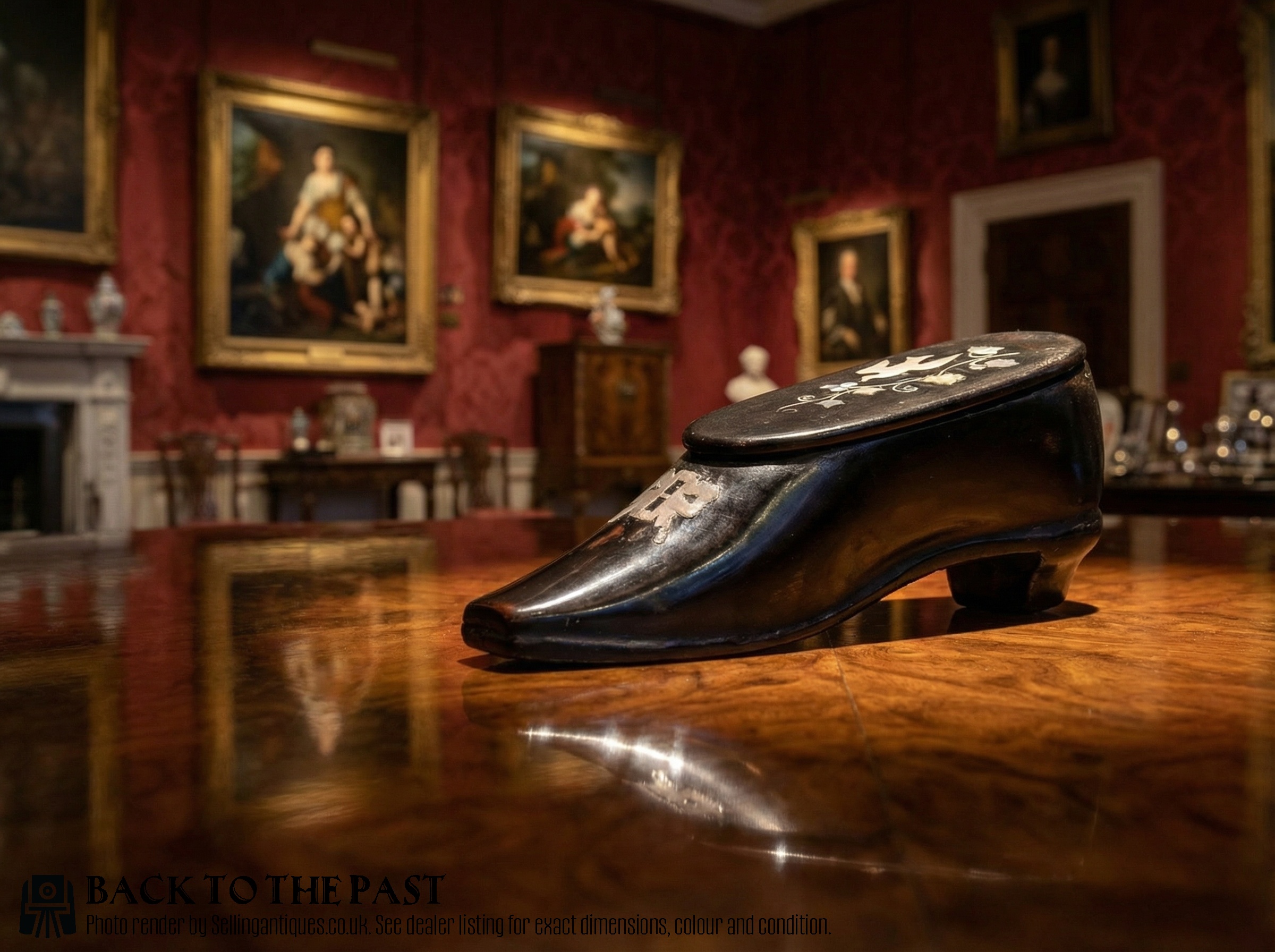
Regency Snuff Box
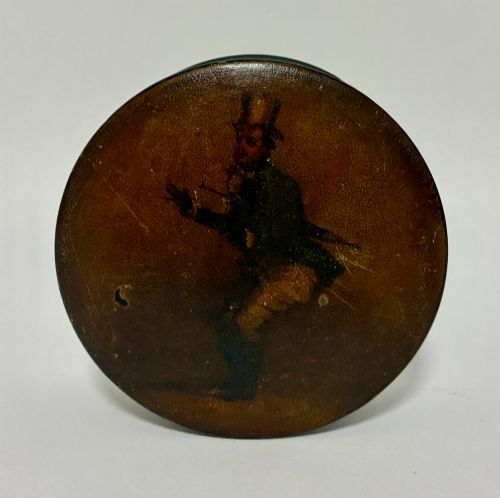
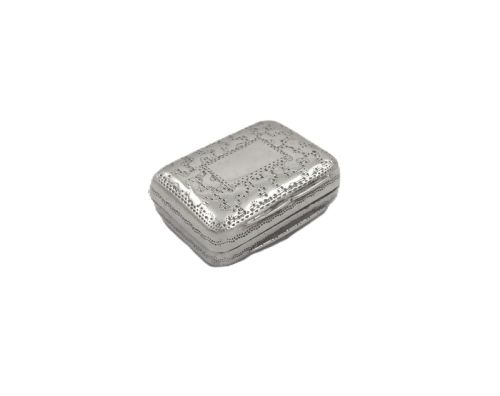
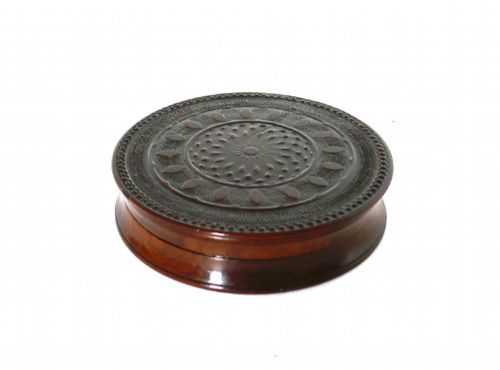
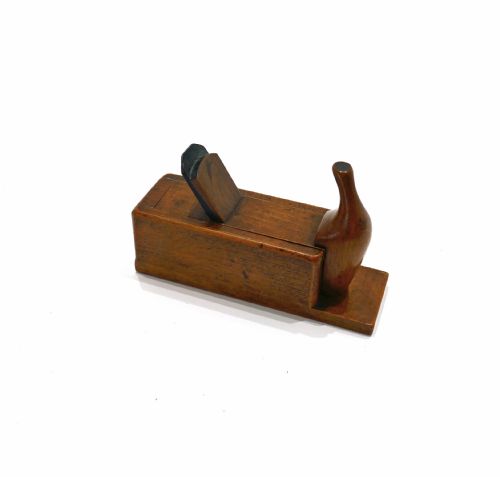
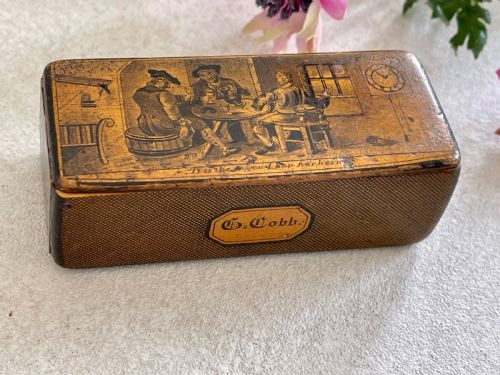
A regency snuff box takes several distinct forms across the Georgian and nineteenth-century periods, ranging from pocket vessels to table boxes. Buyers will frequently encounter examples shaped from papier-mache, sterling silver, and various timbers.
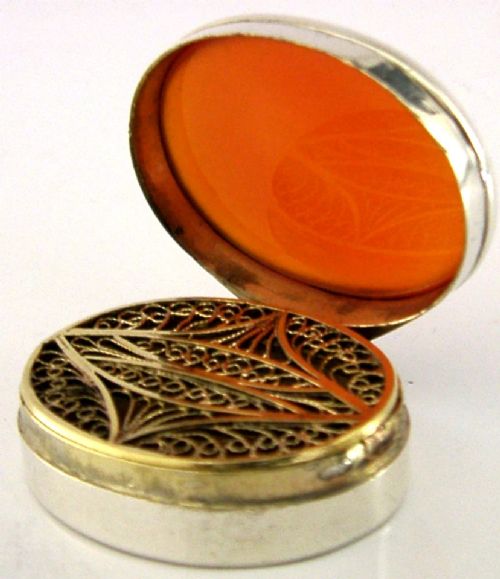
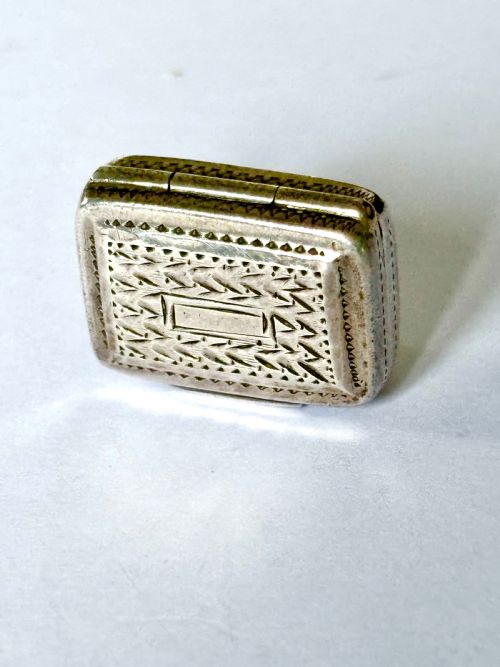
Makers produced these objects as functional containers, sometimes incorporating internal grilles to hold scented sponges as vinaigrettes. The selections span simple treen pieces alongside gold and silver-gilt presentation boxes.
Styles mirror the broader aesthetic movements of the era, drawing upon neoclassical motifs, Grand Regency designs, and Biedermeier influences. Continental and British workshops alike contributed to the variety seen on the market.
Materials and Methods
Artisans constructed boxes from organic and precious materials, utilising sterling silver, gold, tortoiseshell, horn, and fruitwood. Papier-mache versions required careful building of layered paper pulp before painters applied lacquers and hand-painted scenes.
Metalworkers employed engine-turning techniques to create intricate geometric patterns on gold and silver surfaces. Goldsmiths also incorporated tortoiseshell with gold piqué inlay and mounted horns with silver rims.
German workshops secretly hid erotic paintings inside the lids of boxes for private amusement.
Judging Quality
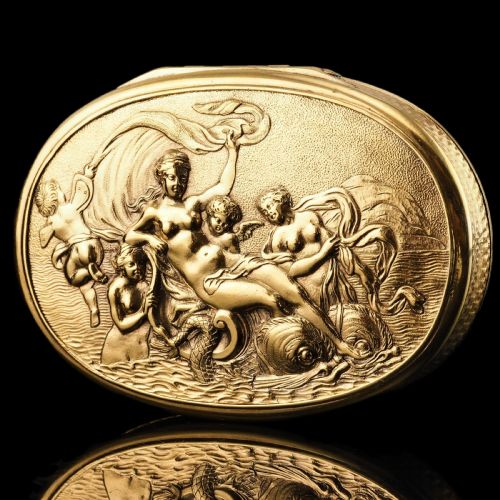
Quality rests upon the crispness of the chasing on gold and silver-gilt surfaces and the precision of engine-turned decoration. Superior papier-mache pieces display finely preserved hand-painted portraits or mythological scenes without surface crazing.
The integration of materials dictates value, particularly where makers combined precious metals with tortoiseshell, mother-of-pearl, or organic horn. Signed works by documented silversmiths or lacquer houses command particular attention for their craftsmanship.
Giles Loyer·John Bettridge·Alexander J Strachan·Joseph Wilmore·Nathaniel Mills
The Regency Snuff Box Glossary
- Vinaigrette
- A small container fitted with an internal pierced grille that held a sponge soaked in aromatic vinegar. These pieces functioned similarly to traditional snuff boxes but served to freshen the air.
- Engine turned
- A mechanical decoration technique that cuts precise, repeating geometric patterns into metal surfaces using a lathe. This method added texture and caught the light on pocket containers.
- Silver gilt
- Silver objects coated with a thin layer of gold applied through chemical or fire gilding methods. This treatment protected the underlying silver and provided a rich golden interior finish.
- Piqué
- An inlaid decoration technique using tiny pins of gold or silver pressed into tortoiseshell or ivory surfaces. Craftsmen arranged these pins to form delicate floral or geometric motifs.
Regency Snuff Box: Frequently Asked Questions
What is a regency snuff box?
A regency snuff box is a small lidded container used during the Georgian era to hold dry tobacco powder for inhalation. These portable objects were carried in pockets or displayed on tables during social gatherings.
Craftsmen produced them in numerous materials, including precious metals, tortoiseshell, lacquered papier-mache, and turned wood. Their compact size made them canvases for miniature paintings, geometric engine-turning, and heraldic crests.
How were vinaigrettes used?
Vinaigrettes served as personal deodorisers during an era when unpleasant odours frequently filled public spaces. Owners opened the hinged lid to reveal a pierced internal grille, beneath which sat a vinegar-soaked sponge.
While sharing the pocket-sized format of standard snuff boxes, vinaigrettes contained liquids rather than dry powder. The gold-washed interior protected the silver from corrosion caused by the acidic vinegar.
How do I date a papier-mache box?
Dating papier-mache boxes relies on examining the substrate composition, the style of the painted decoration, and any residual maker marks. Early nineteenth-century examples often feature hand-painted classical scenes or portraits set beneath protective lacquer layers.
Makers such as Stobwasser produced distinctive lacquered wares in Germany, while British workshops utilised penwork and tortoise-effect finishes. Examining the hinge construction and wear patterns helps confirm the period.
Can I still use them for snuff?
While these boxes were originally designed for tobacco, modern collectors rarely use them for their historical purpose. Residue can damage delicate internal gilding, paper linings, or organic materials like tortoiseshell and horn.
Instead, collectors display them as cabinet pieces or utilise them to store small modern items such as pills or cufflinks. Keeping them dry preserves the original interior finishes and structural integrity.