
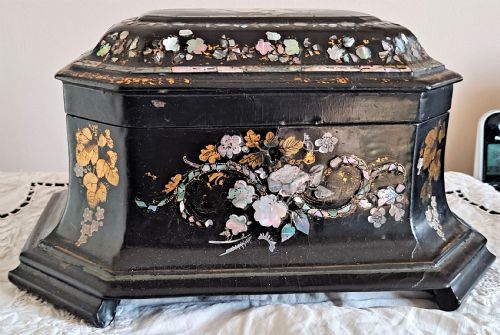


Inlaid Papier Mache Box
These inlaid papier mache box examples combine durable pressed paper pulp with lustrous pearl, offering both storage and nineteenth-century desk elegance.
Inlaid Papier Mache Box
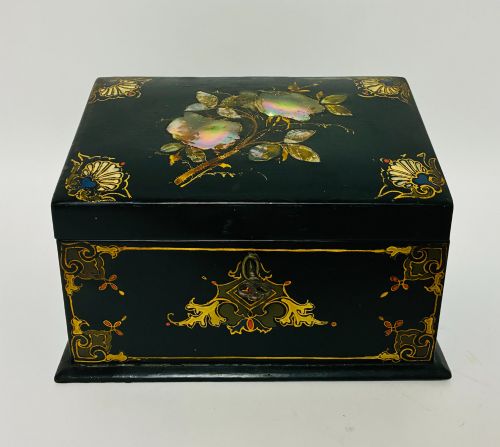
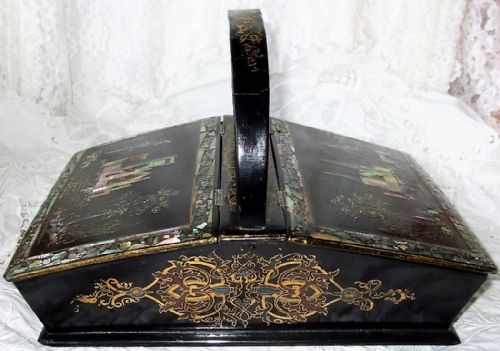
An inlaid papier mache box typically dates from the Victorian period, reflecting nineteenth-century tastes for ornate domestic accessories. These pieces span several functional forms, most frequently appearing as tea caddies, needlework caskets, jewellery boxes, and writing cabinets.
The objects on this page centre on nineteenth-century English craftsmanship, encompassing smaller snuff boxes alongside larger work tables and stationery cabinets. Tea caddies and jewellery caskets remain the versions most likely to be met in these listings.
Makers of the era utilised distinct styles to adorn these receptacles, merging Georgian influences with high Victorian decoration. Each container provides a glimpse into period storage habits, whether intended for dry tea leaves, precious jewels, or sewing implements.
Materials and construction
Makers built the core structure using layered paper pulp and binding agents, pressed into heavy moulds before drying to form a solid, durable shell. This papier-mâché base received a smooth finish of dark lacquer.
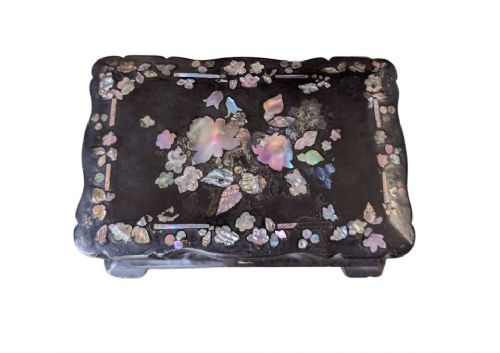
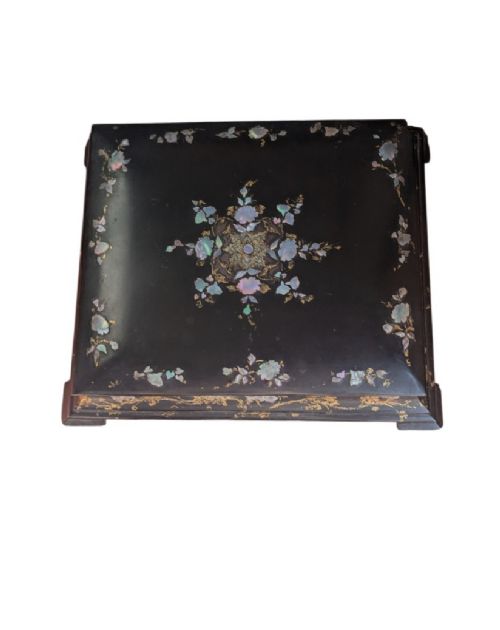
Workers applied mother-of-pearl to the lacquered surfaces, often cutting the iridescent shell into intricate floral or geometric shapes. Additional detailing frequently involved gold leaf and brass fittings to highlight the inlaid patterns.
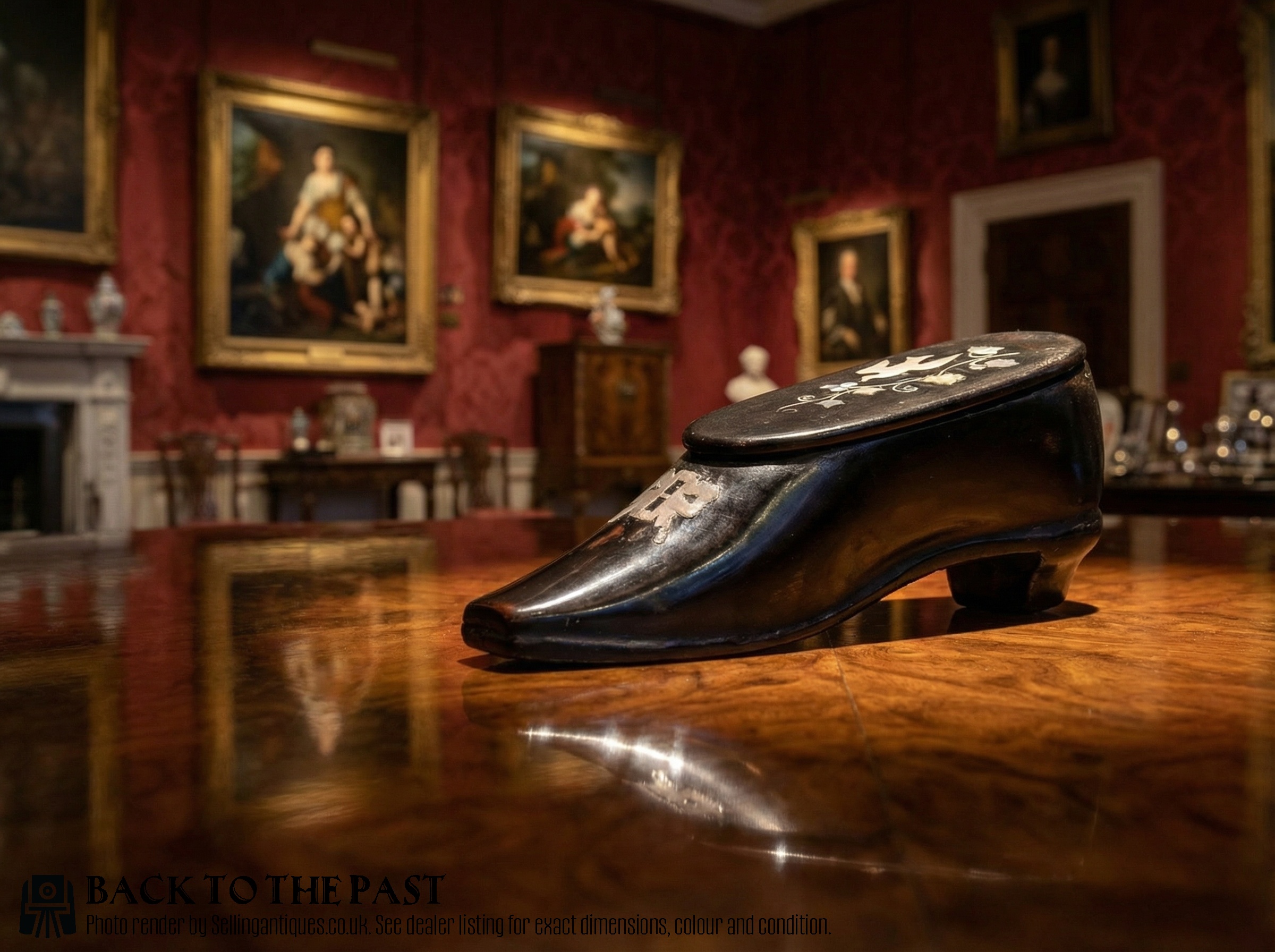
Among the more unusual forms found in the archive is a snuff shoe, proving that nineteenth-century artisans enjoyed shaping papier-mâché into eccentric footwear silhouettes.
Assessing quality and finish
Superior examples display precise, tightly fitted mother-of-pearl inlay embedded flush with the surrounding lacquer surface rather than sitting proud. The complexity of the hand-painted details and the crispness of the gold leaf work also distinguish finer pieces.
The structural integrity of the papier-mâché and the preservation of the original lacquer finish dictate the overall standard of a box. Interiors lined with original silks, fitted compartments, or working locks add further distinction to the surviving containers.
The Inlaid Papier Mache Box Glossary
- Papier-mache
- A composite material made from paper pulp mixed with glue or resin, pressed and dried into sturdy forms. It serves as the primary body for these nineteenth-century boxes.
- Mother of Pearl
- The iridescent inner layer of certain mollusc shells, cut and polished for inlay work. It provides the shimmering highlights on Victorian boxes.
- Tea Caddy
- A container designed specifically to store loose tea leaves securely. Many nineteenth-century examples feature internal foil-lined compartments and fitted lids.
- Needlework Casket
- A specialised box intended to hold sewing implements, threads, and pins. These often include internal trays and miniature compartments.
- Lacquer
- A durable resin finish applied to the exterior of the papier-mâché base. It creates a smooth, protective, and often glossy dark surface.
Inlaid Papier Mache Box: Frequently Asked Questions
What were these boxes used for?
These receptacles served various domestic purposes in the nineteenth century, primarily holding valuable items like jewellery, sewing gear, or dry tea leaves. Writing boxes additionally provided a portable sloping surface for correspondence.
Larger variants functioned as stationery cabinets or small work tables for the parlour. Their secure interiors protected delicate personal possessions from dust and light.
How do I date an inlaid papier mache box?
Dating relies heavily on stylistic clues, materials, and structural characteristics typical of the nineteenth century. Most pieces on record stem from the Victorian era, showing distinct shifts from Georgian forms.
Examining the hinges, interior silk linings, and the style of the mother-of-pearl inlay helps narrow down the decade of production. Comparative examination of known tea caskets and writing boxes offers further temporal context.
How do I care for papier-mache?
Preserving these objects requires keeping them away from direct sunlight and excessive moisture, which can damage the lacquer and lift the inlaid shell. Dusting gently with a dry, soft cloth prevents surface accumulation without harming the finish.
Harsh chemical cleaners must be avoided entirely to protect the delicate gold leaf and lacquered surfaces. Stable indoor humidity ensures the paper composite does not warp over time.
Are all these boxes English?
The recorded evidence for these items points primarily to English manufacture during the nineteenth century. Workshops in regions like Birmingham produced significant quantities of lacquered wares.
While the style is predominantly English Victorian, materials such as mother-of-pearl were sourced globally. Comparing the internal fittings helps confirm the regional origin of individual caddies and cabinets.