


Silver Mounted Tortoiseshell
Silver mounted tortoiseshell combines warm, mottled shell with gleaming sterling silver mounts across vanity items, boxes, and desk accessories.
Silver Mounted Tortoiseshell
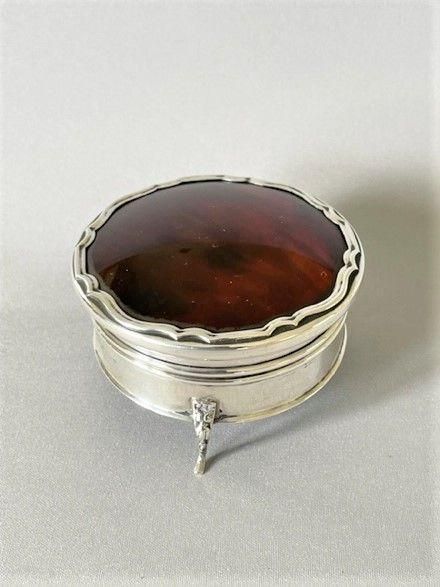
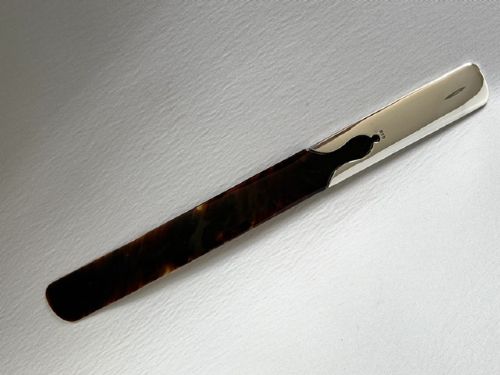
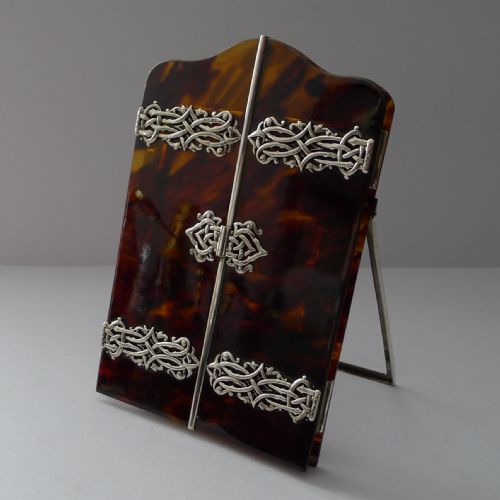
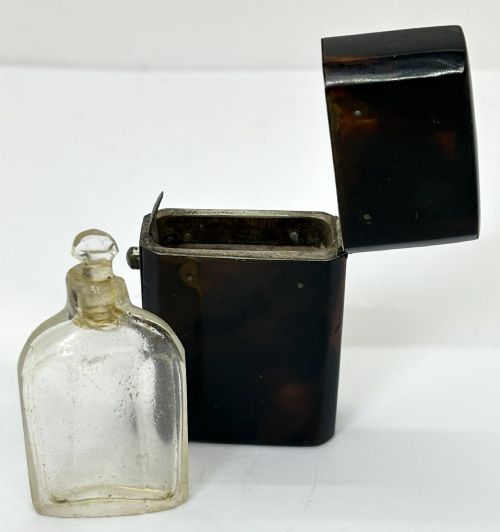
Silver mounted tortoiseshell items span practical accessories and dressing table pieces, bringing together organic shell and precious metal mounts. The selection ranges from Georgian tea caddies and scent bottle etuis to Victorian jewellery boxes, Edwardian page turners, and Art Deco timepieces.
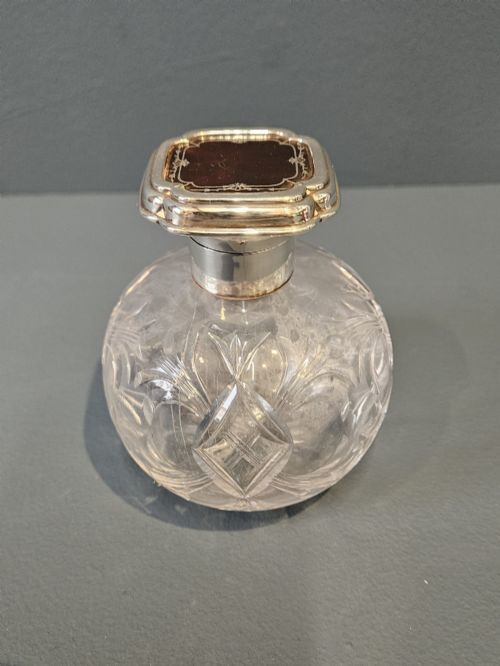
Buyers most frequently encounter smaller vanity items and desk wares, including cut crystal scent bottles with silver and tortoiseshell lids, dressing table boxes, and picture frames. Pieces date from the mid-eighteenth century through the Victorian, Edwardian, and George V periods up to the nineteen-thirties, reflecting centuries of skilled decorative work.
Materials and technique
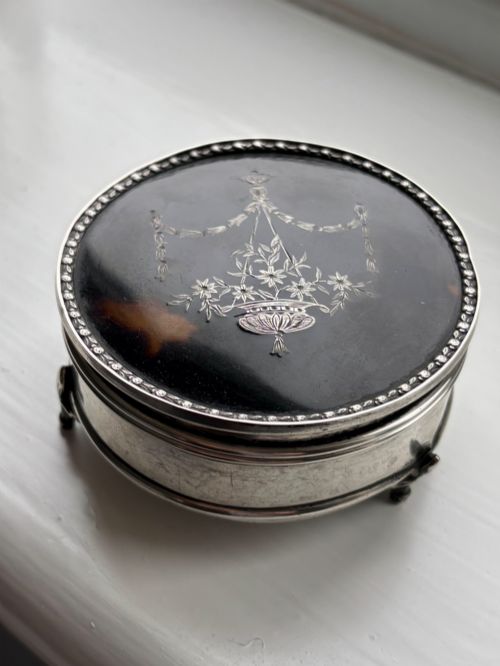
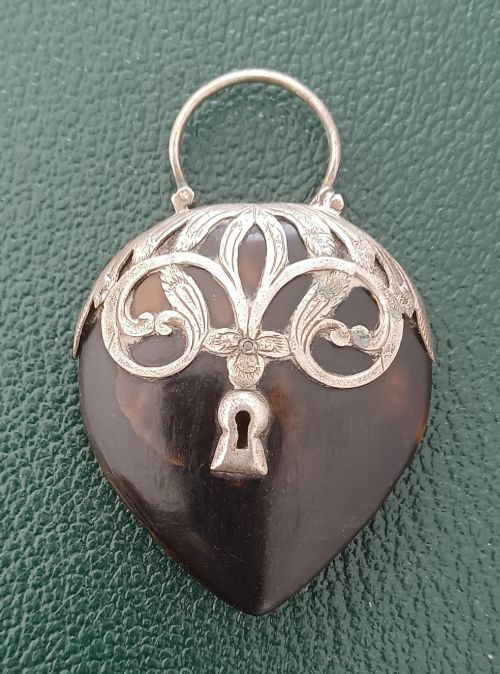
Craftsmen shaped translucent panels of natural tortoiseshell or faux tortoiseshell over wooden or glass cores, securing them with sterling silver hinges, rims, and repoussé mounts. Metal inlay, known as piqué work, often decorates the shell surface using fine silver pins or strips arranged in geometric or floral patterns.
Makers combined organic shell with cut crystal, cut glass, and turned wood to create functional luxury objects like ink bottles, string holders, and carriage clocks. The silver components typically bear hallmarks indicating the assay office and year of manufacture, linking the metalwork directly to British silversmiths.
Materials recorded across the archive include natural tortoiseshell, sterling silver, cut crystal, glass, wood, and faux tortoiseshell.
Variations in quality
Quality rests on the depth and warmth of the shell figuring, the precision of the silver mounts, and the intricacy of any piqué inlay. Superior examples display clear, rich amber and brown tones in the natural shell without heavy clouding or crude repairs.
The weight and finish of the sterling silver mounts also distinguish finer pieces, where crisp hallmarks, tight joints, and well-fitted lids demonstrate superior workshop standards. Well-preserved internal linings and functional original mechanisms add further distinction to boxes and timepieces.
Ollivant & Botsford·William Comyns·J Batson & Son·Horton & Allday·Asprey
The Silver Mounted Tortoiseshell Glossary
- Tortoiseshell
- A mottled organic material derived from the shell of certain marine turtles, valued for its warm translucent amber and dark brown patterns.
- Piqué
- A decorative technique involving delicate silver or gold wire and pins inlaid directly into the surface of tortoiseshell.
- Etui
- A small ornamental case used to hold needles, tweezers, bodkins, and other small tools.
- Tea caddy
- A box or container originally made to store tea leaves safely and securely under lock and key.
- Sterling silver
- An alloy of silver containing ninety-two point five percent pure silver and seven point five percent other metals, typically copper.
Silver Mounted Tortoiseshell: Frequently Asked Questions
How do I clean silver mounted tortoiseshell?
Dust gently with a soft, dry cloth and avoid harsh chemical cleaners or immersion in water. Keep pieces away from direct sunlight and heat sources to prevent the organic shell from warping or drying out.
Polish the sterling silver mounts carefully using a specialised silver cloth, taking care not to let the polish touch the vulnerable tortoiseshell surface.
Are these items made from real tortoiseshell?
Many historical pieces utilise genuine natural shell, while others feature period faux tortoiseshell alternatives or synthetic materials depending on the date of manufacture.
Examination under magnification often reveals the natural growth patterns and organic structure characteristic of genuine shell used in earlier centuries.
How can I date my silver and tortoiseshell piece?
Check the sterling silver mounts for British hallmarks, which typically include a maker's mark, a standard mark, a town mark, and a date letter indicating the exact year of assay.
Stylistic details, such as Georgian silhouettes, Victorian piqué work, or Art Deco geometric clock cases, also provide clear clues to the period of origin.
How were dressing table boxes used?
Dressing table boxes and vanity jars stored precious trinkets, cosmetics, pins, and personal accessories in Victorian and Edwardian bedrooms. They sat atop dressing chests as both decorative centrepieces and practical storage for daily grooming items.
Many contained fitted compartments or velvet linings tailored to hold specific tools like perfume bottles, button hooks, and small jewellery.