
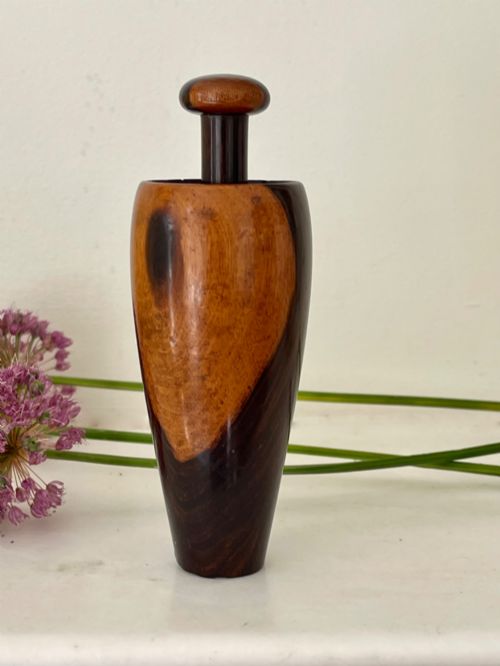
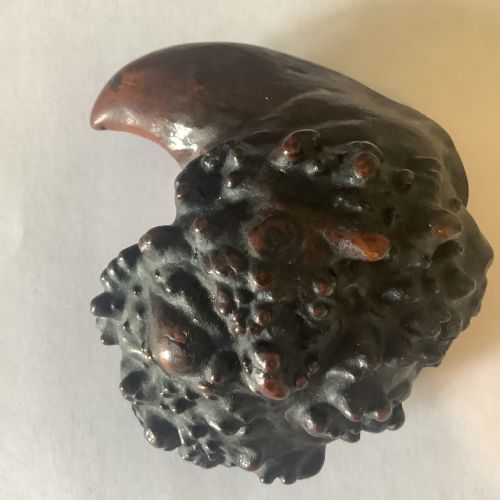


Georgian Treen Snuff Box
These georgian treen snuff box pieces are small turned and carved wooden containers made for holding tobacco, prized by collectors for their miniature scale and tactile warmth.
Georgian Treen Snuff Box
A georgian treen snuff box is a pocket-sized wooden container made to hold ground tobacco, created during the eighteenth and nineteenth centuries. These objects combine everyday utility with the miniature sculptural skill of the woodturner and carver.
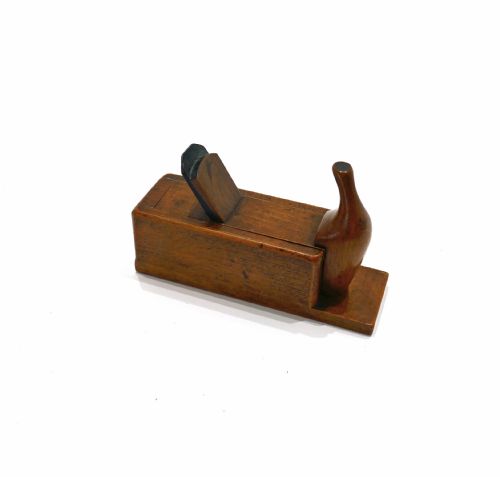
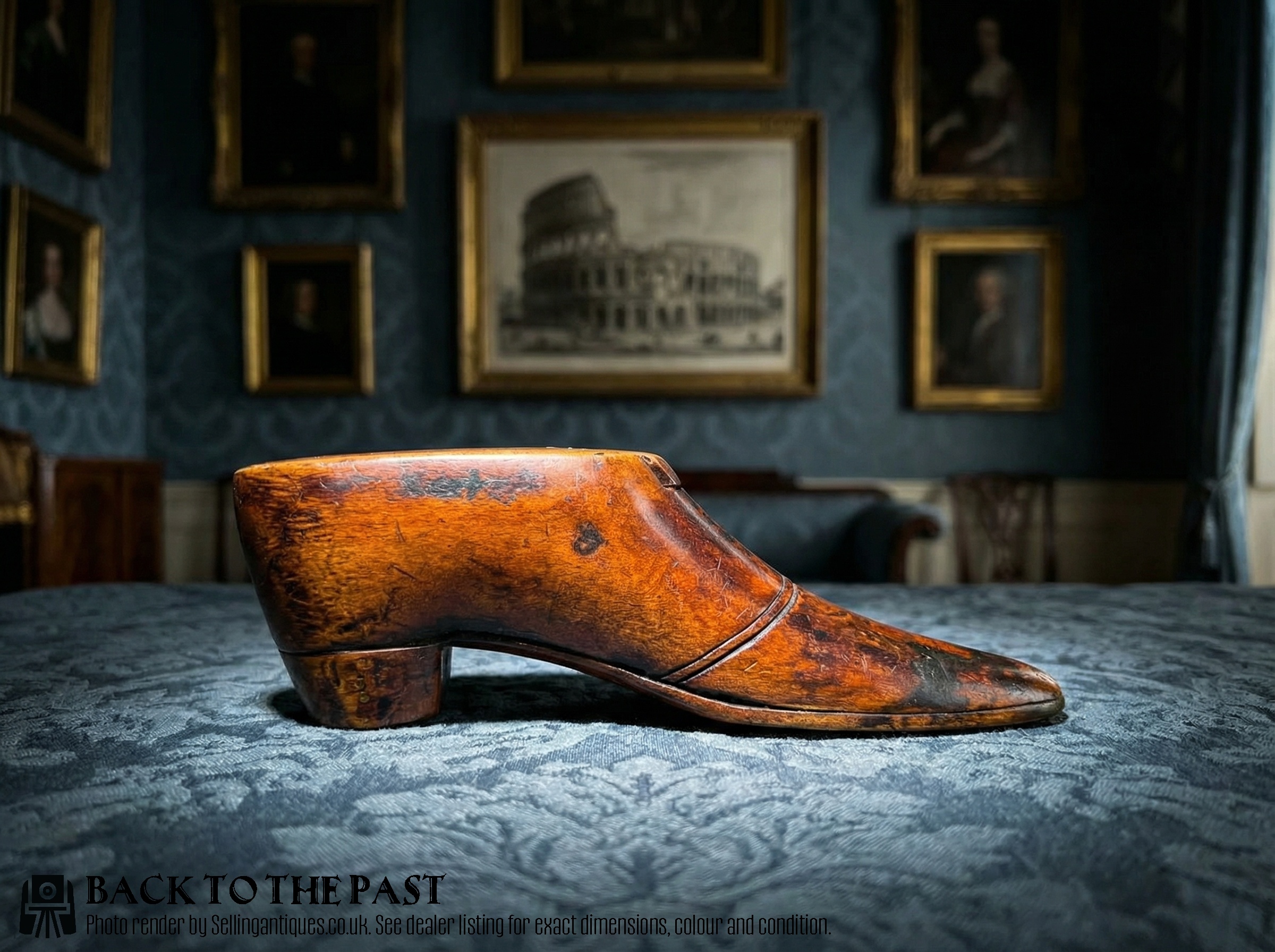
The pieces listed here appear in various forms, including traditional pocket boxes, patch boxes, and playful figural shapes such as shoes, boots, hands, and even woodworking planes. Such whimsical silhouettes reflect the Georgian taste for amusing and tactile pocket curiosities.
Most examples hail from the Georgian and Victorian eras, with some specimens dating specifically to around eighteen hundred. They span formal mahogany and boxwood work as well as charmingly rustic folk art carvings.
How they were made
Craftsmen utilised dense timbers such as fruitwood, boxwood, mahogany, and burr walnut, which could hold crisp detail under cutting tools. Exotic materials like coquilla nut also appear, chosen for their fine grain and natural dark lustre.
Makers employed woodturning on a lathe for round and oval boxes, alongside careful hand carving for figural designs like shoes and fists. Decoration often involved contrasting specimen woods, marquetry inlay, and delicate brass pique work.
Materials across these listings include standard hardwoods alongside exotic coquilla nut and decorative marquetry inlay.
What varies in quality
The standard of a georgian treen snuff box rests primarily on the sharpness of its carving and the character of its timber. Crisp execution in difficult figural forms, such as toes on a shoe or fingers on a hand, separates superior work from plain production.
Natural material quality and surface patina dictate desirability. Rich grain patterns in burr walnut or figured fruitwood, combined with handling wear that reveals a soft sheen over the wood, elevate a piece above dry or overworked surfaces.
The Georgian Treen Snuff Box Glossary
- Treen
- Small wooden household objects made before the advent of modern plastics. The term encompasses everything from utilitarian kitchen items to delicate pocket snuff boxes.
- Coquilla Nut
- The hard, dark brown nut of the South American piassava palm. It was widely used in the nineteenth century for small turned containers because it takes a high, smooth polish.
- Pique
- A method of decoration using tiny metal pins or wire inlaid into the surface of wood or tortoiseshell. It creates delicate geometric patterns on the lids of boxes.
- Specimen Woods
- A decorative technique using multiple contrasting timber varieties arranged in bands, patterns, or panels. It showcases the natural colour range of different woods.
- Folk Art
- Objects created by self-taught or non-professional makers, often displaying strong individual character. In this context, it describes carved boxes shaped as hands or footwear.
Georgian Treen Snuff Box: Frequently Asked Questions
What is a treen snuff box?
A treen snuff box is a small, portable wooden container designed to hold powdered tobacco for nasal ingestion. Craftsmen turned or carved them from various hardwoods during the eighteenth and nineteenth centuries.
These pieces were carried in the pocket and used socially throughout the Georgian and Victorian periods. Their wooden construction offers a warm, tactile quality quite different from metal or porcelain boxes.
Why are some boxes shaped like shoes?
Shoe and boot shapes were a popular design motif in Georgian folk art and whimsy. Carvers enjoyed playing with the association between footwear and the literal stepping out of polite society.
Such figural pieces served as amusing conversation starters when drawn from the pocket during social gatherings. They demonstrate the lighter side of Georgian craftsmanship alongside purely functional containers.
How do I tell Georgian from Victorian treen?
Georgian pieces often display simpler, heavier forms in native timbers like mahogany, boxwood, and fruitwood. They frequently rely on clean turned lines or straightforward folk carvings.
Victorian examples sometimes introduce exotic imported materials like coquilla nut and more elaborate decorative techniques such as specimen wood marquetry. However, stylistic overlap remains common across the transition of the nineteenth century.
How should I care for wooden snuff boxes?
Keep wooden boxes away from direct sunlight and extreme humidity changes to prevent the timber from splitting or warping. Gentle dusting with a dry cloth is usually sufficient for maintenance.
Avoid using modern liquid polishes or oils, as these can build up and soften the historic surface patina. Let the natural finish built up through centuries of handling remain undisturbed.