
Victorian Wooden Toy
A victorian wooden toy brings simple ingenuity into your home, offering surviving examples of children's play from past centuries.
Victorian Wooden Toy
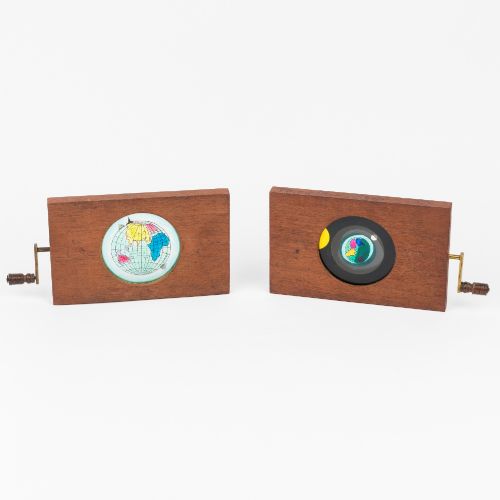
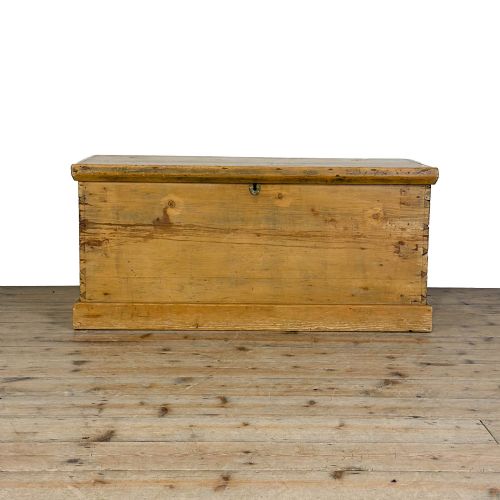
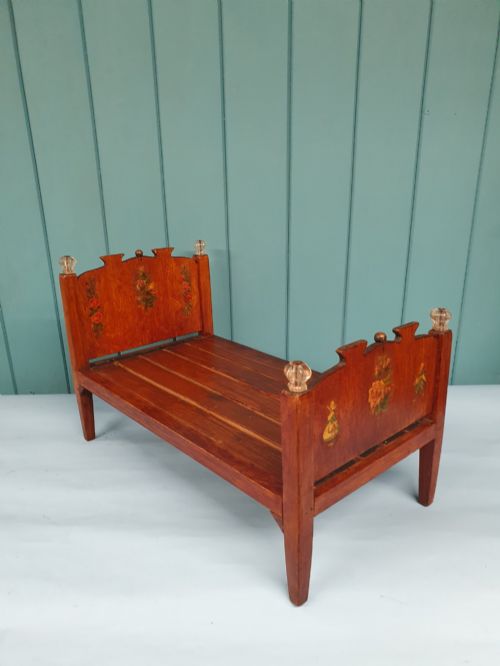
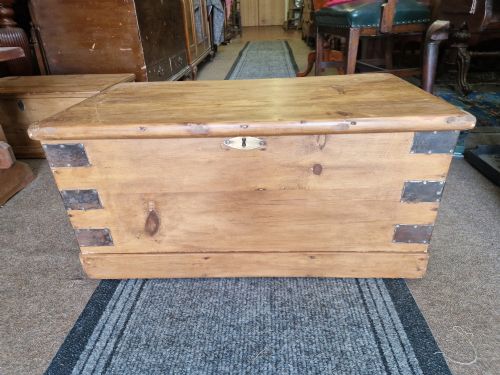
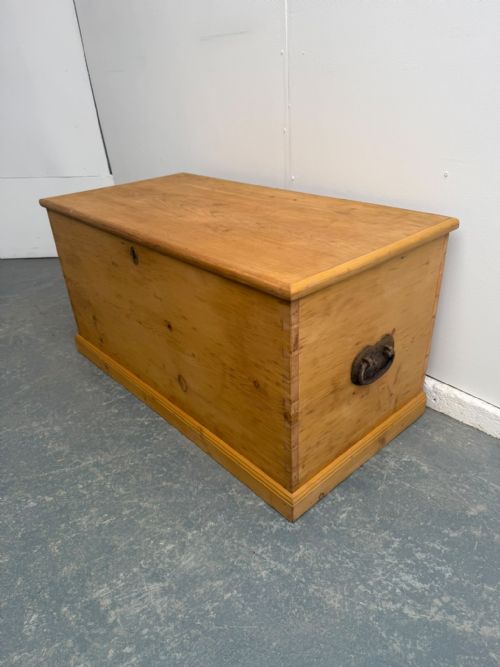
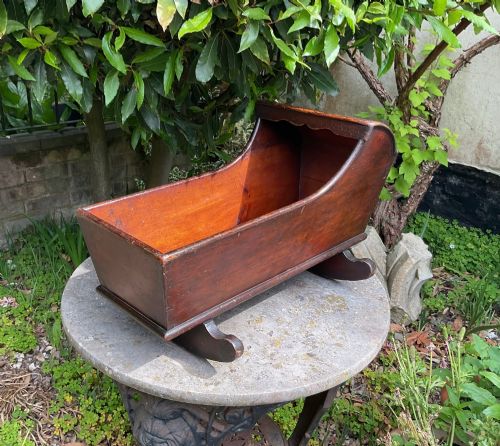
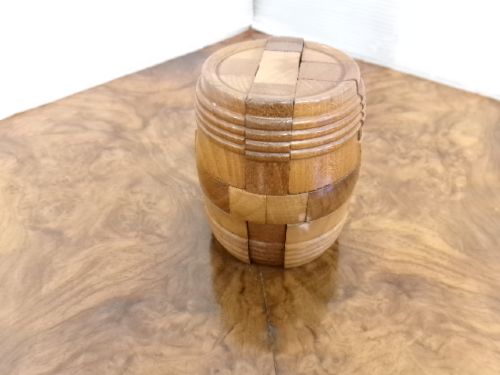
When you search for a victorian wooden toy, you encounter a varied selection of surviving playthings and miniatures from the nineteenth century and adjacent decades. The items on this page range from carved rocking horses and pull-along toys to miniature furniture, dolls' beds, and small storage chests.
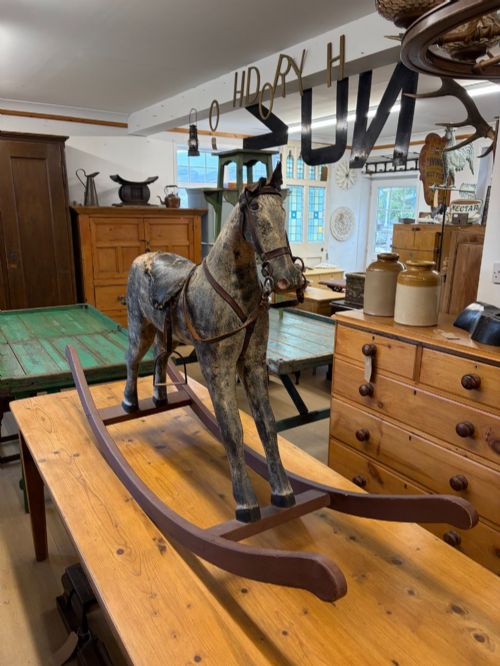
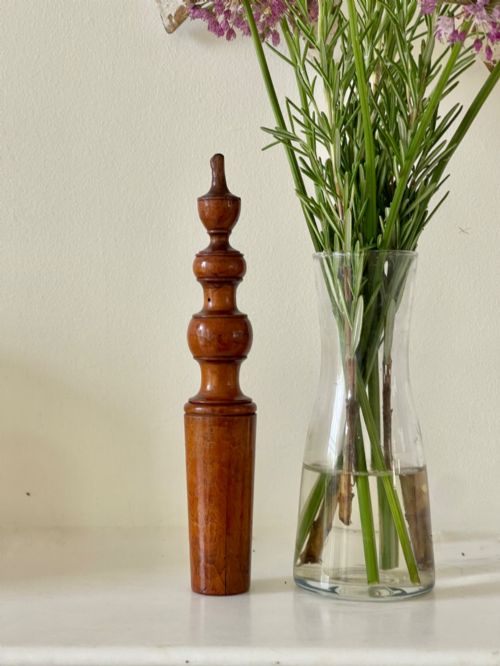
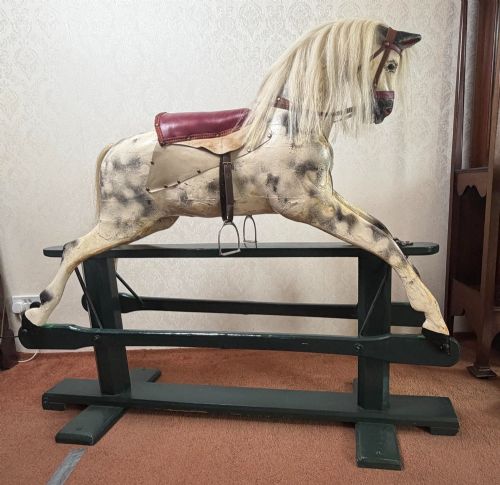
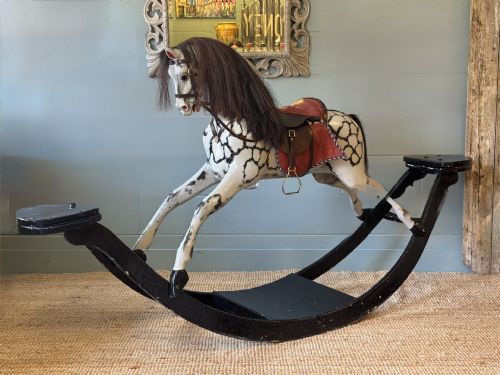
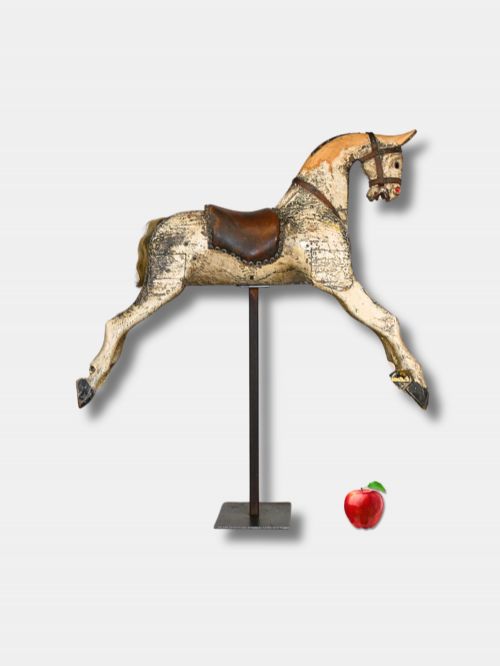
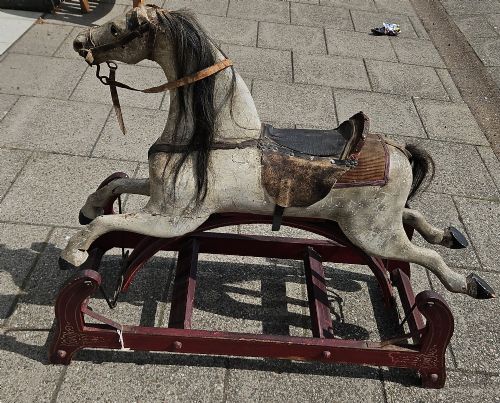
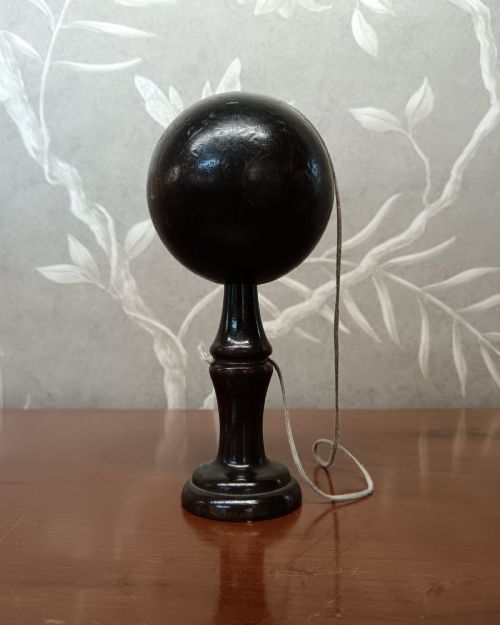
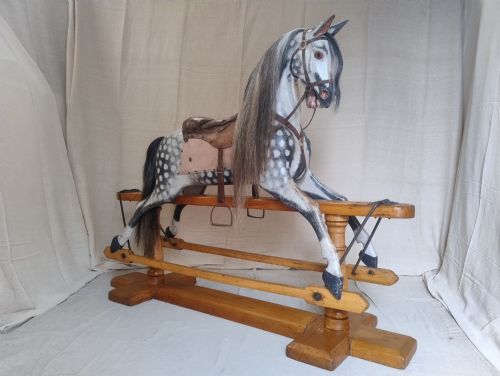
Rocking horses dominate the physical evidence, appearing in primitive forms, dappled finishes, and large sizes on stands or rockers. Alongside these larger pieces, you find smaller treen items such as rattles, cup and ball games, alphabet boxes, and painted toy horses.
The periods span the nineteenth century and extend into the early decades of the twentieth century, reflecting folk art traditions alongside commercial workshop production. Pine, horsehair, iron, and paint recur as the primary physical components across these objects.
How they were made
Makers utilised solid pine, elm, and other available woods, often shaping them with hand tools to create sturdy frames for daily use. Rocking horses incorporate leather for tack, horsehair for manes and tails, and iron or metal brackets for stability.
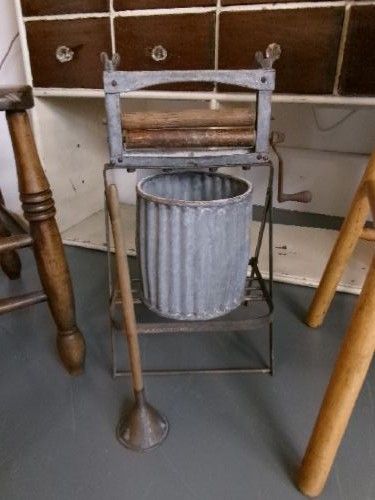
Surface treatments rely on wax finishes or original paint, preserving the hand-carved textures and naive details applied by nineteenth-century craftspeople. Metal components like brass and iron appear on miniature mangles, stands, and hardware.
Several toy horses retain their original horsehair manes and tails, having outlasted the generations of children who once brushed them.
What varies in quality
The distinction between ordinary and exceptional examples rests upon the survival of original surface finishes, such as early paintwork or patinated wax. Carving detail also sets pieces apart, moving from naive folk art interpretations to the structured output of established makers.
Structural integrity and the retention of original components, such as leather tack, horsehair manes, or iron stands, determine the overall character of a piece. Retaining legible makers' names or original boxes elevates the historical weight of smaller treen and alphabet sets.
G & J Lines·F.H.Ayres·Collinson
The Victorian Wooden Toy Glossary
- Treen
- Small handmade wooden objects for domestic or playful use. These items display the turned and carved skills of nineteenth-century woodworkers.
- Bilboquet
- A traditional ball and cup game. Players attempt to catch the attached ball in the wooden cup using hand-eye coordination.
- Mangle
- A mechanical laundry device with wooden rollers. Miniature versions served as children's toys imitating domestic labour.
- Mule chest
- A storage box featuring one or two drawers beneath the main compartment. This form bridges the gap between a blanket box and a chest of drawers.
- Primitive
- Describing objects made with basic tools and unpretentious methods. These pieces often possess a rustic charm distinct from factory production.
Victorian Wooden Toy: Frequently Asked Questions
What defines a victorian wooden toy?
A victorian wooden toy encompasses handmade and workshop-produced playthings created during the nineteenth century. These objects include carved rocking horses, treen games, miniature furniture, and pull-along animals.
Materials typically include pine, horsehair, iron, and early paint finishes. They reflect both domestic folk art traditions and the output of early toy manufacturers.
How were these toys used?
Children used these items for active play, imaginative storytelling, and learning alphabets or manual dexterity. Rocking horses and push-along toys encouraged physical movement, while miniature furniture and mangles imitated adult domestic tasks.
Smaller treen objects, such as rattles and cup-and-ball games, provided indoor amusement. Many survived because families stored them carefully or treated them as treasured keepsakes.
How do I date a wooden toy?
Dating relies on observing construction techniques, wood types, tool marks, and surface finishes like early paint or wax. Documentary evidence, such as makers' names stamped on alphabet boxes or associated with rocking horses, provides precise timelines.
Stylistic cues, including the transition from naive folk art to structured workshop production, help place pieces within the nineteenth or early twentieth century.
How should I care for antique wooden toys?
Keep wooden toys away from direct sunlight and fluctuating humidity to prevent the wood from drying out or cracking. Preserve original surfaces, including early paint and wax, by dusting gently with a dry cloth without applying modern chemical polishes.
Allow the natural patina to remain undisturbed. Proper environmental control ensures these nineteenth-century items survive intact for future generations.