

Antique Classical Statue
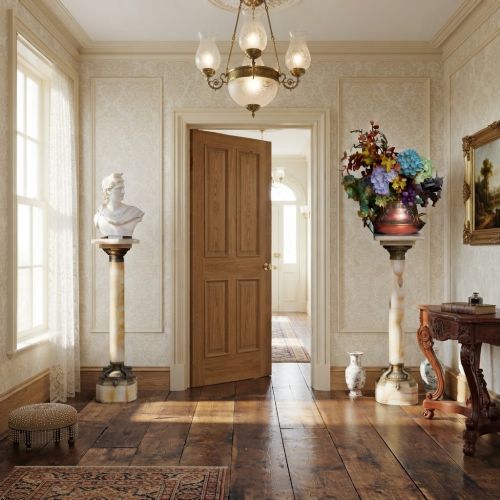
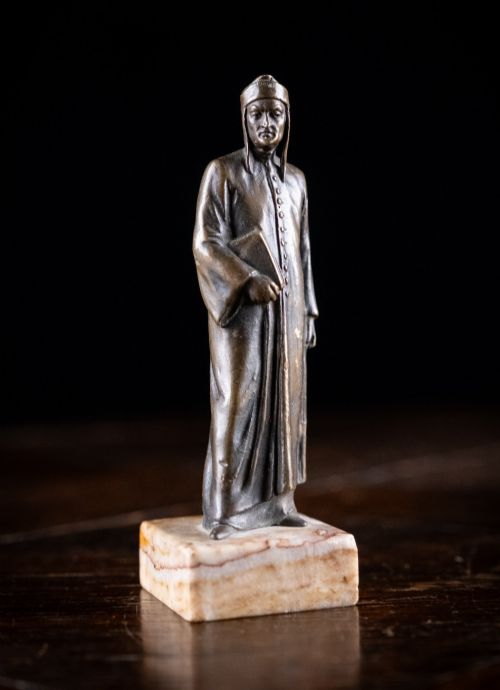
An antique classical statue distils antiquity and mythology into bronze and marble, bringing mythological figures and imperial portraits directly into a domestic interior.
Antique Classical Statue
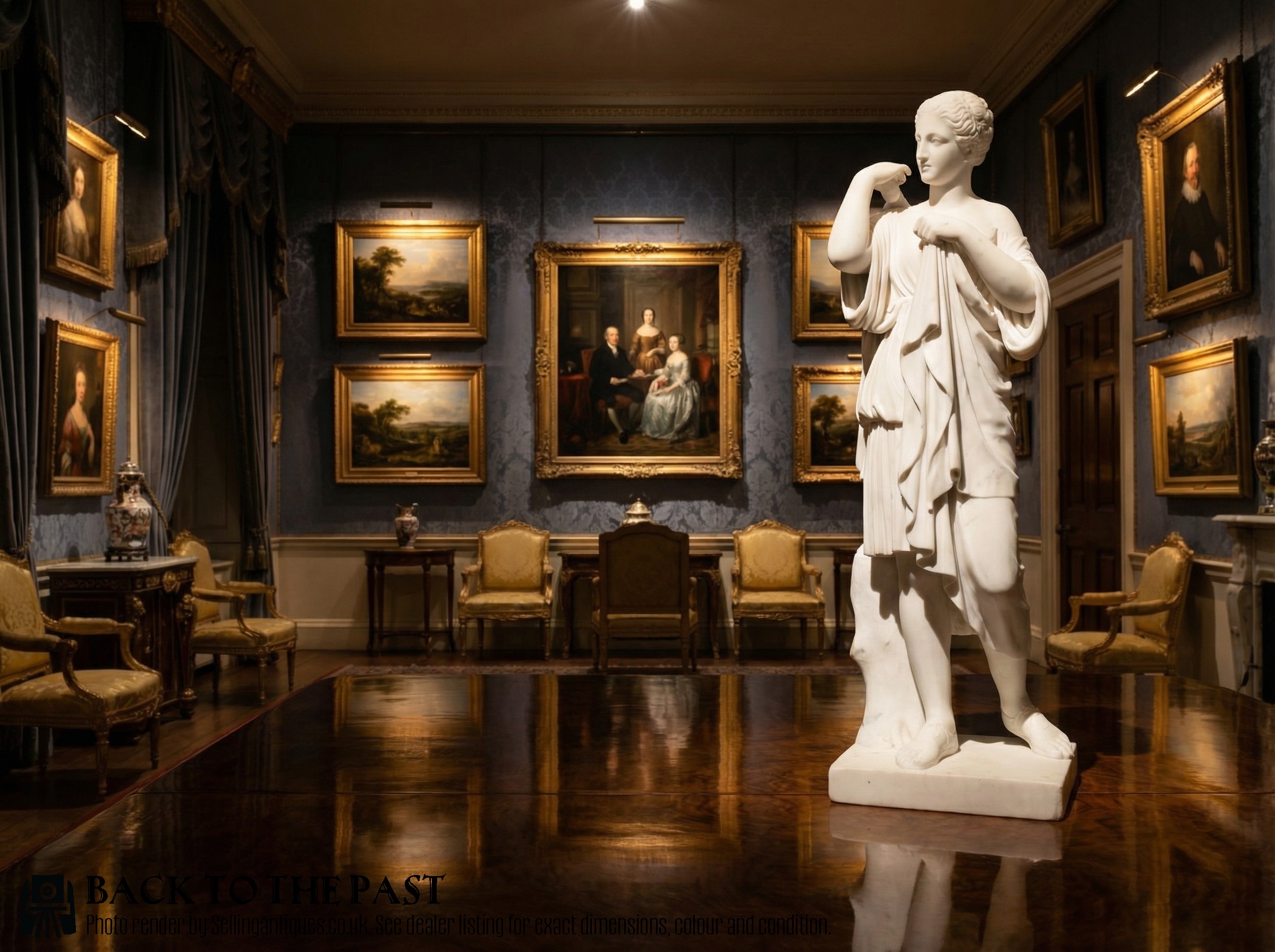
An antique classical statue draws on ancient Greek and Roman models, reinterpreted through 19th-century European craftsmanship, particularly French and Italian foundries and studios.
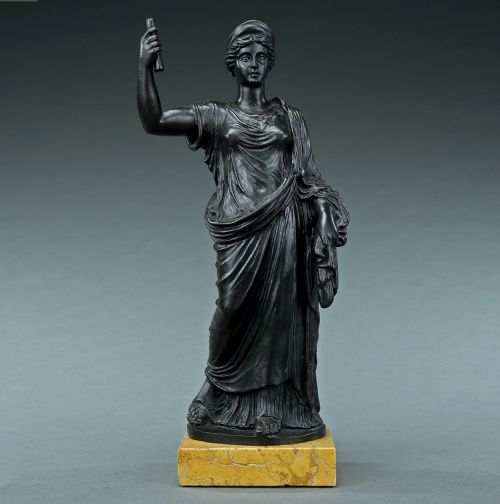
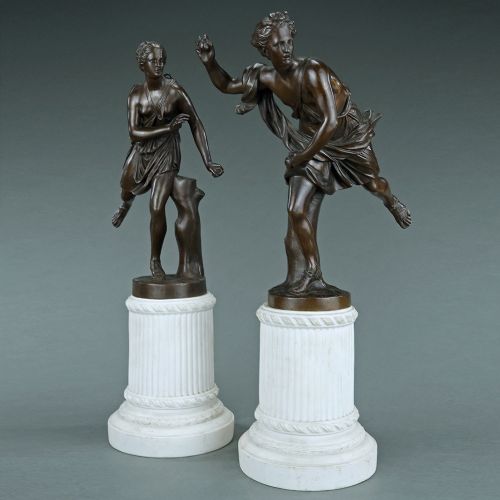
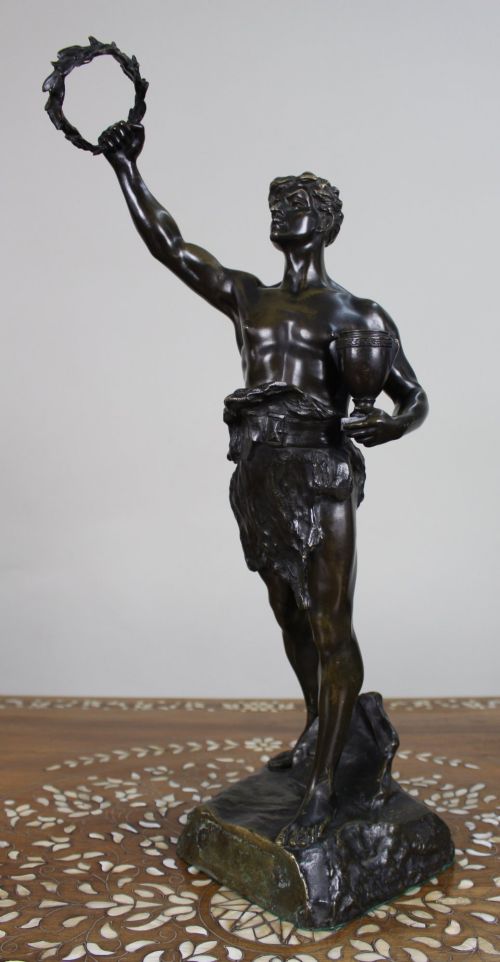
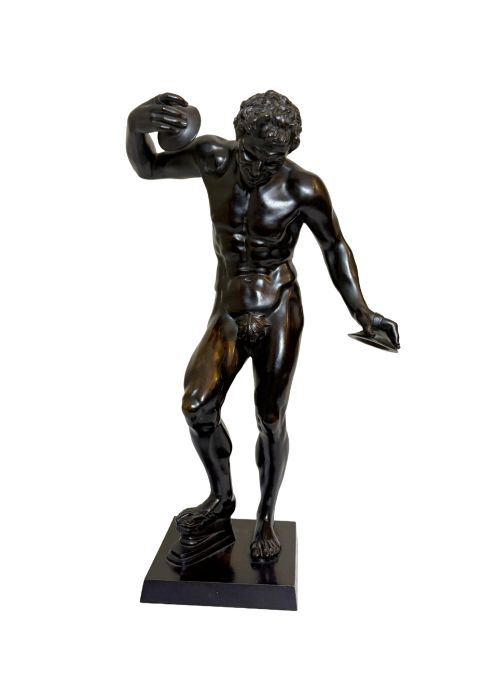
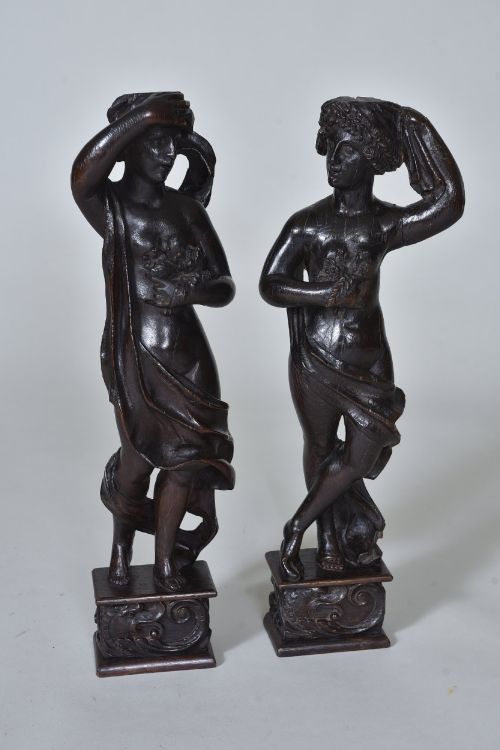
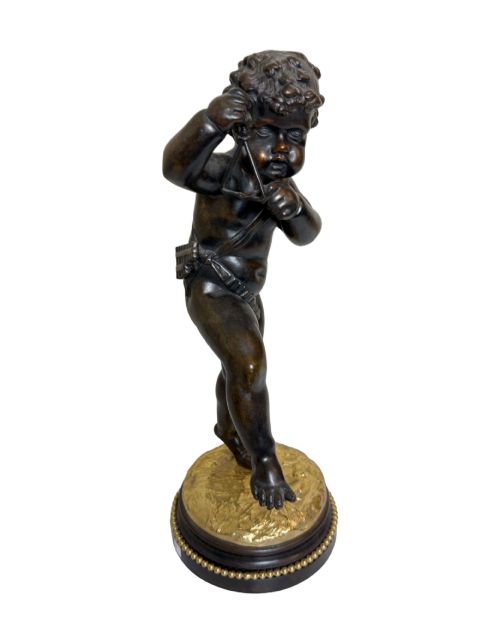
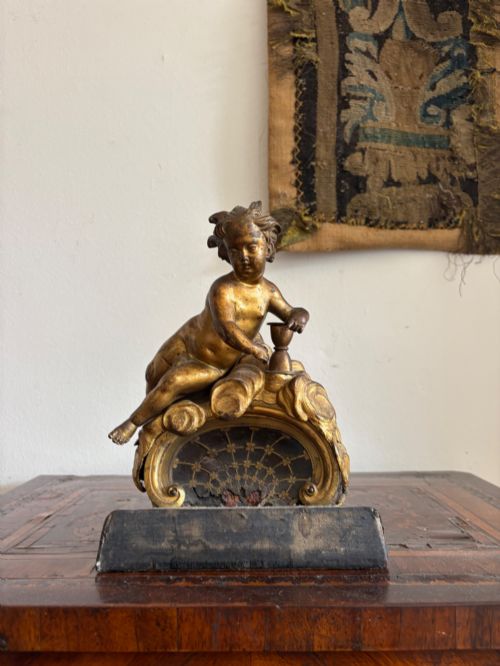
The most frequent examples on this page are Grand Tour bronzes and marble reductions of famous antiquities, alongside allegorical figures of maidens, putti, and mythological deities.
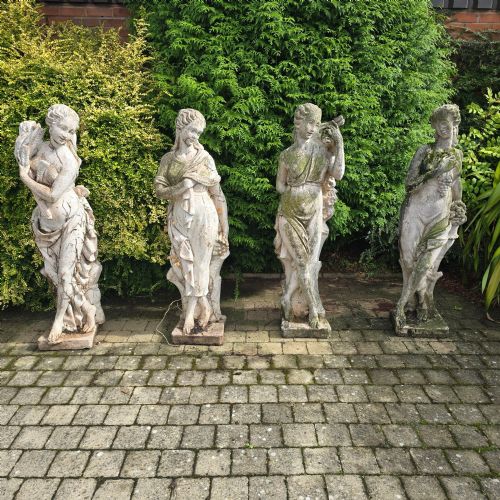
These works manifest in various forms, from cabinet-sized bronze figures and carved marble busts to monumental garden statues and pedestal-mounted groups.
How they were made
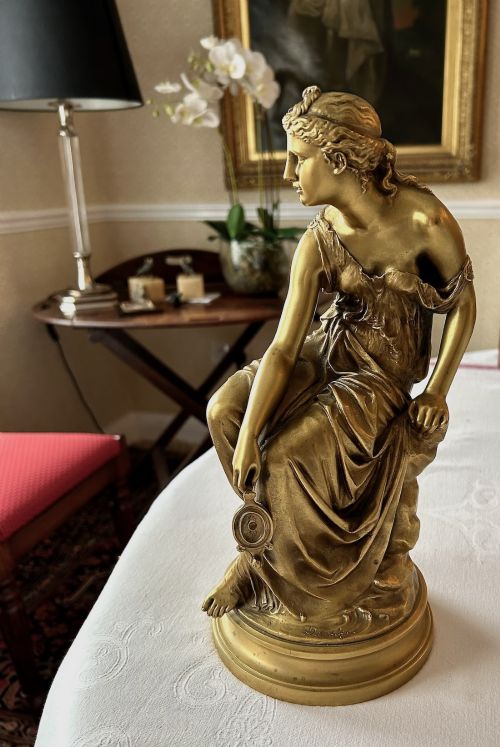
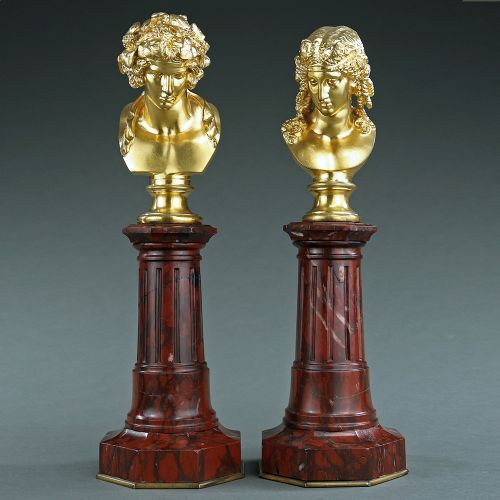
Foundries utilised the lost-wax method or sand casting to produce bronze sculptures, often finishing the metal with patination, cold painting, or gilding with ormolu.
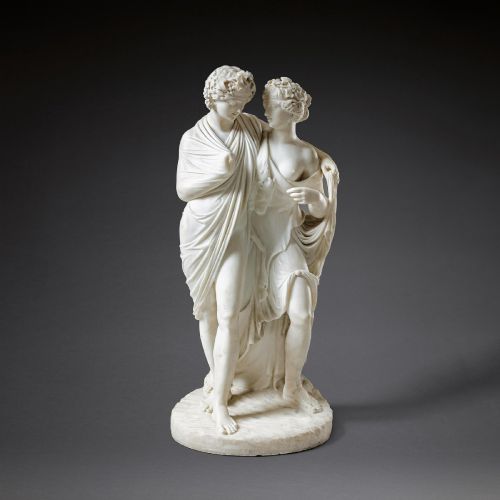
Marble works were hand-carved from solid blocks of Carrara marble, white marble, or Italian stone varieties, often following ancient prototypes or original academic sculptors' models.
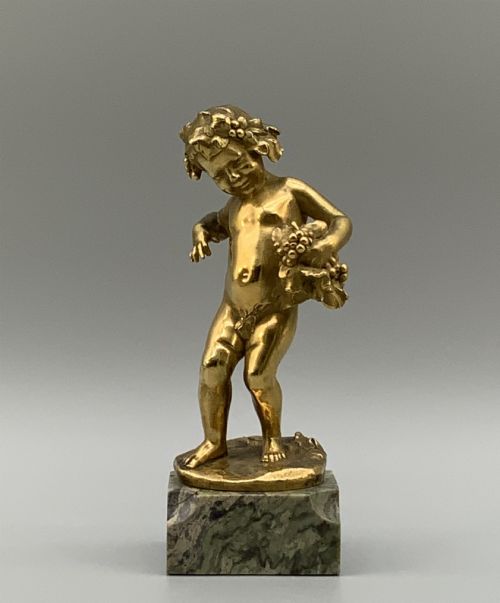
Even Bacchus occasionally needed a rest from the cymbals.
What varies in quality
The precision of the chisel work in marble and the crispness of the chasing in bronze distinguish superior castings and carvings from commercial reproductions.
Master founders and named sculptors achieved a depth of anatomical nuance and surface patination that lesser workshops missed.
Etienne-Henri Dumaige·Susse Freres·Ferdinand Barbedienne·Carlo Albacini·Pierre le Faguays·Moreau Family·E Rousseau·Minton
The Antique Classical Statue Glossary
- Grand Tour
- A traditional trip through Europe undertaken by upper-class young men in the 18th and 19th centuries, resulting in the acquisition of art souvenirs. These souvenirs form a large category of portable classical bronzes and marbles.
- Patination
- The chemical or natural surface treatment applied to bronze to alter its colour and tone. A well-maintained patina adds depth and protects the metal beneath.
- Ormolu
- Gilt bronze created by applying a finely ground high-carat gold mercury amalgam to a bronze object. It provides a bright golden surface frequently seen on mounts and decorative bases.
- Parian
- A fine-grained type of unglazed porcelain developed in the 19th century to imitate carved marble. It gained popularity for portrait busts and classical figure groups.
- Bust
- A sculpted representation of a person from the chest or shoulders up. These focus attention on facial expression and portraiture.
Antique Classical Statue: Frequently Asked Questions
What is a Grand Tour statue?
These pieces were acquired by travellers touring the cultural sites of Italy and France during the 19th century. They served as portable reminders of classical antiquity.
Foundries in Rome, Florence, and Paris produced reductions of famous museum sculptures specifically for this market.
How do I clean bronze?
Dust the surface regularly with a soft, dry brush to prevent dirt accumulation. Avoid using water, soap, or chemical polishes, which can strip the original patina.
Applying a light microcrystalline wax periodically helps protect the metal from atmospheric moisture.
Are these pieces solid bronze?
Many smaller sculptures are cast in solid bronze, while larger figures and groups are typically cast hollow to save weight and metal. Hollow casting was standard practice in major foundries.
Wall thickness and casting seams vary depending on the production method and the foundry.
Where were marble statues carved?
Primary production centres included Italian studios in Florence and Rome, where carvers specialised in reproducing antique forms. Carrara marble served as the favoured material for these workshops.
Sculptors also worked in French and British urban studios to meet Victorian demand for classical subjects.