
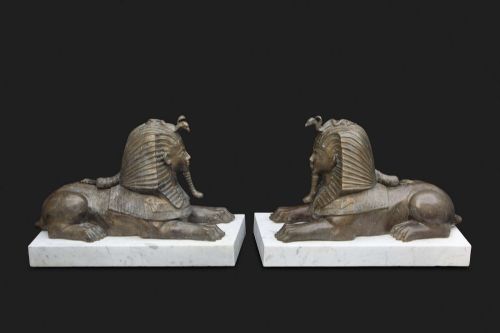


Carrara Marble Sculpture
A carrara marble sculpture brings the cool, luminous depth of Italian stone to a room through finely carved figures, busts and columns.
Carrara Marble Sculpture
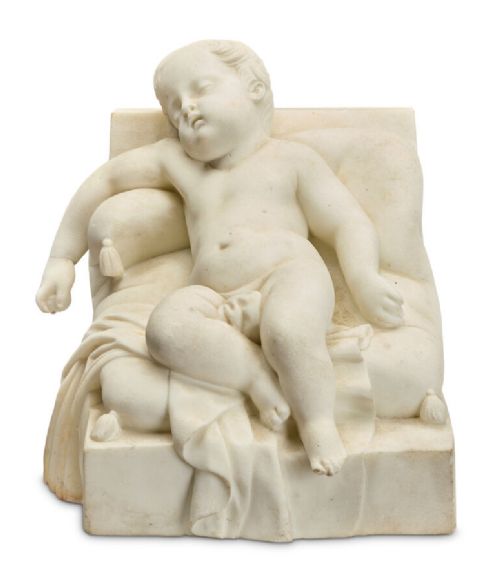
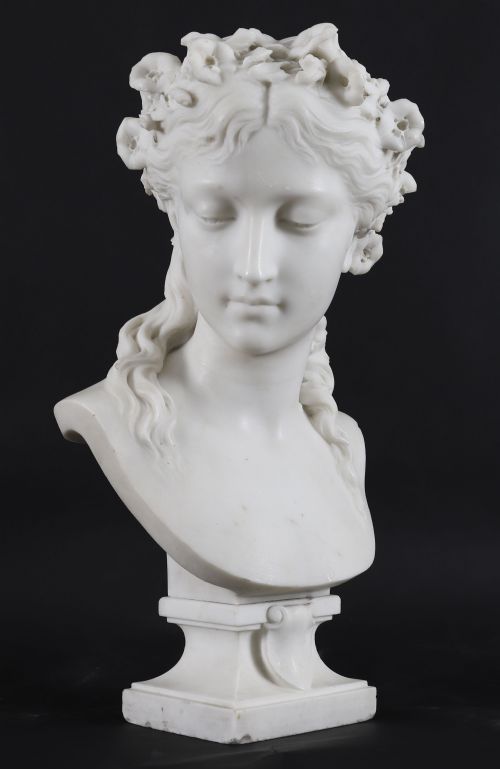
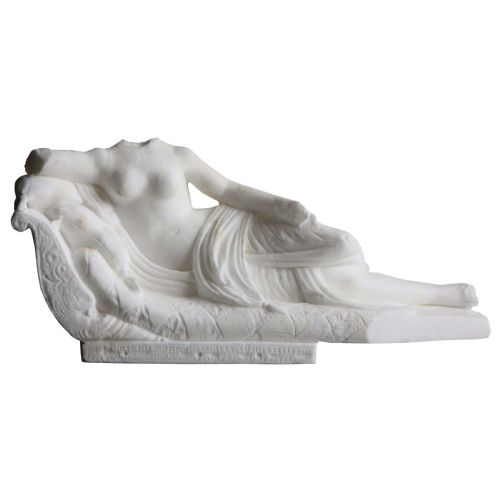
When you search for carrara marble sculpture, you encounter carved figures, portrait busts and architectural supports originating primarily from nineteenth-century Italy and France. The selection spans neoclassical depictions of sleeping putti and classical maidens alongside expressive portraiture.
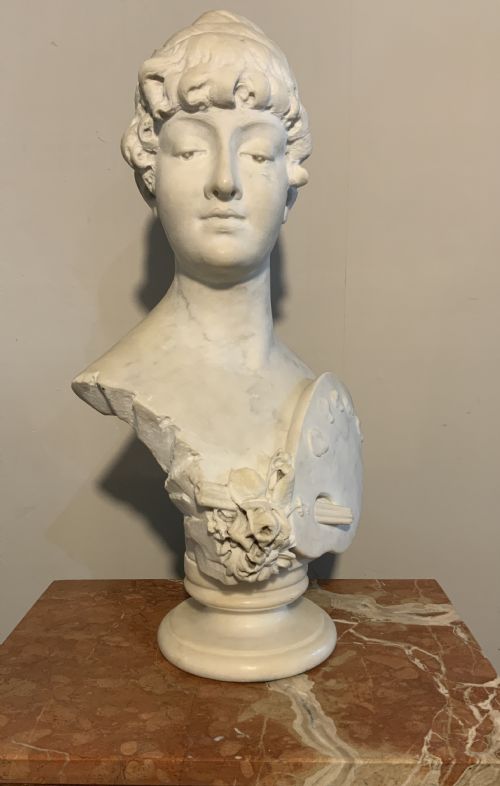
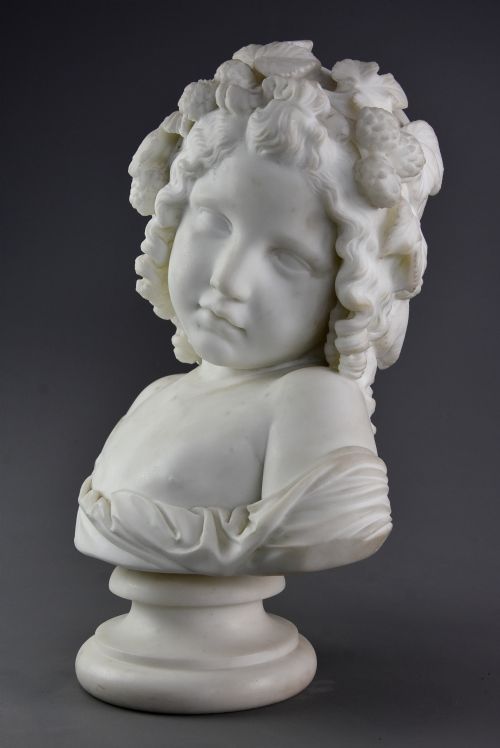
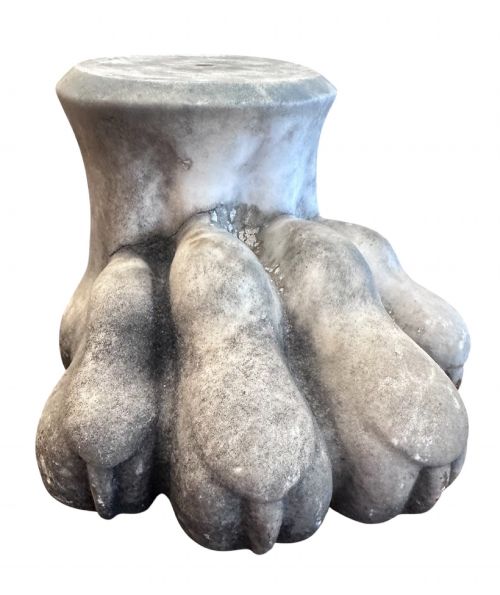
Most pieces you meet on this page take the form of detailed busts of young girls, veiled ladies and historical figures, often mounted on contrasting stone bases. Alongside these stand larger figural groups, pedestals and sculptural elements such as lions' paws.
The aesthetic draws heavily on classical antiquity, moving from nineteenth-century Italian neoclassical works to later Victorian interpretations and early twentieth-century expressions. These objects range from intimate tabletop carvings to monumental architectural pieces paired with bronze or coloured marble.
Markers of quality
Quality in a carrara marble sculpture rests upon the natural purity of the stone and the sensitivity of the carving. Superior examples display subtle anatomical transitions, clean undercut drapery and precise handling of facial expressions without mechanical stiffness.
The presence of a signature or attribution to a known sculptor elevates a piece, as does the integration of supplementary materials like multi-coloured marble bases, onyx elements or cast bronze components that complement the primary stone.
Carrara Marble Sculpture Retail Price Guide 2026
Typical asking prices for carrara marble sculpture among the pieces listed under this phrase on Sellingantiques today, from the lower quarter to the upper quarter. They describe what is for sale here now, not the wider market.
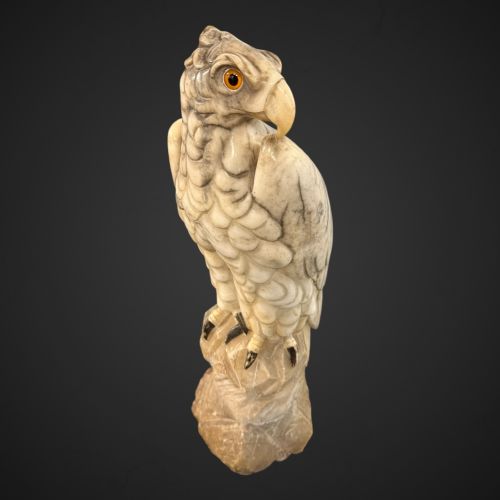
Listings feature nineteenth-century Italian and French works, spanning neoclassical busts, animal statues and carved marble torchere stands.
Houdon·Eugene Aizelin·Antonio Canova·Auguste Moreau·L Morelli
The Carrara Marble Sculpture Glossary
- Carrara marble
- A white or blue-grey marble quarried in the city of Carrara in Tuscany, prized since classical antiquity for its fine grain and luminous surface. It serves as the primary medium for the sculptures found in these listings.
- Neoclassical
- A Western cultural movement drawing inspiration from the art and culture of classical antiquity, prevalent in the eighteenth and nineteenth centuries. Sculptures in this style emphasise severe lines, mythological subjects and heroic forms.
- Putto
- A figure of a human infant, usually depicted as bald and winged, common in classical and renaissance art. In nineteenth-century sculpture, they frequently appear sleeping or playing among neoclassical motifs.
- Torchere
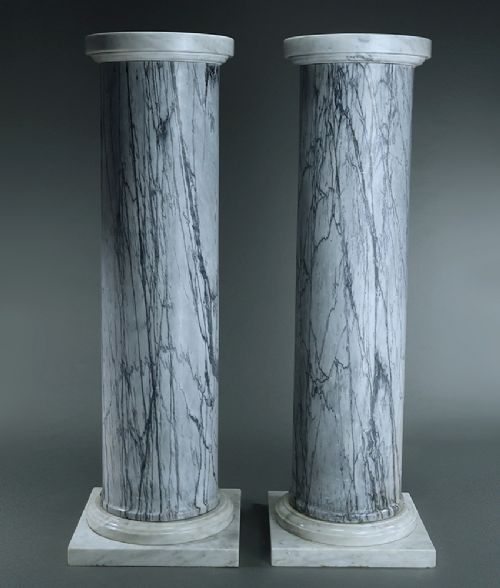
- A tall stand or pedestal originally designed to carry a torch or candelabrum. In stone, these take the form of slender columns used to elevate busts and smaller statues.
- Bardiglio
- A compact grey marble with darker veins, quarried in Tuscany and often paired with white Carrara marble in architectural columns and sculpture bases.
Carrara Marble Sculpture: Frequently Asked Questions
How do I clean a marble sculpture?
Dust the surface gently with a soft, dry microfibre cloth or a clean brush to remove everyday particles. Avoid using household detergents, acidic cleaners or excessive water, which can penetrate the porous stone and dull the finish.
For stubborn marks, consult a professional restorer rather than attempting chemical treatments. Protecting the stone from direct sunlight and sudden temperature changes helps preserve the original polish.
Are these sculptures made by hand?
The nineteenth-century pieces gathered here reflect traditional hand-carving techniques executed by skilled sculptors and workshop artisans. Master carvers used chisels, rasps and abrasives to shape the stone from solid blocks.
Signatures inscribed on the base or rear of certain pieces indicate individual authorship, while unsigned works still demonstrate the high level of individual hand-finishing characteristic of the period.
What is the difference between Carrara and other marbles?
Carrara marble is distinguished by its relatively uniform white or blue-grey background and fine, soft veining. This structure allows light to penetrate slightly beneath the surface, giving carved figures a lifelike glow.
Other stones seen here, such as Vert de Mer or Bardiglio, offer deep green or dark grey tones used deliberately for contrast in bases, plinths and columns.
How should I display a heavy marble bust?
Due to the substantial weight of solid stone, place your sculpture on a sturdy, level surface capable of supporting heavy loads. Dedicated stone pedestals, wooden columns or low console tables work well for elevation.
Ensure the piece sits evenly without risk of tipping, and keep it away from high-traffic household areas where accidental impacts might occur.