


French Bronze Animal Figurine
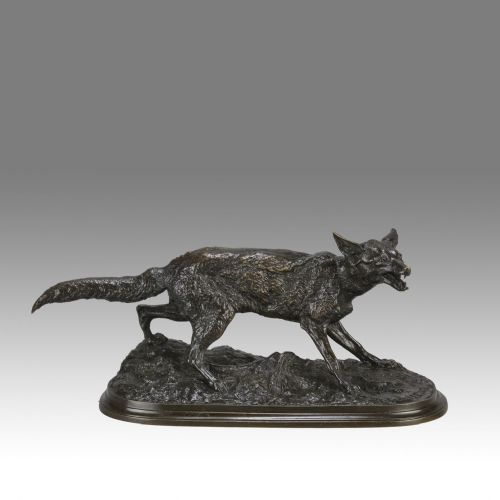
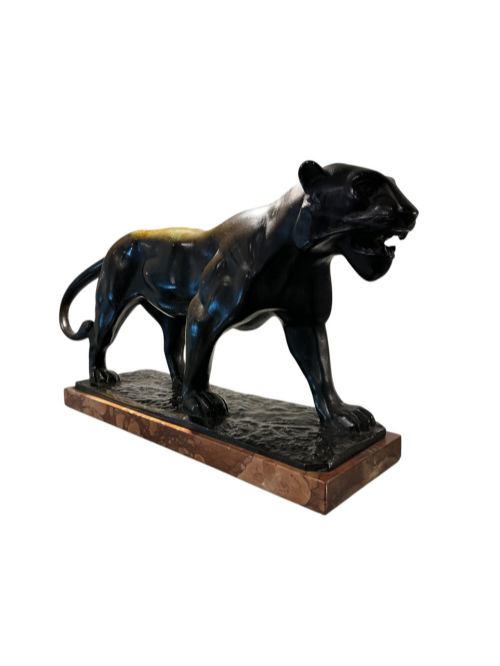
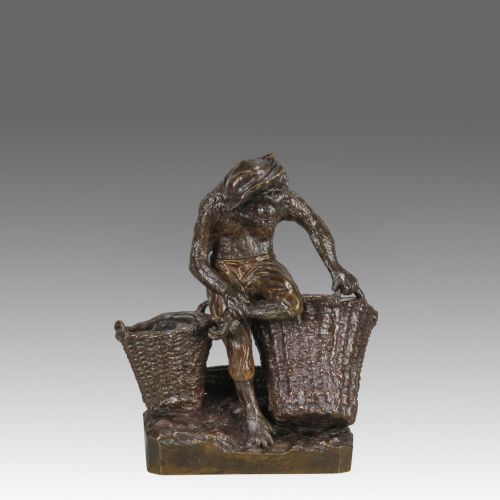
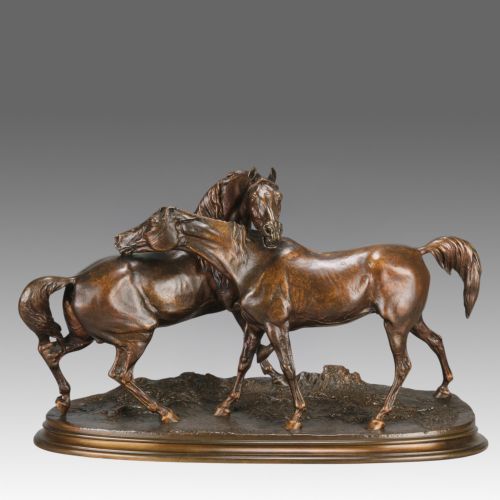
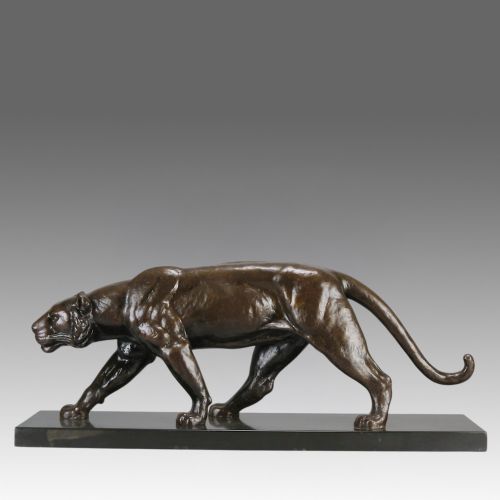
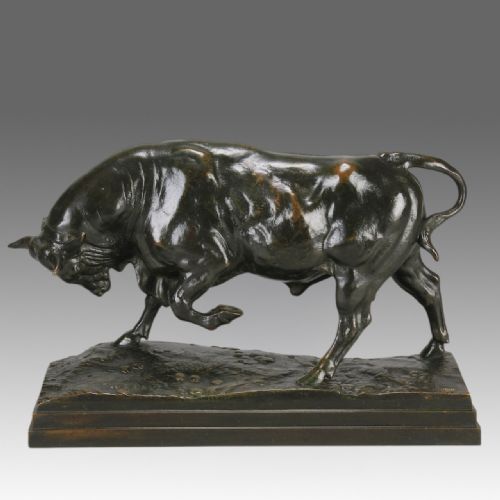
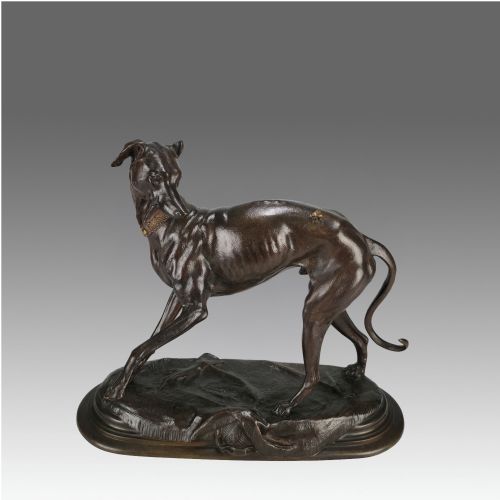
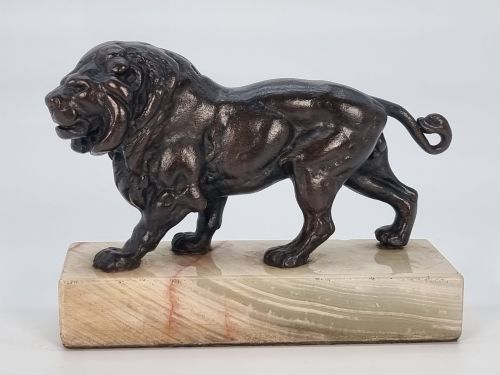
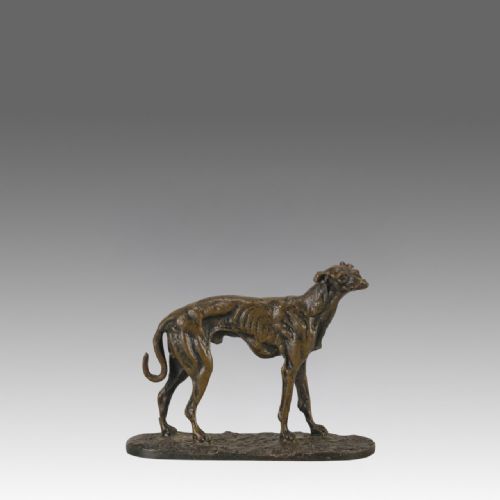
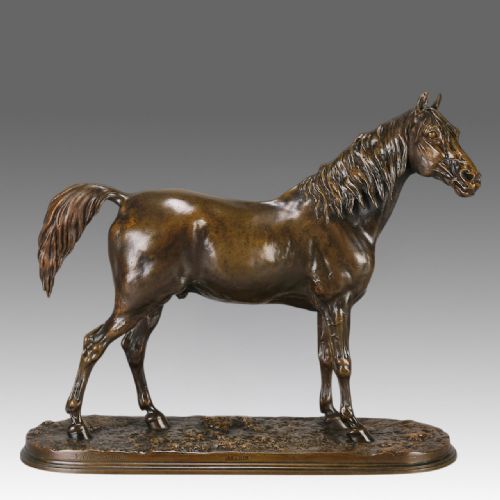
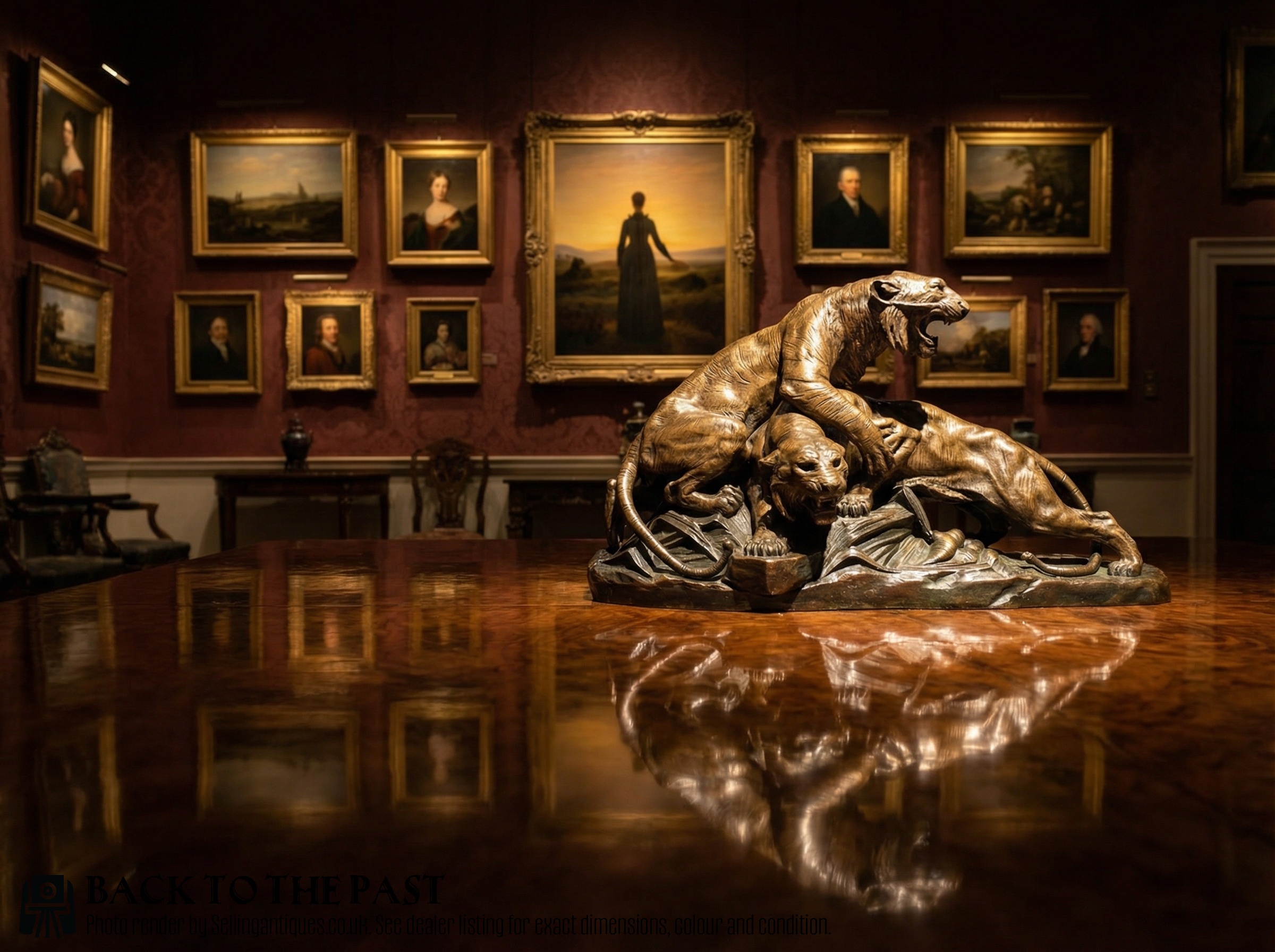
These pieces are a french bronze animal figurine, capturing the intense realism and motion of wildlife and domestic animals.

French Bronze Animal Figurine
A french bronze animal figurine captures the natural movement of creatures ranging from wild big cats to domestic hounds. These sculptures span the nineteenth century and the art deco period, recording beasts in moments of rest or predatory focus.
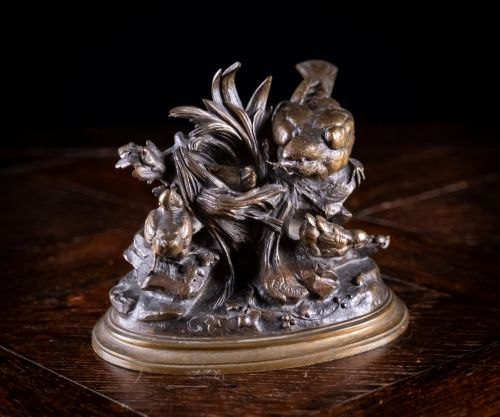
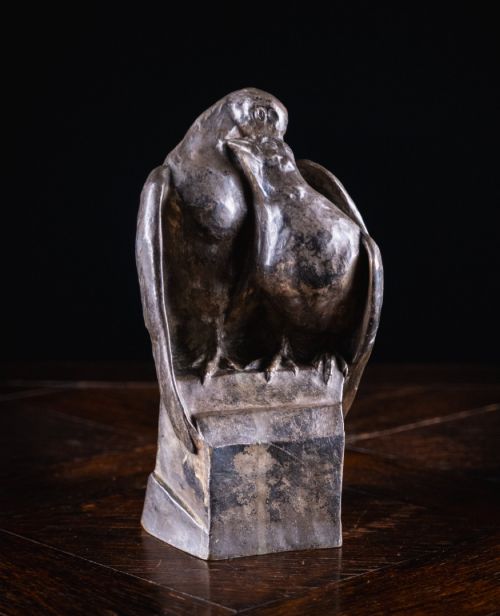
Makers of the animalier school dominate this selection, depicting subjects such as greyhounds, stags, bears and birds. Many rest upon integral bases of marble or onyx, grounding the metalwork in domestic display forms.
The objects vary from cabinet-sized studies to heavier mantelpiece sculptures. Works emerge from both nineteenth-century ateliers and later modernist workshops, reflecting evolving tastes in animal representation.
How They Were Made
Foundries utilised traditional metal-casting techniques to shape the molten alloy into complex biological forms. Artisans then applied chemical treatments to create dark patinas, or added layers of gilt bronze and ormolu.
Many figures are mounted upon heavy bases of marble, onyx or slate, secured via threaded pins beneath the stone. Some later twentieth-century examples employ spelter as a substitute for copper alloys.
French Bronze Animal Figurine Retail Price Guide 2026
Typical asking prices for french bronze animal figurine among the pieces listed under this phrase on Sellingantiques today, from the lower quarter to the upper quarter. They describe what is for sale here now, not the wider market.
Listings feature works from the nineteenth century through the art deco era, utilising bronze, patinated bronze, spelter and marble.
What Varies in Quality
The quality of the foundational stone base and the richness of the applied patina dictate the overall presence of the sculpture. Skilled chasing work after the cast removes seams and restores naturalistic skin and feather textures.
P J Mêne·Christophe Fratin·Alexandre Ouline·Antoine Louis Barye·Alfred Barye·Alfred Dubucand·Prosper Lecourtier·Victor Peter·Louis Riche·Isadore Bonheur·Paul Edouard Delabriere·Clovis Masson·Auguste Nicholas Cain·Jules Moigniez
The French Bronze Animal Figurine Glossary
- Animalier
- A nineteenth-century artistic movement dedicated to the realistic sculpture of animals. Practitioners focused heavily on anatomical accuracy and dynamic tension.
- Patina
- The surface coloration and sheen developed through age or chemical treatment. This finish protects the metal and defines the shadows of the fur.
- Spelter
- A zinc alloy commonly utilised as a substitute for bronze during the art deco period. It offers a lighter alternative for larger decorative figures.
- Ormolu
- Finely ground gold cast and mercury-gilded onto a bronze object. This technique imparts a brilliant yellow sheen to decorative highlights.
- Chasing
- The manual refinement of a raw metal casting using hammers and punches. Artisans use this step to sharpen details and eliminate casting flaws.
French Bronze Animal Figurine: Frequently Asked Questions
Were these figures signed by artists?
Many nineteenth-century animalier sculptures bear foundry stamps or cast signatures along the edge of the base. These signatures indicate the designer responsible for the original model.
Unsigned pieces remain common, often representing later studio editions or smaller workshops. Examining the clarity of the signature helps determine the piece's authenticity.
What is the difference between bronze and spelter?
Bronze is a heavy alloy of copper and tin that sustains sharp detail and develops a stable historical surface. Spelter uses zinc, which feels lighter and tends to crack under heavy stress.
Art deco figures frequently utilised spelter as an affordable alternative. Inspecting the underside reveals the duller grey metal typical of zinc compositions.
How were marble bases attached?
Sculptures were typically secured to stone bases using threaded bolts extending through the marble into the underside of the animal's feet. These attachments provide stability for heavy metal compositions.
Check that the bolt remains firm without excess wobble. Original mounts match the period of the cast and show appropriate wear.