
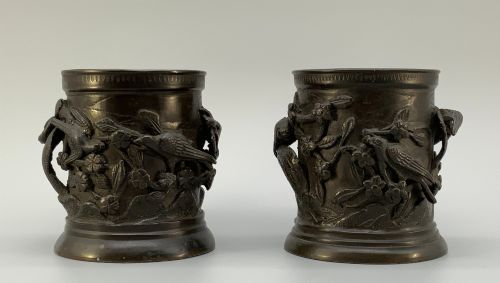
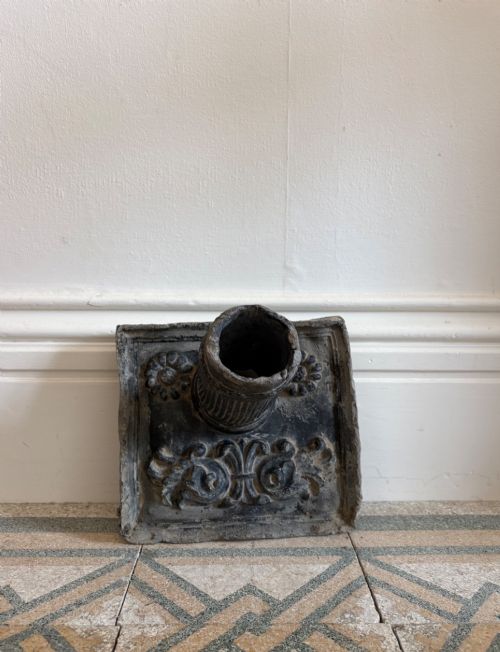
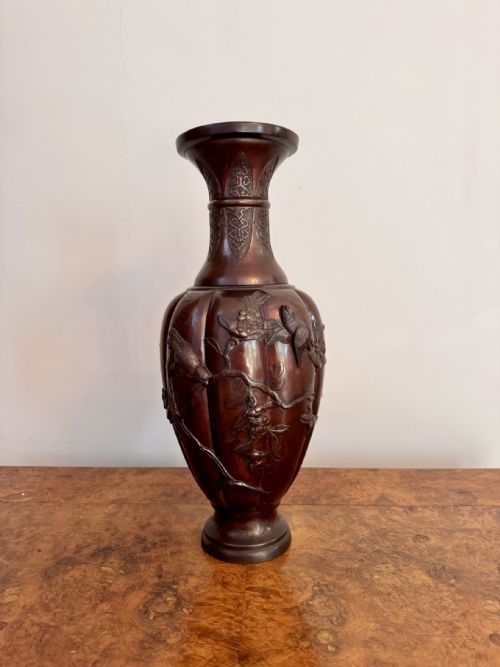
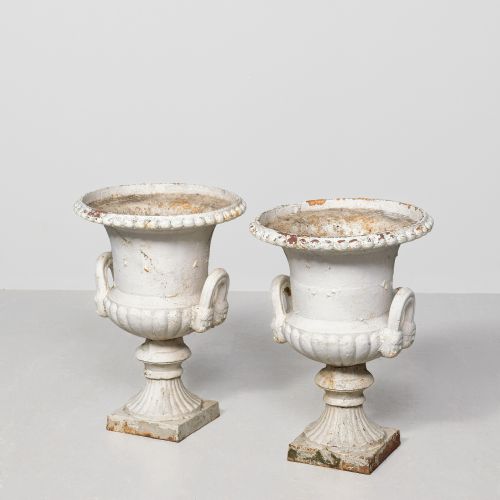

Decorative Metal Planter
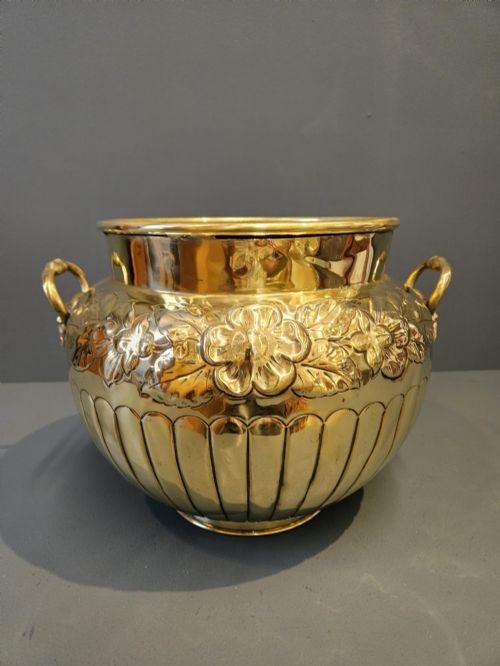
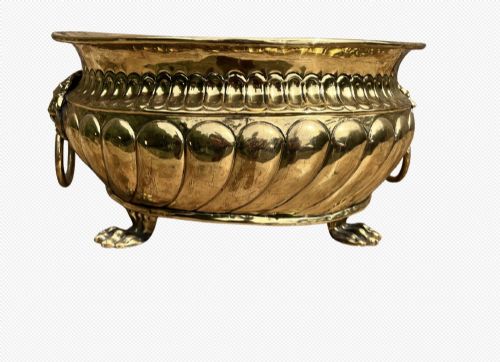
When you search for a decorative metal planter, you find vessels formed in brass, cast iron, bronze, and copper designed to hold greenery.
Decorative Metal Planter
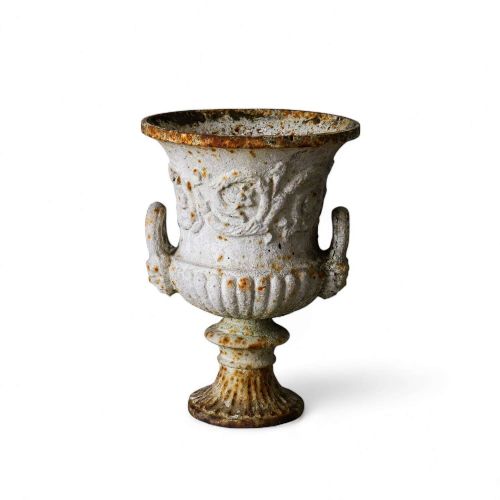
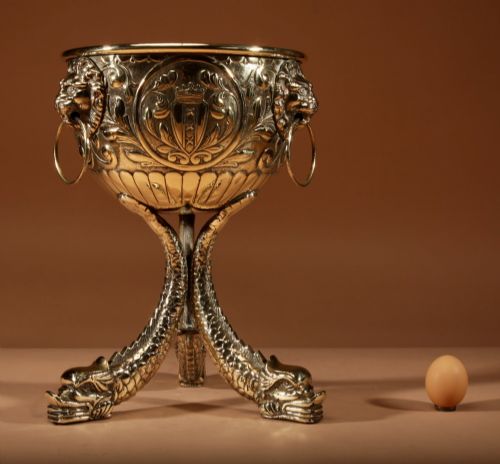
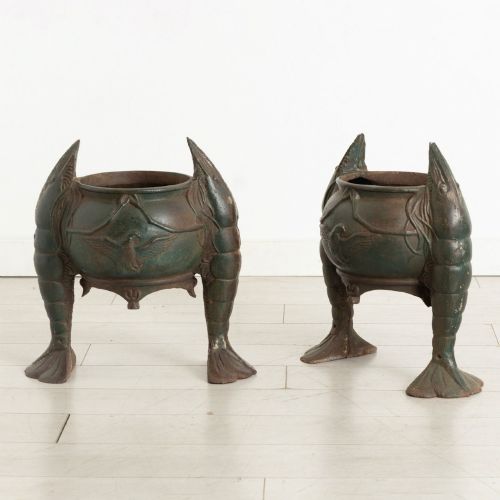
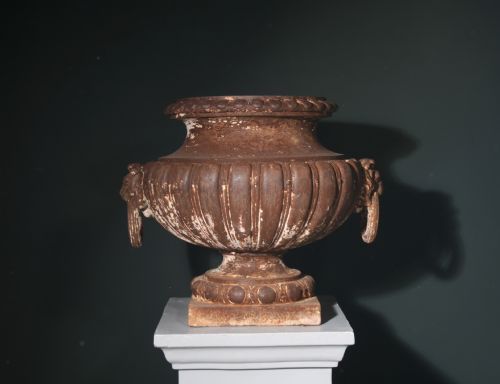
A decorative metal planter takes various forms, most commonly appearing as cast iron garden urns, brass jardinieres, and copper vessels.
The selections span the Victorian, Georgian, and Edwardian periods, alongside pieces originating from Japanese Meiji and Qing Dynasty traditions.
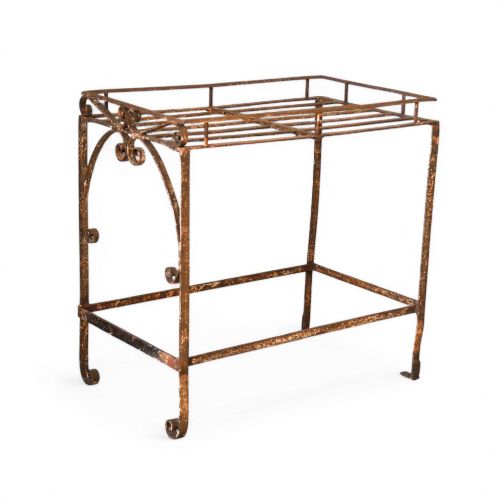
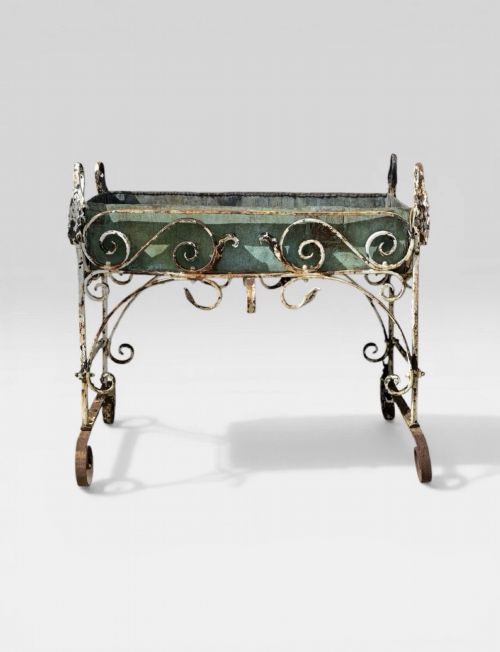
Forms include campana urns, tazza urns, tall plant stands, and cylindrical jardiniere vessels meant for both interior display and garden patios.
How They Were Made
Foundries shaped heavy metals like cast iron into classical urns, sometimes utilising specific makers such as the Val d'Osne foundry.
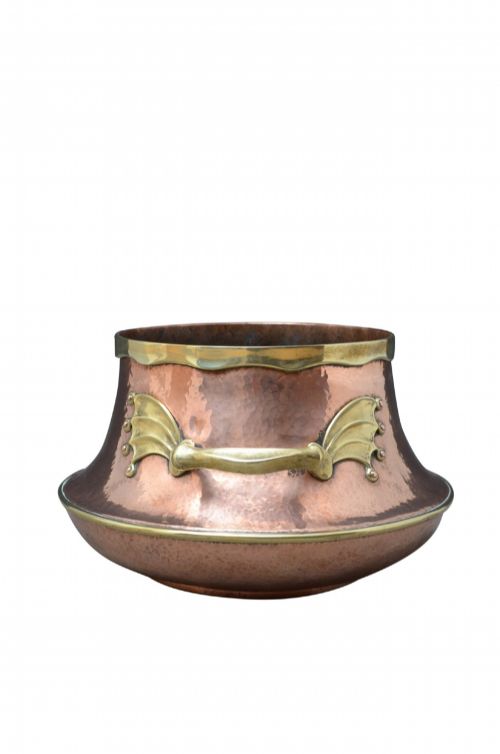
Workers hammered, embossed, and pierced sheet brass and copper to create decorative jardiniere bodies, often applying dinanderie techniques.
Surface finishes include original distressed paint, patinated bronze, and applied ormolu mounts on wooden structures.
Listings feature items cast, forged, and beaten in brass, cast iron, bronze, copper, and wrought iron across the Victorian, Georgian, and Edwardian periods.
What Varies in Quality
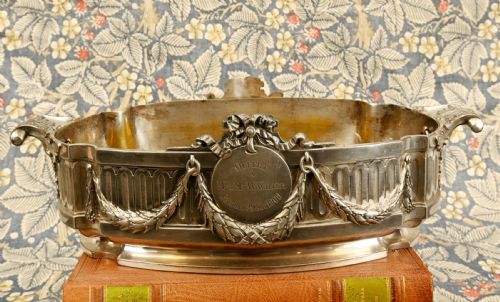
The crispness of detail in cast elements, such as acanthus leaf motifs and classical figures, distinguishes finer pieces from simpler utilitarian vessels.
The weight and gauge of the metal determine the integrity of the planter, with heavier cast iron and substantial hammered copper showing superior construction.
Val d'Osne Foundry·Andrew Handyside
The Decorative Metal Planter Glossary
- Campana
- A bell-shaped garden urn style popular in classical and Victorian design. It typically sits on a short stem above a square foot.
- Jardiniere
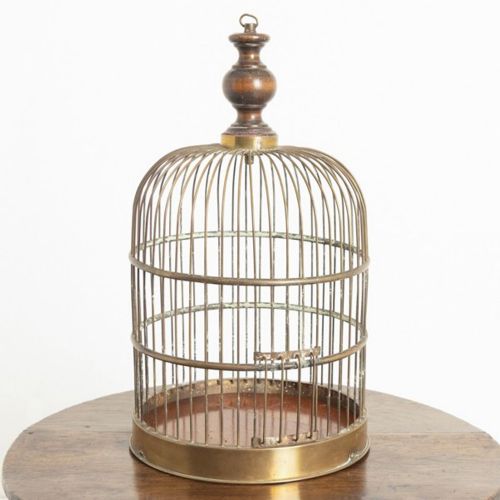
- An ornamental pot or stand designed to hold growing plants or flowers. These are frequently found in brass, copper, or ceramic.
- Dinanderie
- The medieval art of working brass and copper into decorative objects and vessels. Items are often embossed or cast with intricate patterns.
- Tazza
- A shallow saucer-like dish mounted on a stem and foot. In garden metalwork, these function as wide, open urns.
- Grand Tour
- A term for items acquired by travellers exploring continental Europe during the eighteenth and nineteenth centuries. These often draw on classical antiquity.
Decorative Metal Planter: Frequently Asked Questions
Where were these metal planters originally placed?
Garden urns and cast iron planters stood upon lawns, terraces, and along gravel paths to display formal planting. Lighter brass and copper jardinieres decorated interior rooms, conservatories, and antechambers.
Larger vessels often served practical roles in estates as water pump hoppers or log bins, adapting to domestic needs over time.
How do I care for cast iron outdoors?
Cast iron garden planters withstand outdoor exposure well, developing natural weathered surfaces and patinas over decades. Protecting them from standing water inside the bowl prevents freezing damage during harsh winters.
Applying occasional protective coatings helps maintain original distressed paint or surface finishes on pieces kept outside.
What is the difference between an urn and a jardiniere?
Urns generally feature a stemmed foot and a classical bell or trumpet shape, suited for permanent garden settings. Jardinieres tend to be flat-bottomed vessels designed primarily for holding potted plants inside homes or conservatories.
Both categories overlap in materials, with makers utilising cast iron for heavy urns and brass or copper for indoor jardinieres.
How do I identify a Victorian metal planter?
Victorian examples frequently display neoclassical revival motifs, such as acanthus leaves, classical figures, and heavy cast iron construction. The period also produced hammered copper and pierced brass pieces influenced by the Arts and Crafts movement.
Examining the weight, construction seams, and any foundry stamps helps place an item within the nineteenth century.