


Classical Garden Sculpture
Classical garden sculpture brings formal architectural presence to outdoor spaces, channelling antique forms from figures to lions.
Classical Garden Sculpture
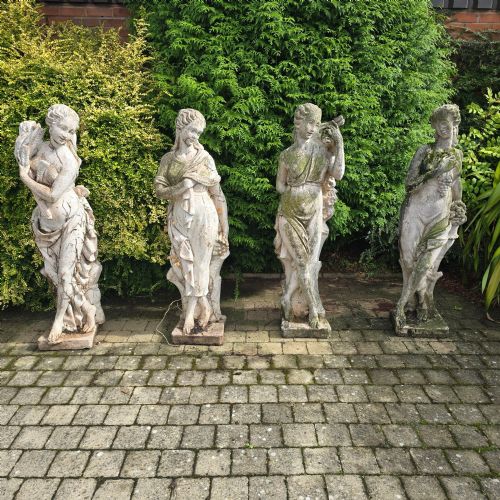
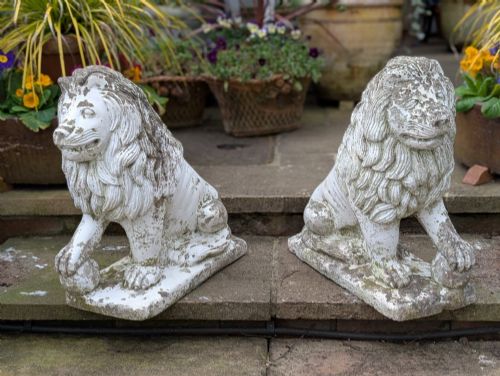
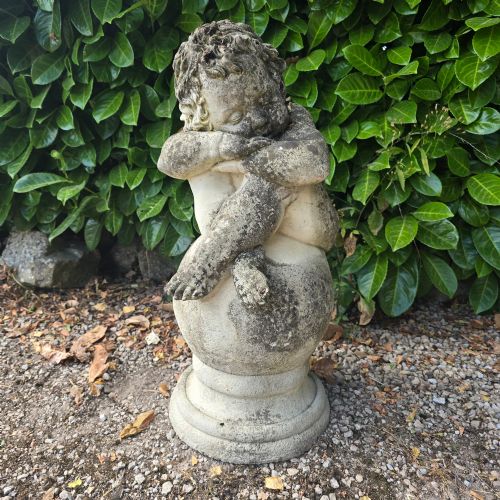
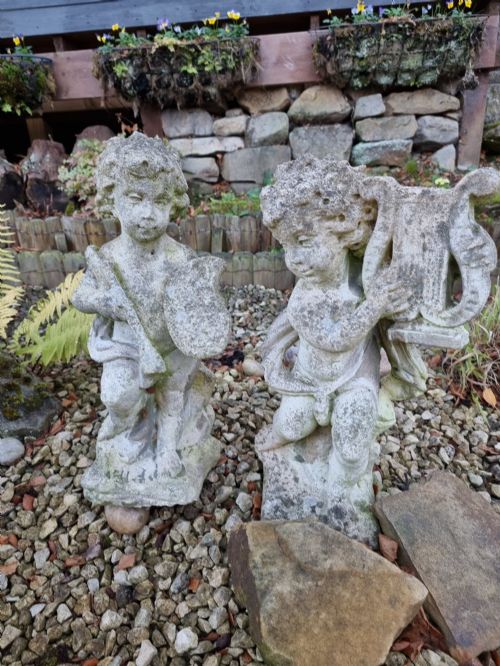
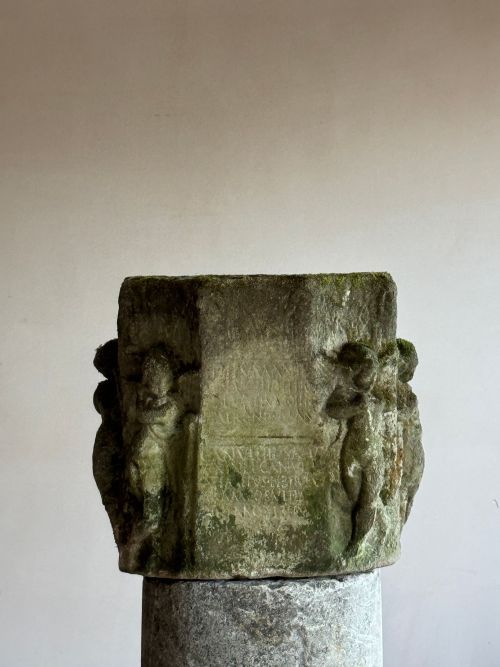
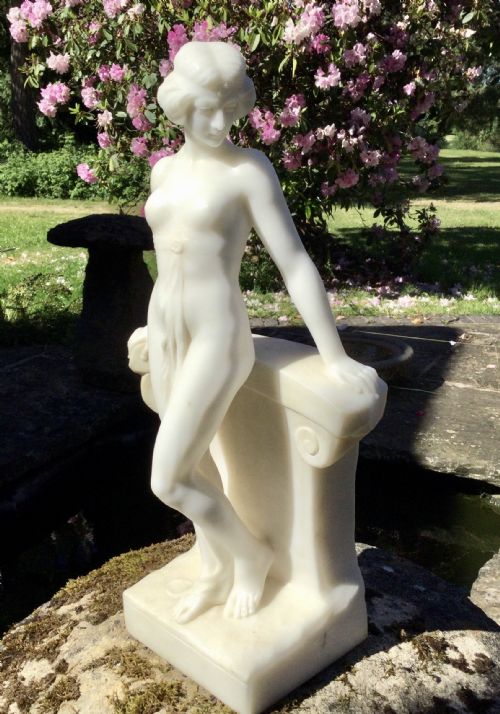
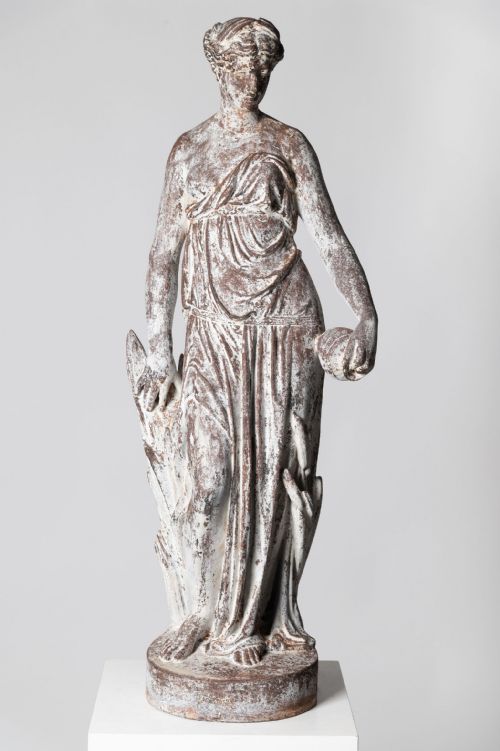
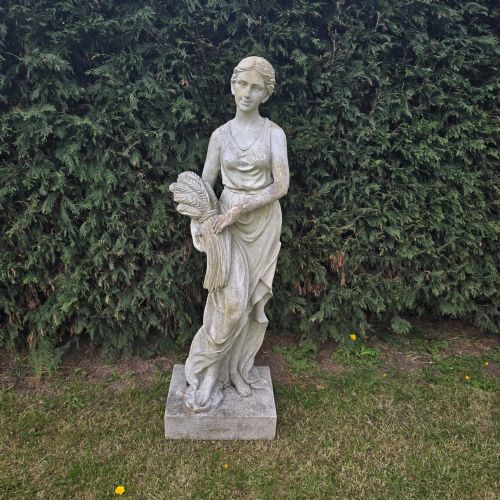
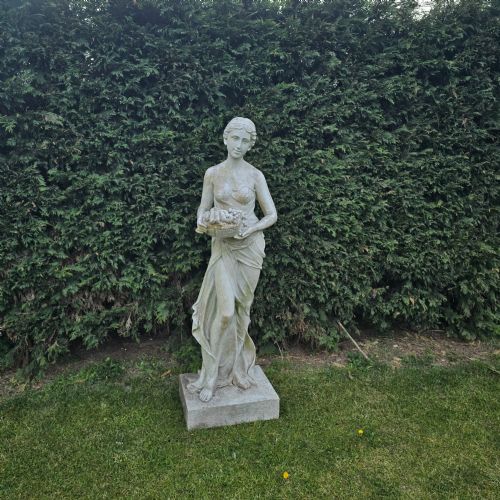
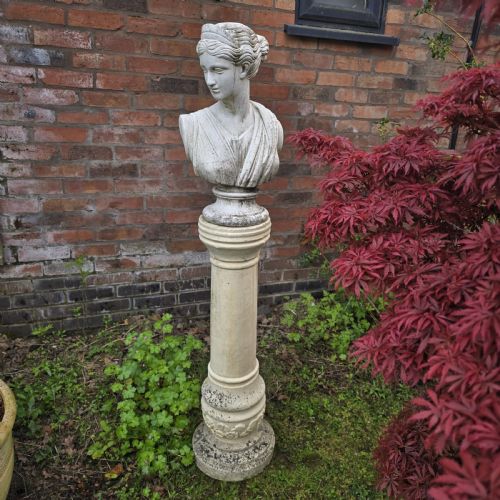
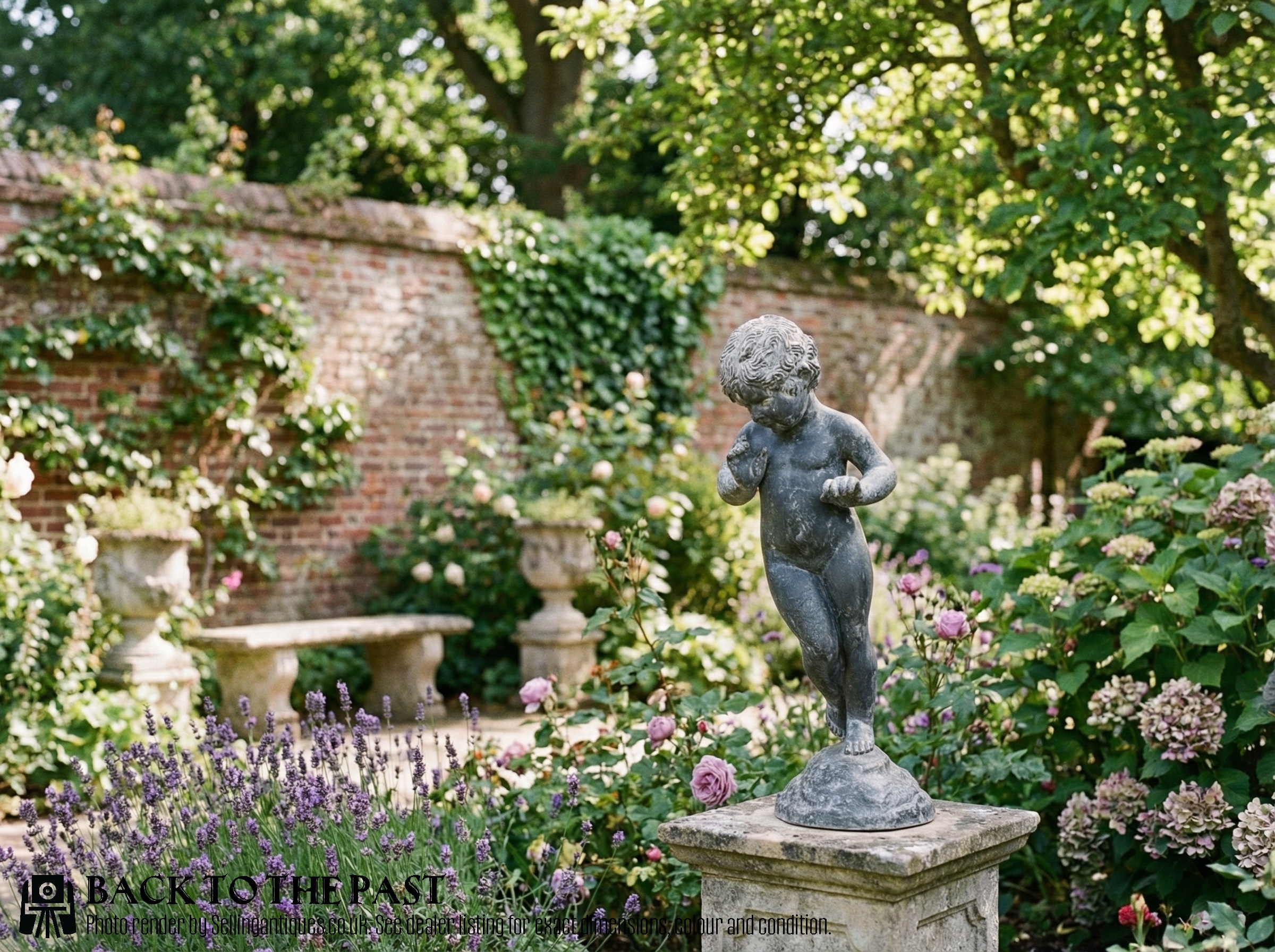
Classical garden sculpture encompasses figures, busts, animals, and architectural elements designed for placement in gardens and conservatories. These pieces draw heavily on historical motifs, ranging from life-sized allegorical figures like the Four Seasons to mythical beasts such as Medici lions and stone guardians.
Buyers searching this phrase will find a wide array of forms originating from various periods, predominantly the nineteenth and twentieth centuries. The selection includes grand Italian marble pieces, Victorian lead figures, and robust cast stone statues complete with matching pedestals.
The aesthetic is rooted in classical antiquity, interpreting Greek and Roman subjects for modern grounds and garden settings. Whether seeking a draped lady, a satyr musician, or a Roman funerary altar, the inventory reflects enduring traditions of monumental outdoor art.
What varies in quality
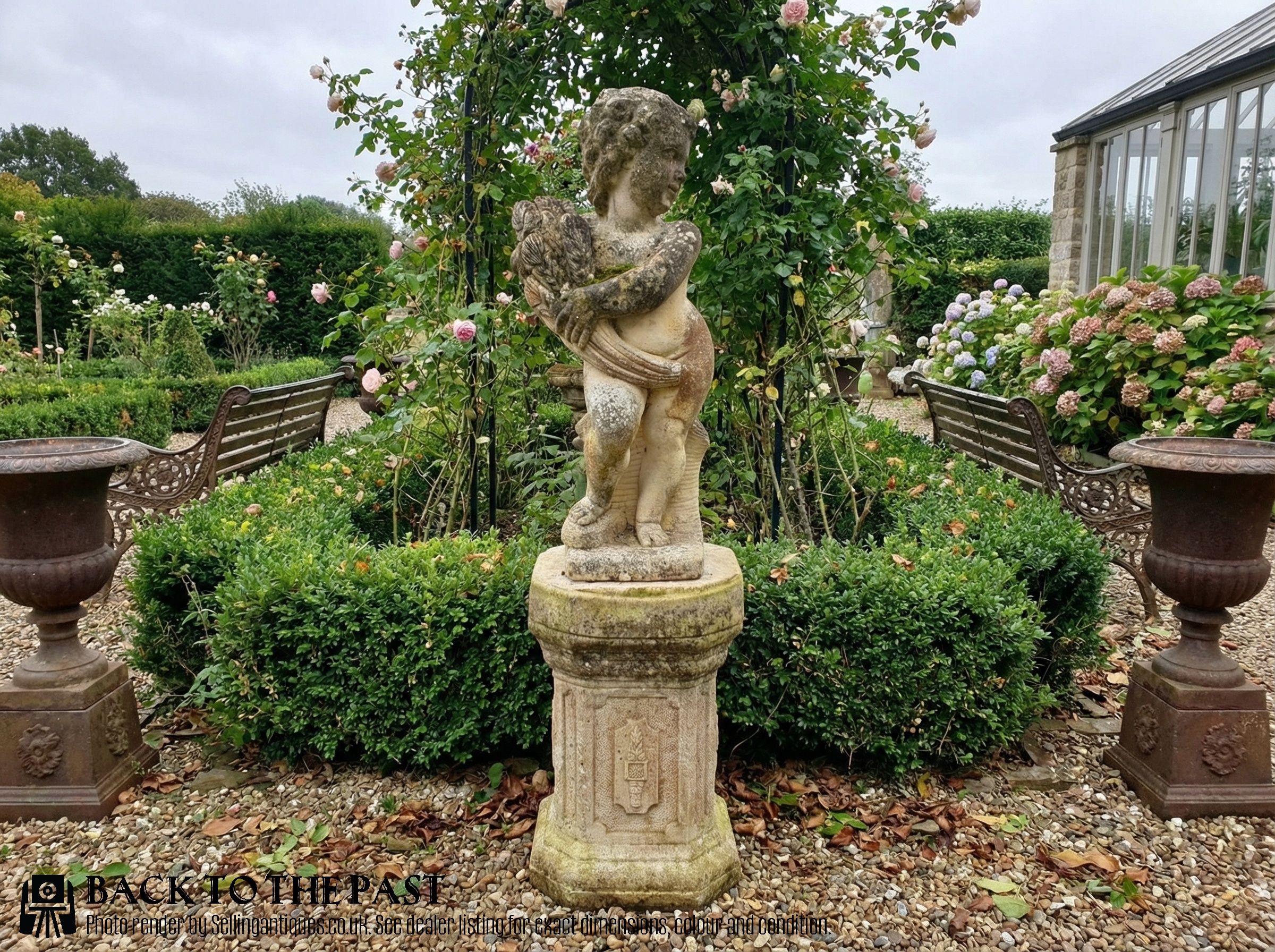
Quality rests upon the crispness of the carving or casting, where sharper anatomical details and well-defined drapery distinguish superior work from softer, worn reproductions. The handling of form determines whether a figure possesses genuine presence or appears stiff and generic.
Material choice and natural weathering significantly impact character, with dense marbles and patinated metals ageing gracefully over decades outdoors. The harmony between the sculpture and its original or period plinth further elevates the piece.
Classical Garden Sculpture Retail Price Guide 2026
Typical asking prices for classical garden sculpture among the pieces listed under this phrase on Sellingantiques today, from the lower quarter to the upper quarter. They describe what is for sale here now, not the wider market.
Object types recorded across the inventory include garden statues, architectural antiques, busts on plinths, and life-sized allegorical figures.
The Classical Garden Sculpture Glossary
- Plinth
- A heavy base or pedestal upon which a statue, bust, or urn is elevated. It lifts the sculpture off the ground to improve visibility and proportion in a garden setting.
- Reconstituted stone
- A composite material made from crushed stone and cement binder, moulded to replicate natural carved stone. It provides a durable alternative for garden statues and architectural ornaments.
- Medici lion
- A classical representation of a lion guarding a sphere, originating from ancient roman prototypes and famously replicated for the Villa Medici in Rome. Pairs of these beasts frequently flank garden entrances.
- Terracotta
- Fired clay moulded into sculptural or architectural forms. This earthy material yields warm tones and allows for expressive detailing in busts and figures.
- Carrara marble
- A fine white or blue-grey marble quarried in the city of Carrara in Tuscany, Italy. It is prized by sculptors for its uniform texture and subtle translucency.
Classical Garden Sculpture: Frequently Asked Questions
How do I care for stone sculptures outside?
Stone and marble sculptures tolerate outdoor exposure well, though harsh winter frosts can occasionally affect porous materials if moisture gets trapped.
Gentle washing with water helps remove biological growth without damaging the aged surface patina that develops over decades.
Can these sculptures stay outdoors in winter?
Most cast stone, reconstituted stone, and marble pieces remain outdoors year-round, as seen in traditional garden settings.
Protecting more vulnerable plaster or terracotta items by moving them indoors or under cover during freezing weather prevents cracking.
What is the difference between cast stone and carved marble?
Carved marble involves hand-chiseled natural stone shaped directly by a sculptor, resulting in unique details and high material cost.
Cast stone is formed by pouring aggregate mixtures into moulds, offering a reliable way to produce consistent classical statues.
How do I place a garden statue on a plinth?
Selecting a matching pedestal ensures the statue gains proper height and visual prominence along garden pathways or focal vistas.
Weight distribution matters, so heavier marble or cast iron figures require stable, level ground to prevent shifting.