

Antique Cherub Figure
An antique cherub figure captures mythological charm in bronze, marble, porcelain, or carved wood, bringing classical grace to any interior.
Antique Cherub Figure
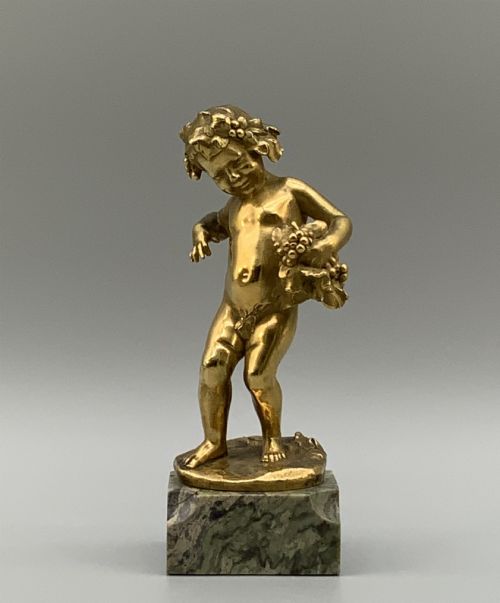
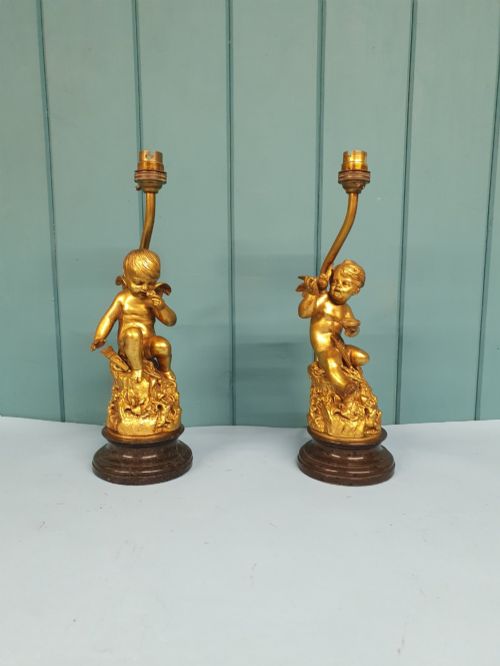
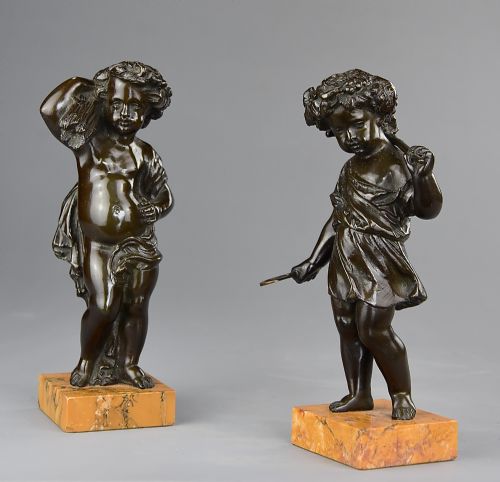
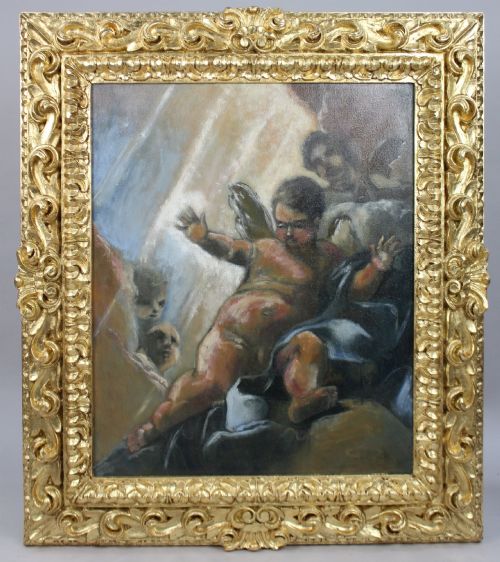
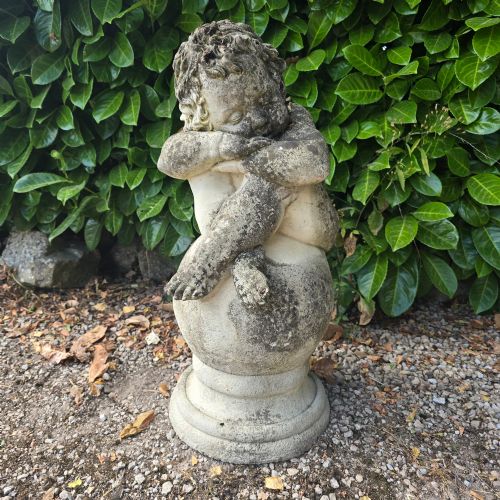
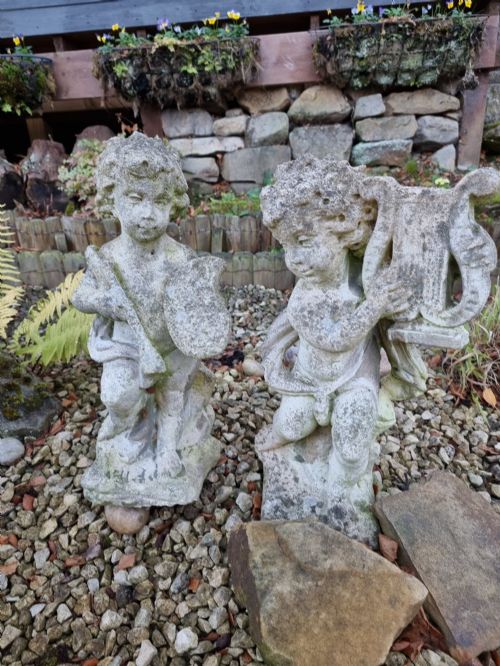
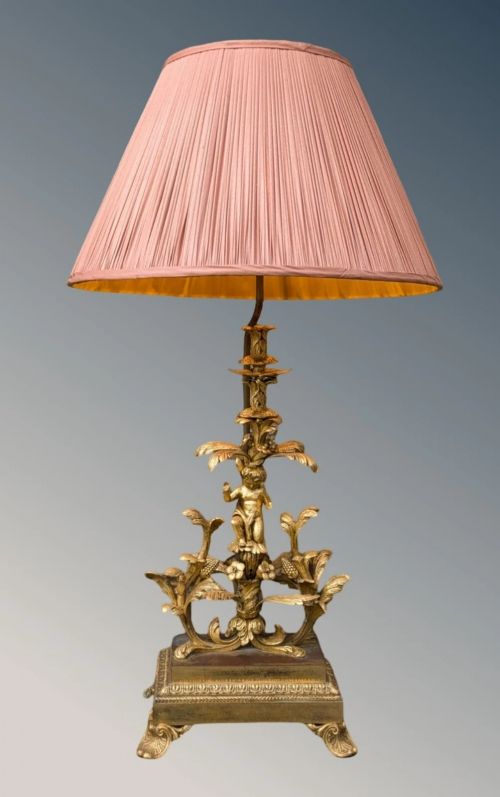
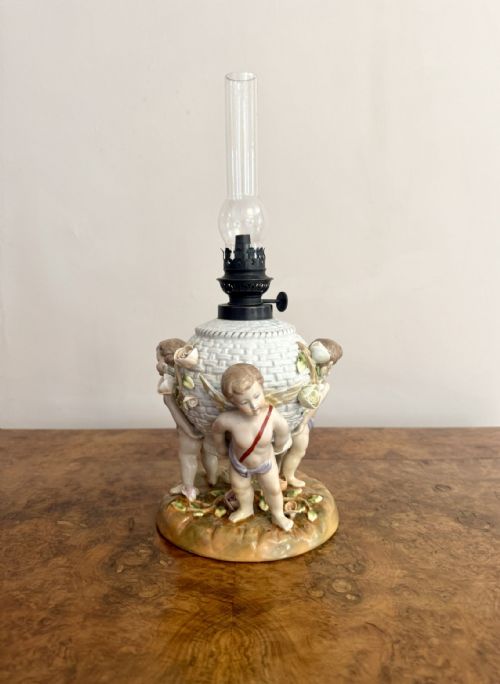
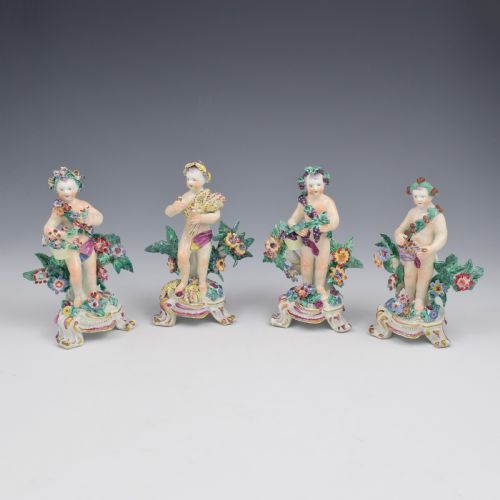
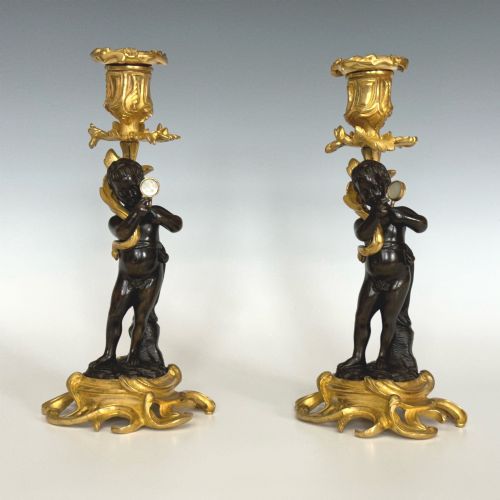
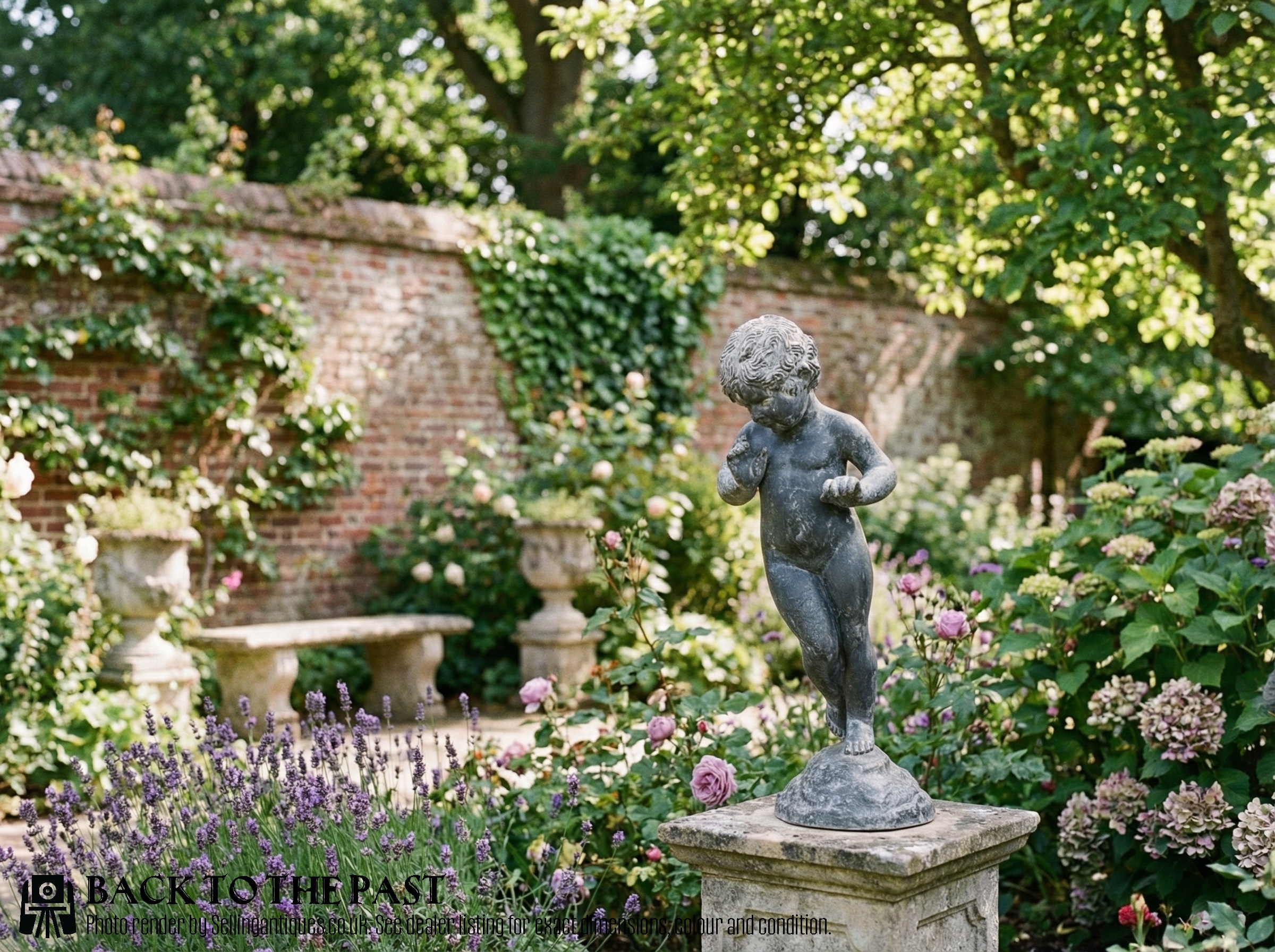
When searching for an antique cherub figure, you are examining sculptural representations of winged celestial infants, putti, or cupids that appear across the eighteenth, nineteenth, and early twentieth centuries. These pieces manifest in diverse functional and decorative forms, ranging from standalone bronze statuettes and porcelain figurines to candelabra, table lamps, and garden statues.
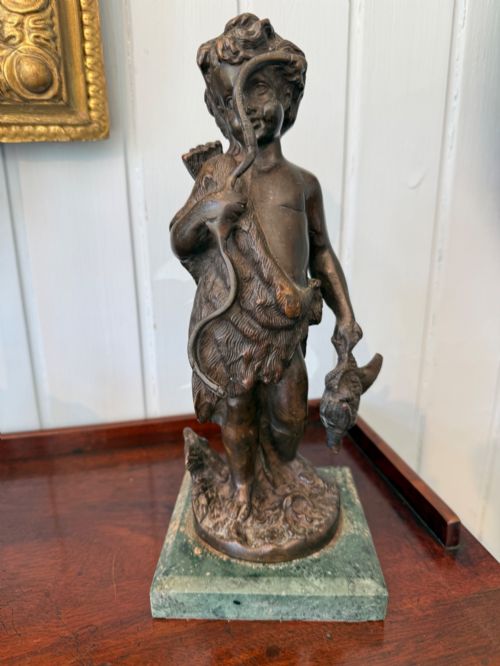
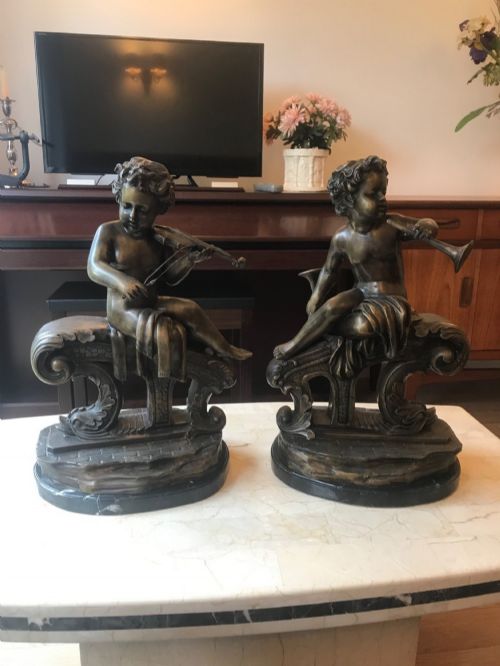
The versions you are most likely to encounter on this page span the nineteenth century, heavily influenced by French Rococo Revival, Neoclassical, and Victorian aesthetics. They frequently depict these winged figures engaged in playful pursuits, playing musical instruments, or holding symbolic objects like bows, arrows, and conch shells.
How they were made
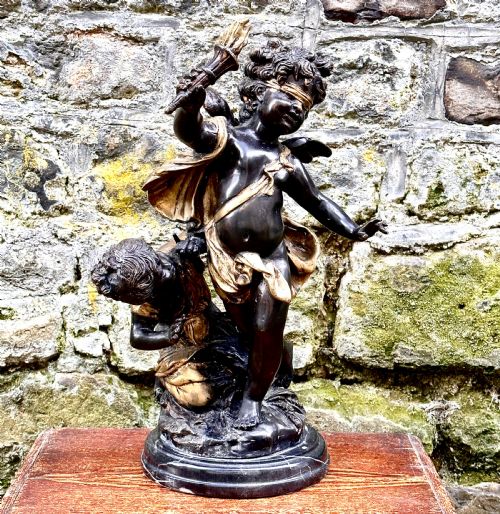
The creation of these works relies on traditional foundry and carving techniques, utilising materials such as cast bronze, gilt bronze, marble, terracotta, and soft-paste or hard-paste porcelain. Bronze pieces are typically cast using the lost-wax method, then chased and patinated, sometimes accented with ormolu or gold leaf.
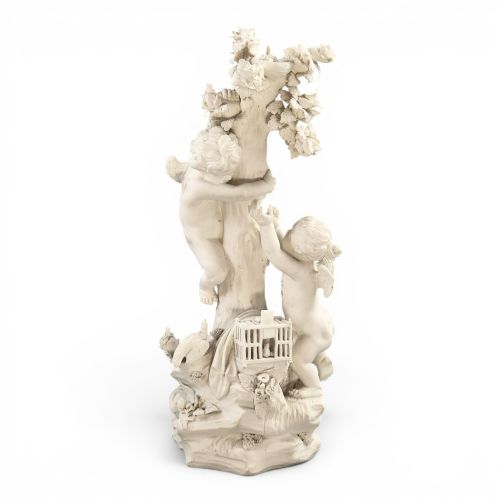
Porcelain examples from factories such as Bow, Chelsea, Meissen, and Sitzendorf involve intricate moulding and hand-modelling of soft or hard paste, followed by hand-painting and glazing, occasionally utilising biscuit porcelain for a matte, unglazed finish reminiscent of carved marble.
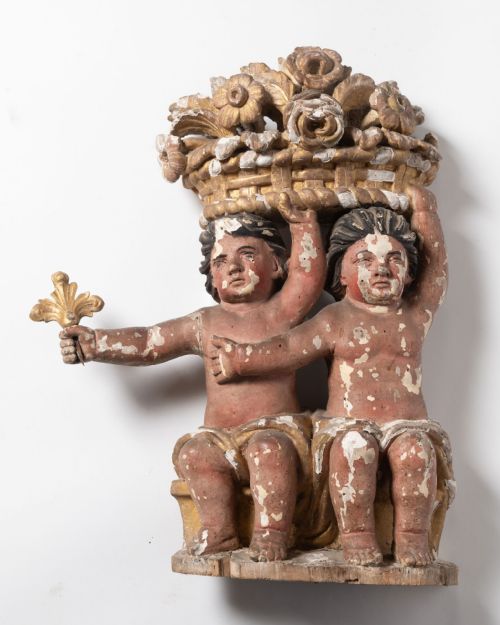
Listings feature figures rendered in bronze, marble, porcelain, lead, and carved lime wood, spanning the Georgian, Victorian, and Edwardian eras.
What varies in quality
In porcelain and terracotta pieces, quality resides in the subtlety of the glaze or biscuit finish and the preservation of fine details like fingers, musical instruments, and floral garlands. Signatures, foundry stamps, or attribution to known modellers and makers elevate the standing of the work.
Charles Louis Malric·Susse Frères·Sitzendorf·Bow Porcelain·Royal Dux Bohemia·Meissen·Edme Samson
The Antique Cherub Figure Glossary
- Putto
- A plump, naked winged infant depicted in classical art. They frequently appear in Renaissance and revival decorative arts.
- Ormolu
- Finely ground high-carat gold applied to a bronze base using a mercury amalgamation technique. This finish imparts a brilliant golden lustre to nineteenth-century French mounts.
- Biscuit porcelain
- Unadorned, unglazed porcelain fired to resemble smooth white marble. It was utilised extensively by eighteenth and nineteenth-century European factories for figurative sculpture.
- Grand Tour
- A cultural journey undertaken by wealthy young Europeans visiting continental art centres. It popularised the acquisition of small bronzes and classical marbles.
Antique Cherub Figure: Frequently Asked Questions
What is the difference between a cherub and a putto?
A cherub originates from biblical tradition as a celestial being of high rank, whereas a putto stems from classical mythology as a mischievous winged infant. In antique markets, the terms are frequently used interchangeably.
Sculptors of the eighteenth and nineteenth centuries applied both labels loosely to any winged juvenile figure, whether holding a musical instrument or adorning a clock garniture.
How can I tell the period of a bronze figure?
Dating bronze sculptures involves examining the quality of the patination, the casting seams, and the style of the base. Nineteenth-century castings often utilise rich brown or gilt patinas influenced by Renaissance or neoclassical revivals.
Markings, foundry stamps, and signatures provide definitive clues to the date of production and the specific workshop involved in the creation.
How do I care for an antique bronze cherub?
Bronze figures require minimal intervention, needing only gentle dusting with a soft, dry cloth to prevent the accumulation of abrasive particles. Avoid using liquid cleaners, polishes, or abrasive cloths that can strip the original patina.
Maintaining a stable indoor humidity helps protect any accompanying marble bases or gilt surfaces from deterioration over time.