





Classical Putto Statue
A classical putto statue brings neoclassical myth and charming vitality to interiors and gardens through centuries-old bronze, marble, and stone craftsmanship.
Classical Putto Statue
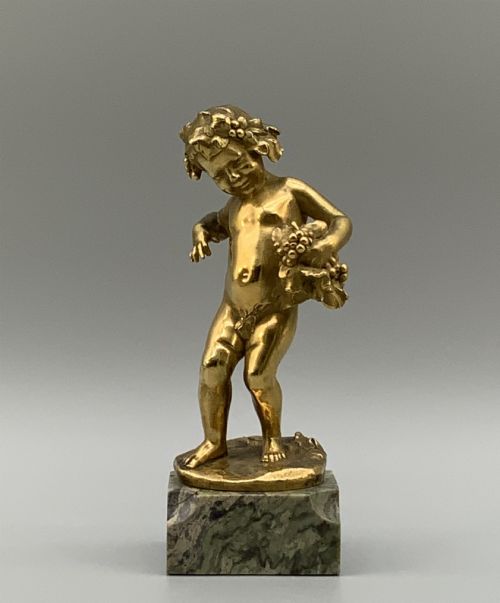
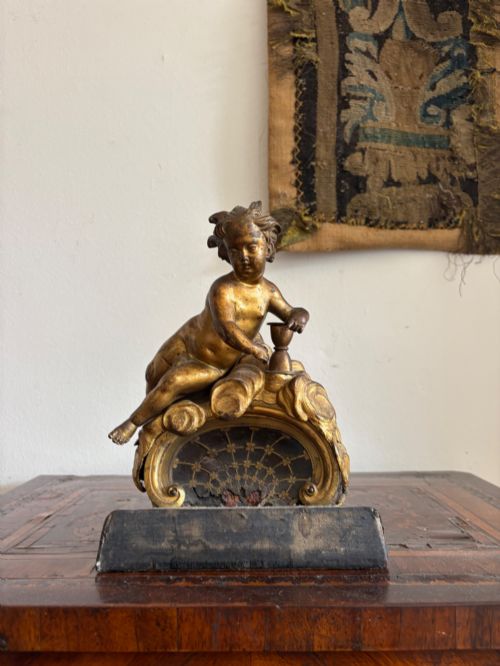
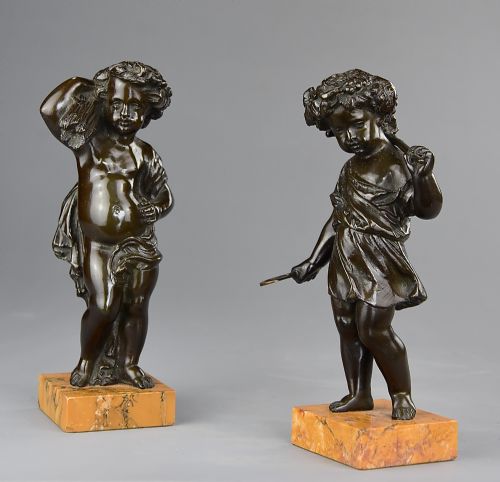
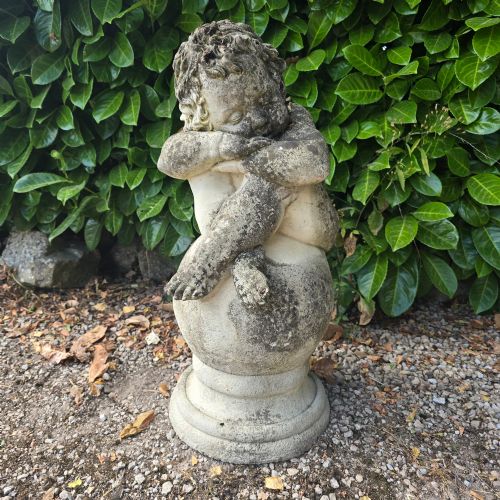
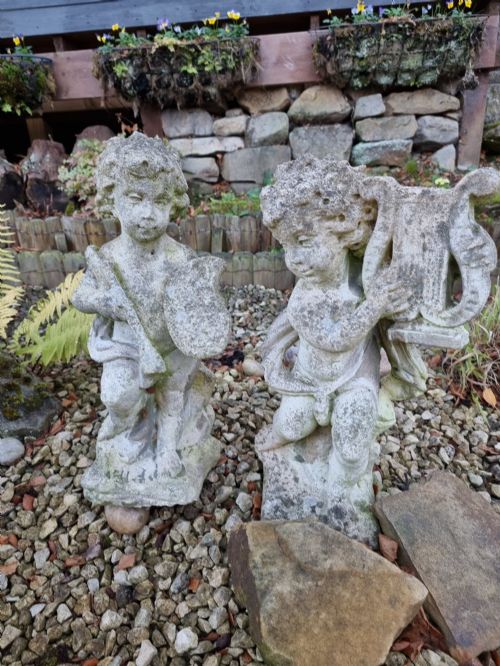
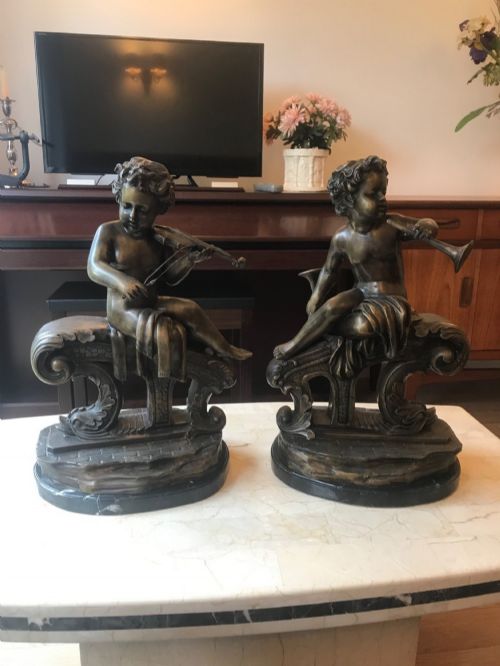
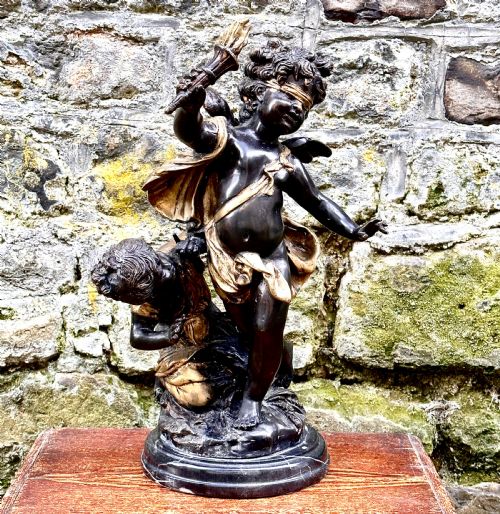
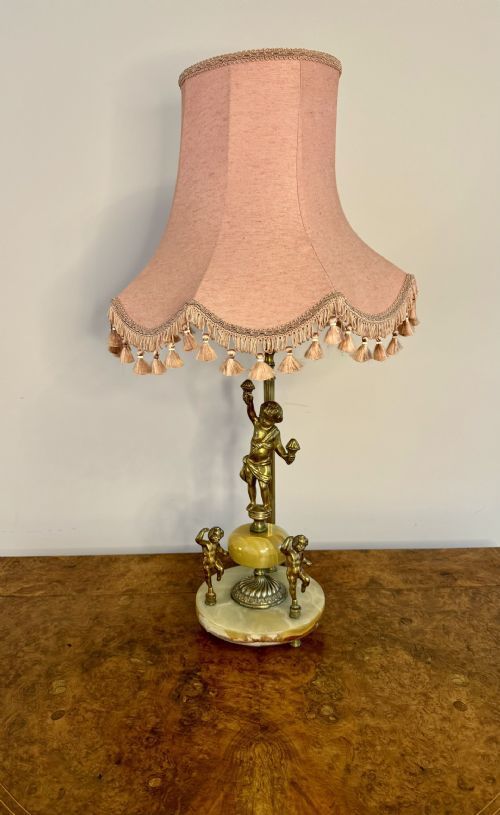
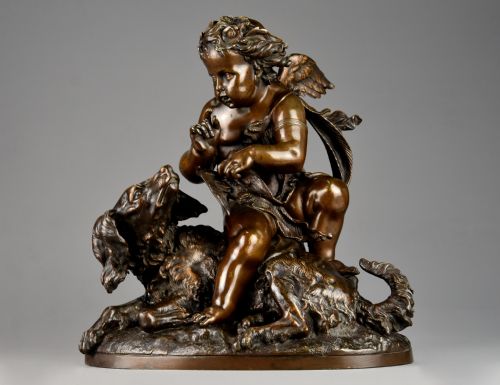
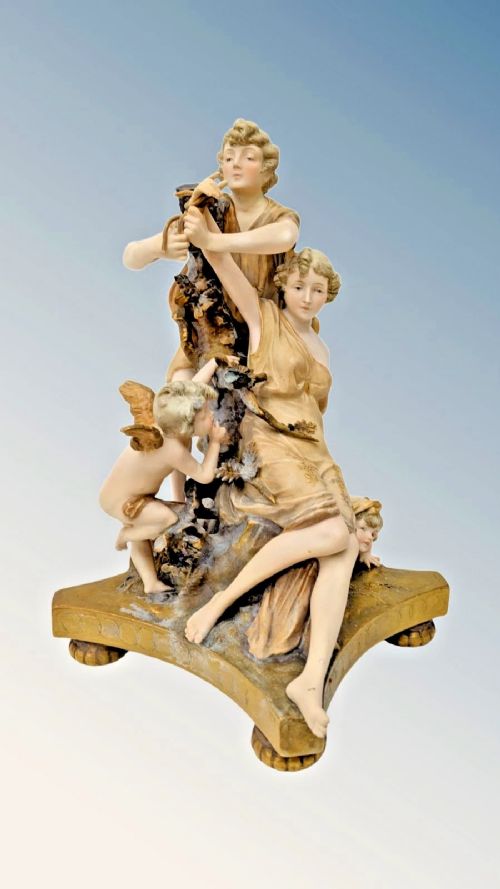
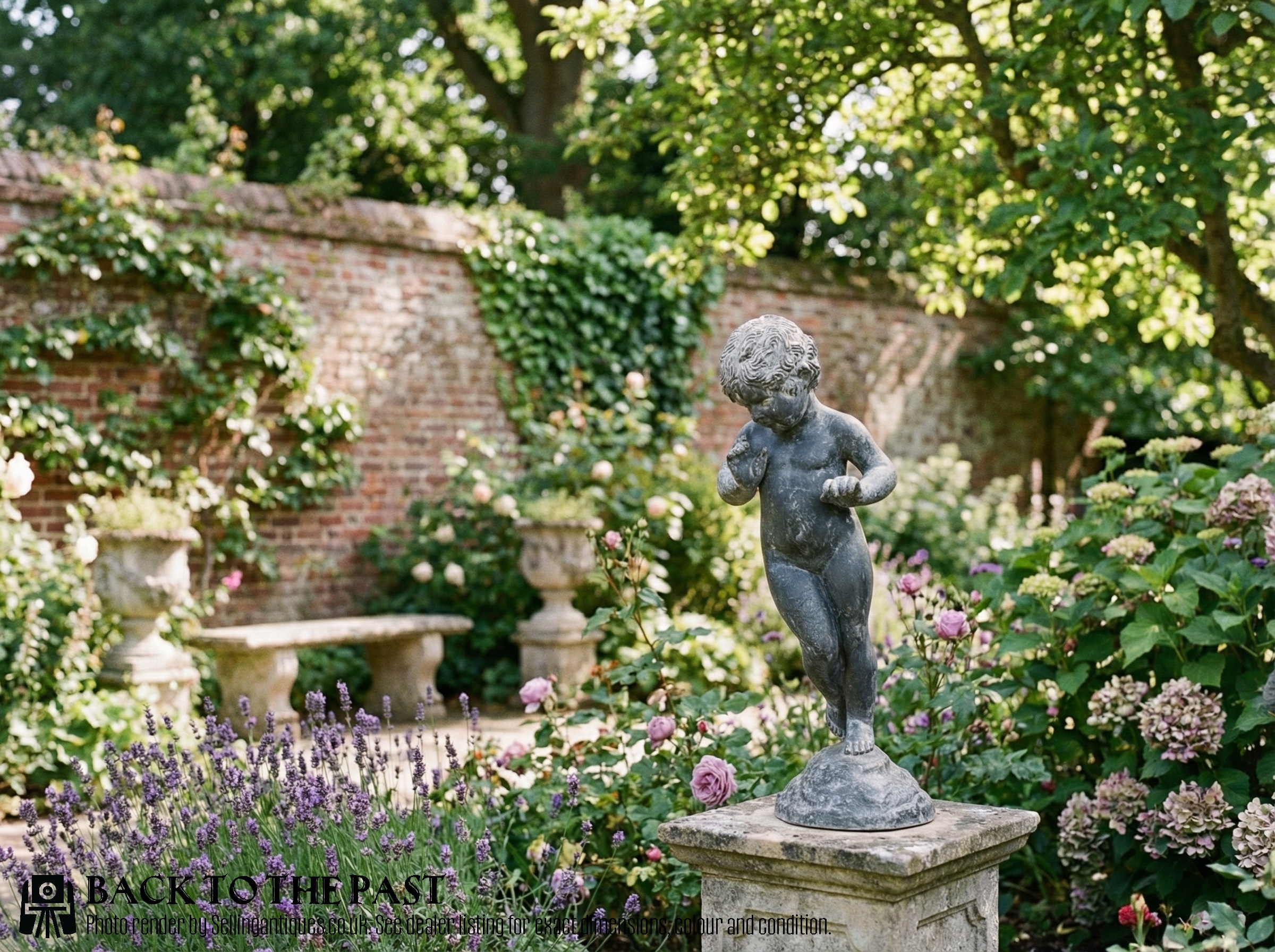
A classical putto statue represents winged infants, cherubs, and mythological children engaged in musical, agricultural, or bacchanalian pursuits. These figures draw inspiration from classical antiquity and neoclassical revival aesthetics, appearing across European sculpture, bookends, lamps, and garden ornaments.
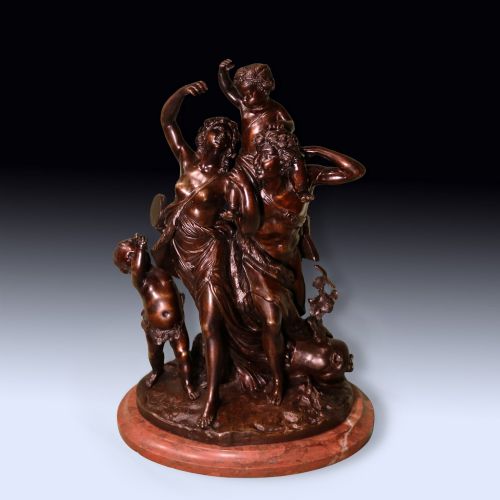
The selection ranges from intimate cabinet bronzes cast in nineteenth-century France and Italy to substantial reconstituted stone and lead garden figures. Buyers frequently encounter nineteenth-century bronze groups depicting harvest themes, musicians, and playful groupings after sculptors like Clodion.
How they were made
Garden statues employ durable media including cast lead, reconstituted stone, and weather-resistant marble to withstand external elements while developing natural patinas over time. Mounts and decorative elements often combine gilded brass and onyx for functional interior items.
Listings feature nineteenth-century bronze, marble, alabaster, lead, and reconstituted stone.
What varies in quality
Quality rests in the crispness of the chase work on bronze casts, where fine hand-finishing defines facial expressions, fingers, and textural details without softening the underlying form. Superior pieces exhibit thoughtful composition, balanced proportions, and sophisticated patination that enhances the depth of the metal.
Carved marble and alabaster statues demonstrate mastery through the naturalistic rendering of anatomy and drapery, avoiding stiff postures or mechanical tool marks. Signed works and items associated with known nineteenth-century bronze founders or sculptors reflect heightened artistic ambition and foundry expertise.
Charles Louis Malric·Susse Freres·Claude Michael Clodion·Antonio Canova·Ernst Wallace·Louis Auguste Moreau·Dumond·Aug. Moreau·Charles Cumberworth·Carrier·Denise Delavigne
The Classical Putto Statue Glossary
- Putto
- A plump, often winged male infant figure derived from classical art. They populate Renaissance and neoclassical compositions as symbols of divine love or earthly merriment.
- Ormolu
- Gilded bronze used widely in French decorative arts and mounts. The technique involves applying a mercury-gold amalgam to bronze before heating.
- Patination
- The surface coloration and texture developed through age or chemical treatment on metal and stone. A rich patina adds visual depth to bronze and lead figures.
- Neoclassical
- A revival style spanning the eighteenth and nineteenth centuries inspired by the art of ancient Greece and Rome. It emphasises proportion, restraint, and mythological themes.
- Finial
- A decorative ornament placed at the apex of an object, furniture piece, or lamp. These architectural details often take the form of small cast metal figures.
Classical Putto Statue: Frequently Asked Questions
What is the difference between a putto and a cherub?
Art historical convention distinguishes putti as secular mythological infants from cherubs, who possess celestial status.
In marketplace terminology, however, these terms often describe the same winged child figures interchangeable in nineteenth-century sculpture.
Where were these bronze sculptures made?
The majority originate from French and Italian foundries active during the nineteenth and early twentieth centuries.
Parisian workshops and Italian studios produced both Grand Tour souvenirs and ambitious gallery bronzes after classical models.
How do I care for antique bronze statues?
Bronze requires minimal maintenance beyond occasional dusting with a soft, dry cloth to protect the surface patina.
Avoid chemical polishes or abrasive cleaners that strip away historical coloration and damage the underlying metal.
Are garden putto statues frost resistant?
Weather resistance depends entirely on the specific material composition, with cast lead and dense stone performing reliably outdoors.
Alabaster and certain marbles are porous and require indoor placement to prevent moisture damage during freezing weather.