


Lead Garden Ornament
Lead garden ornament pieces bring sculptural weight to a lawn or terrace, offering durable forms that weather naturally over time.
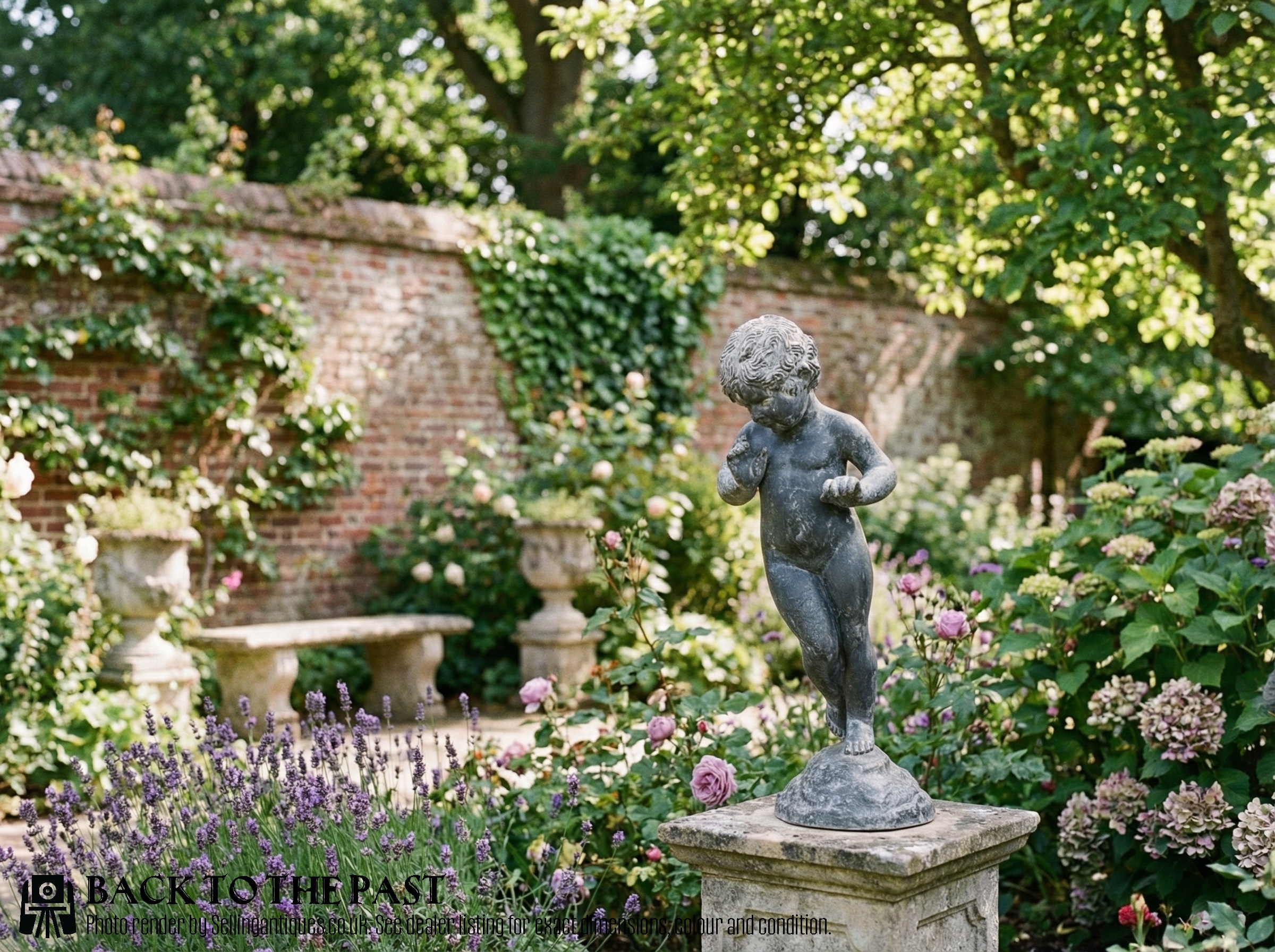
Lead Garden Ornament
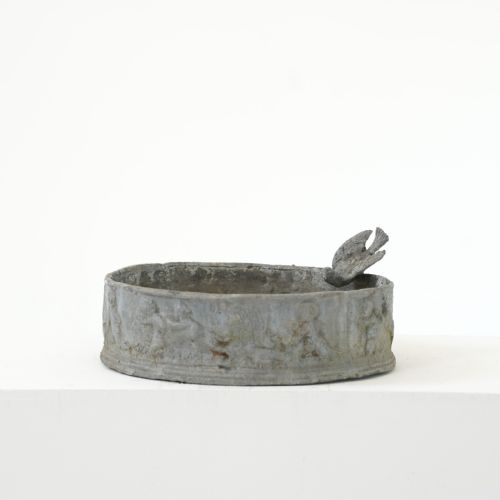
A lead garden ornament brings substantial weight and classical presence to outdoor spaces, ranging from figurative statues to functional planters. Buyers searching this phrase encounter figures such as hounds, putti, satyrs, and monkeys alongside urns, bird baths, and sundials. The selection on this page draws primarily from the Victorian and Georgian periods, alongside examples from the Regency era and the early twentieth century.
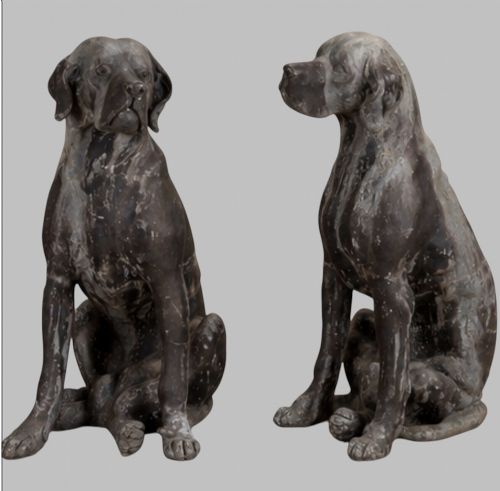
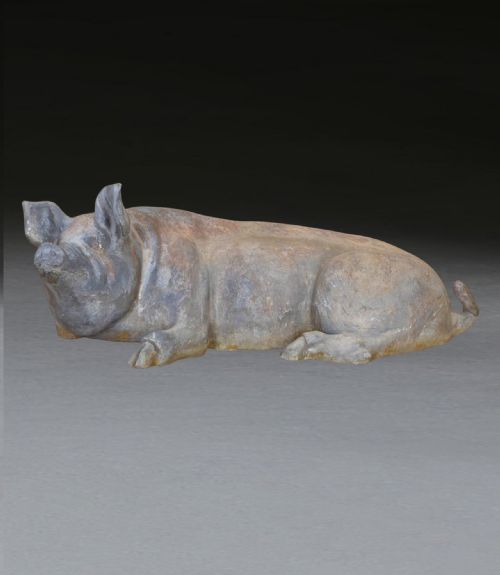
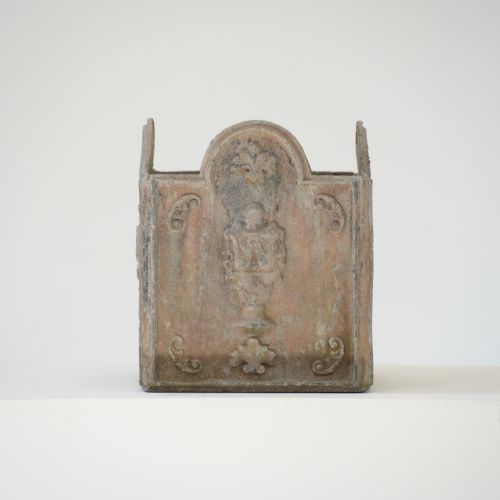
Figural sculptures and animals form a prominent part of the selection, including life-size hounds, pigs, and mythical subjects. Planters and jardinieres also appear frequently, often featuring classical details like claw feet or relief moulding. Most pieces originate from English workshops, though continental examples such as cold painted birds occasionally surface.
Materials and construction
These pieces rely heavily on cast lead, a material chosen for its malleability and ability to hold crisp detail from moulds. The weight of cast lead gives larger sculptures and planters stability outdoors without requiring permanent fixing.
Secondary materials appear occasionally to complement the primary metal or provide alternative surfaces. Terracotta and iron feature in related garden items, while some pieces retain traces of historic paint, such as cold painted finishes on smaller bird sculptures.
Listings for lead garden ornament pieces span the 18th century, Georgian, Regency, Victorian, and 1920 eras.
Assessing quality
The thickness of the metal and the structural integrity of internal frames also separate standard utilitarian items from exceptional works. Pieces with good scale and balanced proportions command greater attention, particularly when they retain a pleasing natural oxidation.
The Lead Garden Ornament Glossary
- Putto
- A representation of a human infant, usually nude and sometimes winged, frequently seen in classical garden sculpture. These figures often appear holding fruit or interacting with animals.
- Jardiniere
- An ornamental pot or stand for plants and flowers, often made of lead and designed for larger garden terraces. They frequently incorporate decorative mouldings or feet.
- Sundial
- A device that tells the time of day by the apparent position of the Sun, often mounted on a stone or lead plinth in a garden setting. Some historical examples repurpose architectural elements like chimneys.
- Neoclassical
- A style inspired by the classical art and culture of ancient Greece and Rome, prevalent during the Georgian and Regency periods. It emphasises symmetry, restraint, and classical motifs.
- Oxidation
- The chemical reaction of lead with oxygen and moisture over time, creating a protective grey patina on the surface. This weathered finish is characteristic of antique outdoor leadwork.
Lead Garden Ornament: Frequently Asked Questions
How do I clean lead garden ornaments?
Wash the surface gently with water and a soft brush to remove dirt and organic debris. Avoid harsh chemical cleaners or abrasive scouring pads that can strip the natural protective patina.
Allow the metal to weather naturally after cleaning, as the dull grey oxidation protects the underlying lead from further environmental decay.
Can lead garden statues stay outside in winter?
Solid lead withstands frost and cold weather effectively because the metal does not crack easily under freezing temperatures. Ensure that hollow planters or bird baths are drained of standing water to prevent ice expansion.
Position heavier statues on stable, level ground so they do not shift as the underlying soil freezes and thaws.
How do I identify a Victorian lead ornament?
Look for stylistic cues such as robust figurative modelling, classical revival motifs, and heavy casting techniques typical of nineteenth-century British foundries. Many pieces from this era reflect a renewed interest in naturalism and garden ornamentation.
Examine the construction methods and the depth of the lead, as nineteenth-century pieces often feature thicker walls and distinct surface weathering.
Are these ornaments hollow or solid?
Most large garden statues and urns are cast as hollow forms to manage the overall weight and use metal efficiently. Even though they are hollow, the thickness of the cast lead gives them substantial heft.
Smaller figures or decorative elements may occasionally use solid casting, but hollow construction remains standard for major garden sculptures.