
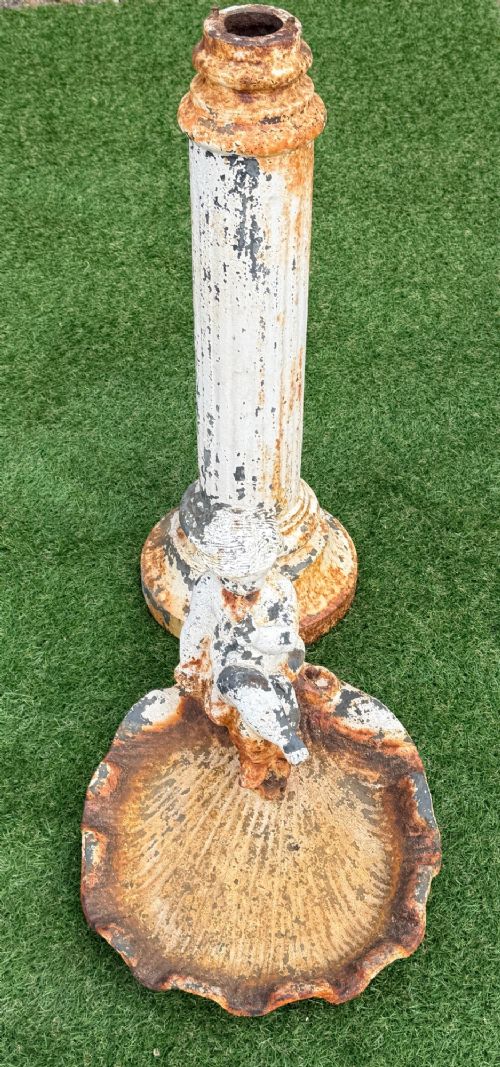
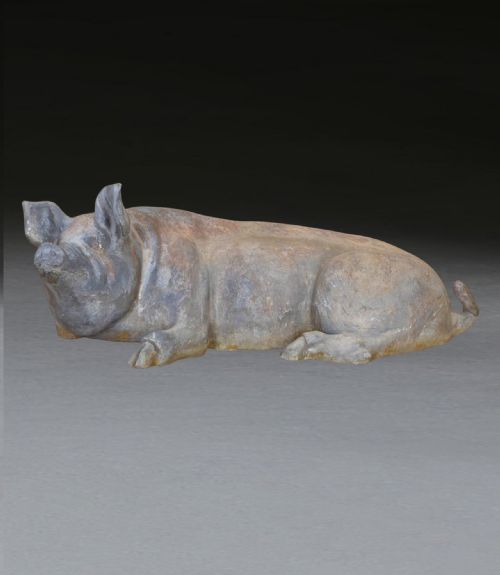


Victorian Garden Statue
These victorian garden statue pieces bring classical presence and rustic character to grounds, pairing architectural form with enduring outdoor materials.
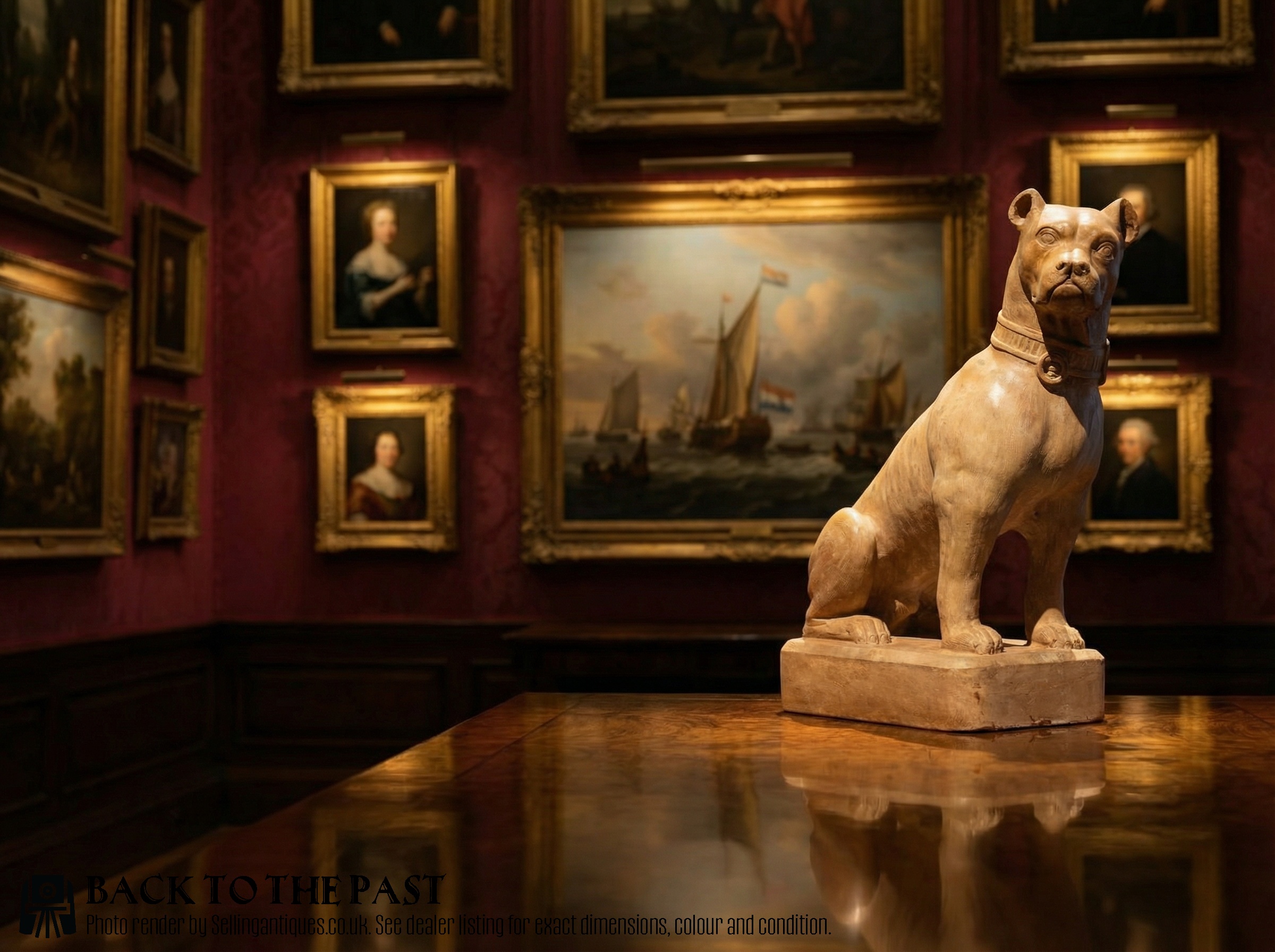
Victorian Garden Statue
Most examples date from the nineteenth century, including Victorian periods, with occasional pieces from surrounding decades up to nineteen thirty. Forms vary from small bird baths and owl scarers to lifesize terracotta dogs and substantial gate lions.
The objects serve practical and decorative roles in outdoor spaces, functioning as bird baths, hitching posts, bird scarers, and focal sculptures. Common materials include cast iron, terracotta, lead, and carved marble.
How they were made
Makers utilised durable outdoor materials such as cast iron, terracotta, lead, and carved white marble to withstand weathering in gardens and parklands. Cast iron pieces were poured into moulds to create sharp detail in animals and figures, while terracotta was shaped in large-scale kilns.
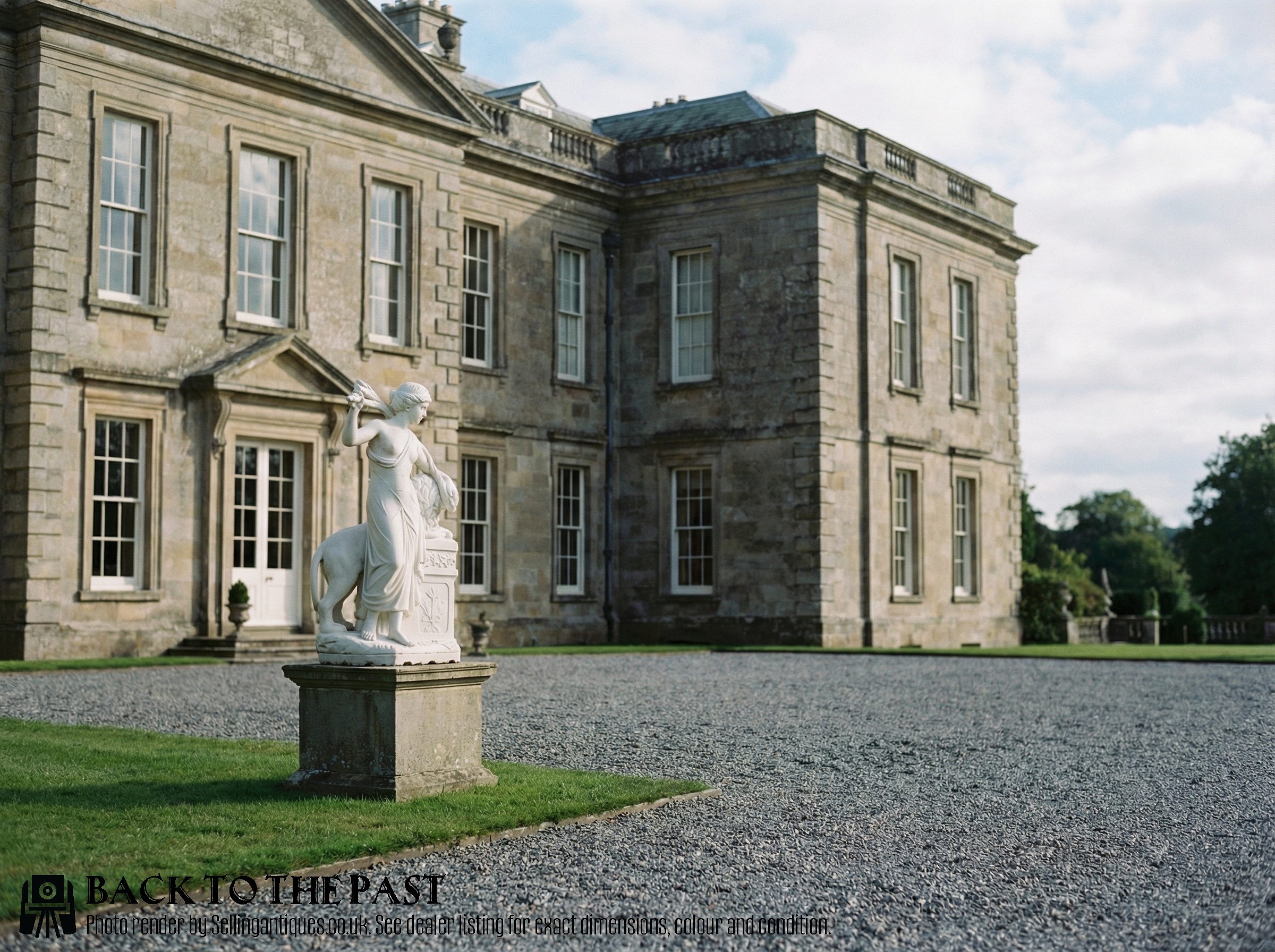
Lead sculptures were cast and often finished by hand, yielding heavy figures with weathered patinas over time. Marble and stone pieces received hand carving, visible in classical busts and sculptural groups like Una and the Lion.
A thoughtful monkey in lead sits quietly among the lions and horses, pondering matters of the garden.
What varies in quality
Material thickness and original scale also determine quality, with heavy cast iron and massive buff terracotta lions representing substantial manufacture. The integrity of the surface, whether aged paint, natural weathering, or original salt glaze, adds to the character of each piece.
Hurlford Kilmarnock·Henri Jaquesmart
The Victorian Garden Statue Glossary
- Terracotta
- Fired clay used extensively for large garden sculptures and architectural lions. It offers a warm buff or red tone that weathers with age.
- Hitching post
- An upright post, often cast in iron with a horse head motif, formerly used for securing horses. They double as striking vertical garden ornaments.
- Carrara marble
- A type of white or blue-grey marble quarried in Italy, utilised for fine classical busts and figures. It provides a smooth surface for detailed carving.
Victorian Garden Statue: Frequently Asked Questions
How do I care for cast iron statues?
Cast iron pieces require periodic inspection for rust, which can be treated with appropriate outdoor metal primers and paints.
Keeping them clear of standing water and winter damp helps preserve the metal surface.
Are terracotta statues frost proof?
Historic terracotta and stoneware tolerate outdoor conditions well, but severe winter frost can damage porous clay.
Many collectors move large terracotta figures under cover or protect them during freezing weather.
Where should I place a heavy lead sculpture?
Lead sculptures benefit from stable, level ground or stone plinths that support their substantial weight.
Their natural durability allows them to sit directly on lawns, patios, or near garden ponds.
How do I identify a Victorian piece?
Victorian pieces often show specific nineteenth-century casting techniques, material compositions, and classical revival motifs.
Comparing the style of modelling and weathering patterns helps distinguish them from later reproductions.