


Antique Lead Planter
These antique lead planter examples bring quiet weight and weathered texture to any garden, uniting formal neoclassical urns with rugged Victorian troughs.
Antique Lead Planter
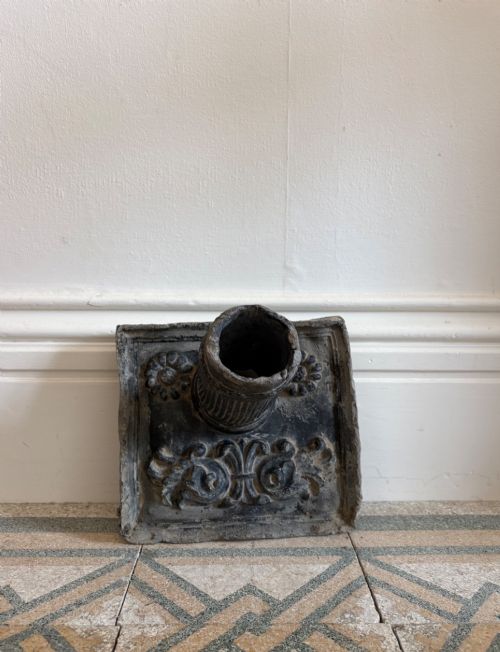
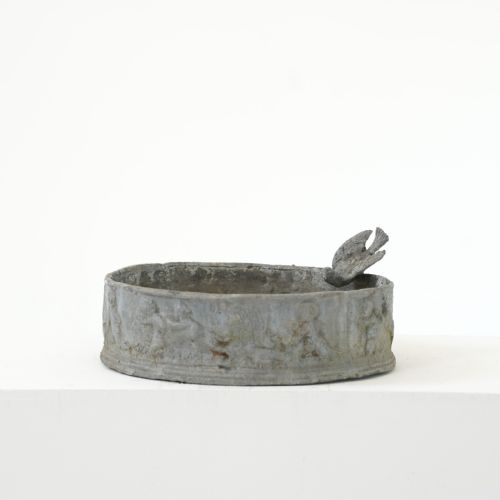
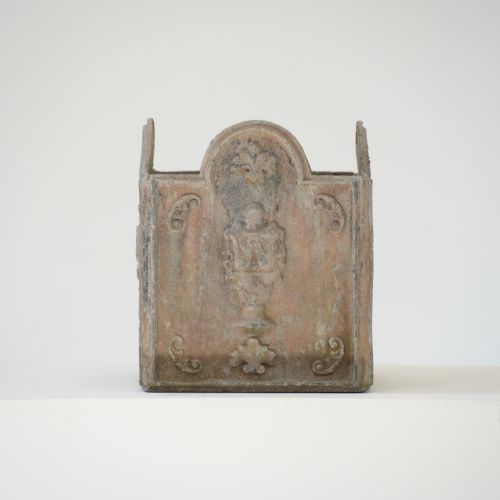
An antique lead planter is a durable vessel designed for garden or conservatory display, turning up in forms ranging from simple troughs to ornate urns. When you search for an antique lead planter, you encounter pieces spanning the Georgian, Regency, Victorian, and Edwardian eras.
The selection includes pieces shaped on claw feet, decorated with cherubs, or formed as pairs of jardinieres. Alongside standard planters, related garden and interior vessels such as lead cistern panels, urns, and wine coolers appear within the evidence.
How they were made
These items rely primarily on cast lead, shaped through traditional foundry techniques that capture crisp relief decoration like cherubs or neoclassical motifs. Some examples incorporate internal metal liners or rest upon distinct supports such as claw feet.
Makers occasionally combined lead work with architectural salvage methods, creating cistern panels and fountain heads designed to withstand outdoor weathering over centuries.
The listed items span the 18th, 19th, and early 20th centuries, utilising lead alongside mahogany, brass, zinc, satinwood, and rosewood.
What varies in quality
Quality rests on the crispness of the cast relief and the integrity of the heavy metal walls, where superior examples exhibit sharp neoclassical detailing rather than softened outlines. Scale and proportion also divide standard vessels from impressive pairs of large jardinieres or troughs.
The depth of the natural oxidisation and the presence of patination tell a story of age and exposure, distinguishing carefully preserved period items from lesser or more uniform castings.
The Antique Lead Planter Glossary
- Lead
- A heavy, durable metal prized for garden vessels due to its resistance to corrosion and its ability to develop a pleasing grey patina over time. It is easily cast into intricate relief panels and decorative urns.
- Jardiniere
- An ornamental pot or stand for holding plants or flowers, often used interchangeably with larger planters in Regency and Victorian contexts. These vessels frequently feature decorative feet or handles.
- Neoclassical
- A style drawing inspiration from classical antiquity, heavily featuring in 18th and 19th-century lead urns and planters through symmetrical motifs and architectural relief work.
- Cistern panel
- A flat section of cast lead, often dated and decorated with figurative or marine scenes, which originates from water storage tanks before finding new life as architectural salvage.
Antique Lead Planter: Frequently Asked Questions
Can I leave lead planters outside in winter?
These metal vessels are built to withstand outdoor elements and natural weathering without structural damage.
Their heavy construction handles seasonal temperature shifts reliably in garden settings.
How do I identify a Georgian lead planter?
Georgian pieces often display neoclassical motifs, crisp relief panels, and proportions tied to 18th-century design standards.
They frequently feature decorative elements like cherubs or classical urn shapes characteristic of the period.
Are these planters heavy to move?
Cast lead objects possess significant weight, especially when scaled for large garden settings.
Positioning them requires careful planning before adding soil and plants to the interior.
What is the difference between a planter and a wine cooler?
While garden planters use lead for outdoor durability, wine coolers from the same eras often employ mahogany, satinwood, or rosewood.
Some interior pieces overlap in form as open jardinieres or cellarettes designed for entertaining.