








Neoclassical Garden Urn
A neoclassical garden urn brings architectural authority to open ground, anchoring paths and terraces with the gravitas of antiquity.
Neoclassical Garden Urn
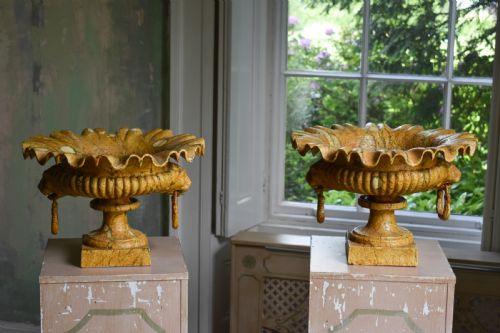
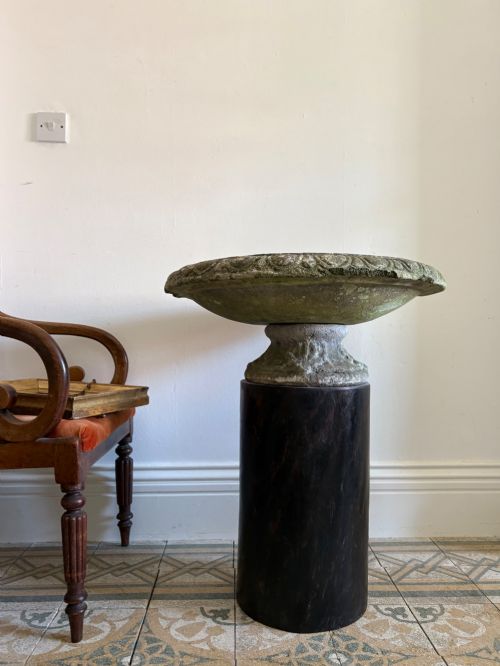
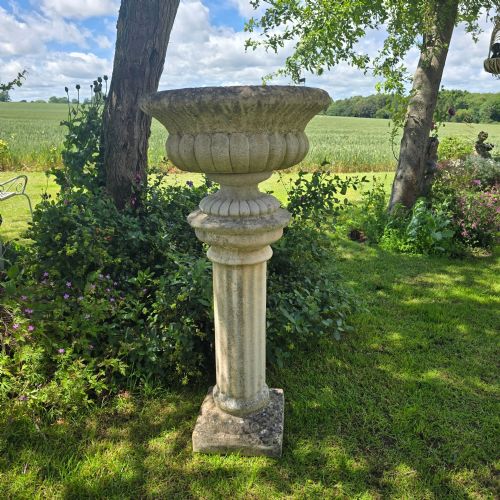
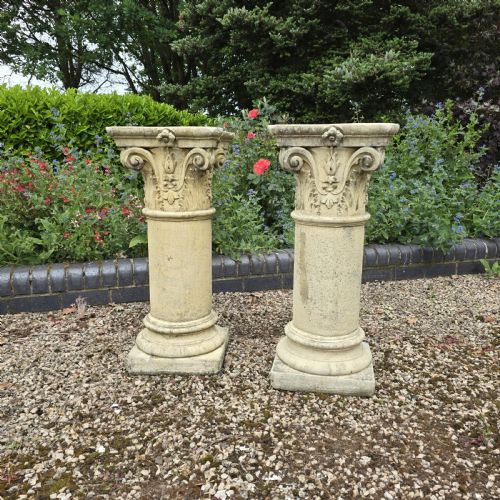
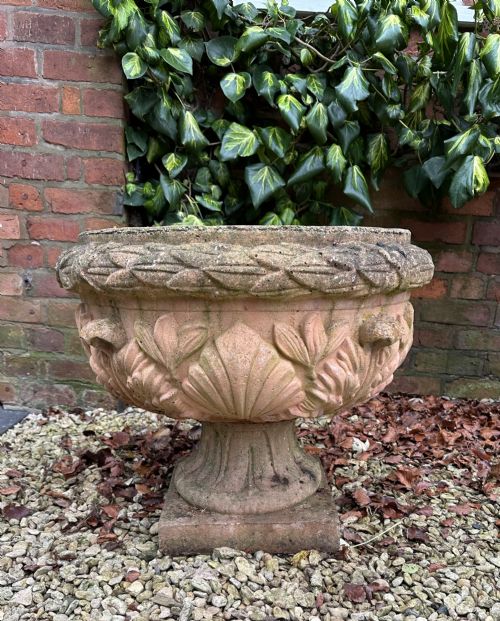
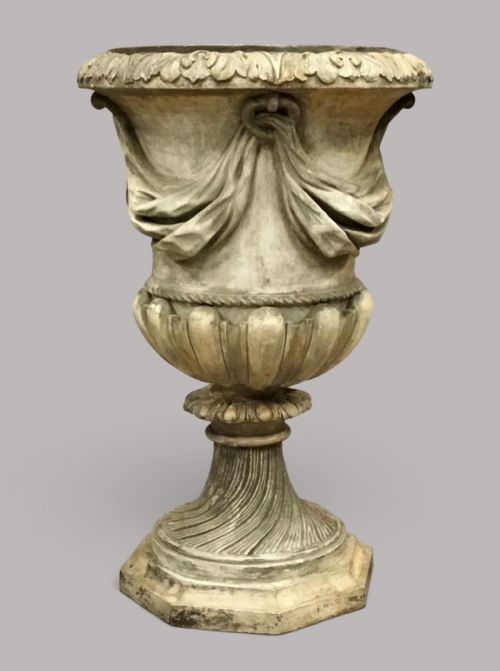
When you search for a neoclassical garden urn, you encounter vessels shaped by classical restraint, designed to elevate outdoor spaces with formal symmetry. These pieces draw from ancient Greek and Roman models, often taking the flared campana form or sitting upon dedicated pedestals and plinths.
The selections here span from the eighteenth century through the twentieth century, with nineteenth-century examples appearing most frequently. You will find them rendered as grand pairs for formal gateways or as single focal points beside garden paths.
Makers and workshops across Britain and continental Europe produced these vessels to satisfy recurring revivals of classical taste. Alongside traditional urns, the category embraces related forms such as tazza urns, jardiniere planters, and stone altars.
How they were made
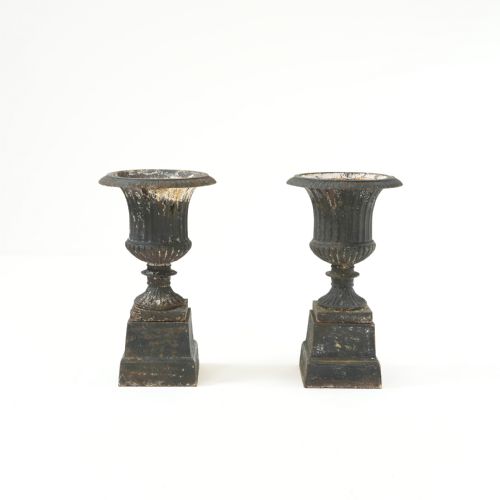
Foundries cast heavy metals like iron and lead in sand moulds, capturing crisp classical motifs such as acanthus leaves and egg-and-dart borders. Iron vessels frequently carry coats of protective paint that have weathered over decades of exposure.
Masons and stonecutters carved durable materials like marble, limestone, and stoneware from solid blocks, using chisels to define fluting and handles. Later pieces utilised cast stone and reconstituted stone poured into wooden or metal forms to simulate quarried stone at scale.
Neoclassical Garden Urn Retail Price Guide 2026
Typical asking prices for neoclassical garden urn among the pieces listed under this phrase on Sellingantiques today, from the lower quarter to the upper quarter. They describe what is for sale here now, not the wider market.
Some nineteenth-century iron urns arrive bearing layers of old garden green paint that stubbornly refuse to let go.
What varies in quality
Quality rests in the crispness of the cast or the depth of the hand-carved detail across the body and handles. Superior examples retain sharp leaf tips, well-proportioned stems, and harmonious integration between the vessel and its plinth.
The choice of material dictates both weight and the character of ageing, with hand-carved marble and early cast iron commanding greater presence than later poured composites. Surface patina earned through continuous outdoor exposure adds depth to better-wrought pieces.
The Neoclassical Garden Urn Glossary
- Campana
- A bell-shaped vessel with a flared rim and a footed base, typical of classical garden statuary. This silhouette forms the baseline for many nineteenth-century designs.
- Tazza
- A shallow cup or bowl set upon a stem and foot, often used for planting flowers or trailing foliage. Marble examples frequently appear in grand European settings.
- Plinth
- A heavy architectural block or base that elevates an urn to improve its proportion in a garden landscape. They are often carved from the same stone as the vessel above.
- Grand Tour
- A period of European travel undertaken by the elite during the eighteenth and nineteenth centuries, inspiring the collection of classical antiquities and smaller copies.
- Jardiniere
- An ornamental pot or stand designed specifically to hold plants or floral arrangements. These pieces bridge interior conservatory styling and outdoor terrace placement.
Neoclassical Garden Urn: Frequently Asked Questions
How do I secure an urn outdoors?
Heavy cast iron and stone vessels often stand securely under their own weight, relying on gravity and wide bases to resist wind.
For taller pieces or those mounted on narrow pedestals, discreet internal dowels or mortar beds anchor the structure safely to a paved terrace.
Can I leave cast iron urns outside in winter?
Cast iron handles seasonal frost well provided the internal drainage hole remains clear and free of compacted soil.
Keeping the metal painted prevents moisture from initiating deeper corrosion during extended periods of wet weather.
How do I tell marble from cast stone?
Marble displays natural veining and a crystalline structure that responds to hand-carving marks left by the mason across the surface.
Cast stone reveals a uniform granular texture without natural grain, sometimes showing minute air voids from the original liquid pour.
What plants suit a campana urn?
Trailing ivy and cascading foliage complement the flared lip of a campana vessel by softening the rigid architectural lines.
Boxwood globes or upright architectural shrubs provide formal contrast that mirrors the classical proportions of the urn itself.