


Antique Urn on Stand
An antique urn on stand brings classic height and proportion to a room, supporting vessels or plants with grounded presence.
Antique Urn on Stand
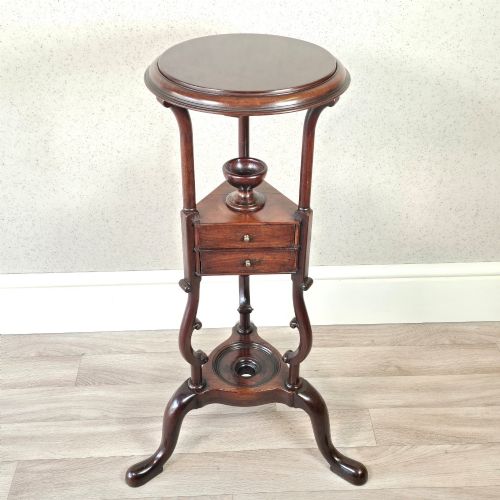
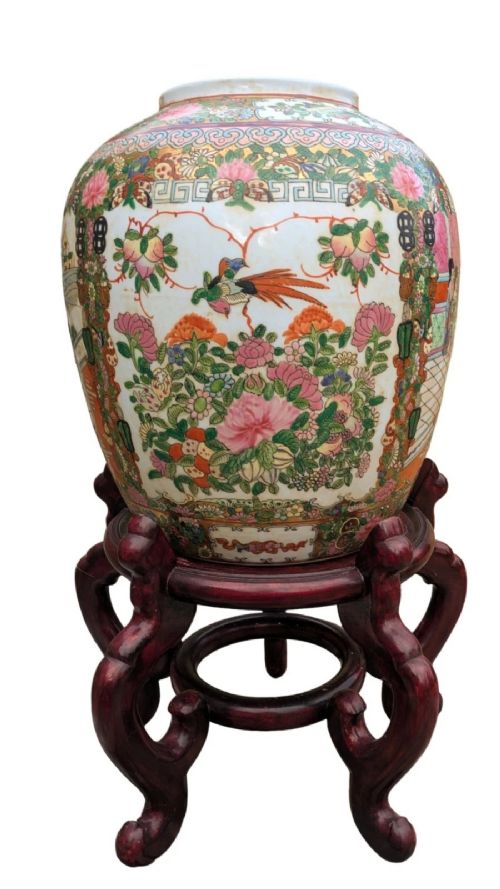
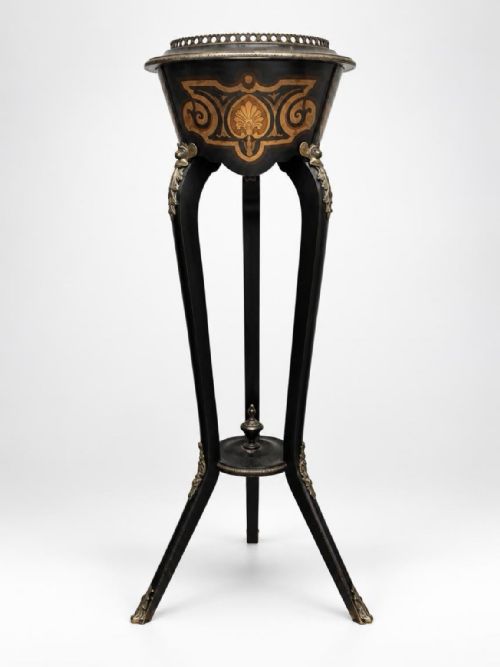
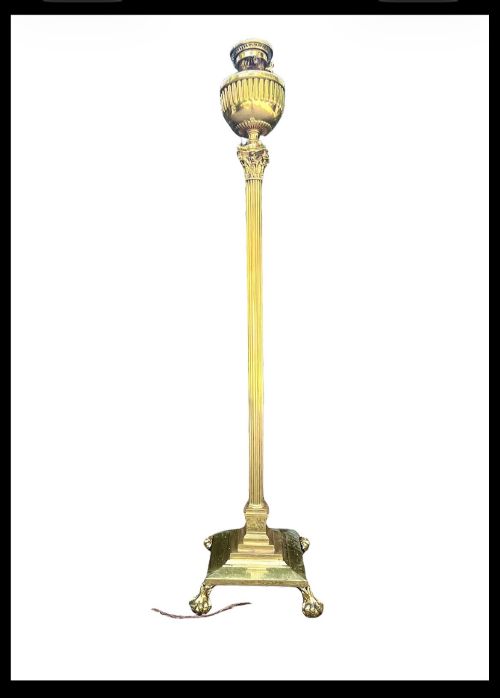
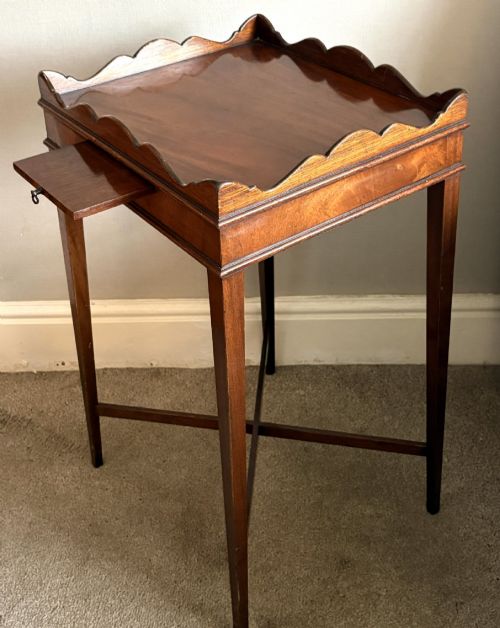
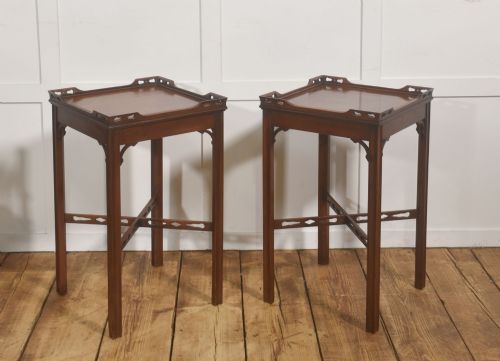
When you search for an antique urn on stand, you encounter a mix of plant stands, pedestals, torcheres, and fitted vessels originating from the Georgian, Victorian, and Edwardian eras. These pieces combine a container or display surface with a raised support, functioning historically to elevate decorative flora, lamps, or porcelain.
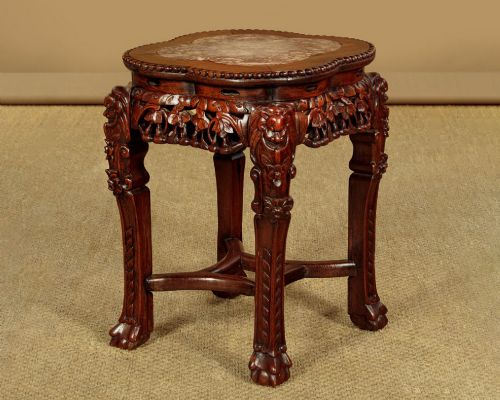
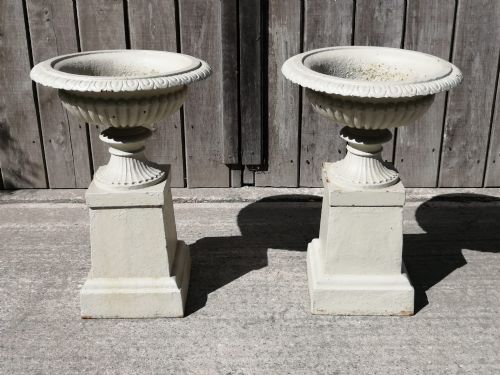
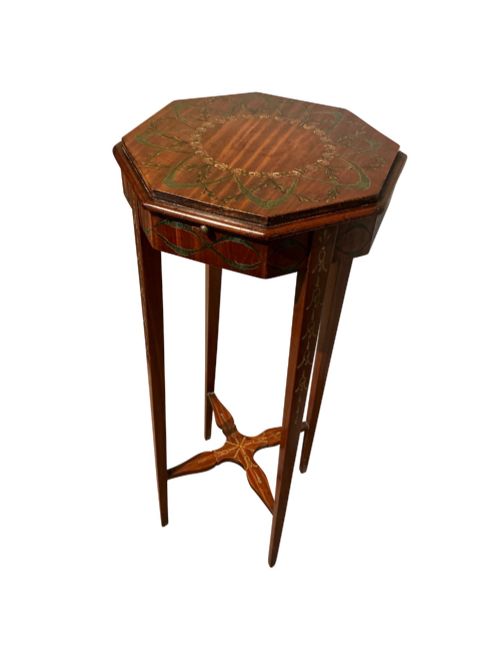
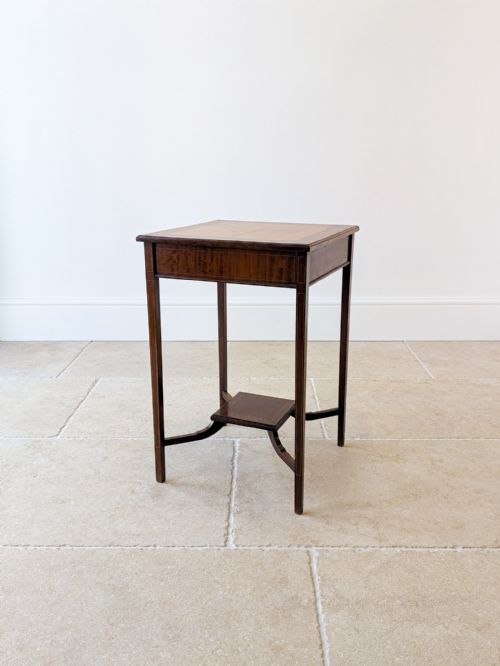
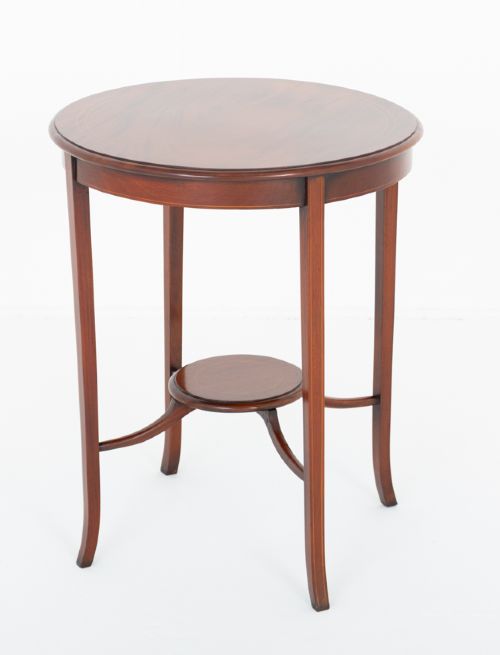
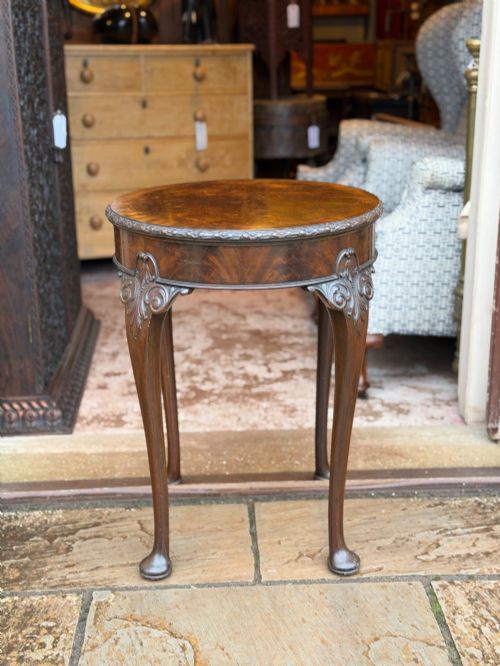
The most common versions met on this page are Edwardian mahogany and satinwood plant stands, alongside nineteenth-century Chinese hardwood pot stands inset with marble. Alongside these sit cast iron urns from makers like Coalbrookdale and porcelain vessels mounted on dedicated bases.
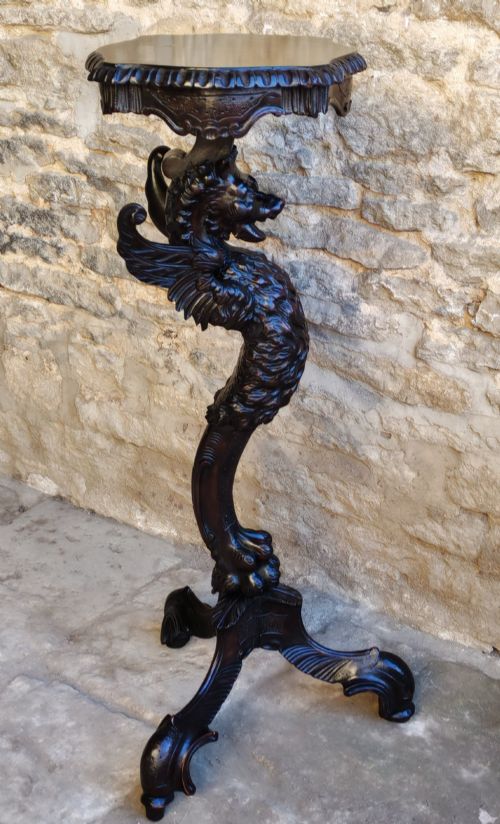
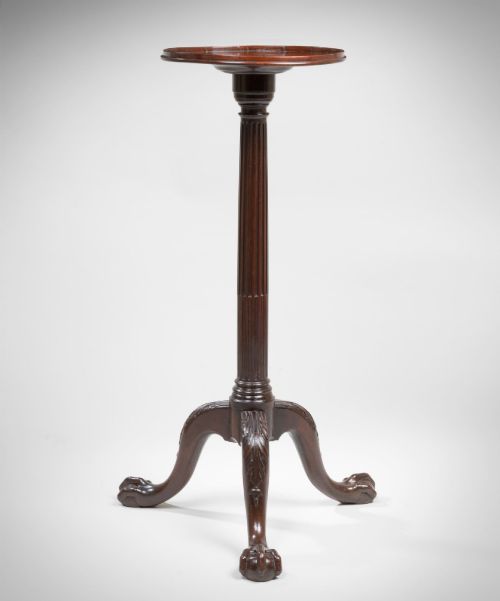
Forms range from slender torchere columns intended for a single candle or small vase to low rosewood tables designed for porcelain bowls. Their origins stretch from British workshops to Qing Dynasty and Meiji Period workshops in East Asia.
Materials and construction
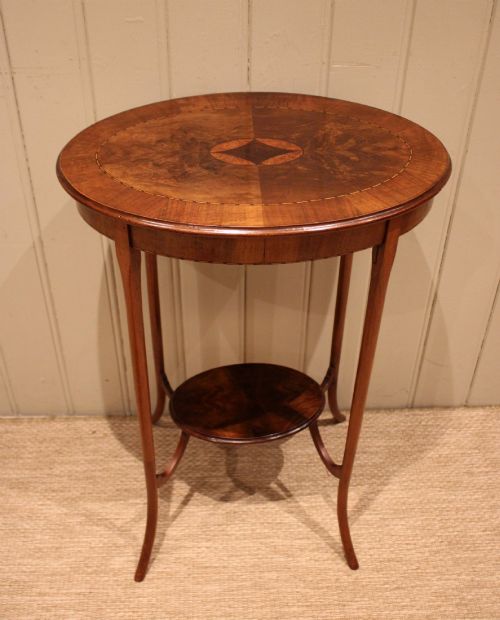
Makers utilised dense timbers such as mahogany, satinwood, oak, and rosewood, often shaping them with turnings, tripod legs, or tapered columns. Inlay work using lighter woods and mother of pearl frequently adorns Edwardian and Chinese examples.
Marble inserts appear frequently in hardwood pot stands to provide a cool, durable surface resistant to moisture from plants. Bronze, brass, or ormolu mounts secure porcelain vessels and cloisonne urns, linking the container to its support.
Antique Urn on Stand Retail Price Guide 2026
Typical asking prices for urn on stand among the pieces listed under this phrase on Sellingantiques today, from the lower quarter to the upper quarter. They describe what is for sale here now, not the wider market.
Materials recorded across the inventory include marble, mahogany, brass, bronze, terracotta, and mother of pearl inlay.
Distinctions in quality
Quality rests in the precision of the joinery and the selection of timber grain, such as flame mahogany or figured satinwood. Superior examples maintain structural rigidity in tall torchere columns without relying on heavy internal iron rods.
Carving depth and crispness differentiate standard production pieces from fine workshop creations, particularly in Chinese hardwood and Italian walnut stands. The integration between the urn and its designated base shows deliberate design rather than a later marriage of mismatched components.
Coalbrookdale·Druce and Co London·Shoolbred·Dunfermline Clay Company·William Soutter and Sons
The Antique Urn on Stand Glossary
- Torchere
- A tall, slender stand designed to hold a candle or light. These pieces typically feature a small circular top supported by a single central column and three legs.
- Jardiniere
- An ornamental pot or stand for holding plants or flowers. They appear in ceramic, metal, and wood across Victorian and Edwardian interiors.
- Ormolu
- Gilded bronze used for decorative mounts on furniture and porcelain. French pieces frequently employ this technique to connect urns to their stands.
- Cloisonne
- Enamelling technique where wires create compartments for coloured paste. Vessels utilising this method are often displayed on dedicated wooden stands.
Antique Urn on Stand: Frequently Asked Questions
How were antique urns on stands used?
These pieces served practical and decorative functions in period homes, holding potted plants, spirit kettles, or ornamental vases off the floor. Tall pedestals placed lighting or floral arrangements in dark corners.
Shorter stands functioned as lamp tables or display surfaces for imported porcelain bowls and cloisonne vessels.
What woods appear most often?
Mahogany and satinwood dominate British Edwardian and Georgian pieces, offering durable surfaces for turnings and veneer work. Oak and walnut also appear in specific regional furniture.
Chinese and Japanese pieces utilise dense tropical hardwoods like rosewood to support heavy marble inserts and porcelain floors vases.
How do I date an Edwardian stand?
Edwardian stands, typically made between nineteen hundred and nineteen ten, often feature lighter satinwood or mahogany with delicate stringing and inlay. Their forms lean towards revival styles influenced by Sheraton and Hepplewhite.
Construction methods during this period show machine-assisted precision alongside traditional hand-finishing, distinguishing them from earlier Georgian and Victorian examples.
Can these stands support heavy plants?
Hardwood stands with marble tops handle moisture and weight well, which explains their historical use for large potted palms and ferns. Tripod bases provide stability on even flooring.
Slender torchere columns are engineered for lighter items such as single candles or small decorative vases rather than heavy planters.