





18th Century Planter
These 18th century planter examples combine utility with craftsmanship, bringing historical elegance into modern spaces.
18th Century Planter
When searching for an 18th century planter, buyers encounter versatile vessels originally built for horticulture, cooling wine, or holding water. The selection spans earthenware ceramics, carved stone, and timber bound in metal.
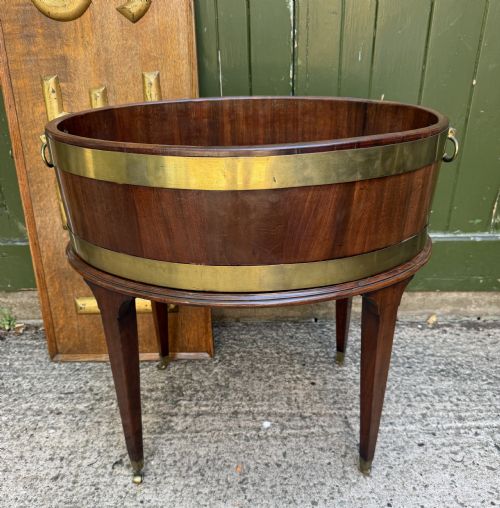
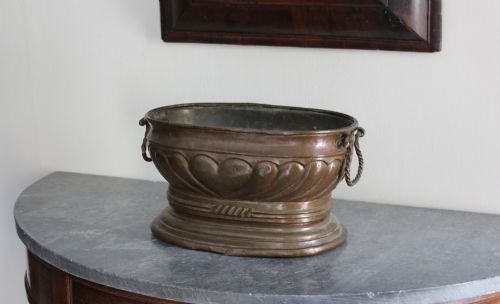
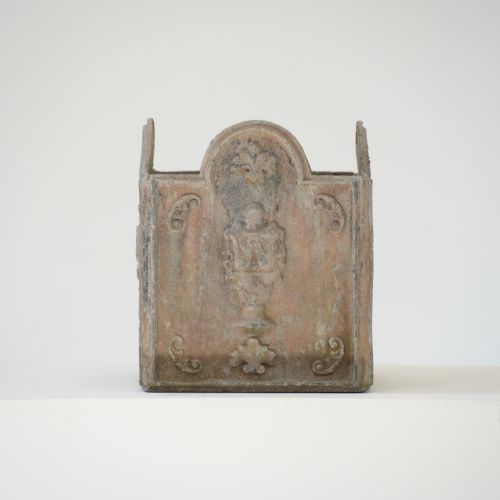
Georgian mahogany wine coolers adapted for floral arrangements appear frequently alongside Dutch brass vessels and lead cisterns. Forms range from oval tubs on stands to square stone troughs and decorative garden urns.
Origin points vary widely across the inventory, including English workshops, Dutch studios, French provincial makers, and Asian export kilns. Each piece reflects the functional aesthetic of its period.
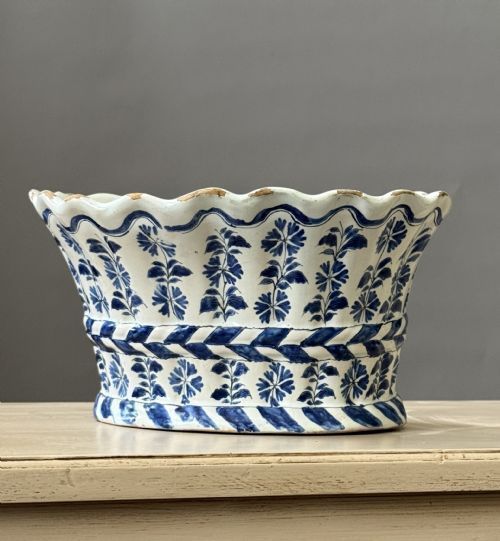
Neoclassical marble cisterns and Delftware bough pots demonstrate the overlap between interior decorative arts and practical garden use during this era. Buyers select these items to anchor traditional room schemes or garden landscapes.
Materials and construction methods
Cabinetmakers constructed wooden versions using figured mahogany, satinwood, and rosewood, frequently incorporating marquetry inlay and watertight lead linings. Cooperage techniques secured overlapping staves with tensioned brass bands.
Metal vessels relied on heavy gauge copper and cast lead, shaped through hammering, soldering, and occasionally inscribed with dates or armorial motifs. Stonework involved hand-carving durable local rock into troughs, baskets, and classical urns.
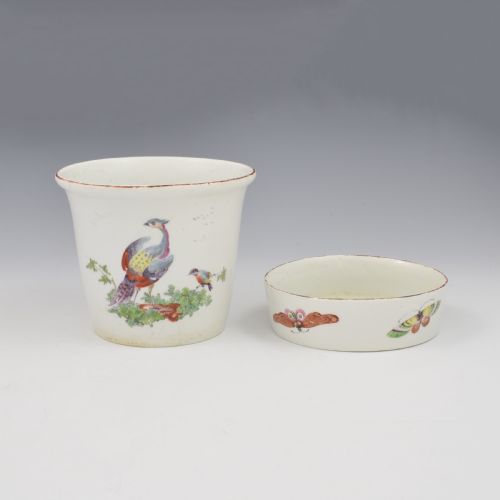
Ceramic pieces utilised tin-glazing on earthenware, porcelain body formulation, and intricate overglaze enamelling. Artisans fired these items in specialised kilns before applying decorative motifs ranging from blue-and-white Delft designs to Imari patterns.
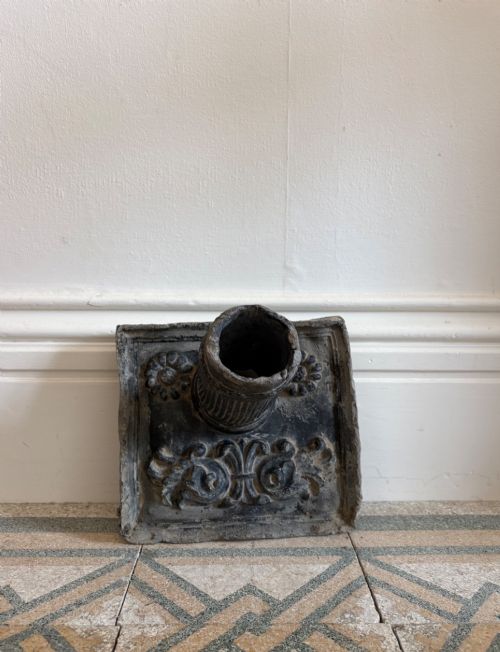
A dated lead cistern panel from 1765 quietly proves that eighteenth-century plumbers enjoyed marine motifs just as much as modern landscape designers.
Distinguishing quality tiers
Superior examples display crispness in carved stone foliage, precise dovetailing in timber stands, and heavy gauge thickness in copper and brass metalwork. Lesser specimens show softer lines, routine secondary woods, or compromised structural stability.
The degree of artistic execution separates standard utility items from elite decorative statements, particularly in hand-painted porcelain and complex marquetry panels. Original stands and matching bases elevate the significance of wooden wine coolers significantly.
Condition remains a primary differentiator, with untouched patinas, intact metal linings, and minimal restoration commanding greater interest from collectors. Altered dimensions or replaced structural elements shift pieces toward the accessible end of the range.
The 18th Century Planter Glossary
- Jardiniere
- An ornamental pot or stand designed to hold living plants or flowers. These items sit on tables or floor pedestals.
- Wine Cooler
- A vessel traditionally lined with metal to hold ice and bottles, frequently repurposed as a planter. George III examples often feature brass bands and mahogany staves.
- Bough Pot
- A ceramic container specifically created for holding branches of flowers or flowering shrubs indoors. They typically feature pierced lids to keep stems upright.
- Delftware
- Tin-glazed earthenware originating from the Netherlands, known for its distinctive white surface and blue painted decoration. Production flourished throughout the period.
- Marquetry
- The art of applying pieces of veneer to a structure to form decorative patterns. Craftsmen utilised exotic woods like rosewood and satinwood for these inlays.
18th Century Planter: Frequently Asked Questions
How were these planters originally used?
Many wooden and metal pieces functioned primarily as wine coolers during formal dining occasions, holding ice and bottles before later conversion into plant holders. Ceramic and stone variants served directly inside formal rooms or outside in courtyards.
Owners placed them on stands or directly on the floor to display indoor flora or garden cuttings. Their robust linings accommodated moisture without damaging surrounding interior furnishings.
Can these planters live outdoors today?
Stone, lead, and thick metal vessels generally withstand external conditions when protected from severe frost expansion. Porous ceramics and fine timber pieces require indoor placement to prevent structural degradation.
Placing wooden furniture variants outside risks warping the mahogany or damaging delicate marquetry inlays. Stone troughs and lead cisterns remain well-suited for contemporary garden settings.
How do I identify a George III piece?
George III items typically employ solid mahogany with characteristic reddish-brown patination and heavy brass binding hoops. Their proportions follow classical architectural rules common to late eighteenth-century British design.
Many incorporate tapered legs, brass carrying handles, or dedicated wooden stands matching the main body. Quality cabinetmaking details like hand-cut dovetails indicate this specific period.
What is the difference between an urn and a jardiniere?
Urns generally feature a footed base rising to a rounded body with classical proportions, often carved from stone or cast in metal. Jardinieres focus on a wider, bowl-like capacity intended specifically for containing potted plants.
Urns lean toward architectural garden ornamentation, while jardinieres often display refined interior finishes like polished wood or fine porcelain. Both terms occasionally overlap in historical inventory descriptions.