


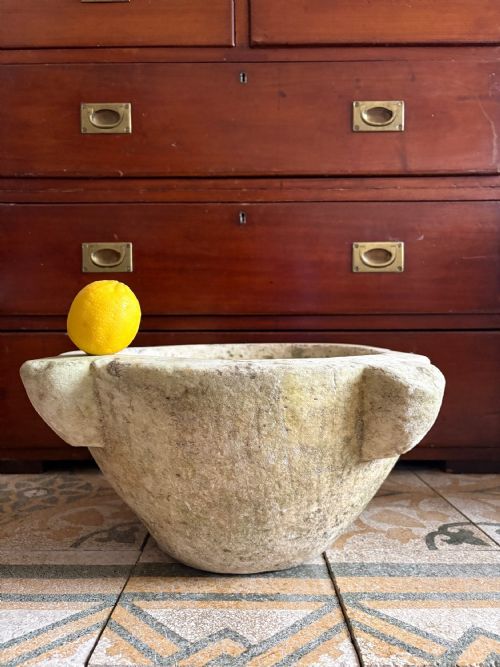


Antique Marble Basin
An antique marble basin brings solid stone surfaces into domestic rooms, offering lasting utility and classical weight for daily washing or grand display.
Antique Marble Basin
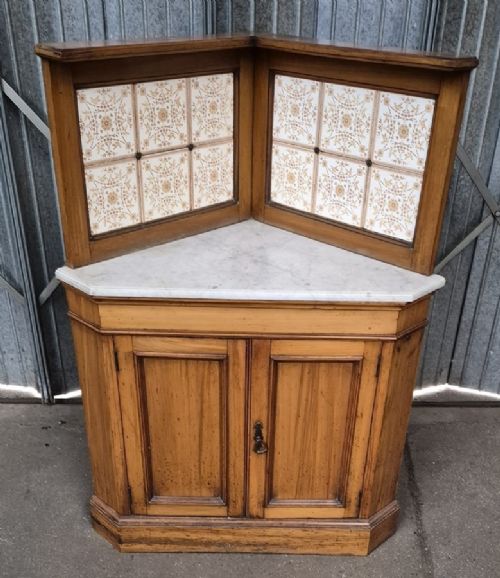
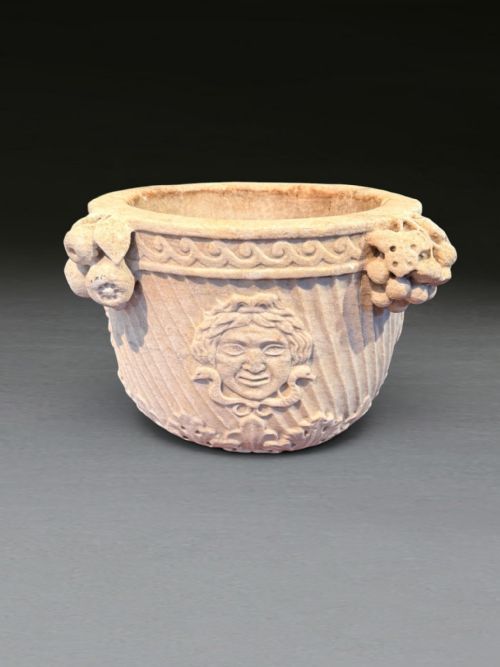
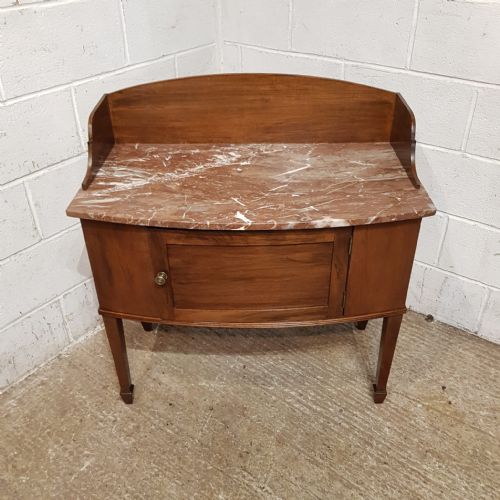
When you search for an antique marble basin, you encounter a variety of heavy stone vessels, carved fountains, and bedroom washstands featuring inset marble tops. The pieces on this page span several centuries, reaching from sixteenth-century Italian Renaissance urns through eighteenth-century mortars and cisterns to Victorian and Edwardian washstands.
Domestic furniture forms dominate the selection, particularly washstands in walnut, mahogany, satinwood, and painted pine that pair stone tops with wooden cabinetry. Alongside these bedroom pieces appear kitchenware mortars, garden planters, fonts, and decorative tazzas carved from solid stone.
Origins vary from English townhouse furniture to grand continental pieces influenced by neoclassical design and the Grand Tour. Buyers select these items for their robust materiality, whether choosing a functional bathroom washstand or a monumental carved vessel.
Materials and construction methods
Makers shaped these items from solid blocks of stone, including white marble, Carrara, and Sienna varieties, often utilising brass or bronze for associated mounts and taps. Wooden washstands incorporate mahogany, walnut, satinwood, and pine frames to support the heavy stone slabs set into their surfaces.
Carving techniques required skilled hand work to hollow deep mortar bowls, shape grand cisterns, and turn pedestals for tazzas and fonts. Cabinetmakers constructed sturdy wooden frames with dovetail joints and inlaid veneers to bear the substantial weight of the fitted stone tops.
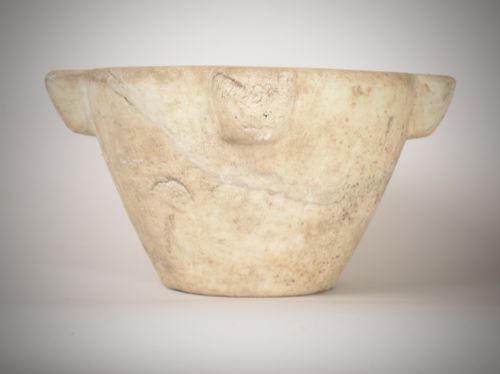
A heavy stone mortar sits quietly waiting for ingredients it last crushed two hundred and fifty years ago.
Markers of fine craftsmanship
Quality rests in the purity and figuring of the stone, the depth and crispness of the hand-carved details, and the integrity of the supporting woodwork. Superior examples display finely polished marble surfaces free from disruptive structural flaws, paired with tightly joined timber cabinets.
Proportion and scale distinguish ordinary utility items from exceptional architectural pieces, such as substantial eighteenth-century mortars or large neoclassical cisterns. The refinement of turned legs, original hardware, and precise joinery elevate the standing of domestic washstands.
Boschetti·Gillows·Minton·Walker & Sons
The Antique Marble Basin Glossary
- Carrara marble
- A type of white or blue-grey stone quarried in Italy, frequently utilised for neoclassical cisterns and fine tabletops. This material provides a smooth, uniform surface favored by sculptors and cabinetmakers alike.
- Washstand
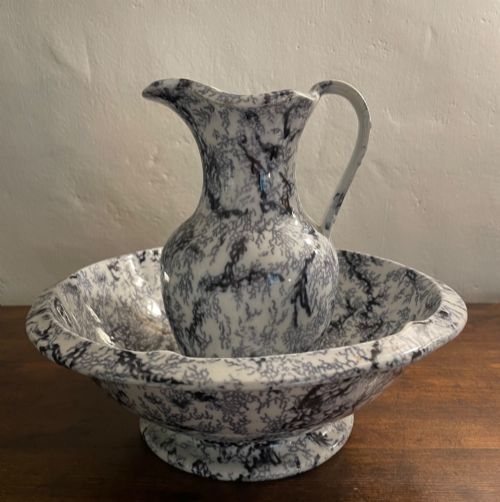
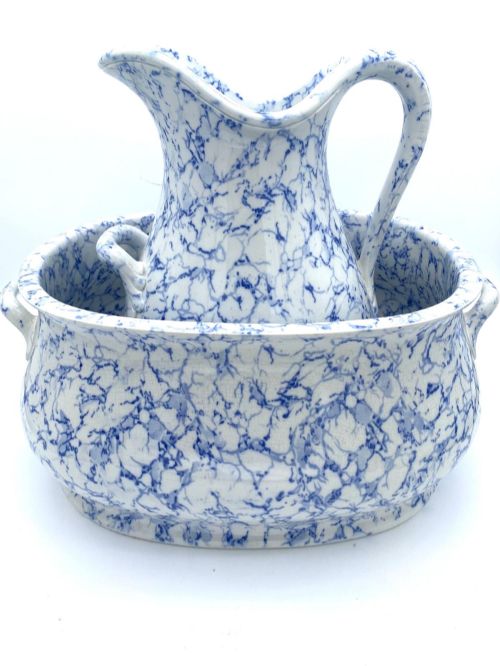
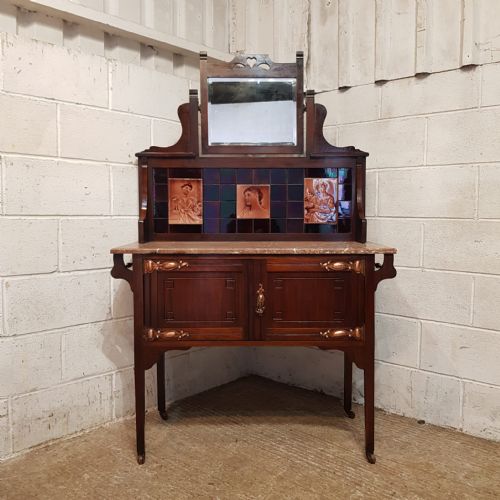
- A piece of bedroom furniture designed to hold a basin and pitcher, often fitted with a marble top to resist water damage. These cabinets frequently include tiled splashbacks and lower storage shelves.
- Tazza
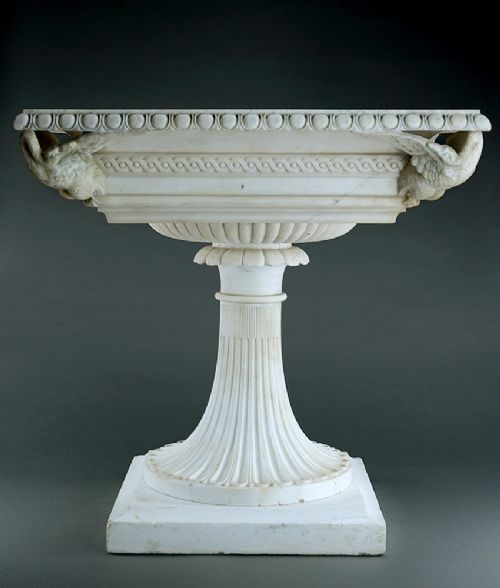
- A shallow ornamental bowl on a pedestal, carved from stone or marble. These decorative vessels often derive from classical models collected during the Grand Tour.
- Mortar
- A heavy stone vessel used for pounding and grinding materials in kitchens or apothecaries. Eighteenth-century examples often exhibit thick walls and substantial diameters.
- Cistern
- A large reservoir container, sometimes fashioned from marble in neoclassical styles to hold liquids. These substantial objects served functional and decorative roles in grand interiors.
Antique Marble Basin: Frequently Asked Questions
How do I clean an antique marble basin?
Wash the stone gently with warm water and a soft cloth, avoiding acidic substances or harsh chemical cleaners that can etch the polished surface.
Dry the marble thoroughly after cleaning to prevent water spots from forming on the vintage stone.
Were these marble tops original to the washstands?
Most nineteenth-century washstands were specifically designed with inset marble slabs to provide a durable, waterproof surface for washing.
Cabinetmakers fitted the stone directly into the wooden frames, occasionally matching them with tiled splashbacks and lower pot boards.
How can I tell an 18th-century mortar from a later piece?
Earlier mortars typically feature thicker walls, heavier proportions, and tool marks left by manual stone-carving chisels rather than mechanical saws.
Substantial eighteenth-century examples often display weathered patination and simpler, utilitarian forms compared to later decorative items.
Can I use an antique washstand in a modern bathroom?
Many buyers adapt antique washstands by placing modern ceramic basins on top or sealing the existing marble surface for contemporary plumbing use.
Ensure the wooden cabinetry is adequately protected from ongoing moisture exposure if installed in a working bathroom.