

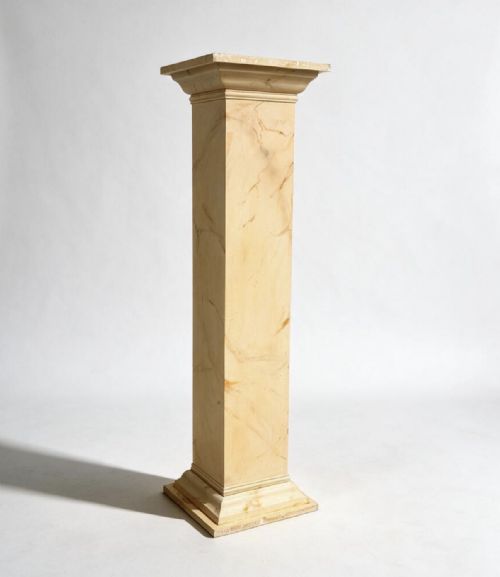
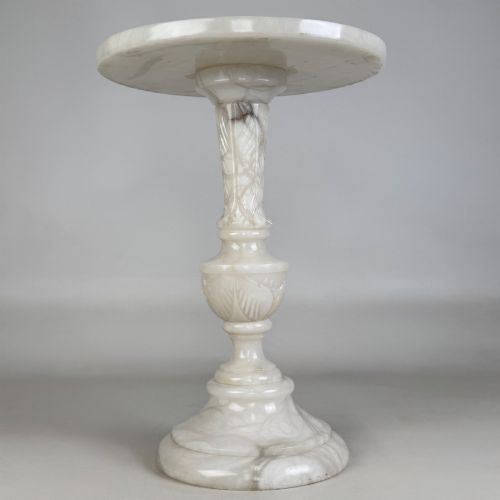
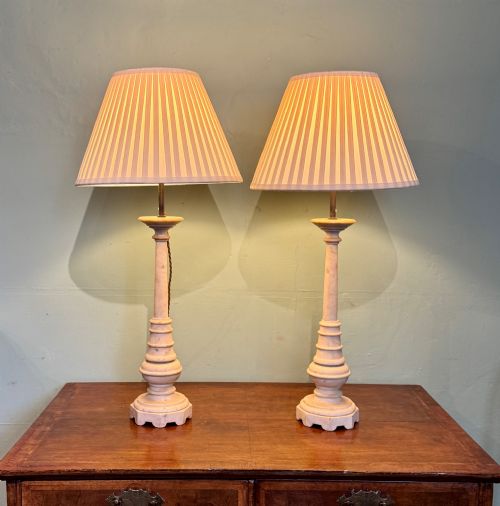
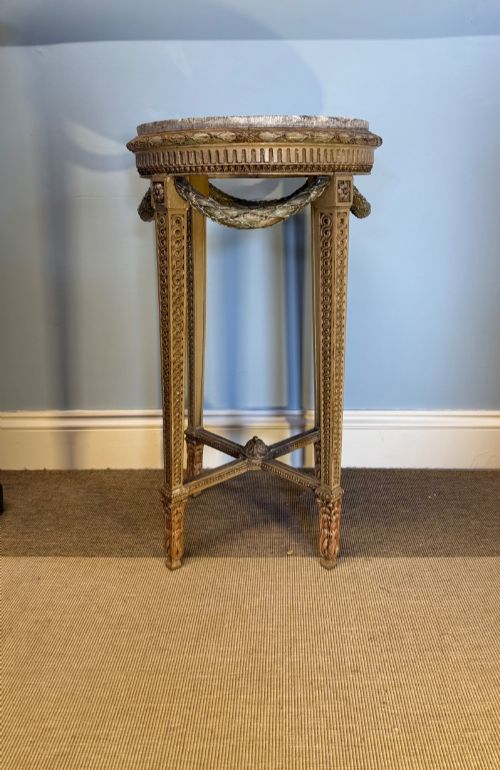
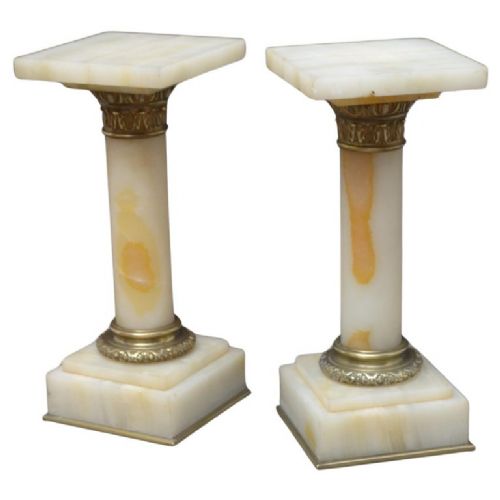


Cream Marble Column
A cream marble column brings classical weight and architectural presence into a room, serving as a dignified support for sculpture or urns.
Cream Marble Column
When you search for a cream marble column, you are looking at substantial stone supports and display pieces designed to elevate objects of interest. These architectural furnishings appear across several distinct historical periods, most frequently dating from the nineteenth century through to the early twentieth century.
The selection ranges from tall pedestals and plant stands to table lamps and low columns. Many pieces incorporate decorative mounts in ormolu, brass, or gilt bronze, whilst others rely entirely on the natural veining and finish of the stone.
Origins span classical revival styles, including Louis XVI and Empire designs, reflecting a sustained European fascination with antiquity. Whether utilised as a plant stand or a lamp base, each object demonstrates the enduring appeal of carved stone in domestic interiors.
How they were made
Makers fashioned these columns from solid natural stones including marble, onyx, and alabaster, occasionally utilising painted plaster or faux marble finishes for decorative effect. The stone was turned and carved to achieve smooth cylindrical shafts, sometimes embellished with fluting or Corinthian capitals.
Metalwork details such as ormolu collars, bronze mounts, and brass tiers were cast and applied to the stone shafts. These metal additions secured structural junctions whilst providing classical ornamentation in the French and Neoclassical traditions.
Cream Marble Column Retail Price Guide 2026
Typical asking prices for cream marble column among the pieces listed under this phrase on Sellingantiques today, from the lower quarter to the upper quarter. They describe what is for sale here now, not the wider market.
Listings feature nineteenth-century, Edwardian, and 1930s periods, incorporating materials such as onyx, marble, brass, ormolu, and carved alabaster.
What varies in quality
The quality of a column rests largely on the selection of the stone and the precision of the carving. Richly figured marble or translucent onyx with distinct natural banding indicates superior material choice compared to uniform or plain stone.
Execution of the metal mounts distinguishes finer examples. Crisp chasing on ormolu or gilt bronze collars shows greater artisan skill than simple cast brass fittings, elevating the overall decorative harmony of the piece.
The Cream Marble Column Glossary
- Ormolu
- Gilt bronze mounts applied for decorative effect. This technique involves gilding a bronze object with a mercury and gold amalgam.
- Tazza
- A shallow cup or bowl mounted on a pedestal. These items frequently appear as part of larger stands or decorative arrangements.
- Capital
- The uppermost member of a column, providing structural support for an entablature or displayed object. Classical examples often feature carved acanthus leaves.
- Neoclassical
- A style inspired by the classical art and architecture of ancient Greece and Rome. It emphasises symmetry, proportion, and restrained ornamentation.
Cream Marble Column: Frequently Asked Questions
How were cream marble columns used historically?
These columns served primarily as pedestals to display busts, urns, and large decorative objects within grand reception rooms and hallways. They raised works of art to eye level, allowing guests to appreciate sculptural details.
Smaller variants functioned as plant stands or specialised table lamps, combining architectural dignity with domestic utility.
What materials are typical for these columns?
Makers utilised natural stones such as white marble, cream marble, sienna marble, and onyx. Alabaster and painted plaster also appear among the recorded examples.
Metal components most commonly feature ormolu, brass, or gilt bronze, used for collars, Corinthian capitals, and decorative mounts.
How do I date a nineteenth-century column?
Dating relies on stylistic markers such as Empire or Louis XVI revival motifs, alongside the specific characteristics of the stone turning and metal casting. Nineteenth-century examples often exhibit hand-chased ormolu mounts and deep natural stone patination.
Construction methods, including how the shaft joins the base and capital, further indicate the period of manufacture.
Where should I place a column at home?
Columns suit corners, entrance halls, or flanking fireplaces where they can anchor a room's spatial composition. Ensure the floor surface is level to support the substantial weight of stone pedestals.
Pair matching columns to frame doorways or display symmetrical arrangements of lamps and urns.