



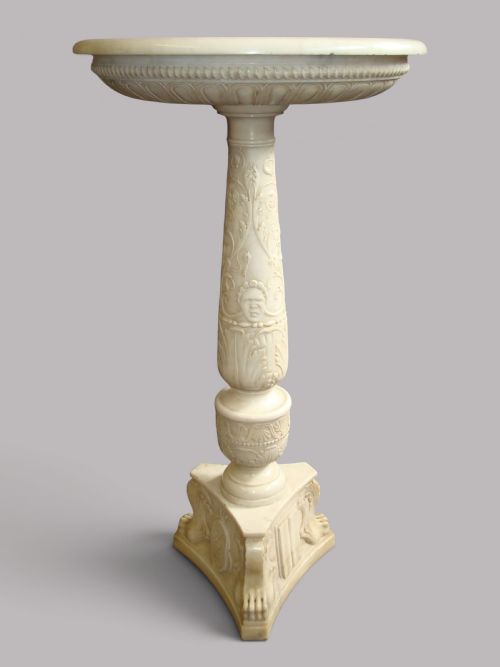


Antique Marble Compote
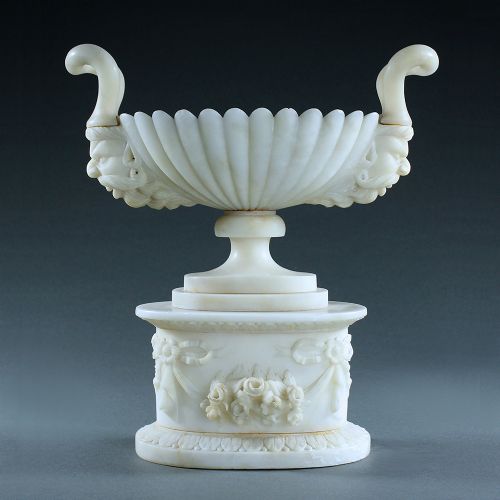
An antique marble compote brings neoclassical grace and heavy stone presence to a room, combining sculpted marble with cast metal.
Antique Marble Compote
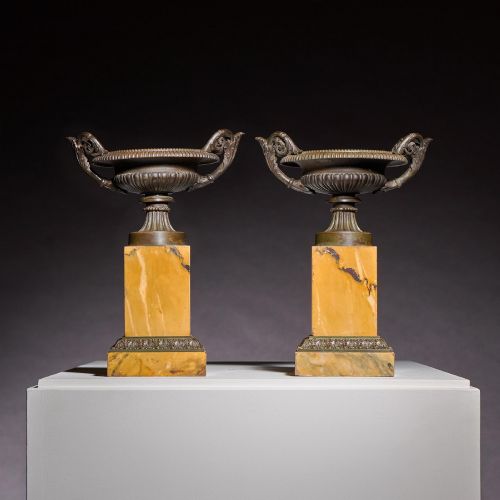
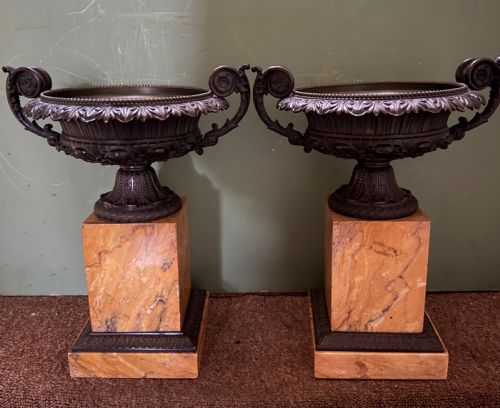
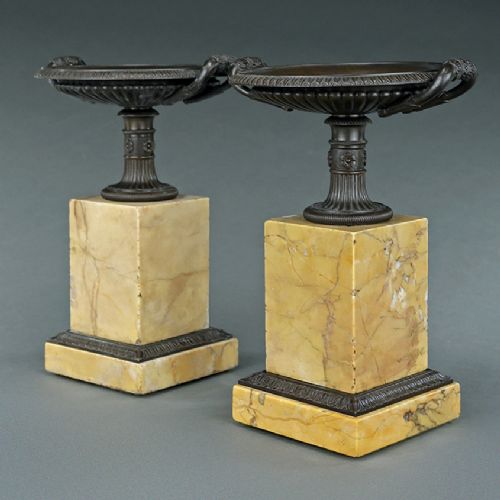
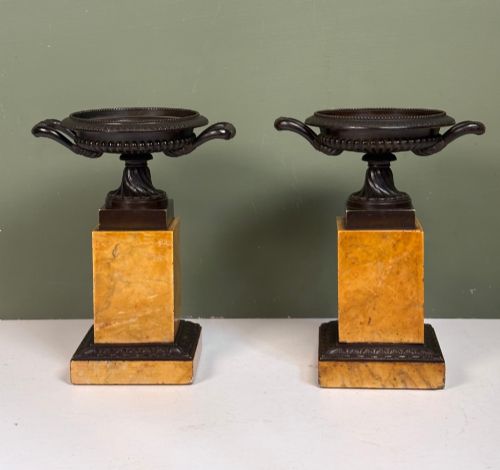
The versions you are most likely to meet on this page hail from the nineteenth century, often appearing as matched pairs. French Empire, Regency, and Grand Tour styles dominate the selection, reflecting classical revival tastes.
Originating largely from French and Italian workshops, these decorative objects combine carved stone with metal mounts. They serve as striking centrepieces for mantelpieces, sideboards, and display tables.
How they were made
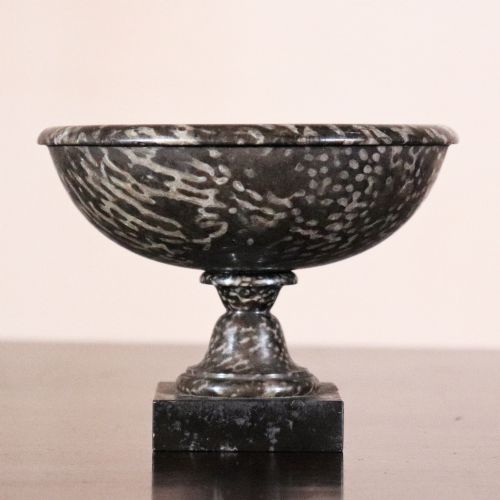
The construction relies on turning and carving solid stone into shallow bowls and pedestals. Craftsmen utilised various types of marble, including Sienna, black, Ashford coral, and antico rosso.
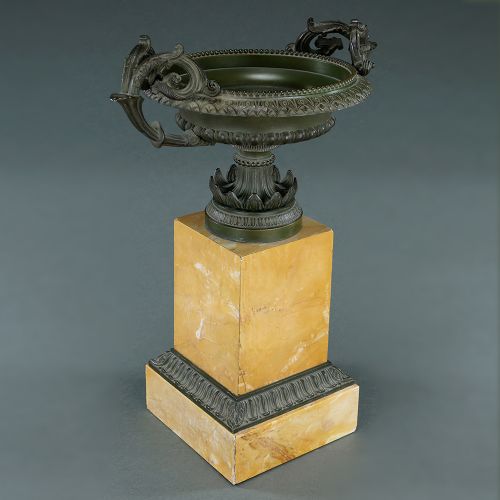
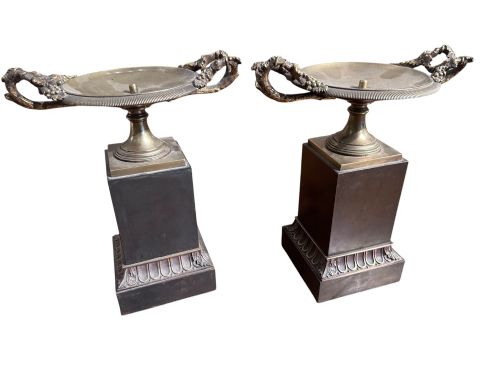
Metalwork forms an integral part of the structure, incorporating bronze, gilt bronze, patinated bronze, and ormolu. Artisans cast these metal mounts to support, collar, and crown the stone bodies in classical motifs.
Antique Marble Compote Retail Price Guide 2026
Typical asking prices for marble compote among the pieces listed under this phrase on Sellingantiques today, from the lower quarter to the upper quarter. They describe what is for sale here now, not the wider market.
Listings here feature nineteenth-century and eighteenth-century pieces, spanning French Empire, Regency, and Grand Tour styles.
What varies in quality
Metal components reveal the hand of the maker through the sharpness of the casting and the richness of the gilding or patination. Heavy proportions and monumental scale also separate ordinary decorative objects from exceptional examples.
The Antique Marble Compote Glossary
- Compote
- A raised bowl used for serving fruit or sweets, though antique decorative versions function primarily as ornamental display pieces. They typically feature a shallow basin elevated on a central stem and foot.
- Tazza
- A shallow cup or bowl mounted on a pedestal and foot, closely related to the compote form. These classical vessels appear frequently in bronze and marble.
- Ormolu
- Gilt bronze produced by applying a mixture of finely powdered gold and mercury to a bronze base, then heating it to drive off the mercury. This technique creates a rich, durable golden surface seen on French nineteenth-century mounts.
- Grand Tour
- A cultural journey undertaken by wealthy young Europeans through France and Italy to study classical antiquities. Souvenirs purchased along the way included miniature architecture and marble tazzas.
- Sienna Marble
- A highly decorative yellow marble quarried in Italy, featuring deep purple and dark grey veining. It was especially favoured during the Regency and French Empire periods for luxury decorative objects.
Antique Marble Compote: Frequently Asked Questions
How were they used historically?
Historically, these footed vessels served as decorative centrepieces on dining tables, sideboards, or console tables. Grand Tour travellers also collected them as reminders of classical sites in Italy.
While some smaller bowls held fruit or sweetmeats, many larger examples functioned purely as ornamental architecture for the home.
How do I style one at home?
Place a marble compote on a mantelpiece, entrance hall console, or bookcase where its sculptural form can be appreciated. Pairs look particularly striking when balanced at either end of a long surface.
Keep the bowl empty to let the veining of the marble and the quality of the bronze mounts speak for themselves.
How do I tell periods apart?
Regency and French Empire pieces often combine Sienna marble with gilt bronze, showing strict neoclassical symmetry and precise casting. Later nineteenth-century examples may display more eclectic Victorian styling or monumental proportions.
Examining the depth of the stone carving and the composition of the bronze helps locate a piece within the eighteenth or nineteenth century.