
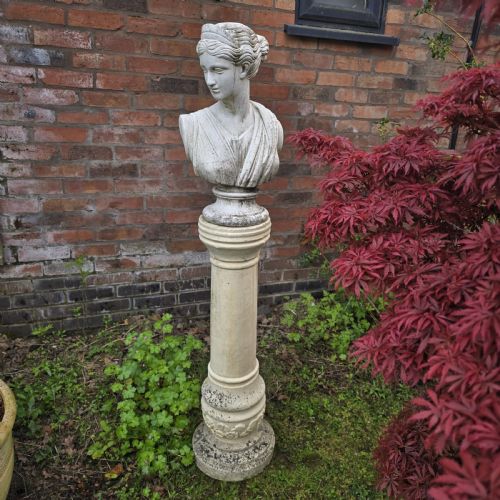


Classical Stone Garden Sculpture
Classical stone garden sculpture brings antiquity and mythology into the open air, offering enduring figures for lawns and terraces.
Classical Stone Garden Sculpture
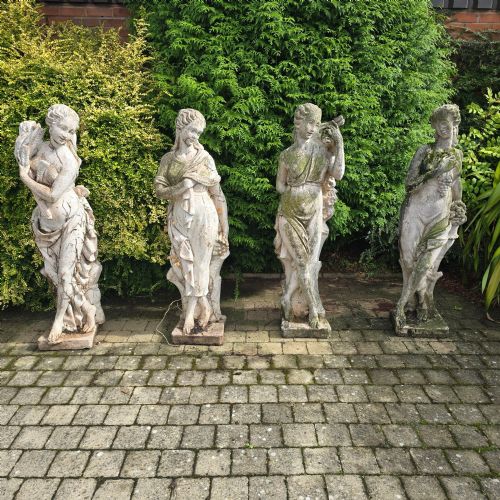
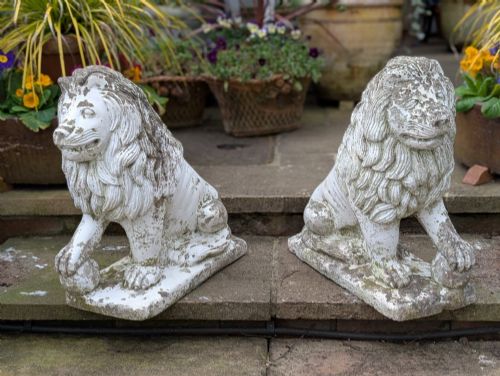
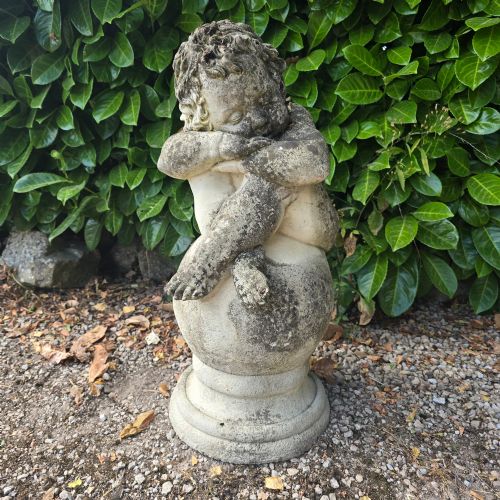
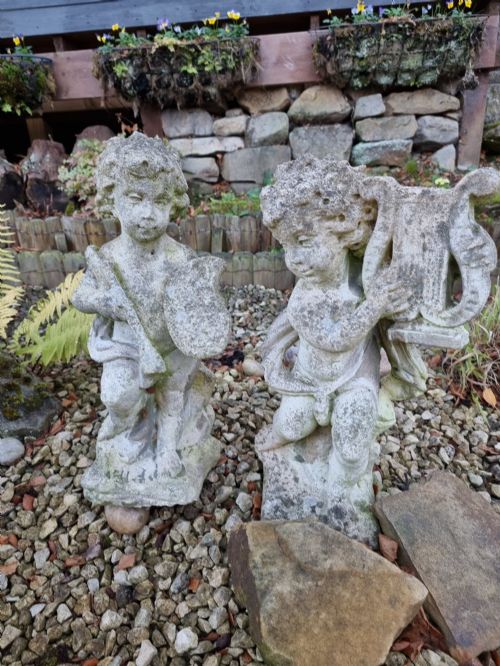
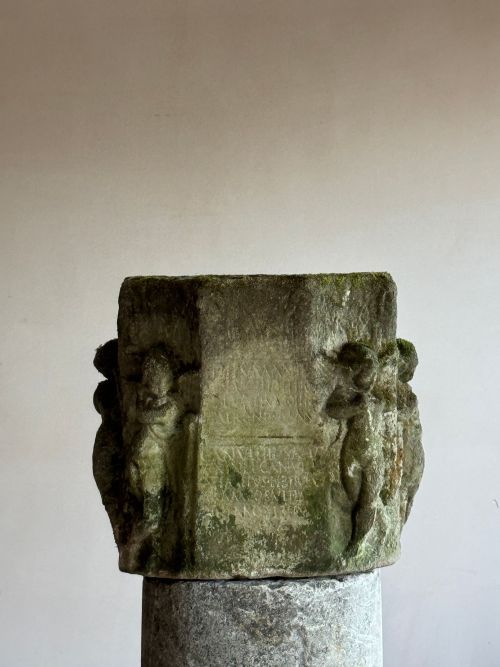
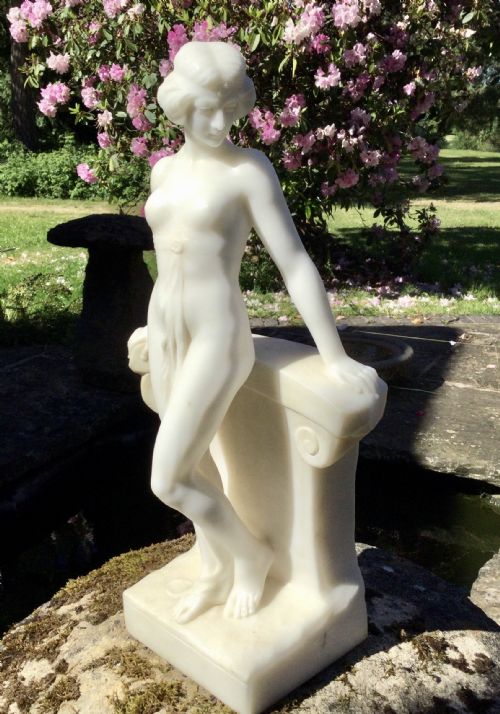
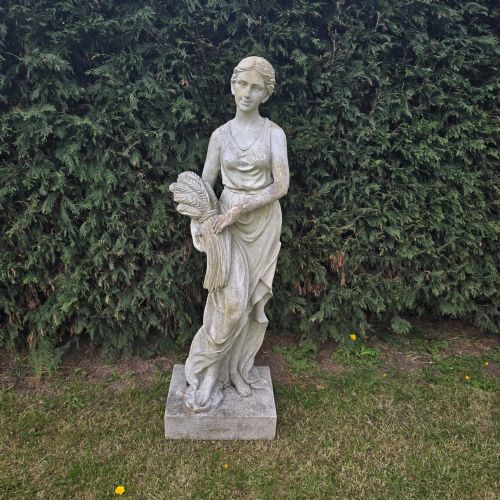
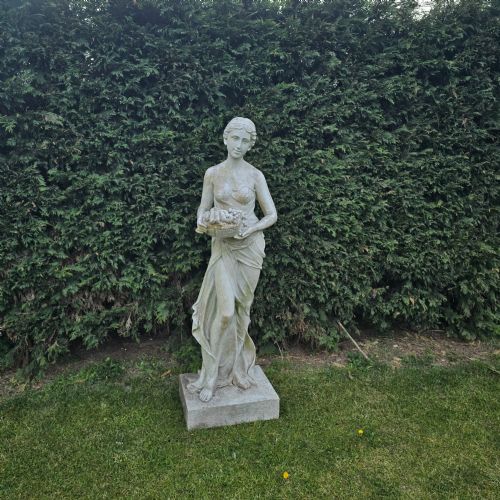
When you search for classical stone garden sculpture, you encounter figures and architectural elements drawn from mythology and antiquity. The pieces range from life sized representations of the Four Seasons and figures like Venus or Athena to lions and cherubs designed for outdoor display.
You are most likely to meet twentieth century interpretations alongside nineteenth century examples on this page. Forms include garden statues, busts on plinths, pedestals, and architectural antiques shaped in neoclassical and classical revival styles.
How they were made
Materials span carved marble, such as Carrara marble, alongside moulded mediums like reconstituted stone, cast stone, concrete, and composite stone. Artisans carved solid marble by hand, whilst cast and reconstituted stone pieces utilised moulds mixed with aggregate and cement.
The object types recorded here include garden statuary, architectural antiques, pedestals, and busts of historical figures like Athena and David.
What varies in quality
The choice of material dictates longevity and aesthetic depth, with hand carved solid marble offering a natural crystalline structure that cast concrete and composite stone emulate through aggregate selection.
The Classical Stone Garden Sculpture Glossary
- Reconstituted stone
- A manufactured material made from crushed stone or marble aggregate mixed with a binder to imitate natural stone. It allows for the mass production of detailed garden ornaments.
- Neoclassical
- A style dating from the eighteenth and nineteenth centuries that draws inspiration from the classical art and culture of ancient Greece and Rome. It emphasises symmetry, proportion, and mythological themes.
- Pedestal
- An architectural support or base upon which a bust, vase, or statue is elevated. These structures often feature classical moulding and plain or panelled shafts.
- Carrara marble
- A type of white or blue grey marble from the city of Carrara in Italy, widely used for centuries in sculpture and architecture. It is prized for its fine grain and consistent texture.
- Cast stone
- A building product manufactured from Portland cement, fine and coarse aggregates, and colour pigments to simulate natural cut stone. It provides a durable alternative for exterior statues and architectural dressings.
Classical Stone Garden Sculpture: Frequently Asked Questions
How do I clean marble statues?
Clean marble garden sculptures gently using water and a soft brush to remove organic growth like moss or dirt.
Avoid harsh chemical detergents or acidic cleaners, which etch the stone and damage the polished surface over time.
Can cast stone stay outside?
Cast and reconstituted stone pieces are manufactured specifically for exterior placement on lawns, terraces, and garden paths. They withstand normal weathering conditions throughout the seasons.
Extreme frost can occasionally affect saturated concrete, so placing heavy items on timber blocks or draining surfaces during winter helps prevent cracking.
What is a plinth used for?
A plinth elevates a bust, urn, or garden statue to improve its visibility and presence within a landscape design. Raising the sculpture protects the base from damp soil and ground moisture.
These architectural supports often feature classical moulding that complements the proportions of the mounted figure.
How do I tell marble from cast stone?
Examine the surface under magnification to check for crystalline sparkle and natural veining characteristic of quarried marble. Carved marble also displays subtle chisel marks in recessed areas.
Cast stone often reveals tiny air bubbles from the moulding process and lacks the crystalline depth found in solid carved stone.