


French Neoclassical Figurine
A French neoclassical figurine brings classical mythology and historical figures into a room through finely cast bronze or porcelain.
French Neoclassical Figurine
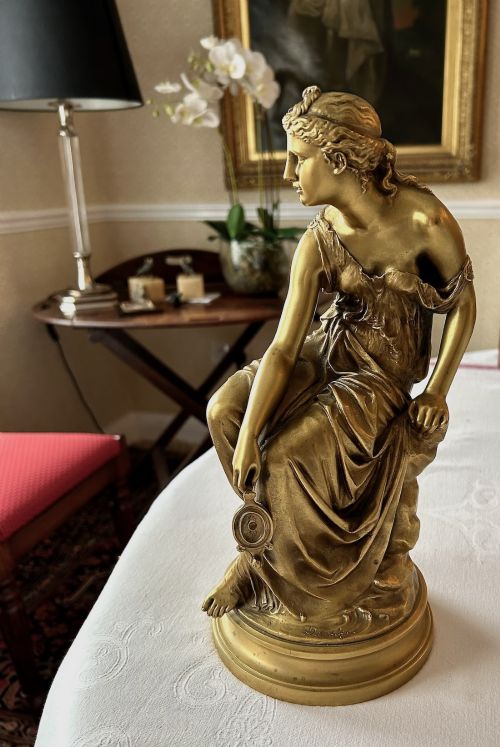
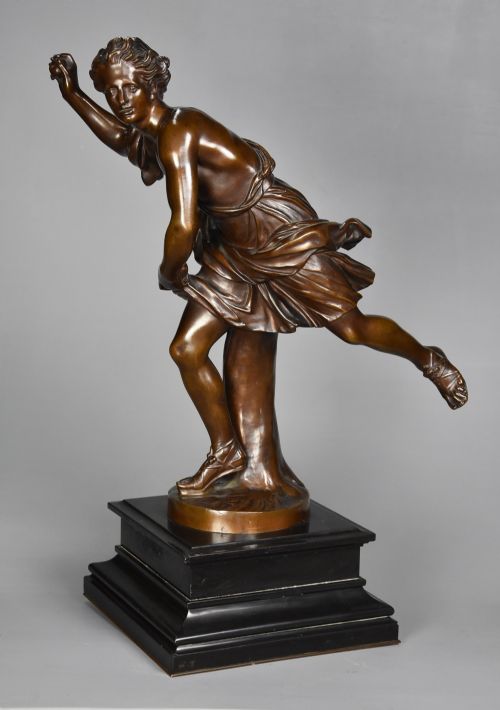
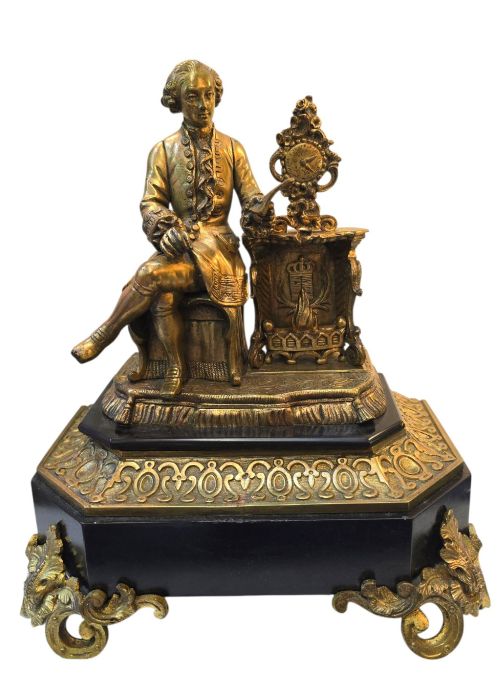
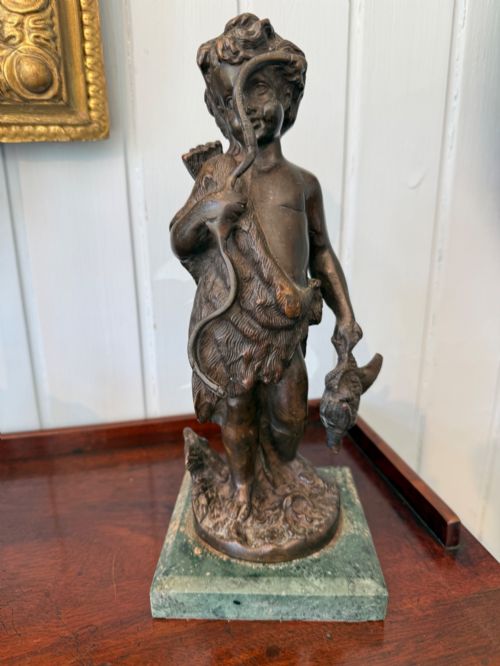
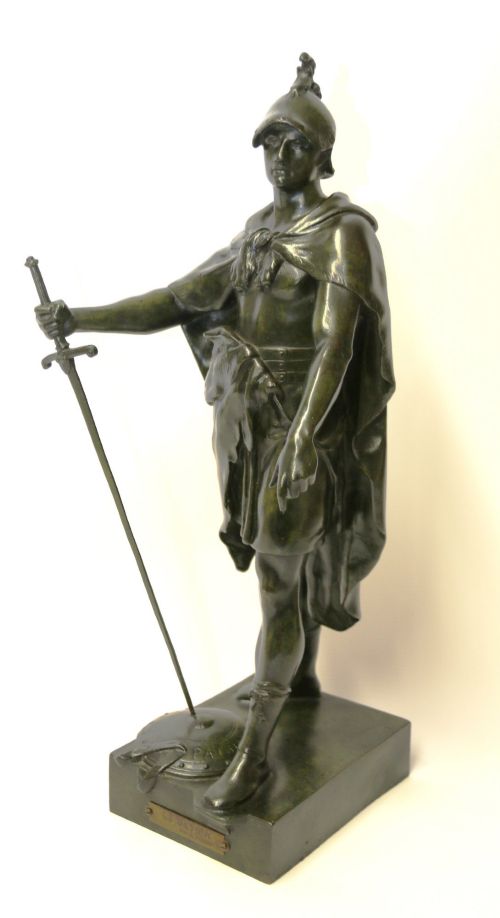
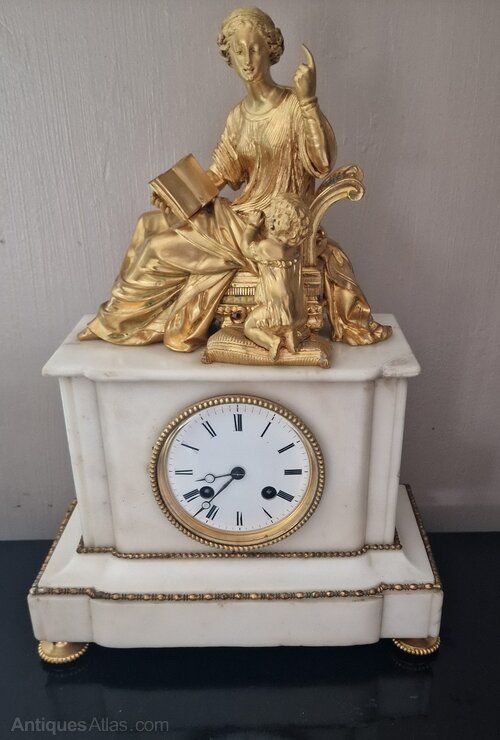
A French neoclassical figurine represents classical deities, literary figures, and historical personages cast in bronze, carved in marble and alabaster, or modelled in bisque porcelain. The versions most commonly encountered on this page originate from the nineteenth century, spanning periods from the Directoire and Restauration eras through the late Victorian years.
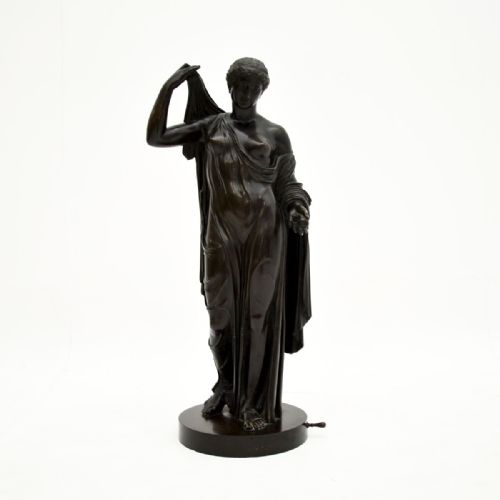
These pieces appear in various functional and decorative objects, including standalone statues, mantel clocks, and table lamps. Subjects range from mythological figures like Venus, Cupid, and Diana to robed ladies, cherubs, and classical maidens.
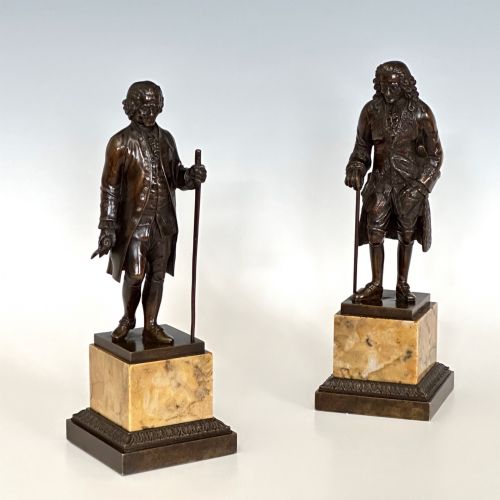
Many of these sculptures look back to antique sculpture found on the Grand Tour, translating classical grace into domestic nineteenth-century ornaments. Others portray literary characters and historical figures such as Voltaire, Rousseau, and Marie Antoinette.
Materials and methods
Foundry casting utilised bronze, often finished with gilt or patinated surfaces to accentuate detail and create depth. Ormolu and brass also appear in clock mounts and decorative fittings.
Carving employed marble, alabaster, and frosted glass, while ceramic works utilised bisque porcelain and Sevres bodies. These materials allowed makers to achieve smooth flesh tones and intricate drapery folds.
Materials span bronze, gilt bronze, patinated bronze, ormolu, marble, alabaster, bisque porcelain, and frosted glass.
Assessing the execution
The quality of the material preparation and the subtlety of the patina dictate visual depth. Superior patination and careful gilding enhance the modelling rather than obscuring the surface texture.
Etienne-Henri Dumaige·Barbedienne·Émile Louis Picault·Berger Paris·James Pradier·Susse Freres·Carrier-Belleuse·Leon Pilet·Clodion·Falconnet
The French Neoclassical Figurine Glossary
- Ormolu
- Gilded bronze used widely in mounts and decorative objects during the nineteenth century. This technique involves applying a mercury-gilt finish to cast bronze.
- Bisque porcelain
- Unglazed white porcelain that produces a matte, marble-like surface texture. It gained favour for sculptural busts and classical figurines.
- Patinated bronze
- Bronze treated with chemical solutions to produce a darkened or coloured surface finish. This treatment highlights the contours of the sculptural form.
- Grand Tour
- A traditional trip through Europe undertaken by upper-class scholars and collectors to acquire classical antiquities and souvenir bronzes. These small-scale copies informed nineteenth-century French production.
- Restauration
- A French stylistic period spanning the early nineteenth century between the fall of the Empire and the July Monarchy. Pieces from this era often feature restrained classical motifs.
French Neoclassical Figurine: Frequently Asked Questions
What periods do these figurines date from?
The pieces span the nineteenth and early twentieth centuries, with a heavy concentration in the Victorian era and the decades around eighteen-eighty. Earlier examples date from the Directoire and Restauration periods near eighteen-hundred.
Stylistic markers and foundry marks help anchor pieces within these specific nineteenth-century windows.
How were bronze figures finished?
Foundries applied various surface treatments, including chemical patination to darken the bronze or gold leaf and ormolu to provide bright metallic highlights. These finishes protected the metal while accentuating the sculptural contours.
Different treatments create contrasting visual effects, ranging from deep brown patinas to brilliant gilded surfaces.
Who made these sculptures?
Many works are produced by notable French sculptors and executed by prominent foundries such as Barbedienne and Susse Freres. Signatures or foundry stamps often appear directly on the bronze base.
Other items originate from porcelain manufactories like Sevres or glasshouses such as Baccarat.
How do you display them in a home?
These sculptures suit mantelpieces, tables, and pedestals where their three-dimensional forms can be viewed from multiple angles. Combining them with compatible nineteenth-century clocks or lamps reinforces the neoclassical aesthetic.
Stable surfaces and protection from direct sunlight help preserve delicate materials like alabaster and bisque porcelain.