







Vintage Female Nude Sculpture
A vintage female nude sculpture brings the fluid lines of past decades into a room, spanning styles from Neoclassical to Art Deco.
Vintage Female Nude Sculpture
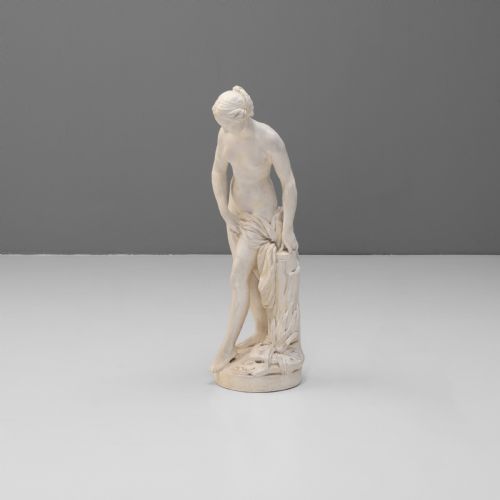
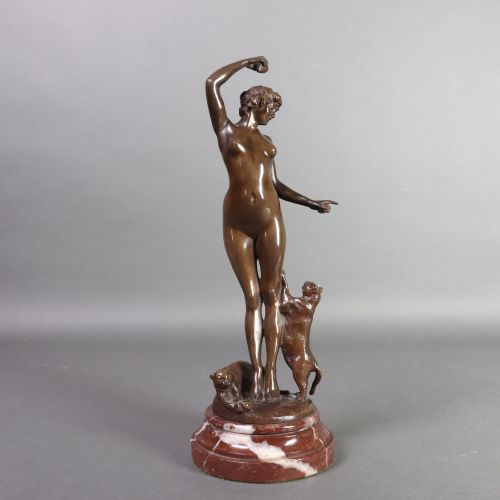
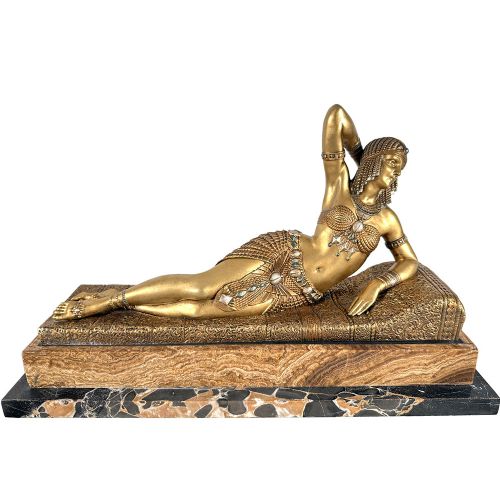
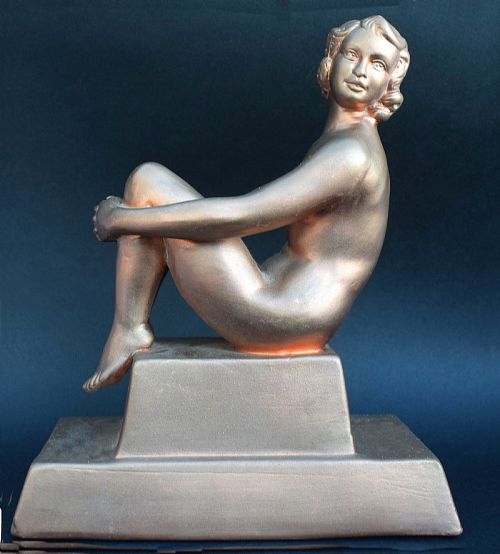
A vintage female nude sculpture captures the human form through figures of dancers, bathers, and reclining studies. When searching for this phrase, collectors encounter works ranging from nineteenth-century classical depictions to dynamic twentieth-century forms.
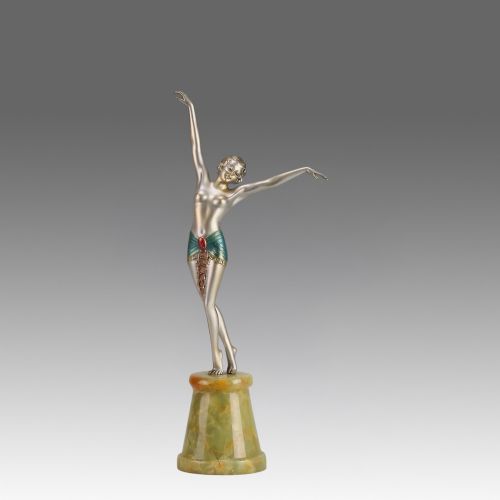
The pieces on this page lean heavily towards the twentieth century, particularly the Art Deco period, alongside Art Nouveau and Belle Epoque examples. Materials shift from traditional marble and alabaster to cast bronze, spelter, and porcelain.
Forms vary from cabinet-sized figurines and statuettes to larger sculptures and car mascots. French makers dominate the selection, bringing distinct continental flair to the portrayal of the female figure across these periods.
Materials and methods
Bronze casting relies on the lost-wax technique, allowing makers to achieve intricate details in cold-painted or patinated surfaces. Spelter appears as a frequent economical alternative to bronze, often finished with metallic paints to simulate genuine bronze patination.
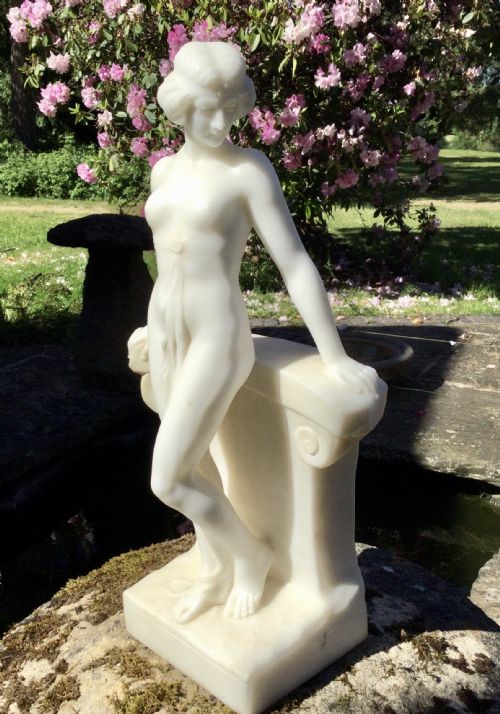
Carved pieces utilise dense stones such as marble, onyx, and alabaster, alongside warm timbers like limewood. Porcelain and biscuit statues undergo high-temperature firing, sometimes accented with glazes or gilding to highlight the contours of the subject.
Vintage Female Nude Sculpture Retail Price Guide 2026
Typical asking prices for vintage female nude sculpture among the pieces listed under this phrase on Sellingantiques today, from the lower quarter to the upper quarter. They describe what is for sale here now, not the wider market.
Listings feature works spanning the 1880s to the 1930s, executed in bronze, marble, spelter, and porcelain across Art Deco and Art Nouveau styles.
Evaluating the craftsmanship
The refinement of the casting and carving dictates the fidelity of the musculature and drapery. Superior works display crisp anatomical definition and deliberate surface patination, whereas lesser examples show softer lines and obscured details.
The integration of mixed media, such as bronze figures mounted onto carved marble or onyx bases, requires precise fitting. Higher quality pieces maintain structural harmony between the subject and its plinth without visible gaps or rough joins.
Ouillon Carrere·Gustave Dussart·Josef Lorenzl·Sibylle May·Demetre Chiparus·Maurice Guiraud Riviere·Hans Müller·Pierre Le Faguays·Paul de Boulogne·Royal Dux·Ugo Cipriani·C Neuhaus·Bruno Zach·Gustav Adolf Daumiller·Mario Korbel
The Vintage Female Nude Sculpture Glossary
- Patina
- The surface coloration or sheen developed naturally over time or applied chemically by the maker. This finish protects the metal and defines the contours of the sculpture.
- Spelter
- A zinc alloy commonly utilised as a less costly substitute for bronze in decorative figures. It accepts various surface coatings to mimic heavier metals.
- Cold-painted
- A method where paint is applied to metal, usually bronze, without subsequent firing. This technique produces vibrant polychrome surfaces on figures.
- Biscuit
- Unglazed white porcelain that yields a matte, stone-like texture reminiscent of carved marble. It was favoured for nineteenth-century figurative works.
- Car mascot
- A sculptural ornament mounted on the radiator cap of an automobile. These pieces often took the form of stylised female figures in motion during the Art Deco era.
Vintage Female Nude Sculpture: Frequently Asked Questions
What periods do these sculptures cover?
The listings span from the late nineteenth century through the early decades of the twentieth century. Major stylistic movements represented include Neoclassical, Art Nouveau, and Art Deco.
Dates cluster heavily around the 1920s and 1930s, capturing the transition from ornate floral lines to geometric forms. Pieces from the 1880s and 1900s offer a more classical or transitional aesthetic.
How do I identify Art Deco pieces?
Art Deco sculptures typically feature streamlined forms, stylised drapery, and dynamic poses associated with dancers and athletes. The human figure is often depicted with elongated proportions and sharp symmetry.
Materials frequently include patinated bronze paired with geometric marble bases, or silvered finishes that reflect the modernity of the interwar period.
Where were these sculptures made?
France emerges as the primary origin for these figurative works, particularly through Parisian foundries and independent artists of the early twentieth century. English and American makers also contribute to the selection.
Continental porcelain factories, such as Royal Dux, produced ceramic interpretations of the female form that mirrored contemporary bronze trends.
How should I display a stone base?
Heavy marble or onyx plinths require stable, flat surfaces capable of supporting substantial weight. Position the sculpture away from direct heat sources to protect natural stone and mounted metal patinas.
Ensure the display area allows adequate clearance to view multi-faceted figures from various angles, particularly dynamic dancer studies.