


Weathered Stone Garden Statue
When you search for a weathered stone garden statue, you find figures and ornaments shaped from cast and carved stone that bring age and character to outdoor spaces.
Weathered Stone Garden Statue
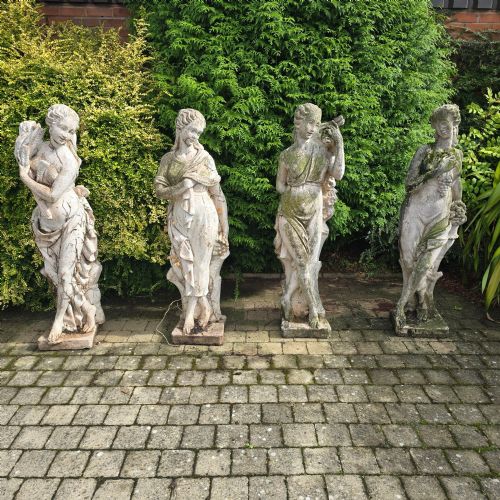
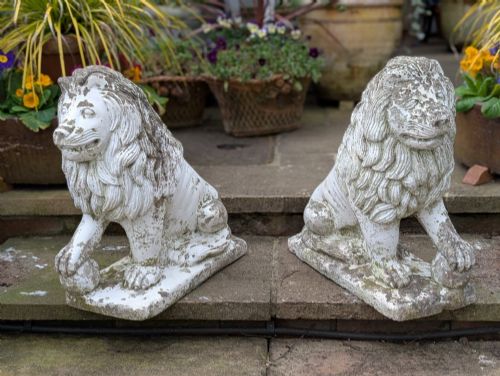
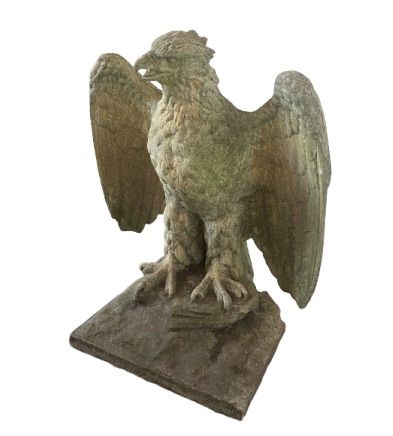
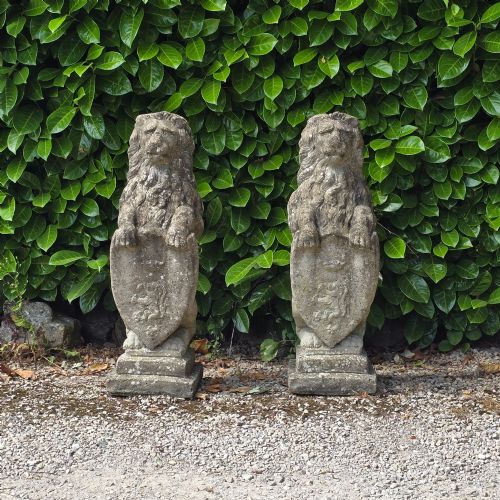
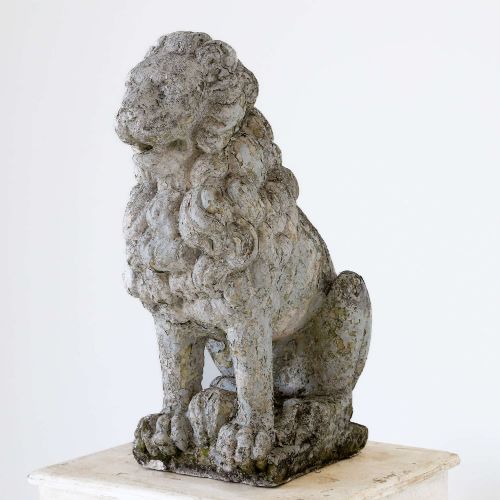
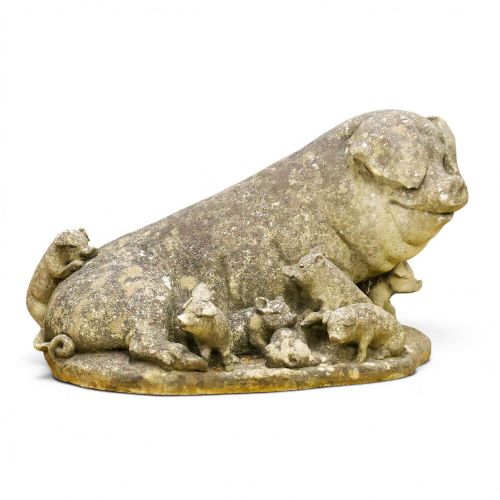
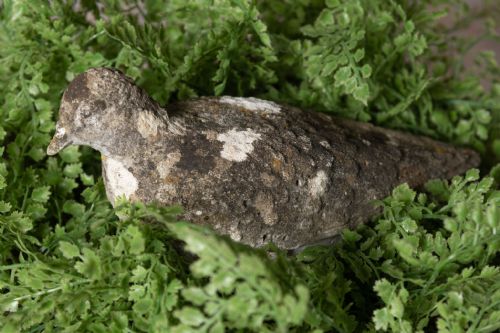
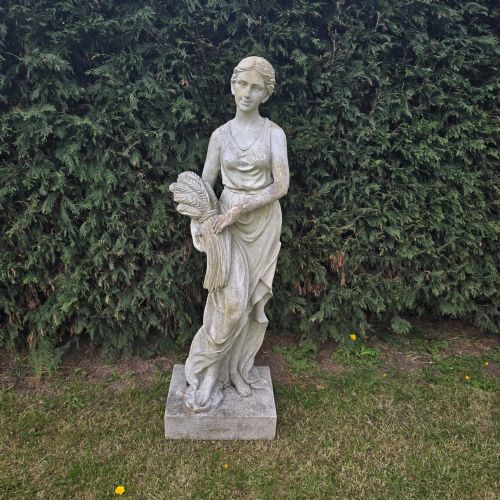
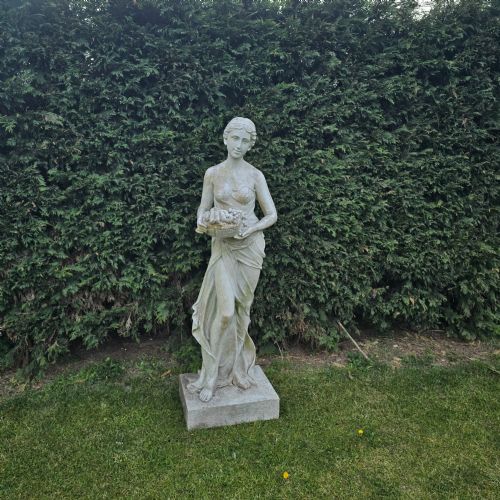
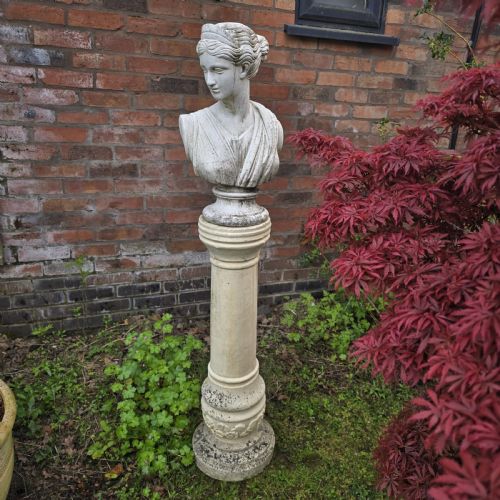
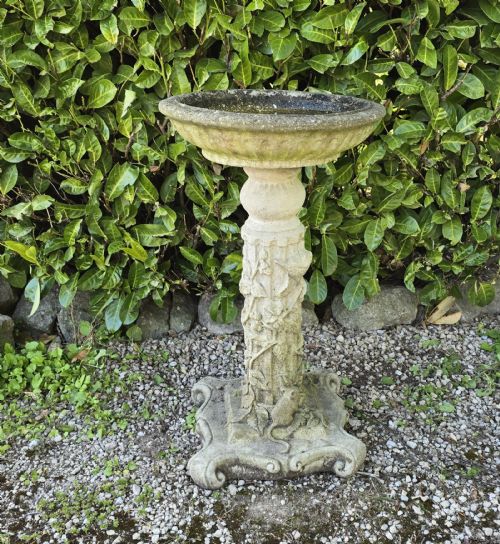
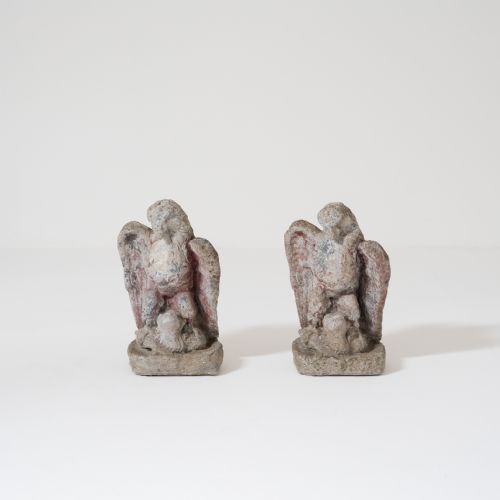
A weathered stone garden statue encompasses figures, animals, busts, and architectural ornaments designed to stand in open air. The selection ranges from classical representations of the Four Seasons and mythical figures to lions, eagles, and domestic animals.
Most examples date from the nineteenth and twentieth centuries, taking the form of garden statues, bird baths, and pier finials. Pieces appear frequently on pedestals or plinths, reflecting formal garden layouts of the Edwardian era and the mid-twentieth century.
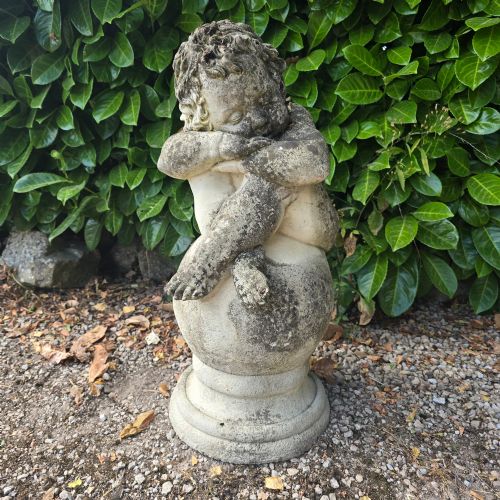
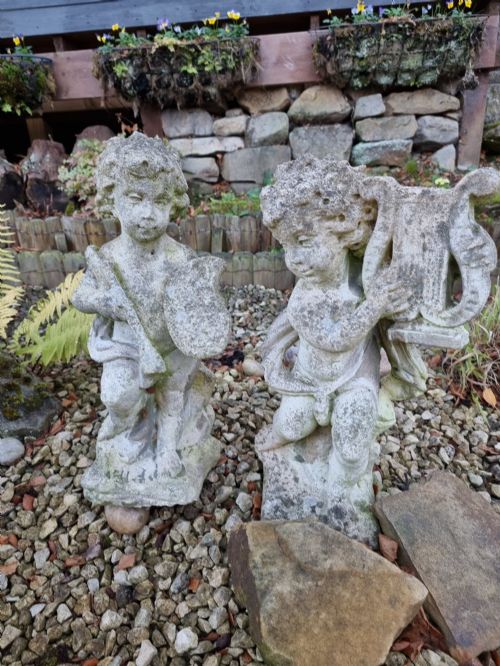
Moulded and carved pieces share garden spaces, varying from life-sized human figures to compact animal groups. Their surfaces show decades of exposure to weather, developing patinas that distinguish older garden ornaments from new ones.
How they were made
Makers produced the majority of these garden ornaments using cast stone, reconstituted stone, and composite stone poured into moulds. These techniques allowed workshops to replicate intricate classical details on figures, animals, and architectural finials efficiently.
Traditional carvers worked directly in limestone, marble, and Yorkshire limestone for bespoke commissions and significant architectural salvage. Some surfaces retain traces of original old paint or flaky finishes applied to early twentieth-century casts.
Materials range from hand-carved marble and Yorkshire limestone to moulded composite stone and concrete.
What varies in quality
The choice of material dictates longevity and texture, with carved marble and limestone standing apart from standard cast compositions. Proportion and anatomical accuracy in figures and animals separate standard garden ornaments from exceptional sculptures.
The Weathered Stone Garden Statue Glossary
- Reconstituted stone
- A manufactured material made from crushed stone aggregate mixed with a binder to create durable garden ornaments. It mimics the appearance of natural carved stone.
- Pier finial
- An architectural ornament placed on top of a gate pier or wall post. Eagles and lions frequently serve this decorative structural purpose.
- Neoclassical
- A style drawing inspiration from the classical art and culture of ancient Greece and Rome. Statues of Venus, Athena, and draped ladies embody this aesthetic.
- Cast stone
- Concrete or aggregate mixture poured into a mould to form statues and plinths. This technique gained widespread popularity in the twentieth century.
- Architectural salvage
- Building elements and ornaments rescued from historic structures. Pieces such as Gothic pinnacles from minsters find new life in gardens.
Weathered Stone Garden Statue: Frequently Asked Questions
How do I clean a weathered stone garden statue?
Gentle brushing with water removes loose dirt without disturbing the aged patina.
Avoid harsh pressure washers that can erode cast surfaces and strip historic paint.
Can garden statues stay outside in winter?
Most stone and cast composition pieces tolerate winter weather if they sit clear of standing water.
Placing items on timber battens prevents moisture absorption from freezing ground.
What is the difference between cast stone and carved stone?
Cast stone is poured into moulds using aggregate mixtures, allowing for repeatable production of garden figures.
Carved stone involves chiseling directly from blocks of natural material like limestone or marble.
How do I secure heavy garden statues?
Large figures and pier finials rely on their substantial weight and balanced placement on plinths.
Dowel pins or mortar secure tall sculptures against strong winds in exposed garden locations.