



Classical Female Garden Figures
Classical female garden figures bring quiet dignity to a lawn or terrace, drawing on centuries of sculptural tradition for outdoor spaces.
Classical Female Garden Figures
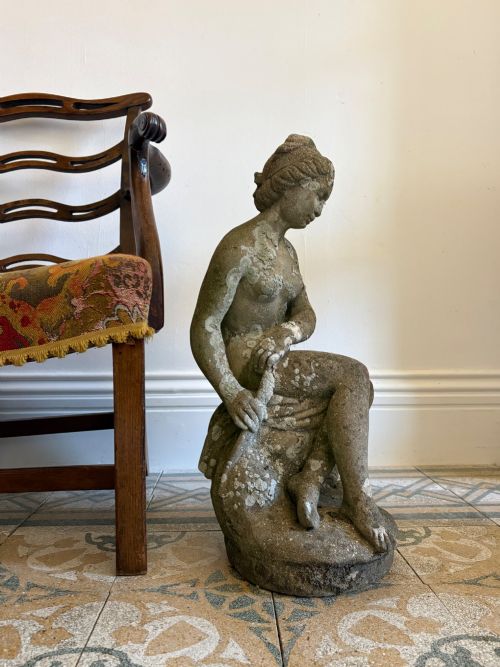
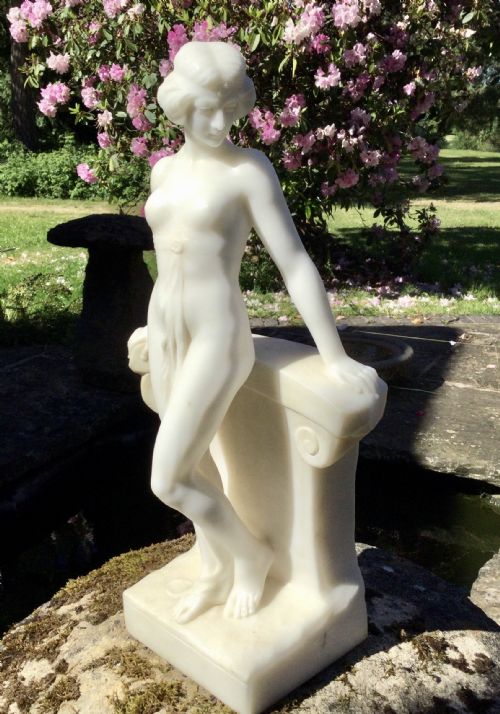
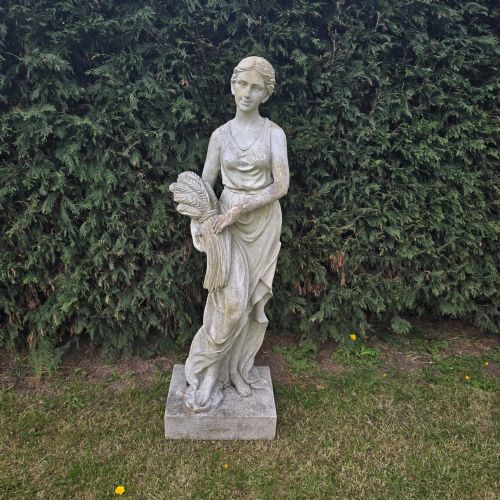
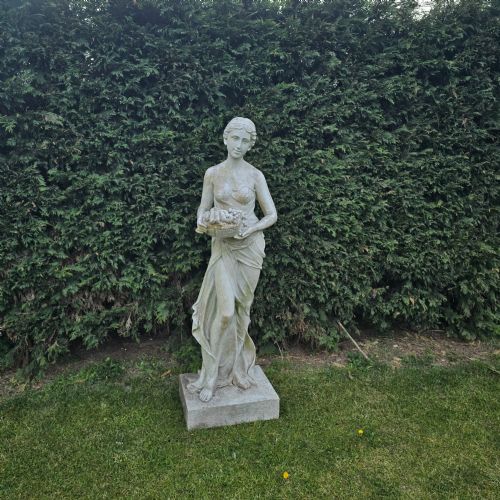
Classical female garden figures represent mythological deities, allegorical seasons, and draped maidens designed to anchor outdoor spaces. When searching for classical female garden figures, buyers encounter pieces ranging from nineteenth century marble statues to mid twentieth century stone garden statues.
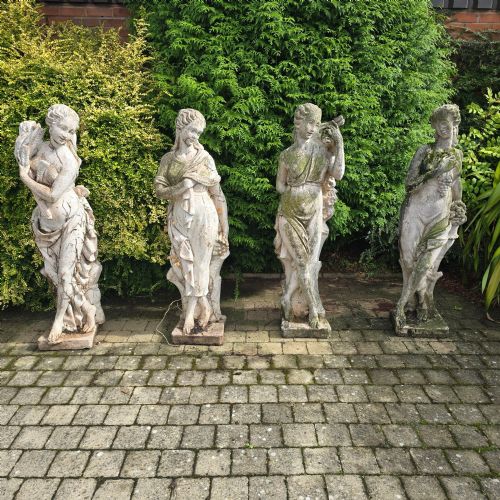
The selection includes life sized representations of figures such as Summer and Autumn alongside interpretations of ancient forms like the Venus de Milo. Makers draw upon neoclassical revival and classical revival styles to create sculptures intended for integration into garden architecture.
How they were made
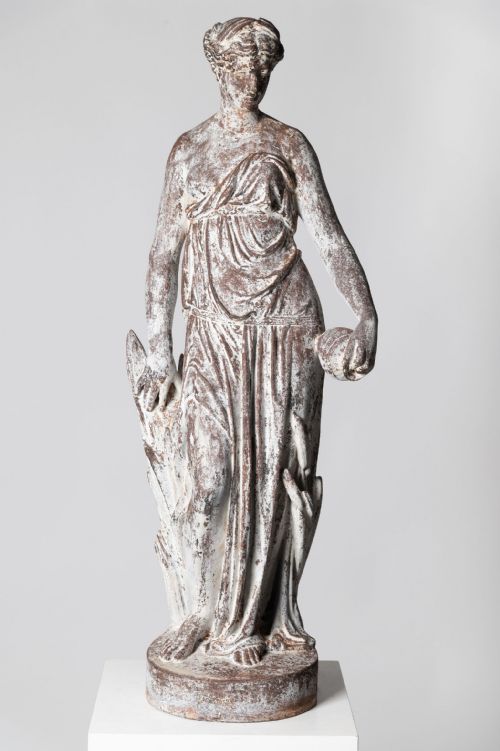
Sculptors shape these pieces from solid white marble, carved stone, and terracotta using traditional masonry and modelling techniques. Foundries utilise cast iron, evidenced by works from the Val d’Osne foundry, pouring molten metal into detailed moulds.
Many outdoor examples utilise reconstituted stone, cast stone, or concrete to withstand weather while replicating the appearance of quarried stone. Interior or sheltered placements occasionally employ plaster, capturing finer surface details than coarser outdoor aggregates.
Classical Female Garden Figures Retail Price Guide 2026
Typical asking prices for classical female garden figures among the pieces listed under this phrase on Sellingantiques today, from the lower quarter to the upper quarter. They describe what is for sale here now, not the wider market.
Even a resolute garden goddess needs sensible footwear, though sculptors routinely carved ancient maidens navigating gravel paths entirely barefoot.
What varies in quality
Weathering patterns also dictate visual success, as genuine age imparts a soft, stable patina across stone and cast iron surfaces. Inferior examples suffer from clumsy proportions or coarse aggregate textures that obscure the delicate anatomy of the classical maiden.
Val d’Osne foundry
The Classical Female Garden Figures Glossary
- Neoclassical
- A revival of classical aesthetics drawing inspiration from ancient Greek and Roman art. This style prioritises symmetry, restraint, and dignified poses.
- Reconstituted stone
- A composite material made from crushed stone and a binder, moulded to resemble natural rock. It offers durability for exterior settings.
- Terracotta
- Fired clay used for sculptural work, prized for its warm earthy tones and malleability before firing. It requires protection from severe frost.
- Plaster
- A gypsum based material cast into moulds for interior or sheltered display. It allows for high detail but lacks exterior resilience.
- Patina
- The surface appearance acquired through age and exposure to the elements. A pleasing patina enhances the tactile quality of stone and metal.
Classical Female Garden Figures: Frequently Asked Questions
How do I protect stone figures in winter?
Reconstituted and cast stone pieces generally withstand cold weather if they sit above the moisture line on paving or gravel. Covering vulnerable plaster or terracotta pieces prevents frost from expanding trapped moisture within the material.
Applying breathable sealants is sometimes necessary for softer stones, though many owners prefer natural weathering. Moving smaller plaster or terracotta figures indoors during the coldest months avoids structural damage.
How can I tell marble from cast stone?
White marble feels cold to the touch and reveals crystalline structure under close inspection with a magnifying glass. Carved marble also shows subtle tool marks left by the mason rather than mould seams.
Cast stone often displays a uniform granular texture and occasional tiny air bubbles from the moulding process. Natural marble weighs considerably more than many hollow or aggregate cast alternatives.
What do allegorical figures like the seasons represent?
Figures representing Autumn and Summer symbolise the bounty and warmth of the agricultural year, rooted in classical mythology. Gardeners historically placed these groups to celebrate the cyclical nature of growth and harvest.
Such figures often hold bundles of wheat, fruit, or drapery characteristic of the specific time of year. They add a narrative layer to garden design beyond mere decorative ornament.