


Weathered Cast Stone Statues
Weathered cast stone statues bring classical elegance and character to open grounds, offering enduring garden ornaments shaped by time.
Weathered Cast Stone Statues
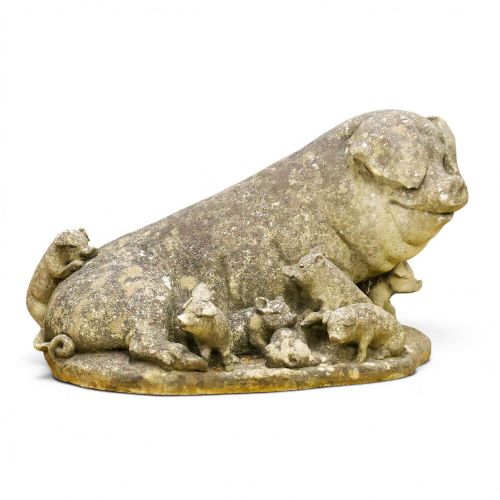
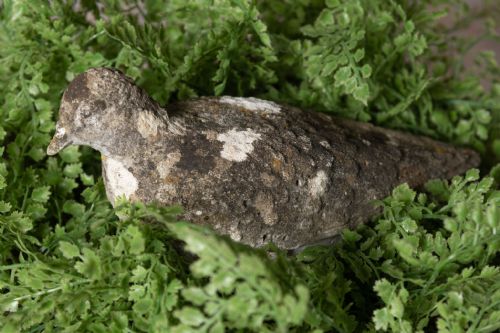
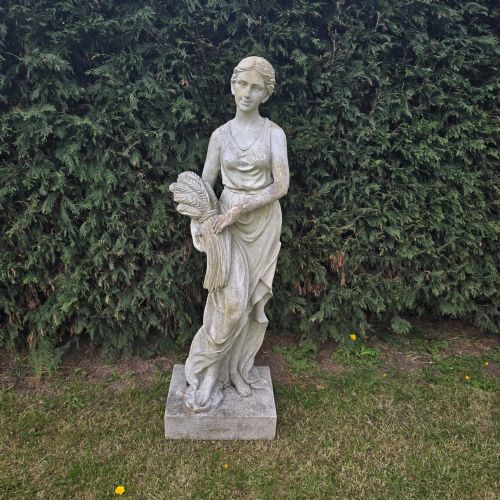
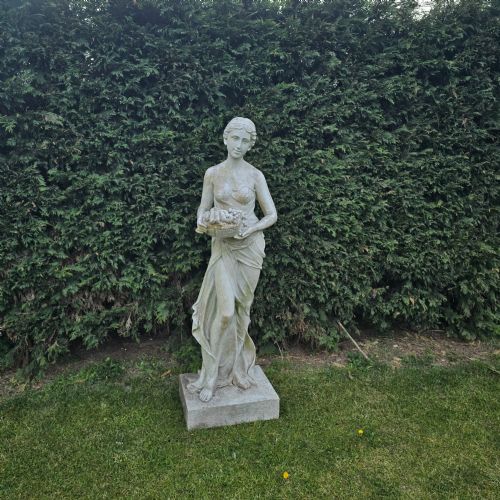
When you search for weathered cast stone statues, you encounter heavy garden figures and architectural ornaments designed to age outdoors. The selections here span classical revivals, figurative sculptures, and animal forms intended for terraces and lawns.
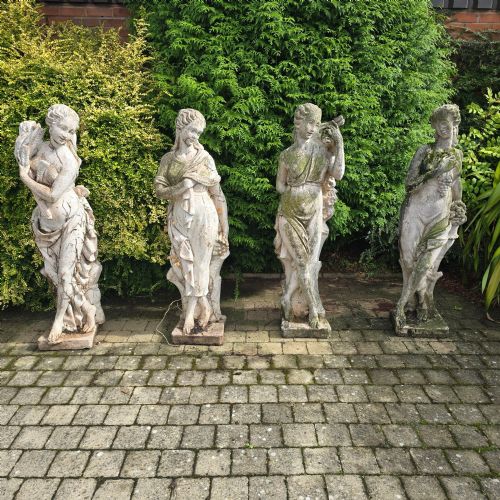
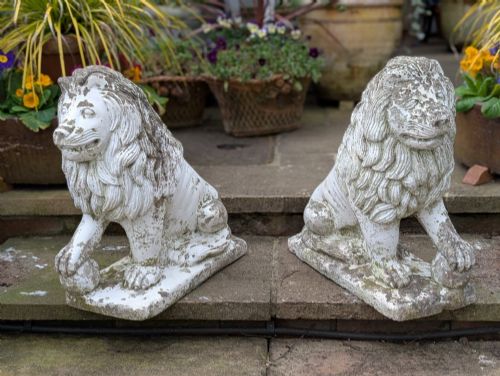
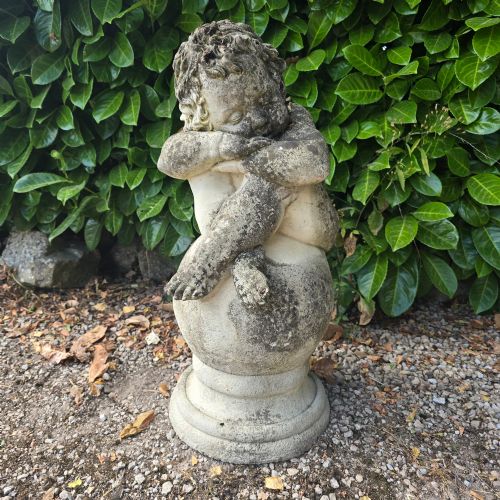
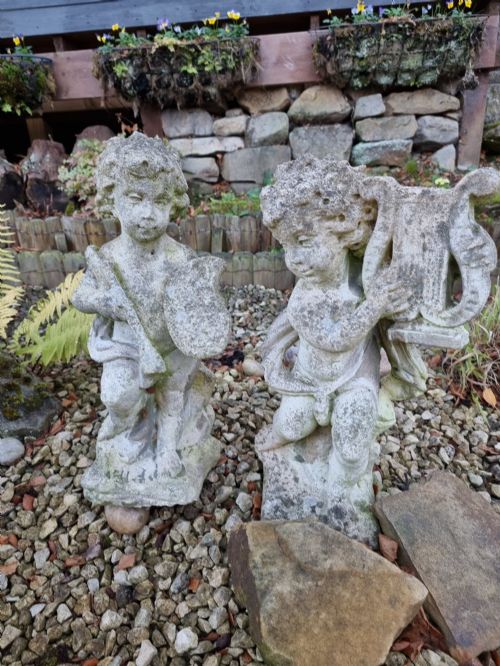
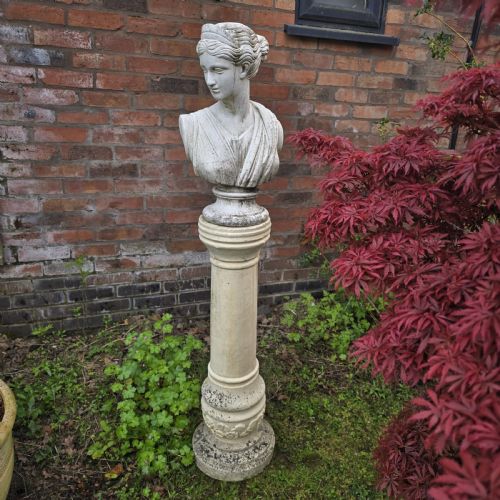
You are most likely to meet pieces originating from the nineteenth century through the mid-twentieth century. Common representations include lions, cherubs, seasonal allegories, and classical busts mounted on sturdy plinths.
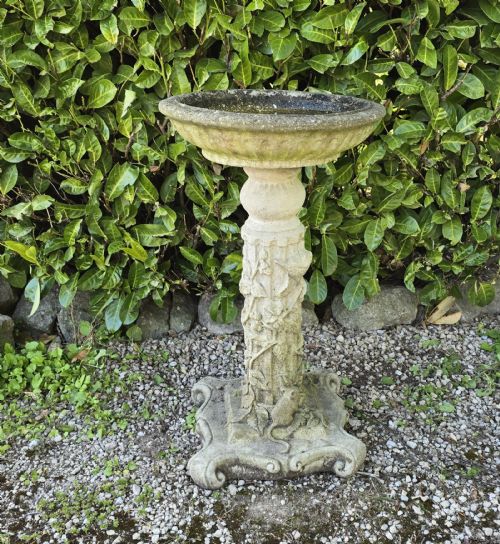
The aesthetic relies heavily on natural weathering, where decades of exposure soften the crisp lines of the original moulding. This patina transforms standard garden ornaments into focal points that look settled within established landscapes.
Materials and Methods
These pieces are produced using reconstituted stone, concrete, and composition stone poured into moulds to replicate carved stone details. Iron reinforcement or stands occasionally provide structural support within larger figures and pedestals.
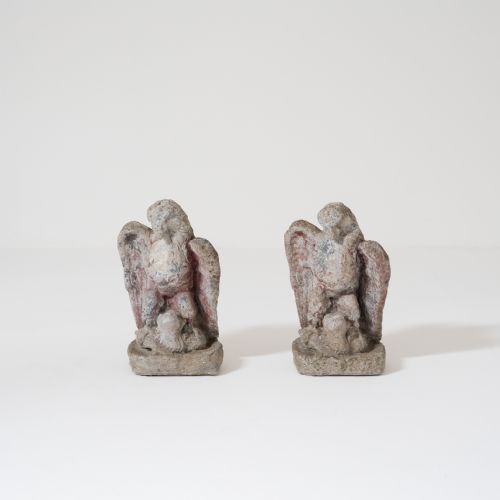
Surface treatments such as early flaky paint or natural lichens contribute significantly to the aged appearance of the material. Stoneware and carved stone variants also appear alongside standard cast mixes, reflecting diverse workshop traditions.
Listings feature items spanning the nineteenth century through 1950, utilising materials like reconstituted stone, stoneware, and composition stone.
Judging Quality
Quality in these ornaments rests on the sharpness of the original modelling and the natural depth of the surface weathering. Superior examples display anatomical clarity and balanced proportions rather than flat, simplified moulding.
The integration of the material with its environment dictates visual success, where organic ageing enhances rather than obscures the form. Heavier, life-sized figures and matched pairs generally demonstrate higher ambition in design and manufacture.
The Weathered Cast Stone Statues Glossary
- Cast stone
- A building product manufactured from cement, aggregate, and water, designed to imitate natural cut stone. It allows complex garden figures to be produced via moulds.
- Reconstituted stone
- A material created by binding crushed stone fragments with a cement matrix. This mixture forms durable garden statuary and architectural ornaments.
- Plinth
- A heavy base or pedestal that elevates a bust, urn, or statue. It provides stability and visual prominence in a garden setting.
- Finial
- An ornamental architectural detail placed at the apex of a gatepost, wall, or pediment. Pairs often take the form of lions or eagles.
- Patina
- The surface appearance altered by age, weathering, and biological growth over decades. It signals long exposure to the elements.
Weathered Cast Stone Statues: Frequently Asked Questions
How do I clean weathered stone statues?
Gentle brushing with water suffices to remove loose dirt without disturbing the aged surface. Avoid harsh chemicals that strip away accumulated lichens and historical patina.
Preserving the weathered appearance is usually preferable to achieving a pristine finish. Let nature maintain the character developed over decades outdoors.
Can these statues remain outside in winter?
Most cast stone and concrete pieces withstand frost if drainage beneath the base is adequate. Elevating sculptures slightly prevents moisture absorption from frozen ground.
Severe freezing can occasionally crack saturated stone, so sensitive pieces benefit from shelter during extreme winter weather.
How do I date an old garden statue?
Stylistic cues such as neoclassical drapery or early twentieth-century proportions offer initial chronological clues. The composition of the stone and the character of the paint layers also indicate age.
Comparing surface wear with documented pieces from the nineteenth and twentieth centuries helps narrow down the production era.
Where should I place a garden statue?
Positioning figures at the end of paths or focal points in planting schemes draws the eye through the landscape. Pairs of lions or urns work well framing entrances and gateposts.
Ensuring a level, solid foundation prevents shifting as the heavy stone settles into soil or gravel over time.