
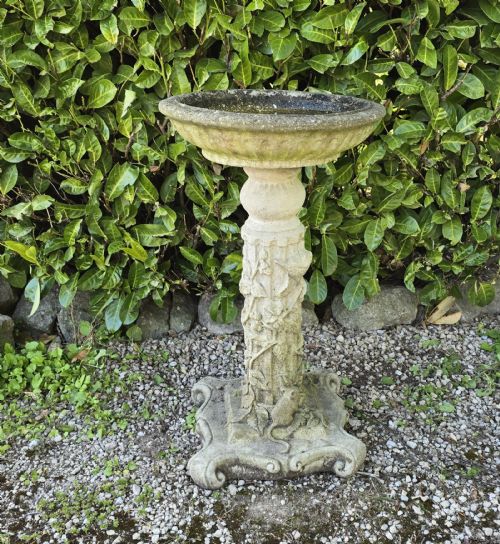


Reconstituted Stone Garden Statues
Reconstituted stone garden statues bring architectural presence to outdoor spaces, offering classical figures and animals moulded to weather gracefully.
Reconstituted Stone Garden Statues
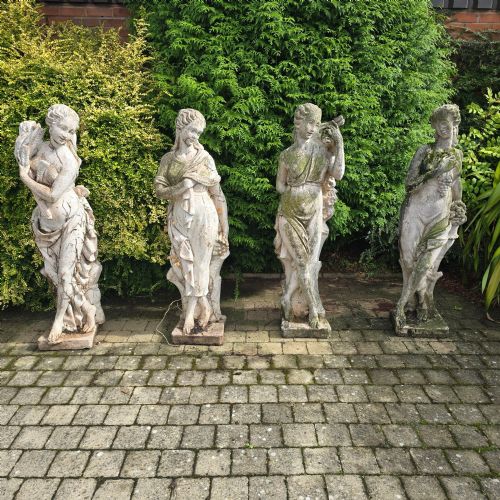
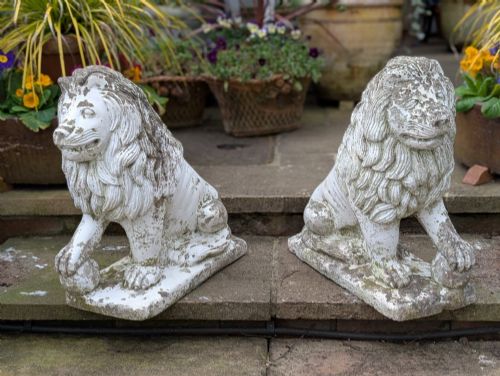
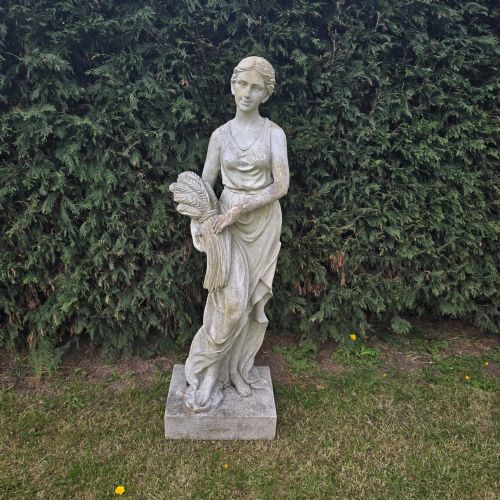
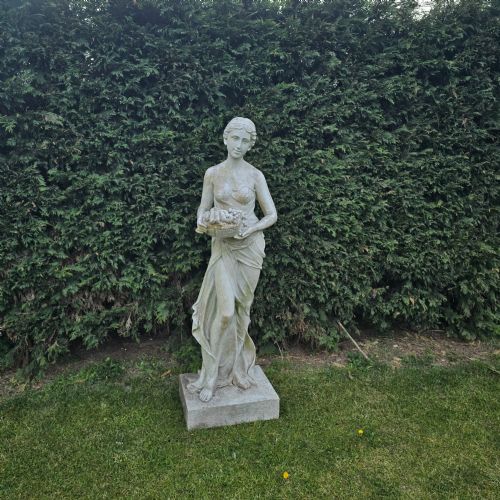
Reconstituted stone garden statues span classical figures, animals, and architectural ornaments created in durable cast materials. Buyers searching for reconstituted stone garden statues encounter pieces ranging from nineteenth century French lions to mid twentieth century figures representing the seasons and mythological subjects.
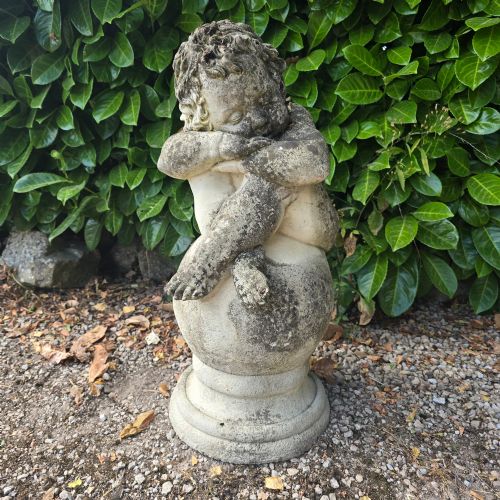
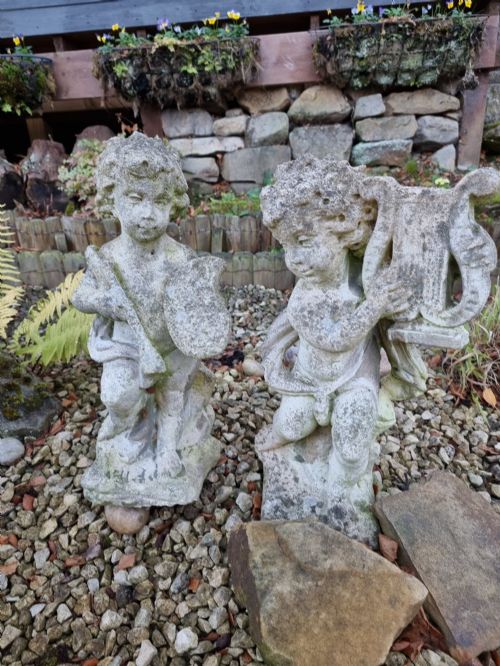
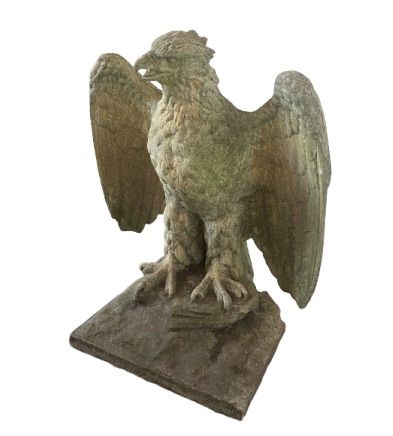
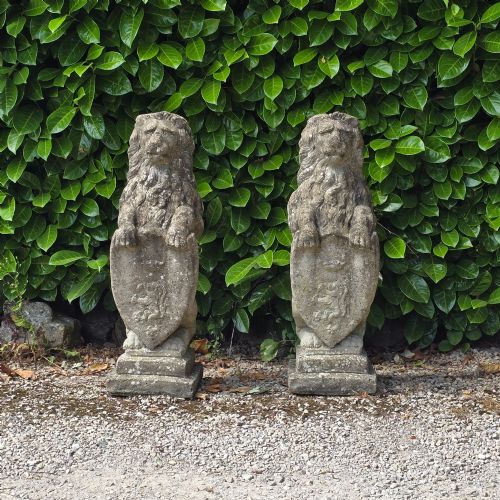
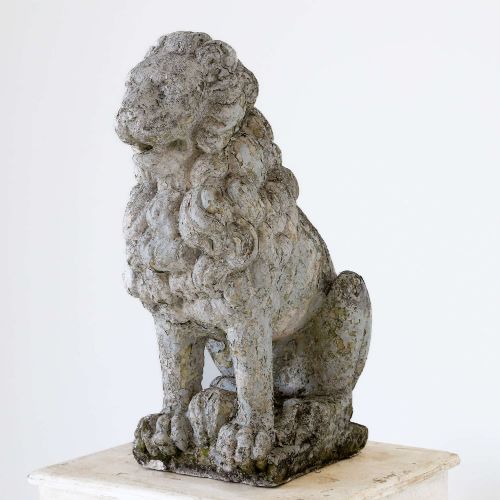
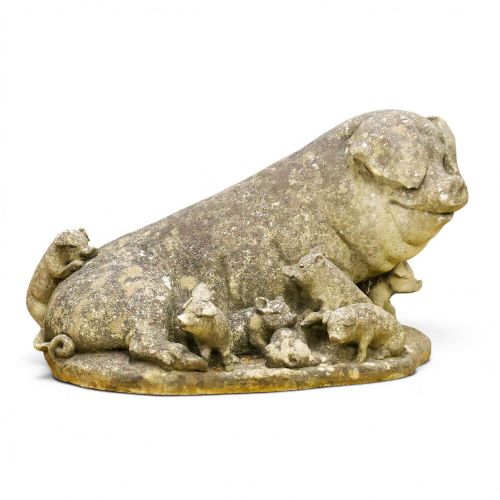
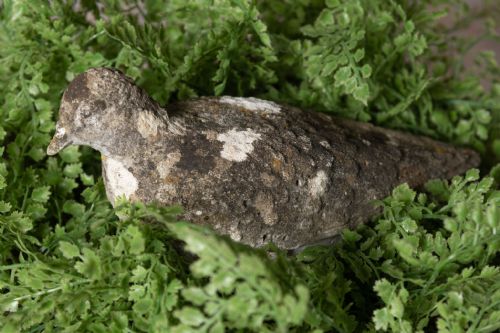
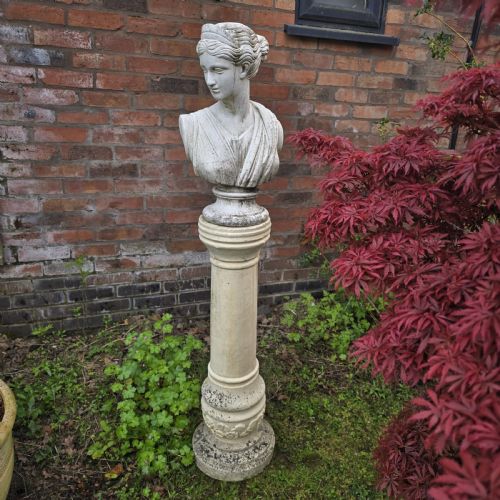
The selection includes life sized figures, cherubs, pier finials, bird baths, and garden busts mounted on matching plinths. Animal forms appear frequently, with pairs of seated or standing lions dominating alongside eagles, pigs, and pigeons.
Origins stretch from the late Victorian and Edwardian eras through the nineteen thirties and nineteen fifties. Classical revival and neoclassical styles prevail, alongside traditional English country house garden ornaments.
How they were made
Manufacturers produced these ornaments using composite stone, cast stone, and concrete poured into moulds. Aggregate mixtures combined crushed stone and sand with binding agents to create durable forms designed for external display.
Many examples retain traces of original old paint applied to surface details, while others rely on natural weathering of the cement and stone composition over decades. Pier finials and statues often incorporate internal reinforcement or mounting points for gateposts and walls.
Listings feature pieces spanning the nineteenth century, Edwardian era, and nineteen thirties to nineteen fifties, executed in classical revival and neoclassical styles.
What varies in quality
The character of the surface weathering dictates visual success in a garden setting. Even patination developed over decades enhances the architectural weight of lions, busts, and allegorical figures.
The Reconstituted Stone Garden Statues Glossary
- Reconstituted stone
- A building material made from crushed stone mixed with a binder to form durable garden ornaments. It replicates the appearance of natural carved stone at a larger scale.
- Pier finial
- An architectural ornament placed on top of a gatepost, pier, or wall end. Eagles and lions commonly serve this structural and decorative purpose.
- Composite stone
- A synonym for cast or reconstituted stone utilising aggregate materials. It provides high resistance to outdoor weathering.
- Plinth
- A heavy base or pedestal supporting a bust, statue, or urn. Plinths elevate garden figures to improve sightlines in landscape designs.
Reconstituted Stone Garden Statues: Frequently Asked Questions
How do I clean a stone statue?
Gentle washing with water and a soft brush preserves the weathered surface and any historic paint remnants.
Avoid harsh pressure washers that erode the aggregate and destroy accumulated lichen patination.
Are these statues frost proof?
Most cast and reconstituted stone pieces withstand winter weather if drainage beneath them remains clear.
Lifting figures slightly off damp ground prevents moisture absorption during freezing conditions.
How do I date a garden lion?
Stylistic details such as Victorian naturalism versus mid century simplification provide the primary chronological clues.
Surface weathering and the composition of the cement matrix also indicate age.
Where should I place a pier finial?
Pier finials suit gateway entrances, brick pillars, and structural garden wall terminations.
Their heavy weight requires stable, level foundations to prevent shifting over time.