





Stone Bird Garden Ornaments
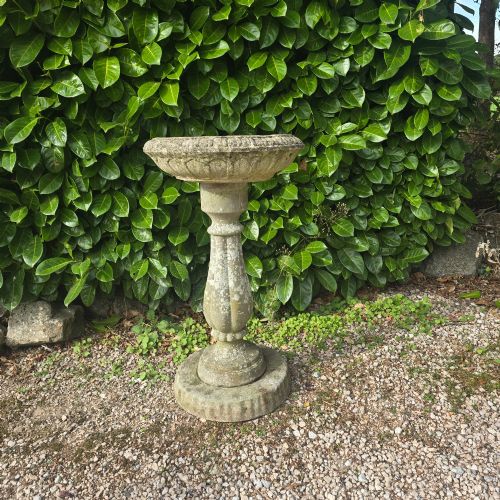
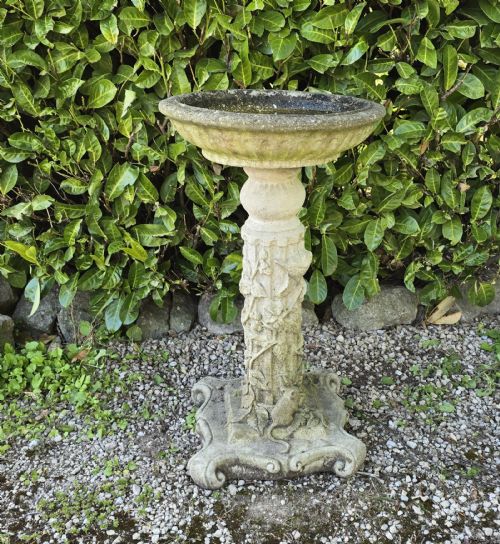
Stone bird garden ornaments bring permanence to outdoor spaces, offering everything from classic bird baths to striking eagles in weathered finishes.
Stone Bird Garden Ornaments
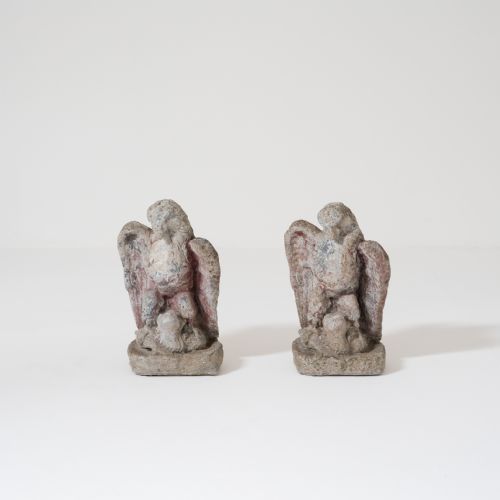
Stone bird garden ornaments comprise sturdy bird baths, monumental garden statues, and architectural pier finials designed for traditional outdoor settings. Buyers searching for stone bird garden ornaments commonly encounter robust bird baths and eagles originating from the nineteenth and twentieth centuries.
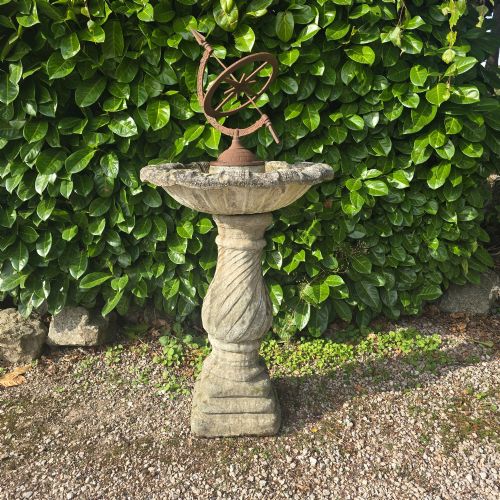
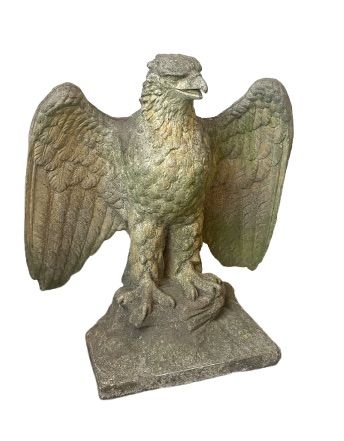
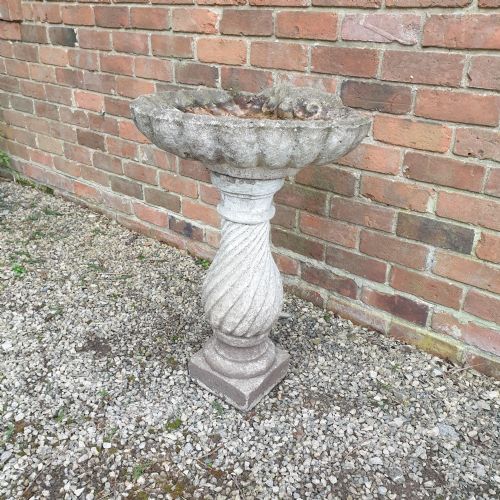
The selections span early twentieth century examples alongside nineteenth century pieces, reflecting traditional English garden and neoclassical design influences. Forms range from shell-shaped basins and armillary sundial combinations to large composite eagles meant for mounting on piers.
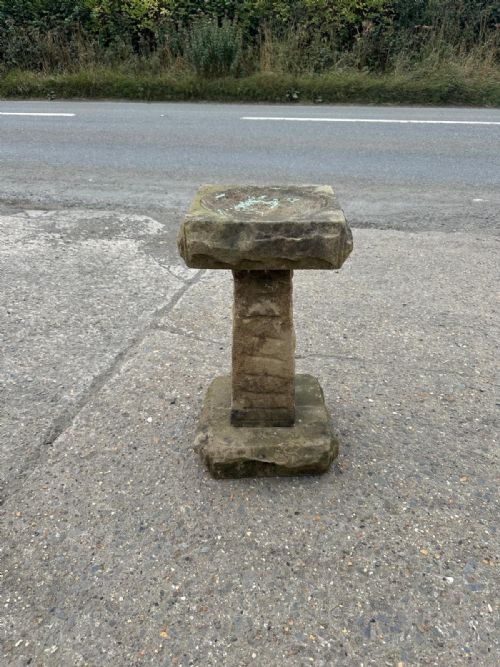
Purbeck stone, cast stone, and reconstituted stone dominate the physical forms, often exhibiting well-weathered surfaces accumulated over decades outdoors. These pieces serve functional roles as avian watering stations or decorative focal points within country house and traditional garden layouts.
Materials and construction methods
Makers utilised cast stone, composition stone, and reconstituted stone poured into moulds to achieve durable architectural figures and basin structures. Natural quarried materials such as Purbeck stone were also hand-carved to create traditional bird baths and structural elements.
Stoneware and concrete provided robust foundations for sculptural eagles and heavy garden ornaments intended to withstand harsh weather conditions. Bronze components occasionally appear integrated into the stonework, as seen in sundials mounted atop early twentieth century pedestals.
Stone Bird Garden Ornaments Retail Price Guide 2026
Typical asking prices for stone bird garden ornaments among the pieces listed under this phrase on Sellingantiques today, from the lower quarter to the upper quarter. They describe what is for sale here now, not the wider market.
Current listings feature materials ranging from traditional Purbeck stone and stoneware to cast stone, concrete, and composite stone.
Assessing quality in garden stone
The distinction between ordinary and superior pieces rests upon the depth of hand-carving or the crispness of the original cast detailing in the stonework. Natural materials like Purbeck stone display superior geological grain and authenticity compared to standard poured concrete mixes.
Surface weathering dictates visual appeal, where decades of organic lichen growth and natural patination elevate the aesthetic value of an ornament. Proportion and scale also determine quality, particularly in monumental architectural finials and large sculptural eagles.
The Stone Bird Garden Ornaments Glossary
- Reconstituted stone
- A manufactured material made from crushed stone aggregate mixed with a binder to imitate natural quarried rock. It allowed makers to cast intricate garden ornaments and bird baths efficiently.
- Pier finial
- An architectural ornament placed on top of a gate pier, pillar, or wall end. Large eagles in cast stone frequently served this structural and decorative purpose.
- Armillary bird bath
- A garden feature combining a traditional water basin with a skeletal sphere of metal rings representing celestial circles. These pieces often incorporate sundials at the centre.
- Purbeck stone
- A form of limestone quarried in Dorset, prized for its durability and fossils. It provides a dense, natural medium for traditional nineteenth century bird baths.
- Composition stone
- A proprietary mixture of aggregate and cement used during the twentieth century to cast durable garden statues. It weathers similarly to natural stone over time.
Stone Bird Garden Ornaments: Frequently Asked Questions
How do I clean a stone bird bath?
Gentle brushing with water prevents damage to the weathered surface and preserves the natural lichen growth.
Avoid harsh chemical detergents that can degrade reconstituted stone and deter visiting wildlife.
Can stone bird baths stay outside in winter?
Robust materials like cast stone and Purbeck stone withstand freezing temperatures if drained properly.
Trapped water turning to ice can crack basins, so turning them upside down during severe frosts is wise.
What is an armillary bird bath?
It is a specialised garden ornament featuring a celestial sphere combined with a water basin.
These pieces often date from the early twentieth century and serve both timekeeping and avian purposes.
How do I identify Purbeck stone?
Purbeck stone exhibits distinct fossil fragments and a dense, natural grey or brown limestone matrix.
It feels heavier and shows geological variations absent in poured concrete or uniform reconstituted mixes.