




Neoclassical Outdoor Statue
A neoclassical outdoor statue brings classical composure to a garden, offering enduring forms rooted in antiquity.
Neoclassical Outdoor Statue
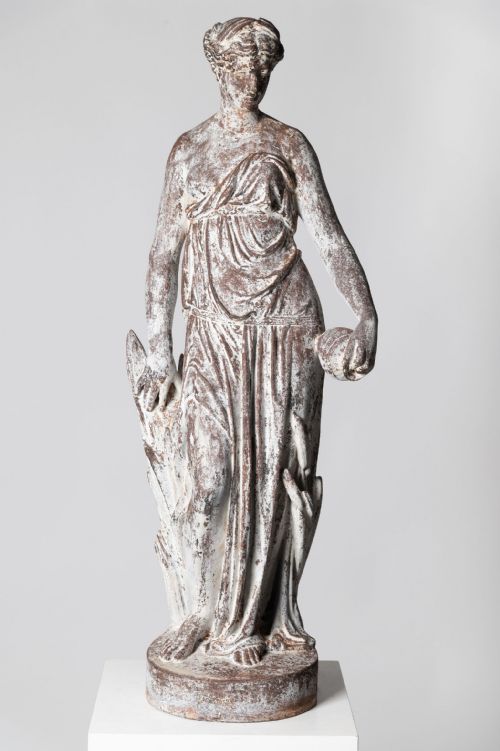
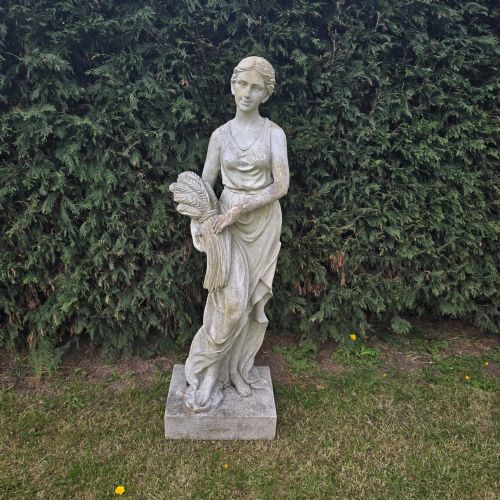
When you search for a neoclassical outdoor statue, you encounter figures and busts drawing directly upon ancient Greek and Roman models. These pieces include mythological representations such as Athena and Venus de Milo, alongside personifications like Summer and allegorical groupings.
The objects take the form of garden statues, sculptures, and garden pedestals with busts. You meet figures standing at life size, alongside stone busts mounted upon plinths, reflecting classical proportion and subject matter.
Originating across the nineteenth and twentieth centuries, these works span the eighteen-eighties, eighteen-nineties, nineteen-twenties, nineteen-thirties, and nineteen-fifties. The examples seen here range from French foundry work to carved marble and cast stone compositions.
How they were made
Foundries produced robust metal works such as nineteenth century cast iron and bronze sculptures, capturing fine detail through traditional casting methods. Stoneware and terracotta pieces involved firing moulded clay, while marble sculptures required direct carving by hand from solid blocks.
Neoclassical Outdoor Statue Retail Price Guide 2026
Typical asking prices for neoclassical outdoor statue among the pieces listed under this phrase on Sellingantiques today, from the lower quarter to the upper quarter. They describe what is for sale here now, not the wider market.
Athena keeps a stony watch over the hydrangeas.
What varies in quality
Quality rests upon the fidelity of the carving or the sharpness of the casting, distinguishing finely rendered drapery and facial expression from softer, worn impressions. The choice of medium dictates the character of the piece, with solid carved marble offering a different presence than cast stone or composition stone.
The integrity of the material and the sophistication of the foundry or workshop shape the overall execution. Nineteenth century cast iron and bronze works demonstrate different levels of chasing and finishing compared to mid twentieth century stone garden figures.
Val d Osne foundry
The Neoclassical Outdoor Statue Glossary
- Cast stone
- A building product manufactured from Portland cement, graded aggregates, and colourants to simulate natural cut stone. It permits repetitive production of classical garden ornaments.
- Terracotta
- Fired unglazed clay possessing a characteristic porous reddish-brown body. Sculptors used this material for modeled garden statues and busts.
- Plinth
- A heavy base supporting a statue, bust, or urn. These architectural elements elevate garden sculptures above ground level.
- Stoneware
- A high-fired ceramic material that is dense and impervious to water. It provides durability for outdoor garden statuary.
Neoclassical Outdoor Statue: Frequently Asked Questions
What subjects do these statues represent?
These pieces depict classical figures, mythological characters, and allegorical representations inspired by antiquity.
Subjects include Athena, Venus de Milo, personifications of seasons, and literary or historical groupings such as Una and the Lion.
Which materials endure outdoor conditions best?
Materials range from cast iron and bronze to solid marble, stoneware, terracotta, and various stone compositions.
Metals and high-fired ceramics handle weather differently than cast stone, though all are designed for garden placement.
How are statues displayed with plinths?
Statues and busts often rest upon matching garden plinths and pedestals to create height and architectural presence.
Combination pieces elevate stone busts or figures above ground level, echoing classical display methods.
How do I date these garden pieces?
Dating relies on material technology, foundry marks, and stylistic markers spanning the nineteenth and twentieth centuries.
Pieces range from nineteenth century cast iron works to nineteen-fifties stone garden statues.