





Vintage English Garden Ornament
These vintage english garden ornament pieces bring weathered character to outdoor spaces, offering historical charm and time-worn patinas.
Vintage English Garden Ornament
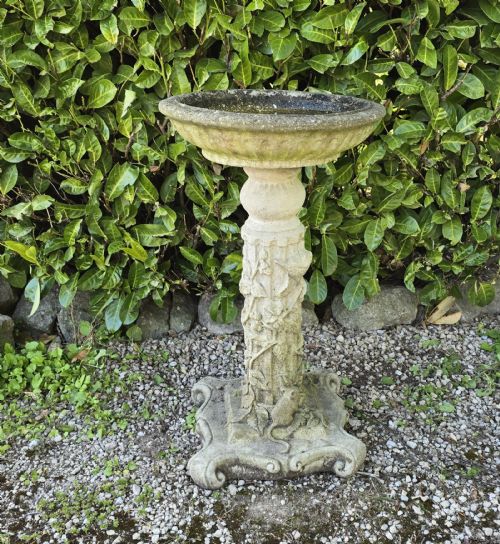
A vintage english garden ornament spans garden statues, bird baths, weathervanes, staddle stones, and figural groups shaped from stone, lead, copper, and sandstone. Buyers seek these items to anchor garden pathways, lawns, and courtyards with established presence.
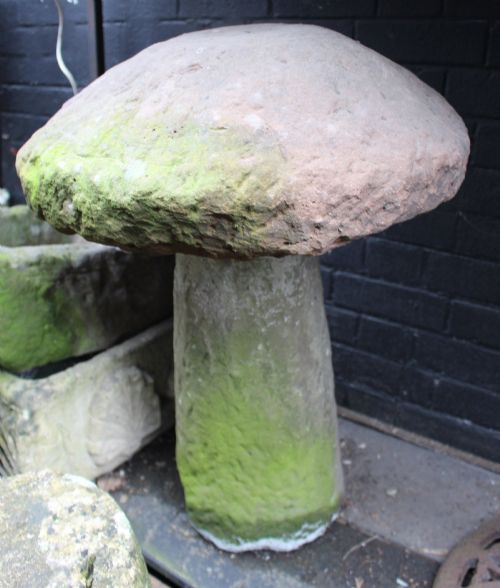
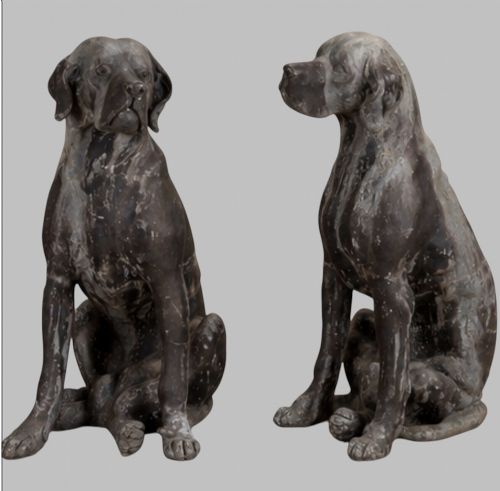
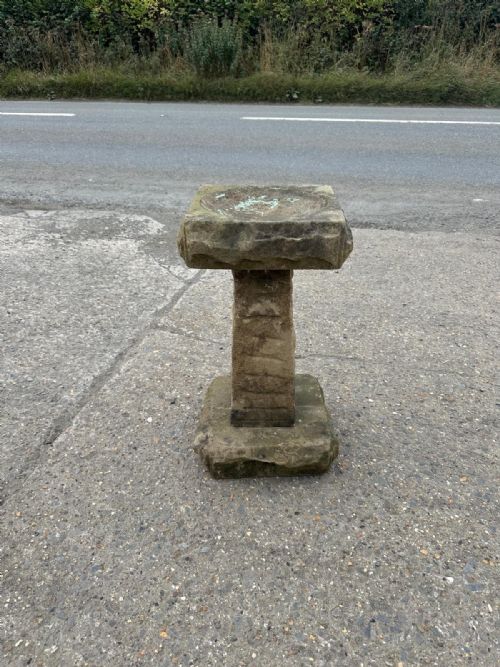
The selection here ranges from eighteenth-century sandstone saddle stones and folk art copper weathervanes to nineteen-thirties cast stone figures and lead hounds. Pieces carrying early twentieth-century dates, notably nineteen-twenty and nineteen-thirty, appear frequently alongside older agrarian forms.
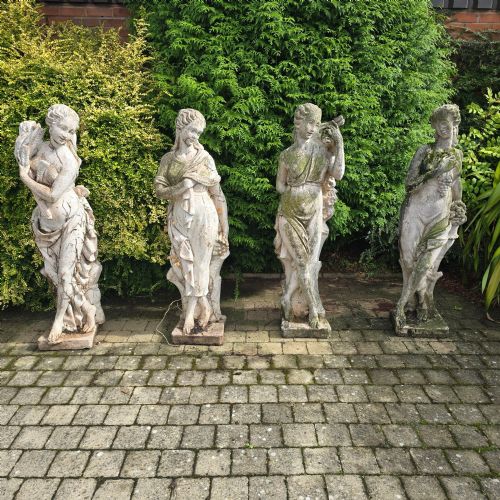
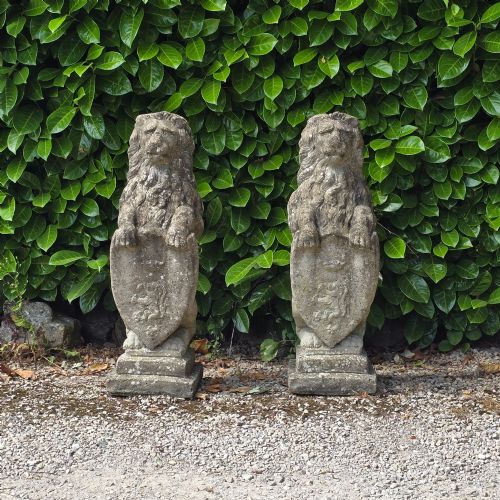
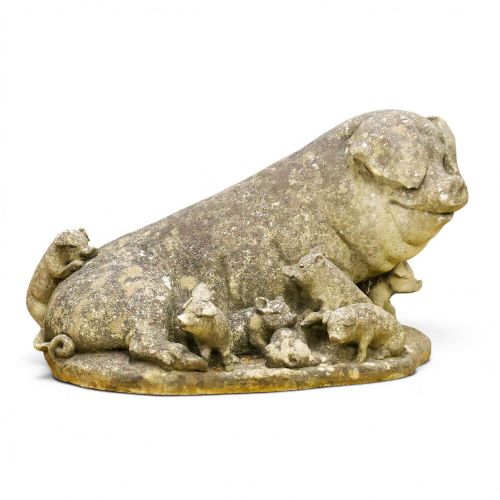
Vernacular subjects like pigs, hounds, huntsmen, and garden gnomes sit alongside classical revival lions, putti, and four seasons figures. This mix reflects both formal estate tastes and rural English country house traditions.
How they were made
Makers shaped these ornaments using traditional casting methods for stone and lead, alongside hand-hammered and cut sheet metal for copper weathervanes. Cast stone and reconstituted stone pieces utilised moulds that captured robust sculptural detail, while sandstone items were carved directly from quarried rock.
Metal components, including cast lead hounds and copper silhouettes, relied on foundry work and weather-resistant assembly. Original painted finishes on items like garden gnomes applied colour directly to the cast substrate.
Vintage English Garden Ornament Retail Price Guide 2026
Typical asking prices for vintage english garden ornament among the pieces listed under this phrase on Sellingantiques today, from the lower quarter to the upper quarter. They describe what is for sale here now, not the wider market.
Listings feature periods spanning the eighteenth century, the nineteenth century, and nineteen-thirty, using sandstone, cast stone, lead, and copper.
What varies in quality
The depth and organic accumulation of patination distinguish superior surface ageing from recent weathering, as genuine exposure to lichen and moss develops over decades. Natural weathering creates integrated crusts that cannot be replicated artificially.
Sculptural execution varies between spirited folk art interpretations and formal classical revival proportions. Stronger pieces display confident modelling in cast lead, sandstone, or copper, maintaining clear anatomical and stylistic definition despite surface wear.
The Vintage English Garden Ornament Glossary
- Staddlestone
- A mushroom-shaped stone support formerly used to elevate granaries above damp ground and vermin. These architectural remnants now serve as sculptural garden pedestals.
- Weathervane
- A movable directional indicator mounted on a roof or post to show wind direction. Examples often feature folk art silhouettes cut from copper or sheet metal.
- Cast Stone
- A refined building product manufactured from aggregate and cement binder to mimic natural cut stone. It allows detailed sculptural moulding for statues and bird baths.
- Putto
- A figure of a small chubby male child, often winged, derived from classical art. These decorative motifs appear frequently in lead and stone garden statuary.
- Patina
- The surface appearance altered by age, weathering, and use over time. Lichen and moss growth form key components of this weathered skin.
Vintage English Garden Ornament: Frequently Asked Questions
Where should I place a stone bird bath?
Position bird baths on firm, level ground within sight of windows to enjoy visiting wildlife. Ensure the location allows easy access for cleaning and refreshing water.
Keep them away from dense overhanging foliage that drops debris continuously, balancing shelter from predators with open visibility.
How do I clean lead garden figures?
Wash lead items gently with clean water and a soft brush to remove dirt without disturbing the stable grey oxidation layer. Avoid harsh chemical cleaners that strip historical surfaces.
Allow biological growth like moss to remain if you prefer an established appearance, as protective lead oxidation beneath prevents deep corrosion.
What is a staddle stone used for?
Staddle stones originally supported wooden grain barns to keep stored crops dry and safe from rodents. The mushroom cap design prevented pests from climbing upwards.
In modern gardens, they function as decorative pedestals or structural focal points on lawns and borders.
How can I date a cast stone ornament?
Examine the aggregate texture, mould seams, and the nature of surface weathering including embedded lichen and moss. Earlier twentieth-century pieces often display denser aggregate compositions.
Compare stylistic traits against known periods like the nineteen-thirties or classical revival movements to narrow down the era of production.