
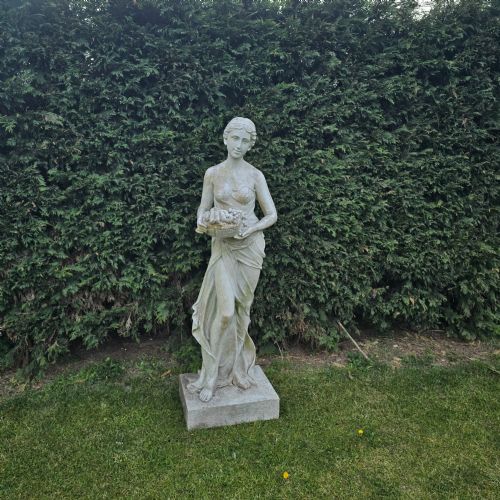
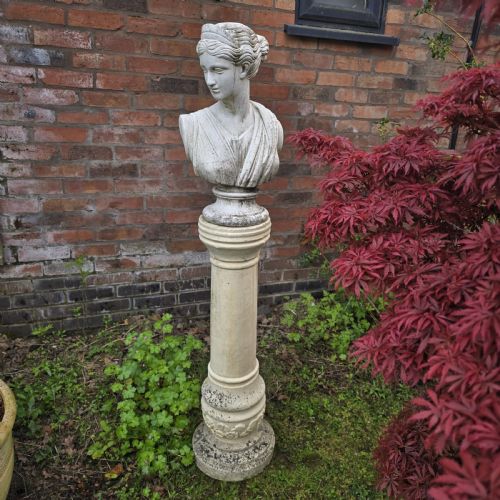


Outdoor Stone Sculpture
Outdoor stone sculpture brings classical figures, animals and architectural finials to gardens, shaped from durable stone, cast composition and marble.
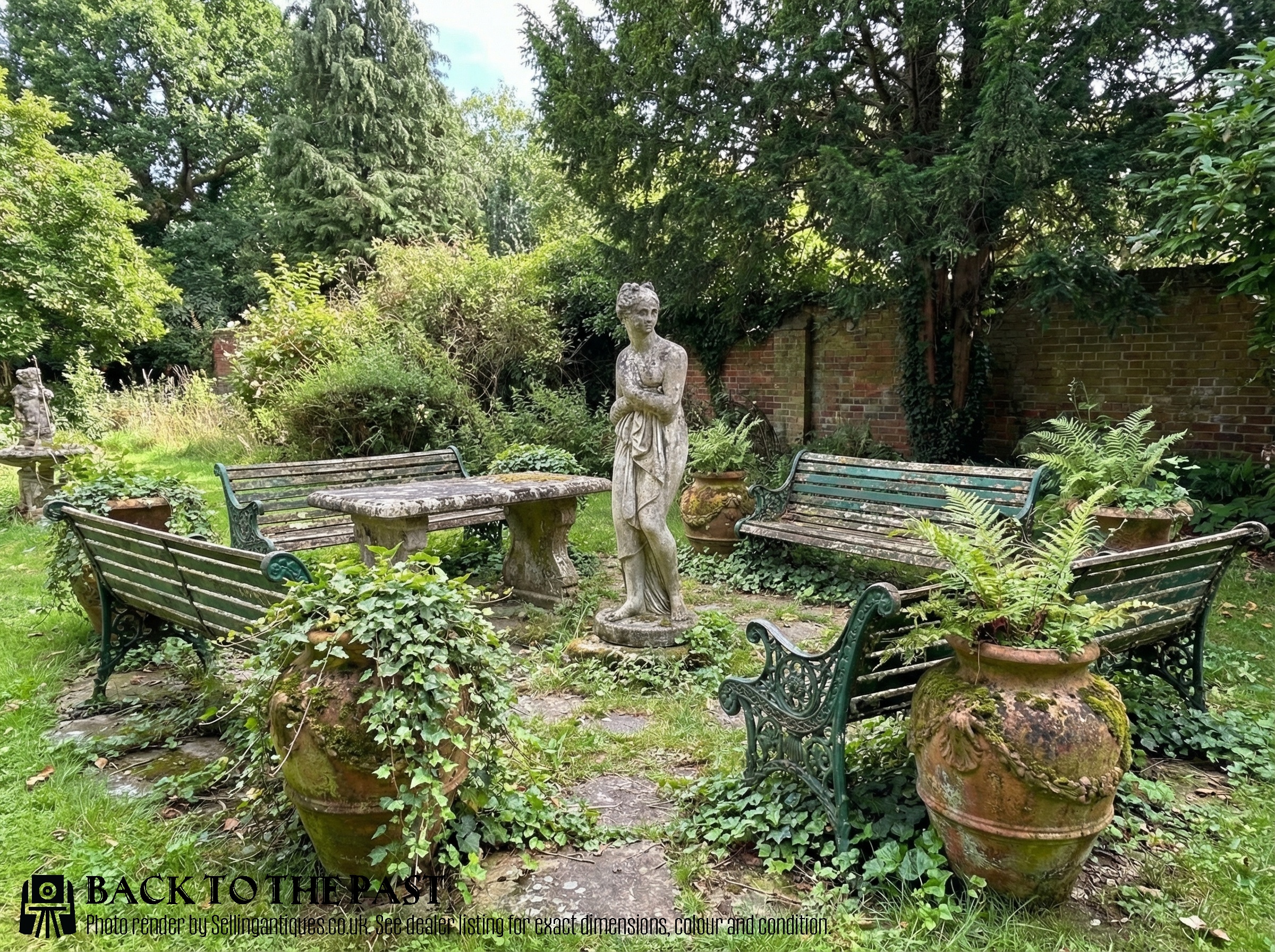
Outdoor Stone Sculpture
Outdoor stone sculpture encompasses garden statues, figures, animals, pier finials and architectural ornaments designed for placement in grounds and terraces. The pieces found here span centuries of garden decoration, drawing heavily on classical and traditional motifs.
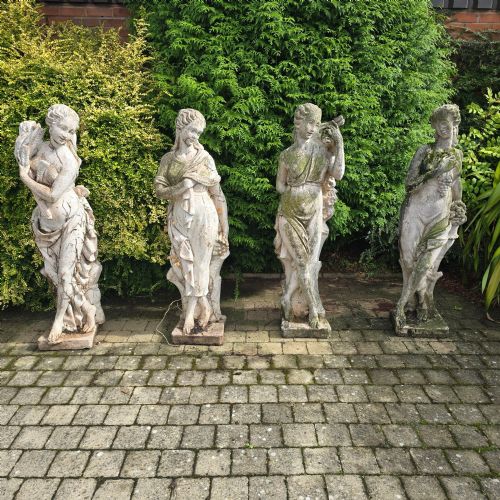
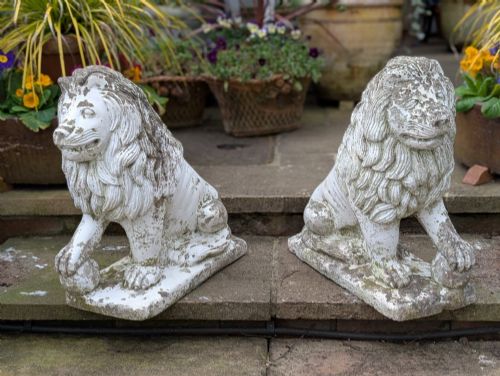
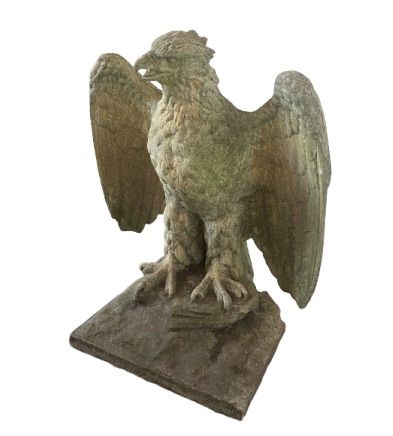
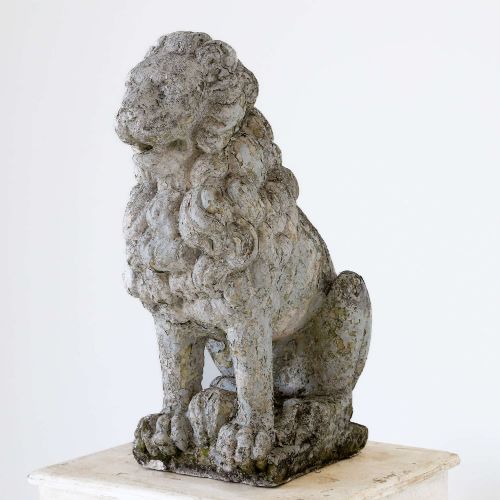
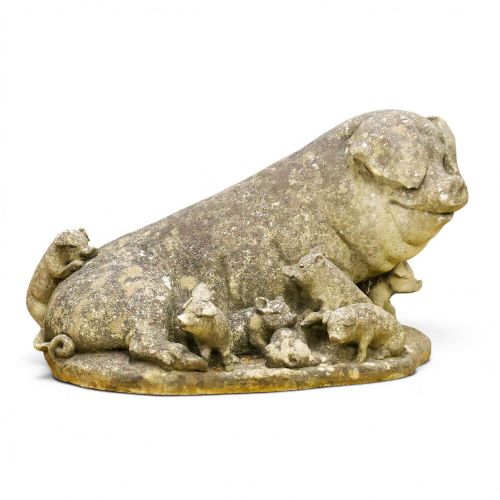
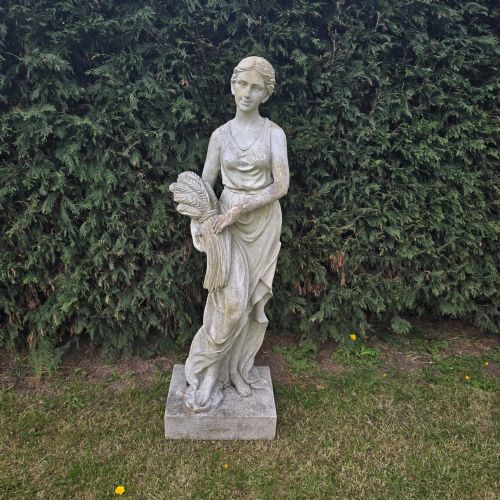
Buyers meet works ranging from 18th century sandstone staddle stones and 19th century French Medici lions to mid 20th century figures like the Four Seasons and garden gnomes with original paint. Animal groupings, particularly lions and eagles, appear frequently alongside allegorical figures and busts.
Origins stretch from English country workshops to continental European makers and the Raj period in India, utilising both hand carved materials and moulded composites. These works serve to anchor garden vistas, mark gateways or provide focal points among planting.
How they were made
Makers utilised carved stone, sandstone, marble and solid carved marble for traditional individual pieces, relying on stonemasonry skills to shape hard materials. Hand carving yields distinct tool marks and individual variations in detail.
Composite, cast and reconstituted stone became widespread for replicated garden statuary, poured into moulds to capture intricate relief work. Surviving original paint finishes on cast stone show how makers added surface colour to these moulded pieces.
Outdoor Stone Sculpture Retail Price Guide 2026
Typical asking prices for outdoor stone sculpture among the pieces listed under this phrase on Sellingantiques today, from the lower quarter to the upper quarter. They describe what is for sale here now, not the wider market.
Listings feature materials including sandstone, marble, reconstituted stone, and salt glazed pottery.
What varies in quality
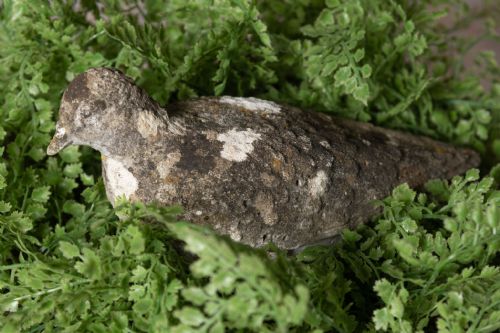
The degree of crispness in the modelling separates finer figures from softer castings, particularly in facial expressions, drapery folds and feather details on birds and animals. Hand carved examples display a directness of chisel work that mechanical casting cannot replicate.
Weathering patterns and the retention of original surface paint contribute significantly to the character of cast and reconstituted stone. Well proportioned scale and anatomical accuracy in figures and animals distinguish superior sculptural execution.
Hurlford Kilmarnock
The Outdoor Stone Sculpture Glossary
- Reconstituted Stone
- Manufactured material composed of crushed stone aggregate and a binder, moulded into architectural ornaments and statues. This technique enabled the production of durable garden decoration in quantity during the twentieth century.
- Pier Finial
- Architectural ornament placed on top of a gate pier or wall end. These are frequently carved or cast in the form of eagles or lions to mark entrances.
- Medici Lion
- Classical sculptural form depicting a regal lion resting a paw on a sphere, modelled after the ancient Roman marble statues in Florence. Pairs of these beasts are traditional gate guardians.
- Composition Stone
- Form of cast stone developed to imitate natural stone using aggregates and binding agents. It allows for sharp architectural detailing and large scale garden statuary.
Outdoor Stone Sculpture: Frequently Asked Questions
How do I care for cast stone?
Outdoor stone sculpture in cast or reconstituted stone withstands weathering well through seasonal changes. Gentle washing with water removes organic growth without harming the surface.
Avoid harsh pressure washing or abrasive tools that strip original paint finishes or erode the outer crust of the stone.
Were these painted originally?
Many cast stone and composition pieces from the early twentieth century received lead-based or oil paints to protect the material and mimic natural stone. Surviving traces of flaky paint indicate historic decoration rather than later interference.
Preserving original paint layers maintains the authentic character of vintage garden ornaments.
How do I place large statues?
Heavy garden statues, figures and architectural finials require stable foundations such as stone plinths, pedestals or paved bases to prevent sinking into soil. Positioning them at the end of paths or framing garden vistas creates traditional sightlines.
Consider the scale of the surrounding planting and architecture when siting large stone animals or figures.
What is the difference between carved and cast stone?
Carved stone involves removing material from a solid block of sandstone, marble or limestone using chisels and mallets. Cast or reconstituted stone is poured into moulds as a liquid mix of aggregate and binder.
Carved pieces show unique tool marks while cast pieces allow for repeated forms and intricate surface relief.