
19th Century Marble Sculpture
When you search for 19th century marble sculpture, you explore carved stone and cast metal figures shaped by neoclassical ideals and Grand Tour travels.
19th Century Marble Sculpture
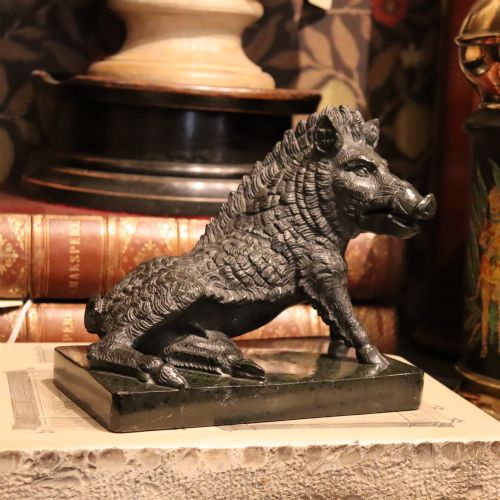
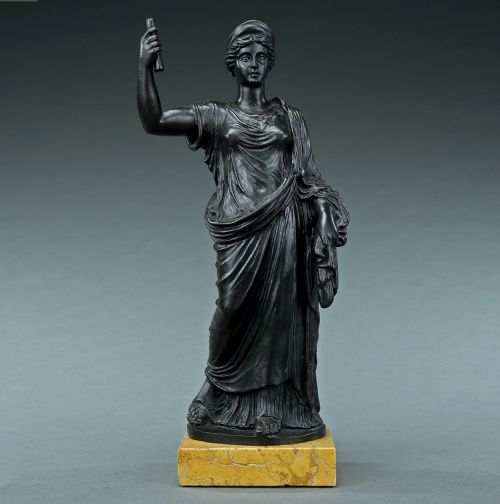
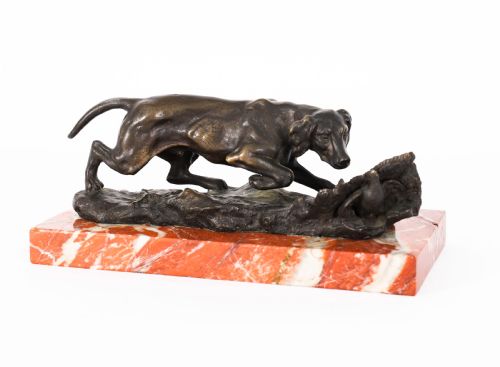
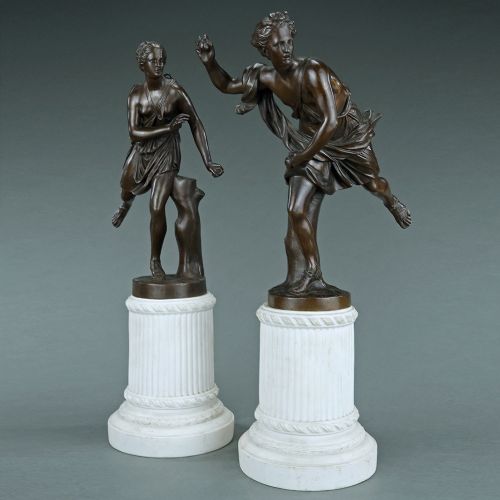
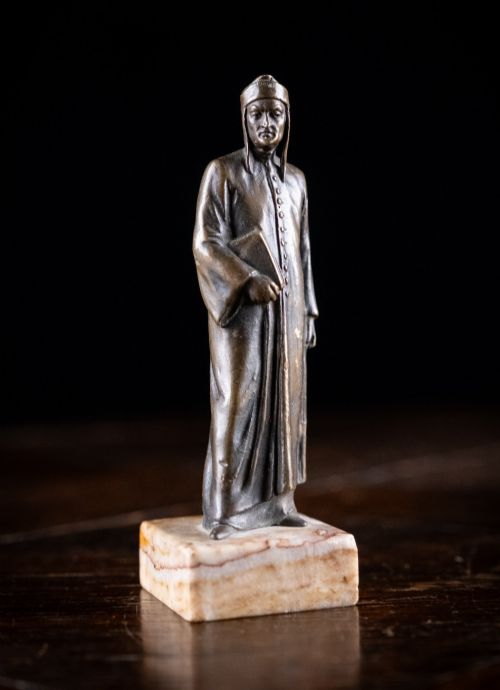
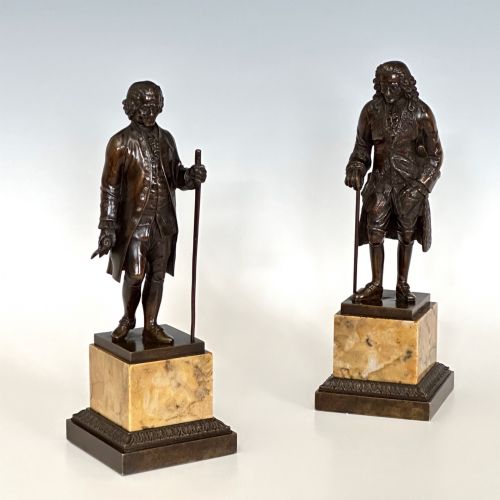
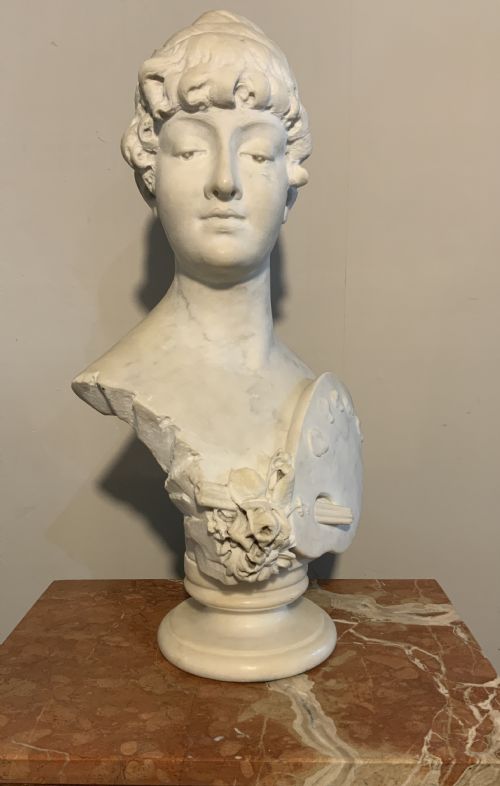
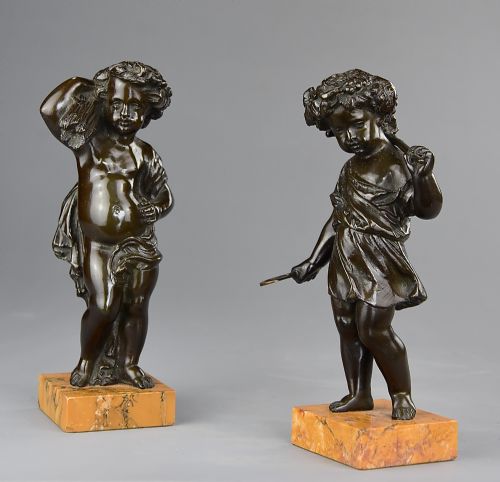
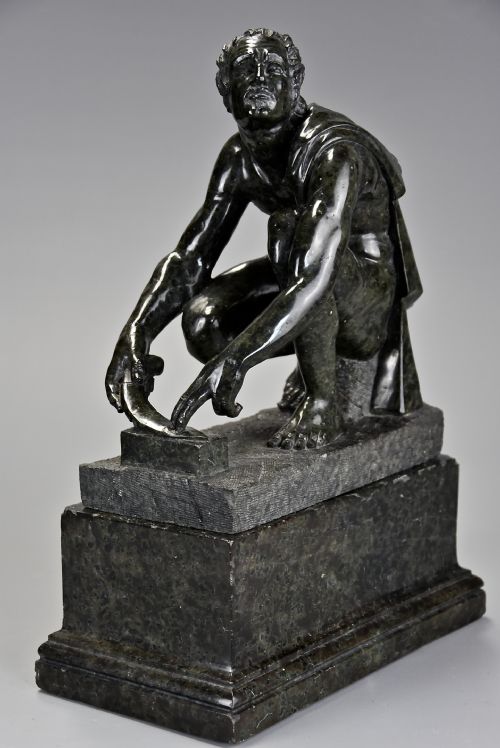
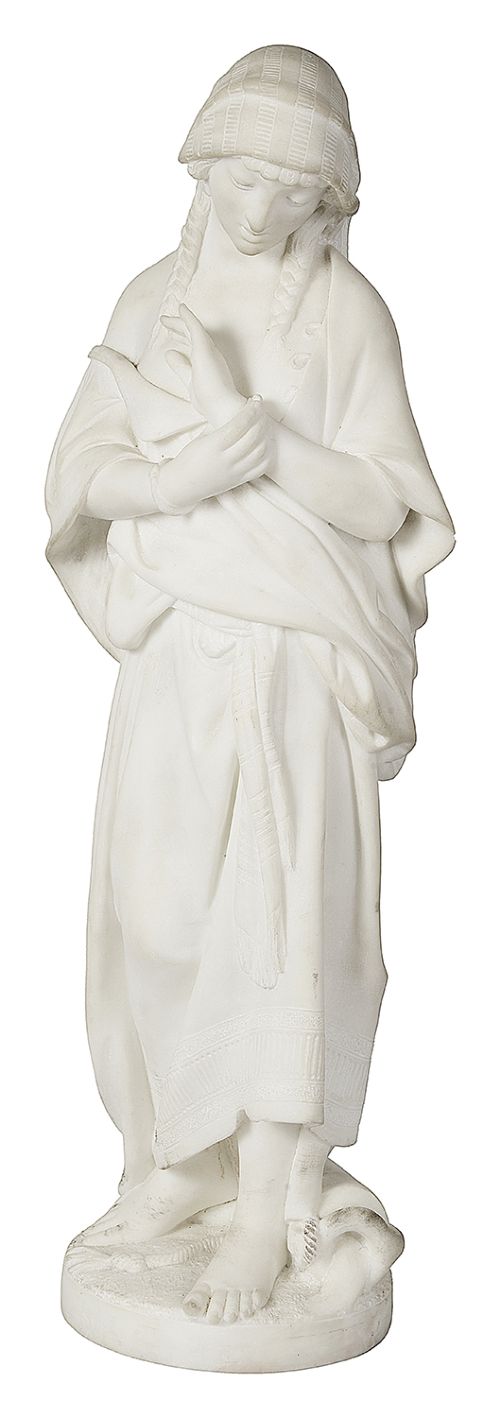
A 19th century marble sculpture collection encompasses carved stone figures, classical busts, and architectural models originating primarily from British, French, and Italian workshops. Buyers encounter numerous Grand Tour subjects, alongside mythological deities and animalier studies mounted on stone or bronze bases.
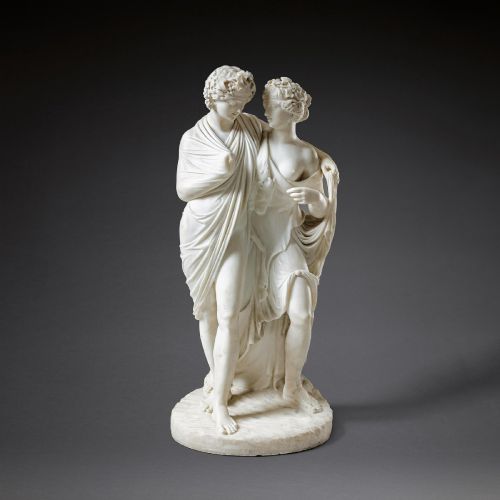
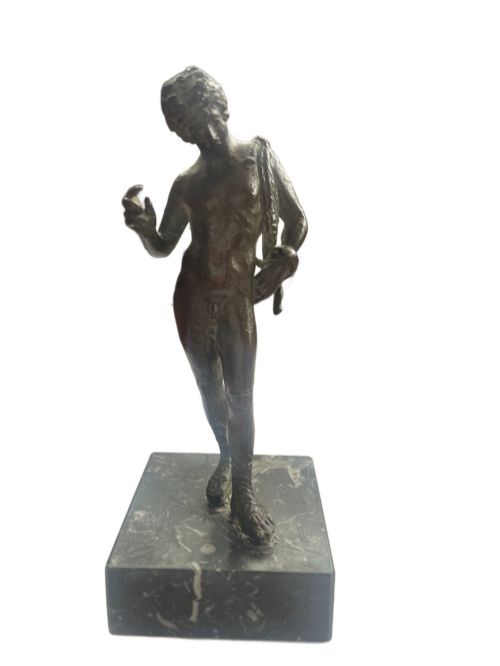
The objects span periods from the early decades through to the end of the Victorian era, reflecting stylistic shifts from strict Neoclassicism to French Rococo Revival. Many works reference ancient prototypes, translating classical antiquity into tabletop bronzes and carved Carrara marble figures for domestic display.
Materials and Techniques
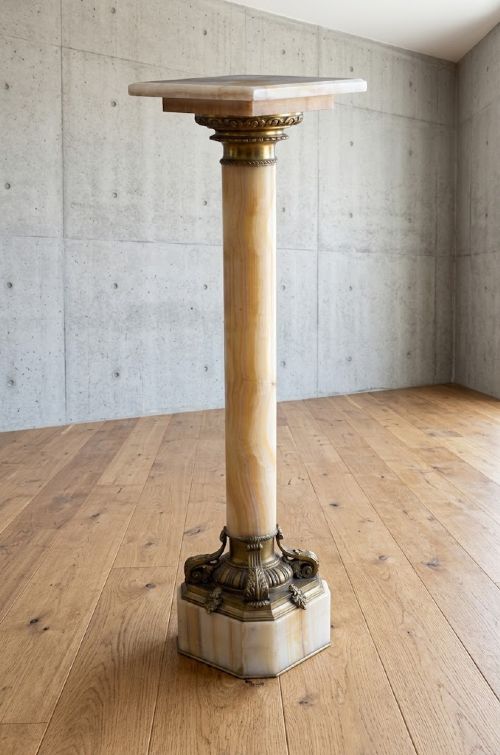
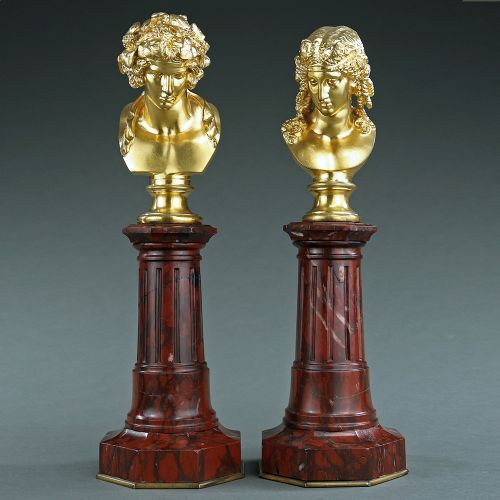
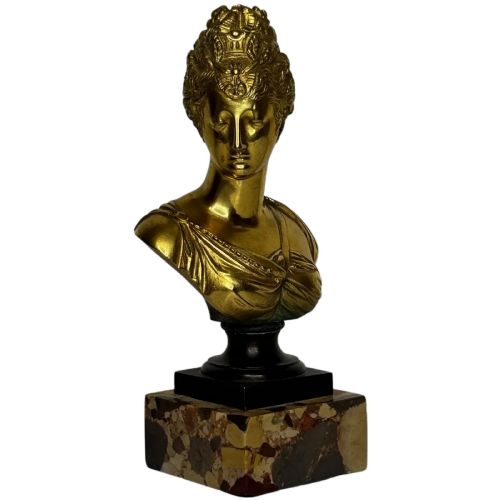
Sculptors utilised white and veined Carrara marble, alongside decorative stones such as serpentine, onyx, green marble, and rosso antico, to carve figurative groups and pedestals. These stone elements were frequently combined with cast bronze, gilt bronze, and ormolu collars or plinths.
Casting methods for the metallic components involved the lost-wax technique or sand casting, producing detailed patinated figures that were subsequently secured to marble bases. Carved marble works relied on precision chiselling and polishing to render soft drapery and anatomical detail.
Listings feature 19th Century, Victorian, and 1850 to 1900 periods, utilising marble, bronze, ormolu, and stone.
Assessing Quality
The standard of carving in the marble dictates the tactile realism of hair, fabric, and expression, separating competent studio output from superior sculptural execution. In mixed-media pieces, the crispness of the bronze chasing and the density of the supporting stone base indicate the maker's proficiency.
Provenance and attribution to documented sculptors or prominent foundries elevate certain figures above unsigned workshop productions. The integrity of the association between the sculpted subject and its original marble plinth further influences the standing of individual pieces.
Carl Kauba·Barbedienne·Carlo Albacini·August Moreau·Antonio Canova·Benedetto Boschetti
The 19th Century Marble Sculpture Glossary
- Carrara marble
- A type of white or blue-grey marble quarried in the city of Carrara in Tuscany, widely favoured by European sculptors for its fine grain.
- Grand Tour
- A traditional trip of Europe undertaken by upper-class European young men of means, resulting in the acquisition of classical antiquities and miniature sculptures.
- Ormolu
- Gilded bronze applied to furniture, clocks, and the mounts of decorative stone objects, created using a mercury-gilding process.
- Animalier
- A nineteenth-century art movement focusing on the realistic depiction of animals, particularly horses, dogs, and wild beasts in bronze.
- Verdo prato
- A dark green ornamental marble used historically for architectural details, columns, and small sculptural bases.
19th Century Marble Sculpture: Frequently Asked Questions
What is a Grand Tour sculpture?
Grand Tour sculptures are small-scale replicas of classical antiquities and architectural monuments acquired by travellers touring European cultural centres during the nineteenth century.
These pieces allowed collectors to bring classical ideals and famous museum subjects back into their private homes.
How are marble and bronze combined?
Makers frequently mounted cast bronze figures onto heavy marble plinths, columns, or bases to provide stability and visual contrast.
Ormolu collars and mounts were also added to stone vessels and pedestals to enhance decorative richness.
Where were these sculptures made?
The pieces originate primarily from workshops across Italy, France, and Britain, reflecting regional specialisations in stone carving and metal casting.
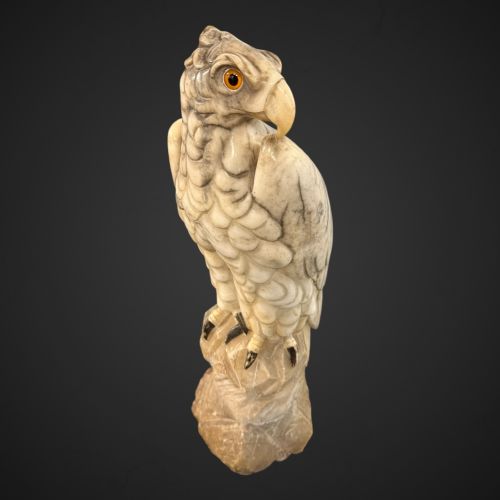
Italian studios often produced carved marble and alabaster, while French foundries excelled in patinated and gilt bronzes.
How do I care for marble sculpture?
Marble requires gentle dusting with a soft, dry cloth to prevent the accumulation of dirt within carved recesses and porous surfaces.
Avoid using chemical cleaning agents, water, or abrasive materials, which can permanently damage the polished stone finish.