
Italian Marble Carving
These pieces of italian marble carving capture classical forms and architectural souvenirs originating from centuries of skilled workshop production.
Italian Marble Carving
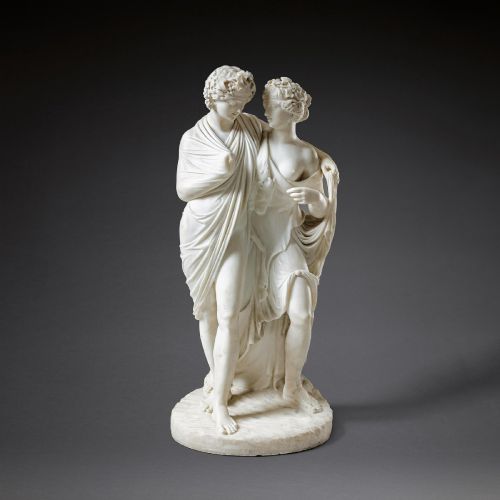
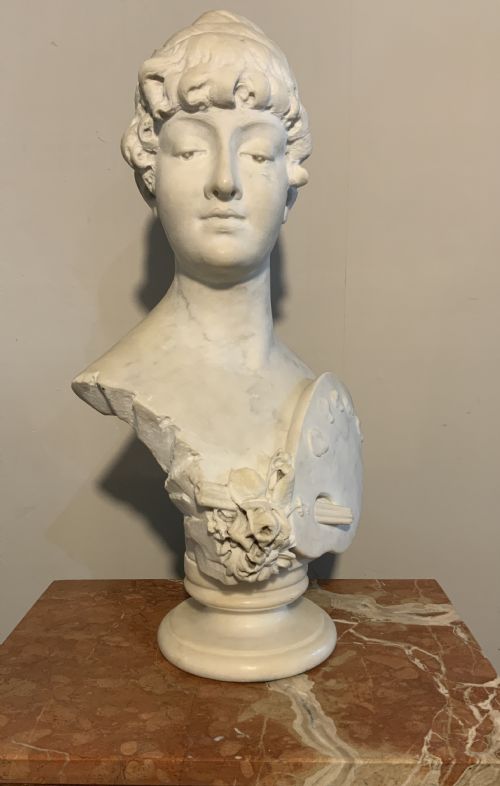
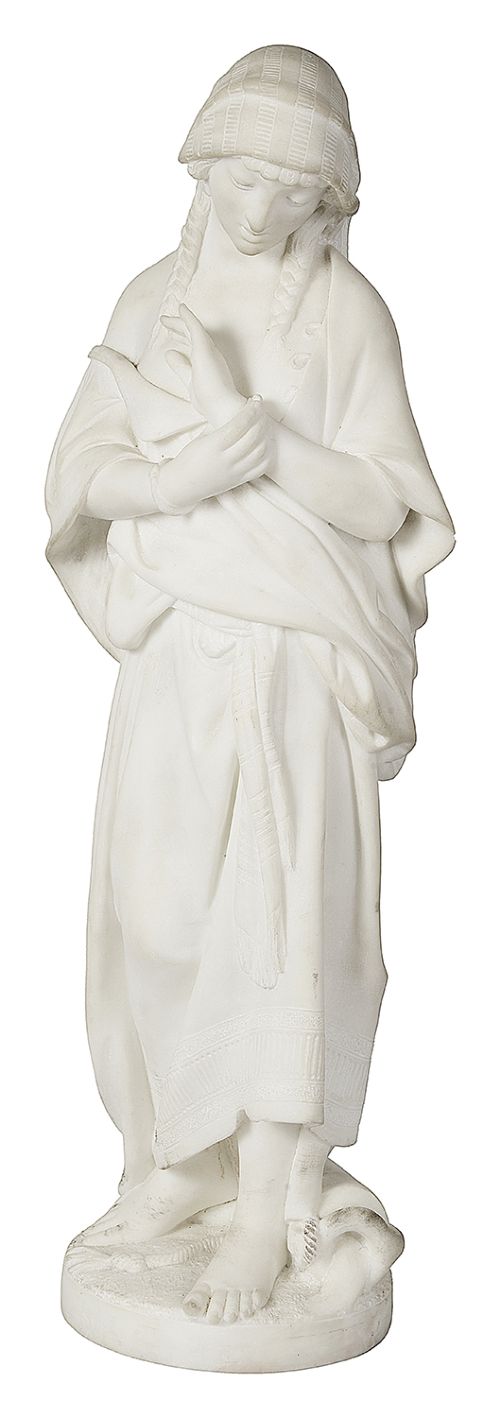
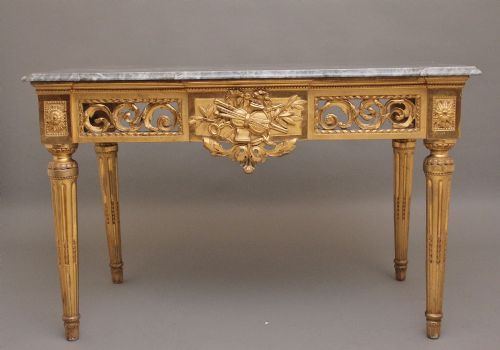
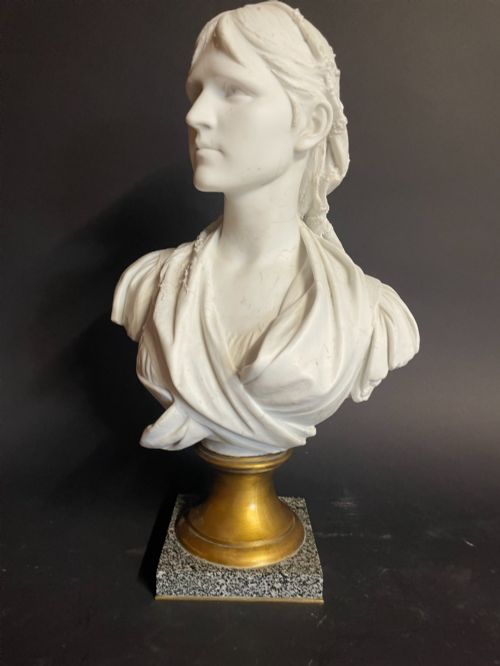
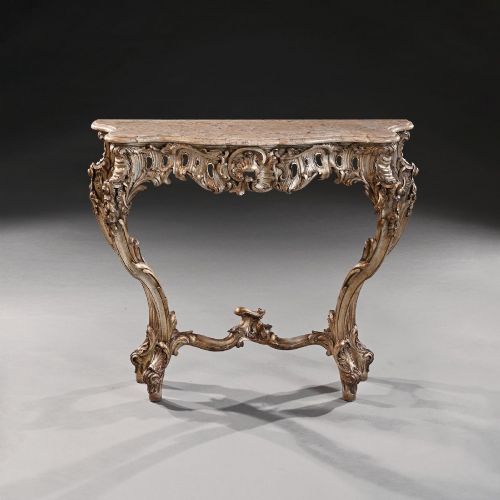
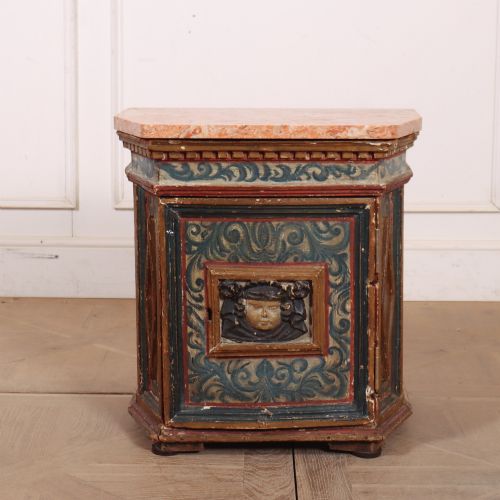
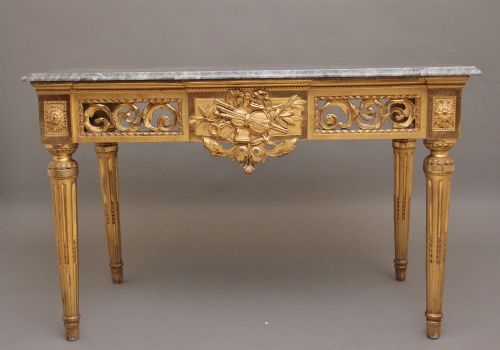
When you search for italian marble carving, you encounter classical figures, portrait busts, and architectural models produced as souvenirs for travellers on the Grand Tour alongside substantial console tables featuring inset stone surfaces. The objects span from the eighteenth century into the twentieth century, reflecting enduring European interest in antique sculpture and ornamental furniture.
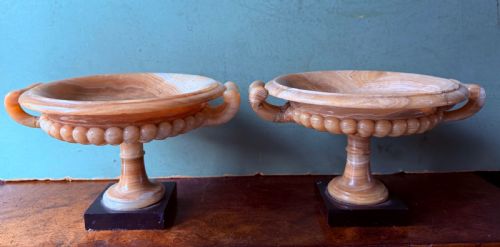
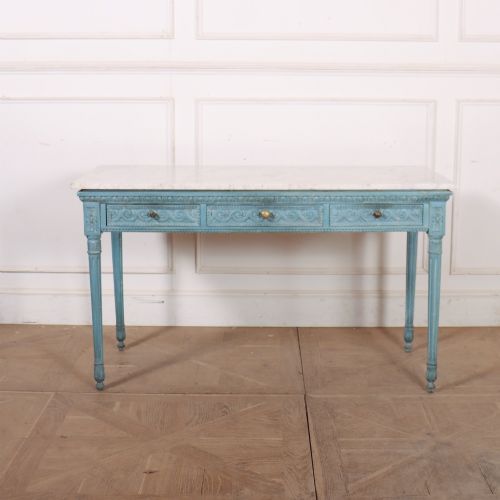
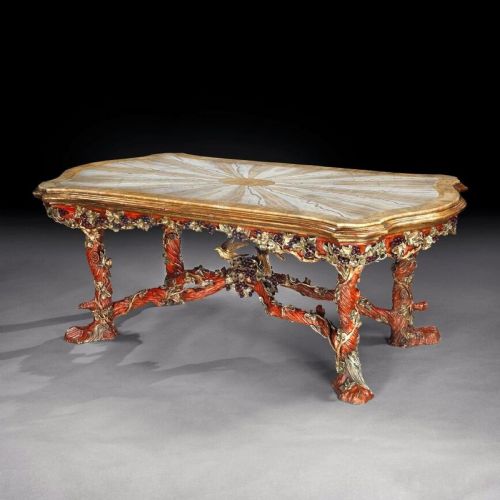
Most examples originate from nineteenth-century workshops producing smaller-scale reductions of famous statues or architectural fragments carved from coloured stones and white varieties. Alongside sculptural figures and relief plaques, the selection includes decorative vessels, tazze, and giltwood or painted tables topped with figured marble slabs.
Materials and technique
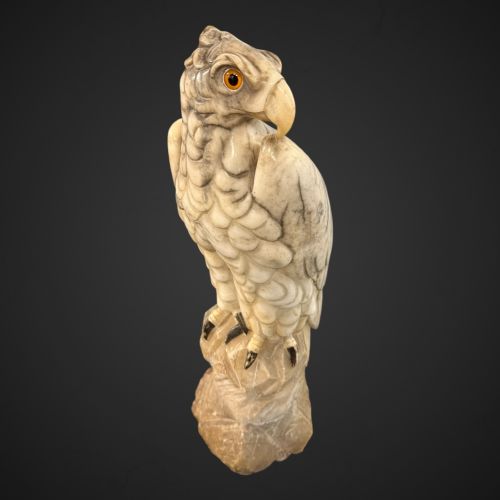
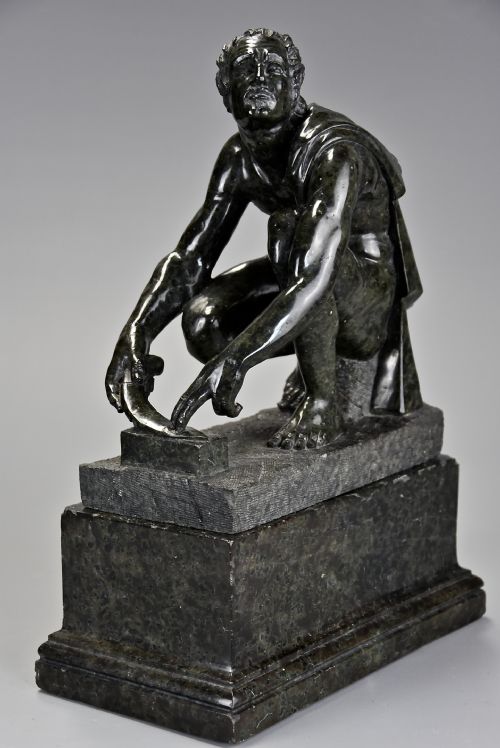
Carvers utilised various natural stones including Carrara marble, serpentine, Siena marble, and alabaster, shaping them with chisels, rasps, and abrasive powders to achieve smooth contours or detailed drapery. Many sculptural works reproduce classical antiquities or follow models associated with renowned neoclassical sculptors.
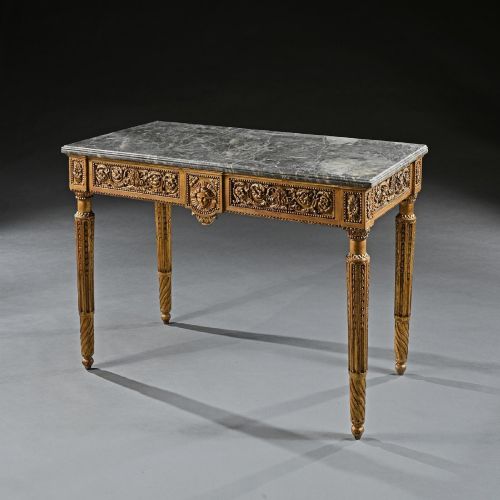
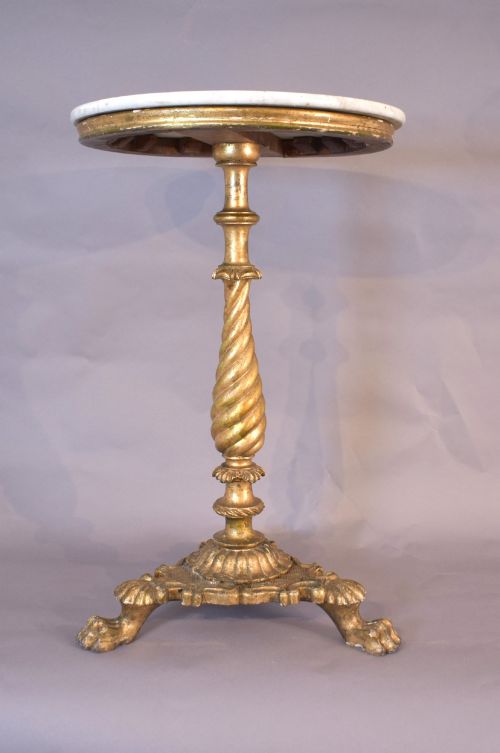
Support elements frequently combine carved and gilded wood, giltwood, or painted bases with heavy stone tops secured to console tables and pedestals. The integration of contrasting materials highlights the natural veining and polished surfaces of the stone elements.
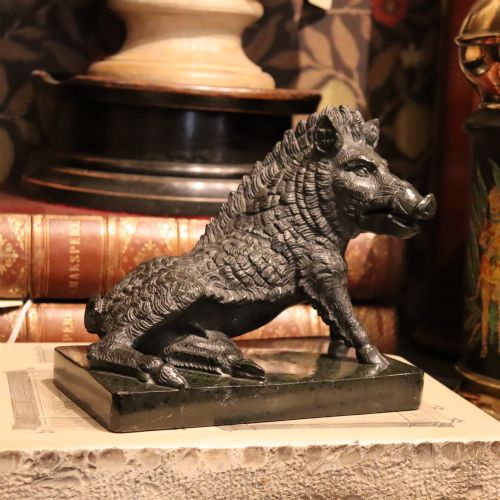
Several marble lions and boars maintain a fierce watch over living rooms centuries after leaving Italian workshops.
Evaluating the carving
Gradations in quality depend upon the crispness of anatomical definition in figurative subjects, the precision of architectural mouldings, and the selective choice of highly figured mineral specimens. Master carvers achieved subtle transitions in muscle and fabric that lesser workshops rendered with rigid symmetry.
The integration between the carved stone element and its secondary support structure indicates the original ambition of the piece, where bespoke giltwood frames complement substantial marble slabs rather than standardised mountings.
Carlo Albacini·Amleto Bertoni·Antonio Canova·Benedetto Boschetti
The Italian Marble Carving Glossary
- Grand Tour
- A traditional trip through Europe undertaken by upper-class young men during the eighteenth and nineteenth centuries to study classical art and architecture. Souvenirs purchased during these journeys frequently inspired the decorative carvings and miniature sculptures found in collections today.
- Carrara marble
- A type of white or blue-grey stone quarried in the city of Carrara in Tuscany, widely utilised by Italian sculptors for its fine and uniform grain. It serves as the primary medium for many classical figures and portrait busts.
- Serpentine
- A group of green silicate minerals often used as a decorative stone due to its mottled appearance resembling snakeskin. It appears frequently in Grand Tour models and architectural ornaments.
- Tazza
- A shallow cup or bowl mounted on a stem and foot, originating from classical antiquity and often rendered in marble or alabaster. These vessels were produced in various scales for decorative display.
- Console table
- A wall-mounted or freestanding table supported by ornate brackets or legs, frequently fitted with an inset marble top. Eighteenth and nineteenth-century Italian examples often feature carved and gilded wood frames.
Italian Marble Carving: Frequently Asked Questions
What is a Grand Tour carving?
Grand Tour carvings are sculptural reductions and architectural models created in Italy during the eighteenth and nineteenth centuries for foreign travellers collecting classical art.
These objects served as portable representations of famous statues and ruins seen during European travels.
How do I identify Carrara marble?
Carrara marble is characterised by its white or light grey background featuring subtle, feathery grey veining throughout the stone matrix.
It provides a fine, consistent grain that allows carvers to execute delicate facial expressions and detailed drapery.
Where were console tables placed?
Console tables were traditionally positioned against drawing room or hallway walls beneath large mirrors or paintings.
The heavy marble or onyx tops provided stable surfaces for decorative objects and lighting.
What is serpentine marble used for?
Serpentine is a mottled green stone utilised for carving architectural models, animal figures, and decorative vessels.
Its distinctive dark and light green patterns emulate the appearance of antique Roman stones.
How should I clean marble carvings?
Dust marble surfaces regularly with a soft, dry cloth to prevent the accumulation of particles within carved recesses.
Avoid using acidic cleaners or excess water that might penetrate unsealed stone or damage gilded wooden bases.