


Antique Putto Sculpture
An antique putto sculpture brings the winged child of classical myth into your room, cast in bronze or carved from wood.
Antique Putto Sculpture
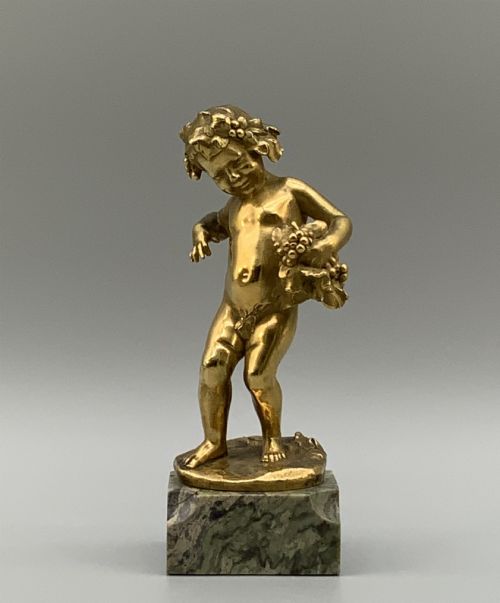
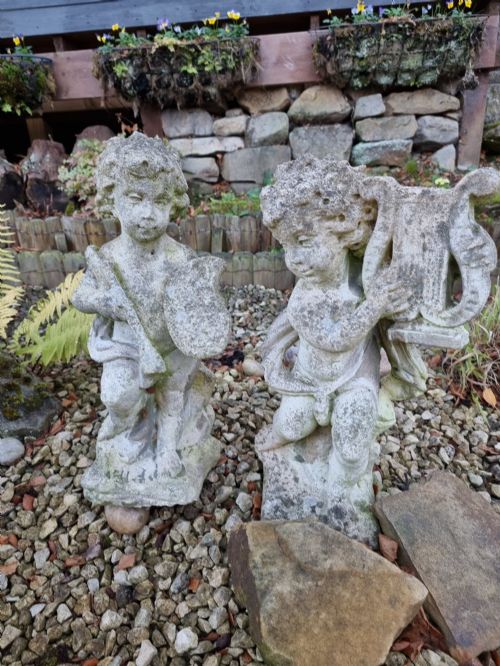
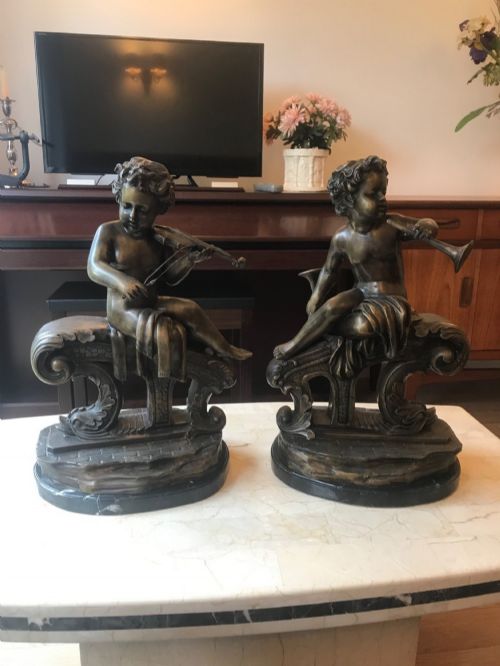
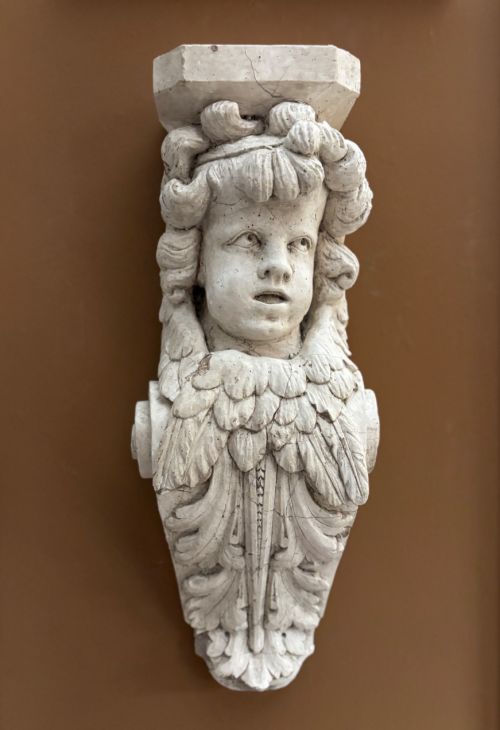
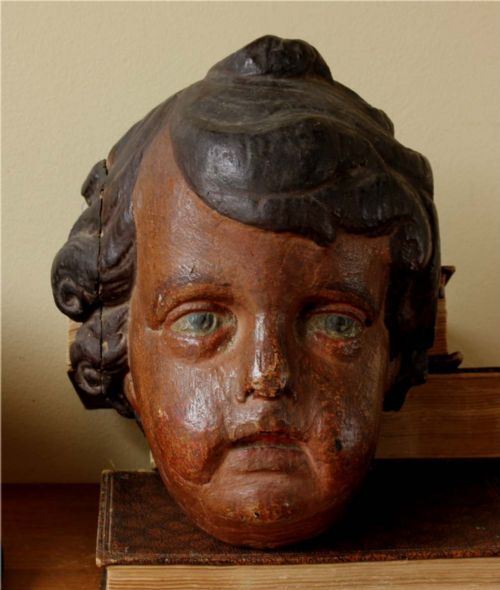
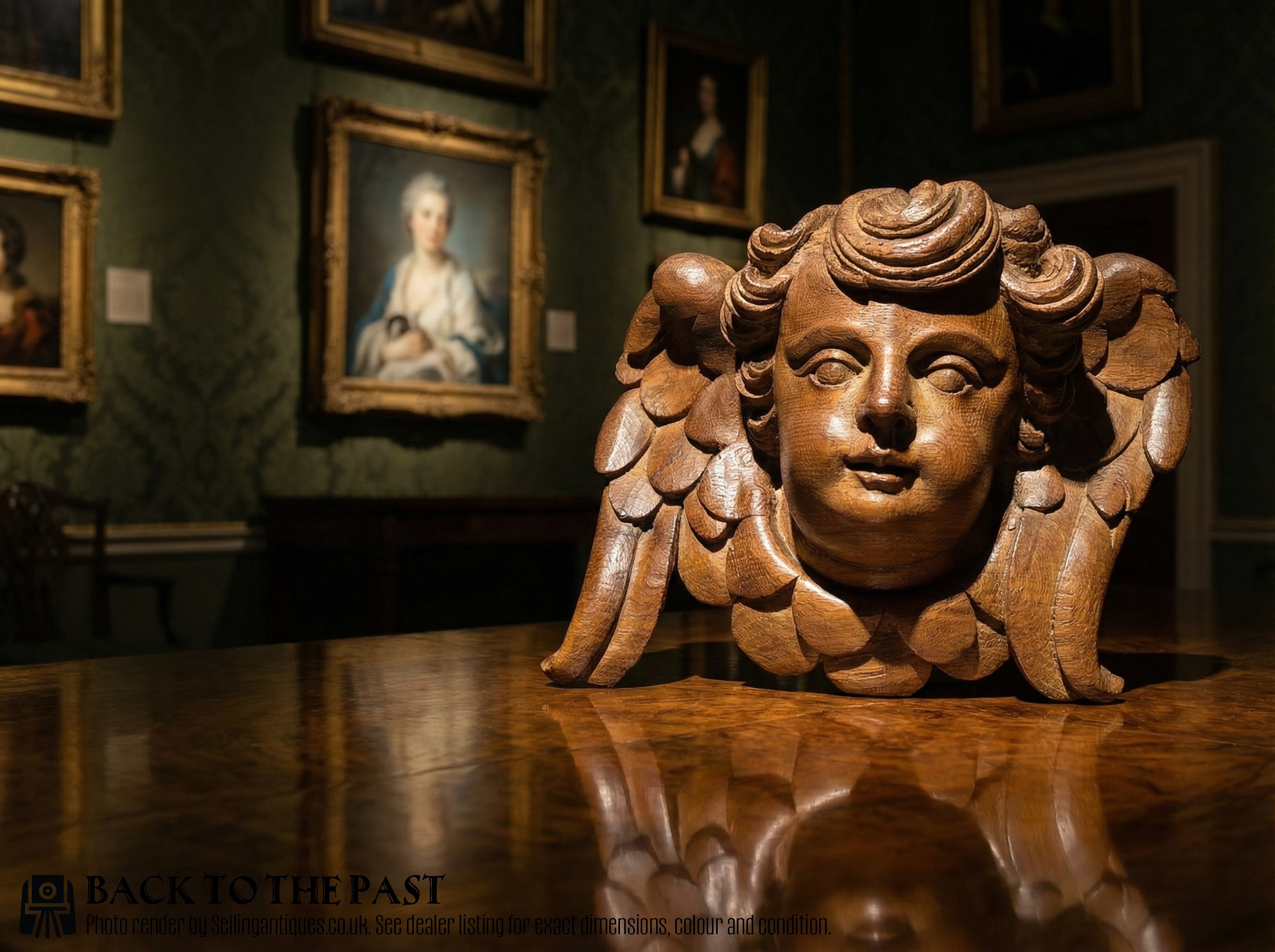
An antique putto sculpture depicts a chubby, winged infant figure derived from classical mythology, often representing cupids, cherubs, or spirits of love. These pieces appear across European traditions from the seventeenth century through to the Edwardian period, drawing on Baroque, Neoclassical, and Rococo revivals. Buyers find them rendered in standalone table figures, architectural wall corbels, clock mounts, and garden statues.
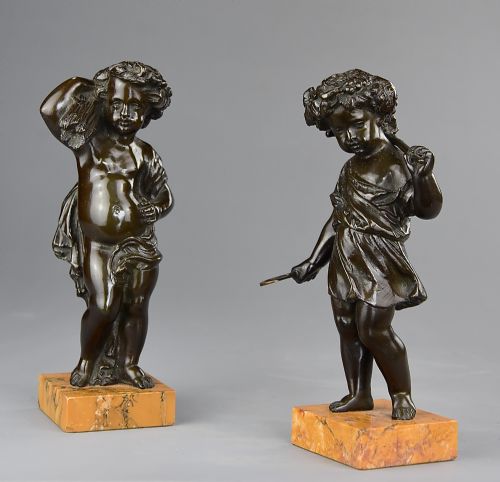
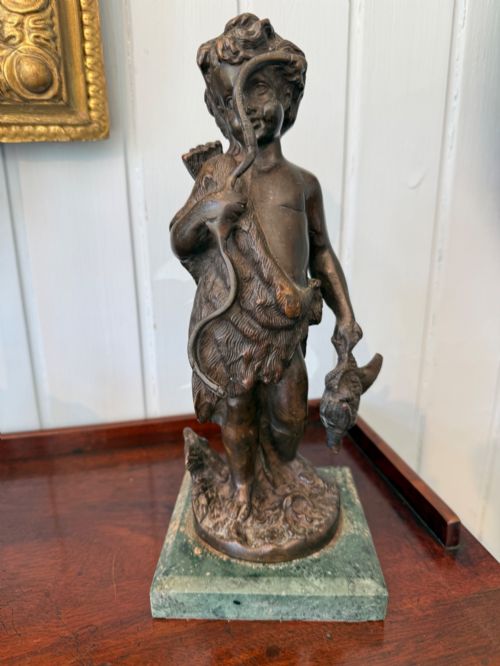
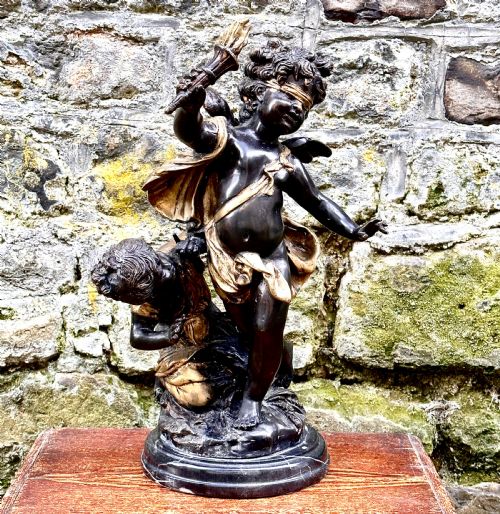
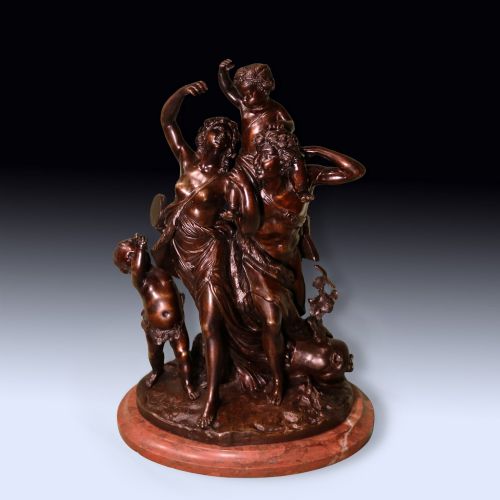
The selections available here lean heavily toward nineteenth-century French and Italian foundry work in bronze and patinated metal, alongside eighteenth-century carved wood figures. Grand Tour bronzes and figural groups after sculptors like Clodion represent common forms within this sphere. Collectors also encounter porcelain figurines and garden stone statues depicting the same infant motifs.
Materials and methods
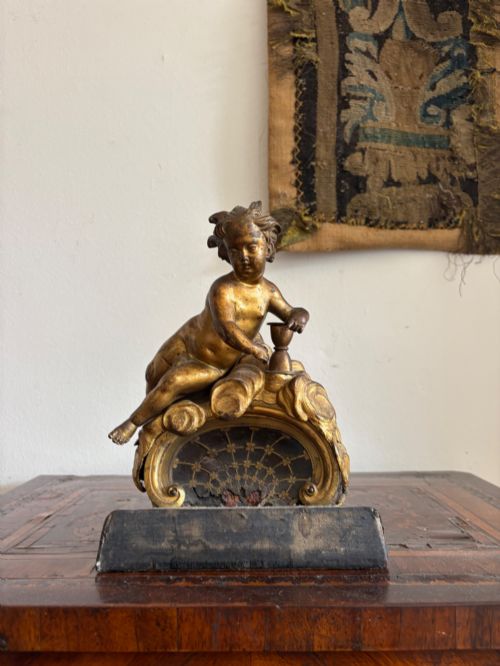
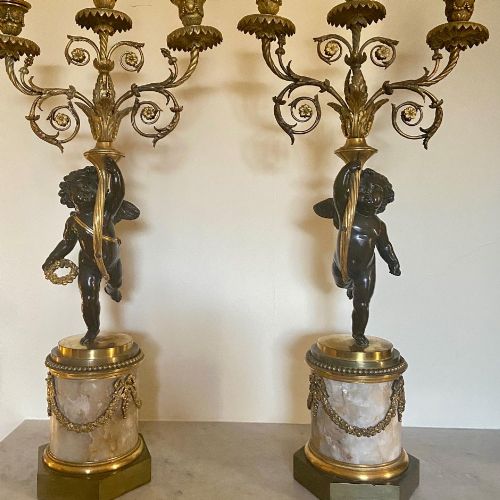
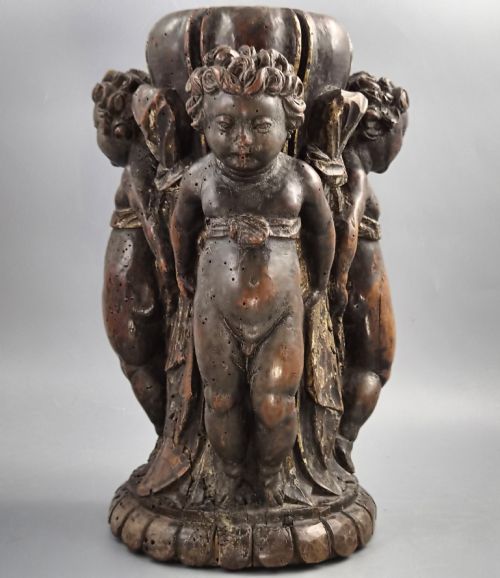
Foundry-cast bronze forms the backbone of these offerings, often finished with gilt or dark patination, alongside cast or ormolu mounts designed to adorn clocks and furniture. Artisans also utilised carved wood, gesso, and polychrome finishes, particularly in eighteenth-century architectural fragments and torchiere bases.
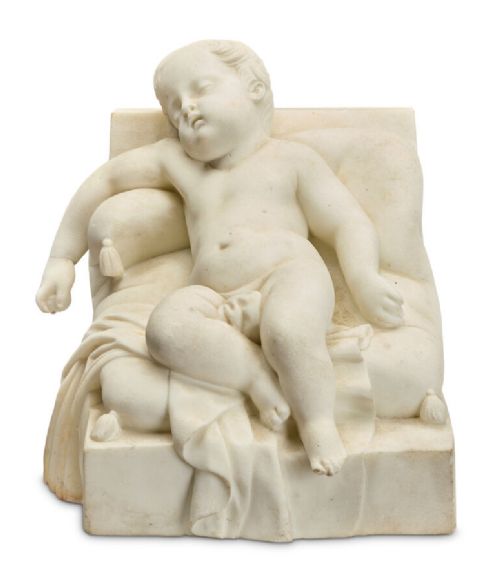
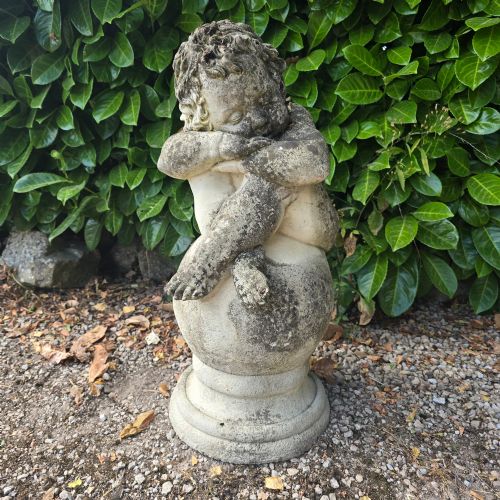
Marble and biscuit porcelain appear in specific cabinet figures and classical groups, while lead and weathered stone serve for larger garden statuary. Makers employed traditional lost-wax casting for metal figures and hand-chased surface details after casting to define hair, wings, and facial expressions.
The selection includes architectural elements, clock mounts, and torchiere bases alongside free-standing figural groups.
Assessing quality
Quality rests primarily on the crispness of the casting and the sensitivity of the hand-chasing in metal pieces, where sharper definition in feathers, curls, and musculature separates superior foundry work from routine production. In carved wood and stone, the depth of relief and proportion determine the piece's success.
The richness and integrity of the original surface patina, whether fire gilding or aged bronze, dictate visual authority. Associated elements, such as matched marble bases or companion pairs, elevate the standing of the work.
Charles Louis Malric·Susse Freres·Claude Michael Clodion·Francois Redmond·Grinling Gibbons·Antonio Canova·Paul Scheurich·George Kemper·Louis Auguste Moreau·Leon Message·Jollet et Cie·H Schubert
The Antique Putto Sculpture Glossary
- Putto
- A plump, naked infant depicted in classical art, often winged. These figures appear frequently in Renaissance and later revivals as attendants to deities.
- Ormolu
- Gilding technique using finely ground gold mercury bronze applied to bronze objects. This finish gives French decorative mounts their characteristic yellow-gold brilliance.
- Grand Tour
- Eighteenth and nineteenth-century travel practice where affluent young Europeans collected small bronzes and antiquities. These souvenir sculptures often reproduced famous classical models.
- Torchiere
- A tall stand or pedestal, or a standing lamp modelled on a torch holder. In wooden antique pieces, putto figures often support the structural base.
- Patination
- The surface coloration developed naturally through age or applied chemically by a metalworker. A good bronze patina shows depth and tonal variation.
Antique Putto Sculpture: Frequently Asked Questions
What is a putto?
A putto is a chubby infant figure, typically winged, originating in classical art and adopted heavily during the Renaissance and later revival periods. They symbolise love, mischief, or seasonal harvest.
In sculpture, they appear alone or in groups, playing instruments, holding wine, or bearing floral garlands.
How do I date a bronze putto?
Dating relies on the alloy, the quality of the chasing, the style of the base, and foundry marks. Nineteenth-century pieces often show precise hand-tooling on the bronze surface after casting.
Earlier eighteenth-century works display different patination characteristics and mounting techniques compared to later mass-produced Victorian or Edwardian castings.
Where were these sculptures placed?
Putto figures served diverse decorative functions across European interiors and gardens. Smaller bronzes sat on desks, bookshelves, or functioned as bookends, while ormolu mounts decorated clocks and furniture.
Larger wooden carvings formed architectural pediments or torchiere bases, and stone versions populated nineteenth-century gardens.
What is a Grand Tour bronze?
A Grand Tour bronze is a small-scale sculpture purchased by travellers touring Italy and France during the eighteenth and nineteenth centuries. These pieces reproduced famous classical statues or ancient artefacts found in museums and excavations.
They allowed collectors to bring classical antiquity and mythology back to their domestic interiors.