

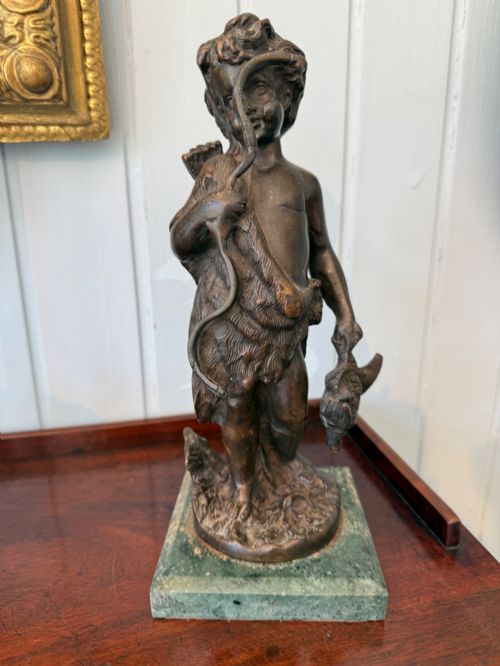


Neoclassical Marble Putto
A neoclassical marble putto brings classical myth into domestic space, offering carved figures of cherubs and cupids that collectors prize for their sculptural presence.
Neoclassical Marble Putto
A neoclassical marble putto represents the winged infant figures of classical antiquity, frequently appearing as standalone sculptures, candelabra supports, or clock garniture elements. These objects emerge primarily from nineteenth-century Italian and French workshops, encompassing grand tour pieces alongside formal statuary.
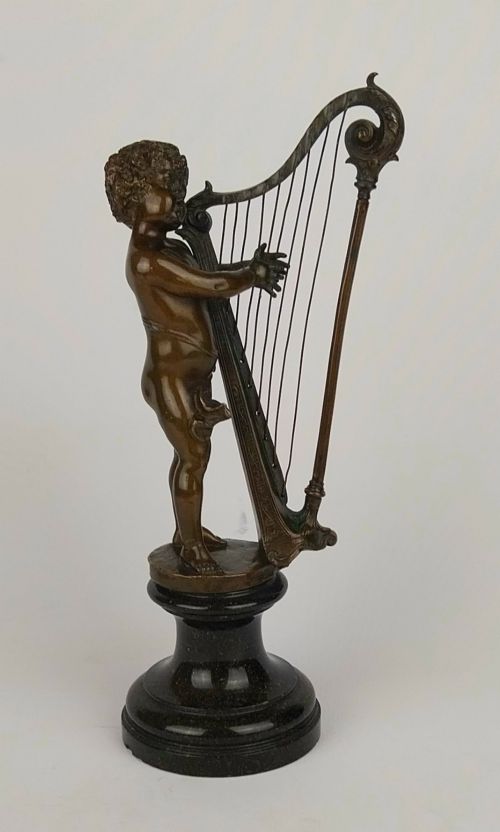
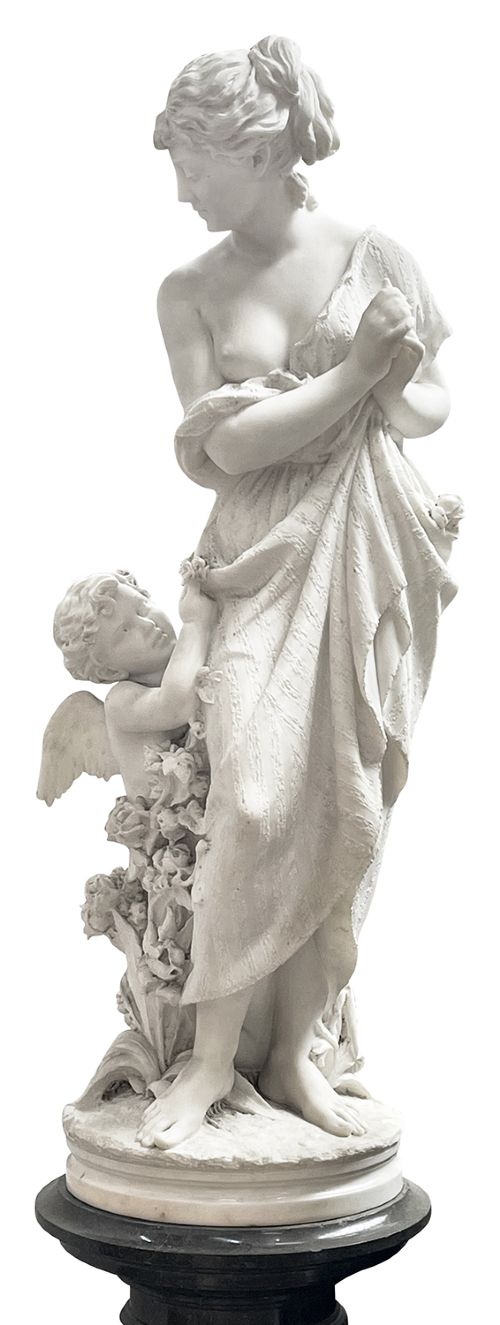
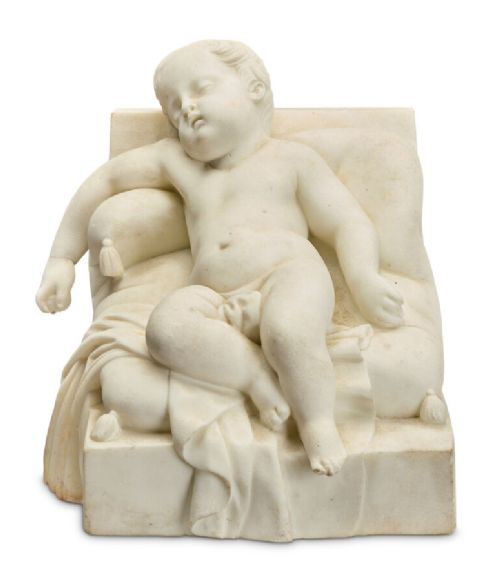
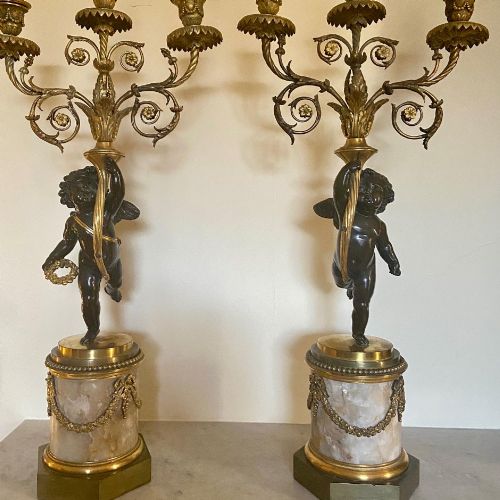
The selections on this page range from single Carrara marble statues of sleeping infants to patinated bronze and marble pairs holding bows or candelabra arms. Figures draw directly upon eighteenth-century French design and neoclassical revival aesthetics, linking domestic ornamentation directly to ancient sculptural traditions.
How they were made
Carvers shaped white and Carrara marble using traditional masonry tools to achieve smooth flesh tones and soft anatomical contours. Foundational bases often utilise contrasting red marble or specimen stone to anchor the lighter figures.
Metal components combine cast bronze, gilt bronze, or ormolu with patinated finishes. Founders cast putti figures in sections before securing them to stone plinths with threaded pins.
Neoclassical Marble Putto Retail Price Guide 2026
Typical asking prices for neoclassical marble putto among the pieces listed under this phrase on Sellingantiques today, from the lower quarter to the upper quarter. They describe what is for sale here now, not the wider market.
Several putti carry bows or rest upon rocks, proving that even mythological infants require occasional tactical support.
What varies in quality
The integration between mixed materials dictates overall merit, particularly how cleanly bronze or ormolu mounts fit against the marble bases. Original patination and signed bases elevate individual pieces above standard decorative workshop output.
Antonio Canova·Claude Clodion·Francois Redmond·Denise Delavigne
The Neoclassical Marble Putto Glossary
- Putto
- A plump, naked infant depicted in classical art, often winged. These figures represent mythological cupids or cherubs in neoclassical sculpture.
- Carrara Marble
- A type of white or blue-grey marble from the city of Carrara in Italy. Sculptors favour this material for its fine, uniform grain.
- Ormolu
- Gilt bronze produced by applying a finely ground high-carat gold-mercury amalgam to a bronze object. This technique creates a rich golden surface finish.
- Clock Garniture
- A set comprising a central mantel clock accompanied by matching side pieces such as candelabra or urns. These decorative ensembles coordinate room mantels.
- Grand Tour
- A cultural journey of Europe undertaken by wealthy young men in the eighteenth and nineteenth centuries. Travellers collected classical sculpture and bronzes as souvenirs.
Neoclassical Marble Putto: Frequently Asked Questions
What is a neoclassical marble putto?
A neoclassical marble putto is a sculpted figure of a winged infant carved from stone during the nineteenth-century revival of classical art. These works draw inspiration from ancient Roman and Greek mythological sculpture.
They appear as standalone statues or integrated into functional objects like clocks and candelabra. The style prioritizes balanced composition and classical grace.
How were putto candelabra used?
These candelabra served to illuminate dining rooms and drawing rooms during the nineteenth century. The metal arms held wax candles while the marble bases anchored the heavy structures.
Servants moved them across mantelpieces and tables as evening light required. Their decorative design allowed them to function as sculptural art when unlit.
Where should I place a marble putto?
These sculptures suit prominent display surfaces such as mantelpieces, side tables, or dedicated pedestals. Placing them near natural light highlights the subtle curves of the carved marble.
Collectors often position paired figures symmetrically to frame larger mirrors or clocks. Stable, level surfaces protect the heavy stone and bronze from tipping.
How do I identify a grand tour piece?
Grand tour pieces typically date from the nineteenth century and reflect Italian craftsmanship intended for foreign travellers. They frequently combine cast bronze figures with marble or specimen stone bases.
Subject matter draws heavily from excavated antiquities and famous museum sculptures. Their scale usually suits transport home by nineteenth-century tourists.