



Dark Green Stone Carving
A dark green stone carving brings the heavy, classical presence of Italian workshops and Chinese craftsmanship straight onto your mantelpiece.
Dark Green Stone Carving
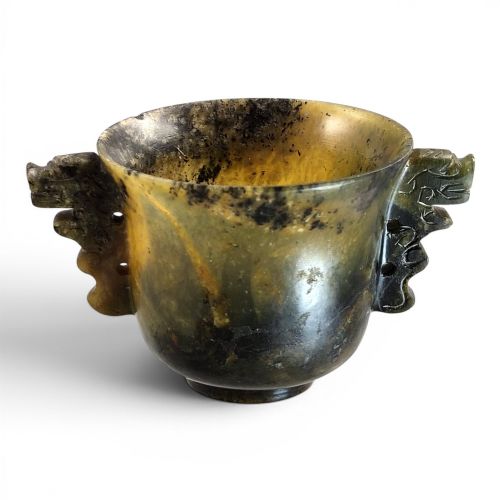
When you search for dark green stone carving, you encounter objects shaped from dense mineral materials across several distinct centuries. The selection on this page leans heavily toward nineteenth-century Italian Grand Tour sculptures, alongside occasional Chinese nephrite vessels and eighteenth-century étui cases.
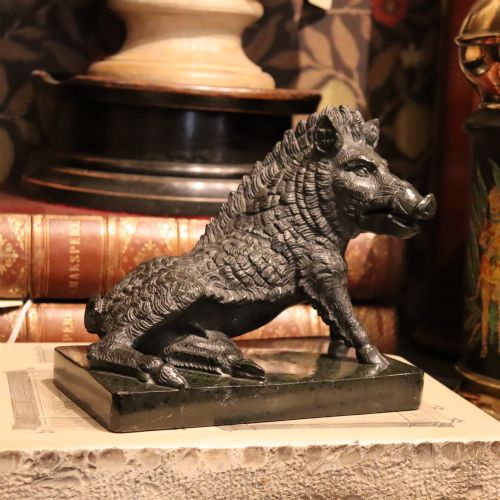
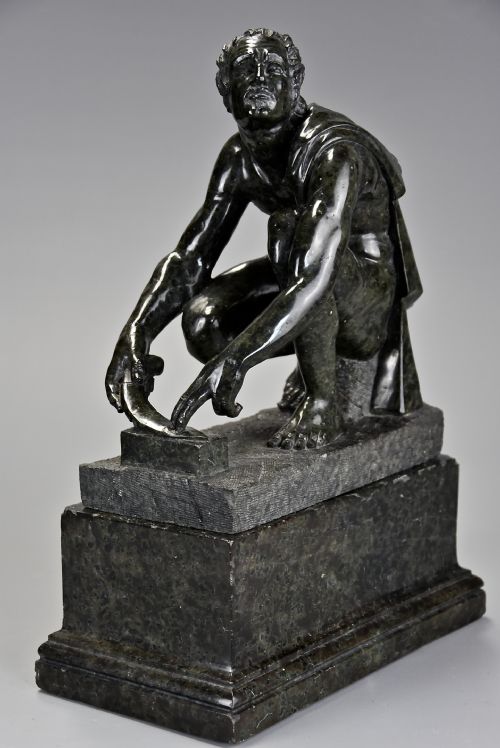
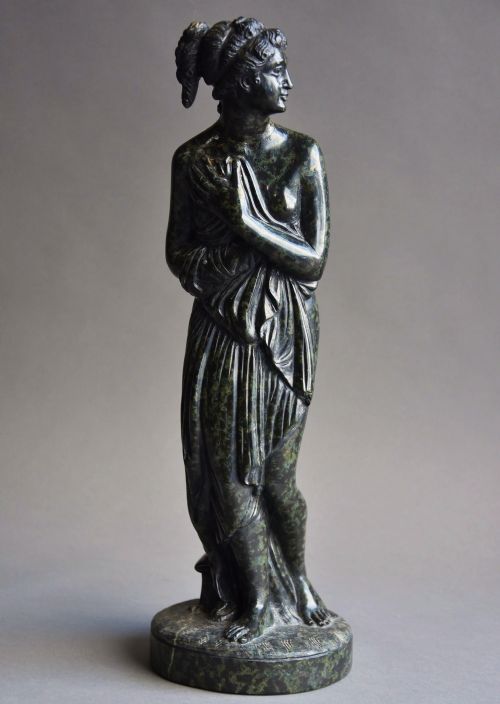
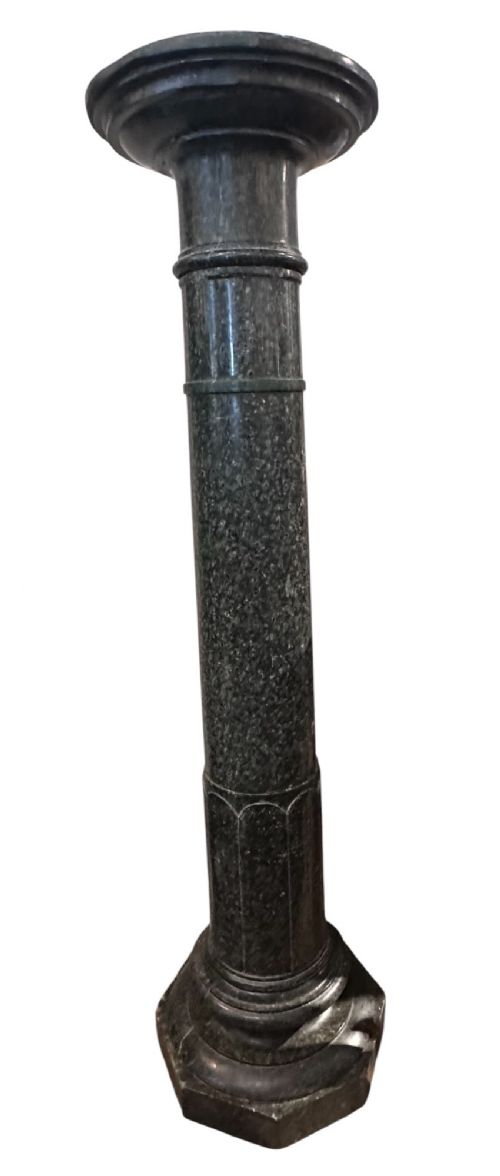
Formats vary from miniature architectural columns and pedestals to detailed animal figures such as lions, hounds, and boars. You also find human figures after classical models, alongside decorative urns and cups featuring traditional handles.
Most pieces originate from the nineteenth century, capturing the revival of neoclassical tastes that collectors purchased during European travels. Alongside these European works, you meet earlier eighteenth-century examples and turn-of-the-century Asian carving.
Materials and carving techniques
Makers shaped these objects using hard geological materials, specifically varieties of serpentine, nephrite jade, and marbles such as verde antico and verde prato. These stones offer high resistance to cutting tools, demanding patient hand abrasion and polishing.
Sculptors utilised traditional chisels and abrasive powders to carve intricate details like the fur of hounds, the architectural fluting of columns, and the smooth contours of classical human figures. Some items, such as smaller containers, incorporate precious metal mounts fitted directly to the carved stone.
Dark Green Stone Carving Retail Price Guide 2026
Typical asking prices for dark green stone carving among the pieces listed under this phrase on Sellingantiques today, from the lower quarter to the upper quarter. They describe what is for sale here now, not the wider market.
The site records nineteenth-century European Grand Tour production alongside eighteenth-century stone boxes with gold mounts.
Differentiating quality across the range
Quality in a dark green stone carving rests upon the anatomical accuracy and sharpness of the sculptural detail. Skilled carvers captured the tension in a muscular animal or the crisp fluting of a column, whereas lesser works show rounded edges and simplified proportions.
The choice of raw mineral also dictates distinction, with uniform jade or richly variegated serpentine marbles commanding greater visual depth. The integration of secondary elements, such as accurately fitted gold mounts on stone cases, indicates higher workshop standards.
The Dark Green Stone Carving Glossary
- Grand Tour
- A traditional educational trip through Europe undertaken by wealthy young men in the eighteenth and nineteenth centuries. Travellers frequently purchased small marble and stone sculptures to bring home as souvenirs.
- Serpentine
- A group of green silicate minerals often used as a substitute for marble. It polishes to a smooth finish and displays mottled or veined patterns.
- Nephrite
- A compact, tough variety of amphibole jade prized for carving intricate vessels and figures. It ranges in colour from translucent white to deep spinach green.
- Archaistic
- A style in art that consciously imitates the forms and decoration of ancient periods. In Chinese carving, this refers to designs evoking early bronze vessels.
Dark Green Stone Carving: Frequently Asked Questions
What periods do these carvings come from?
The listings here span from the eighteenth century through the Victorian era and into the Edwardian period. Most examples date from the nineteenth century during the height of the Grand Tour.
You also find occasional earlier pieces, such as eighteenth-century cases, alongside works created around nineteen hundred.
Where were these stone pieces made?
The European sculptures and architectural elements originate primarily from Italian workshops catering to foreign travellers. These artisans reproduced classical statues and monuments found in Rome and Florence.
Other items, such as nephrite cups, stem from Asian traditions that utilised archaic bronze motifs on carved jade vessels.
How were columns and pedestals used?
Small marble columns and pedestals served as decorative display pieces within nineteenth-century interiors. Collectors used them to elevate smaller sculptures, busts, or decorative objects on tabletops.
They reflect the domestic appetite for classical architecture and museum-style displays in private homes.
What animals appear in these sculptures?
Sculptors frequently carved lions, notably the Venetian lion and pairs of protective beasts. Hounds and the Florentine boar also recur across nineteenth-century Italian serpentine marble.
These subjects directly mirror famous antiquities that travellers visited during their European journeys.
How do you maintain a stone carving?
Keep these pieces away from sudden temperature shifts and direct sunlight to protect the polished surface of the marble or serpentine. Dust them gently with a soft, dry cloth without applying harsh chemical cleaners.
If the piece includes metal mounts, avoid getting moisture into the joins between the stone and metal.