
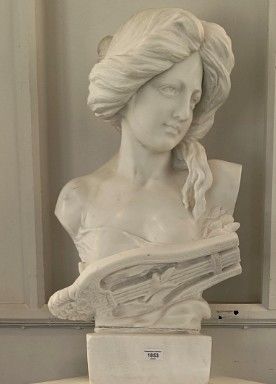
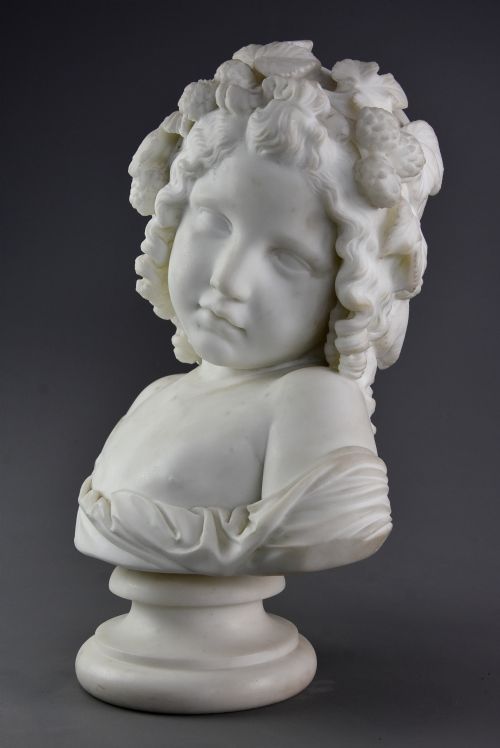
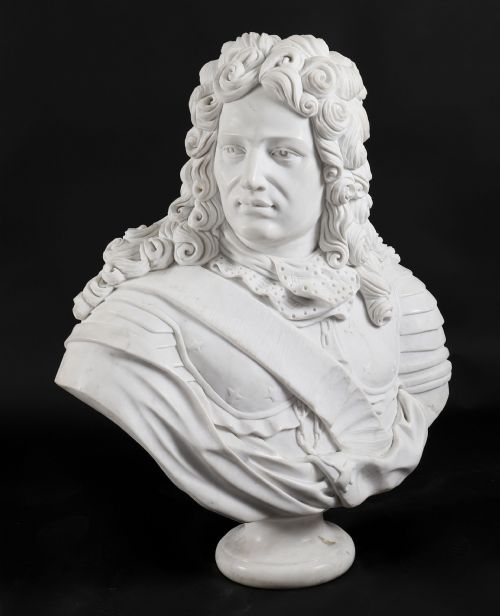
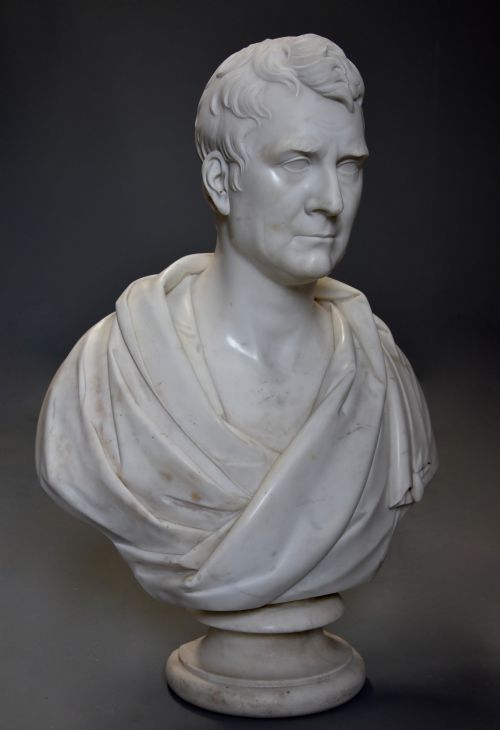

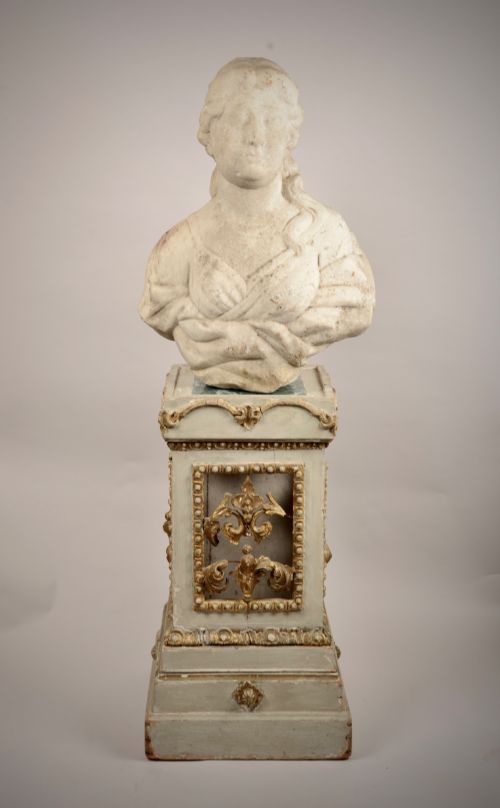


Carved Marble Portrait Bust
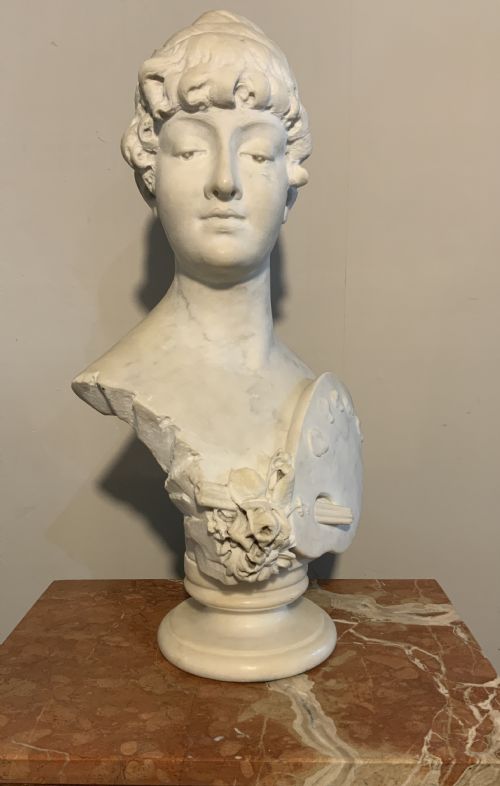
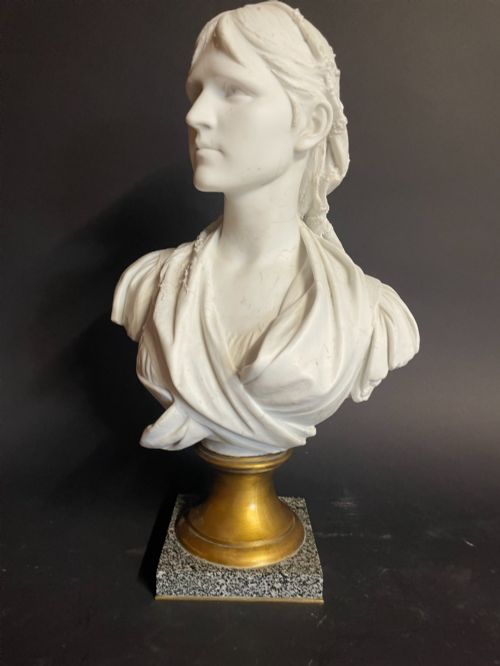
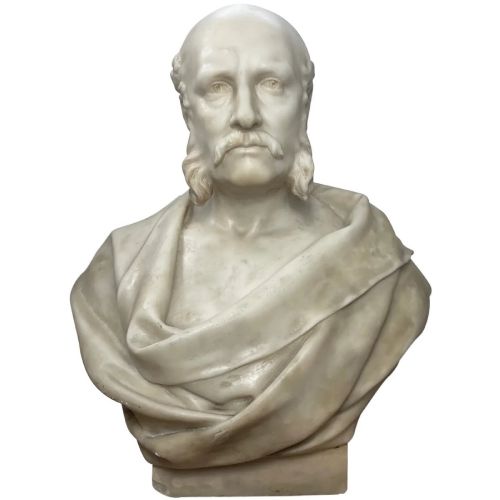
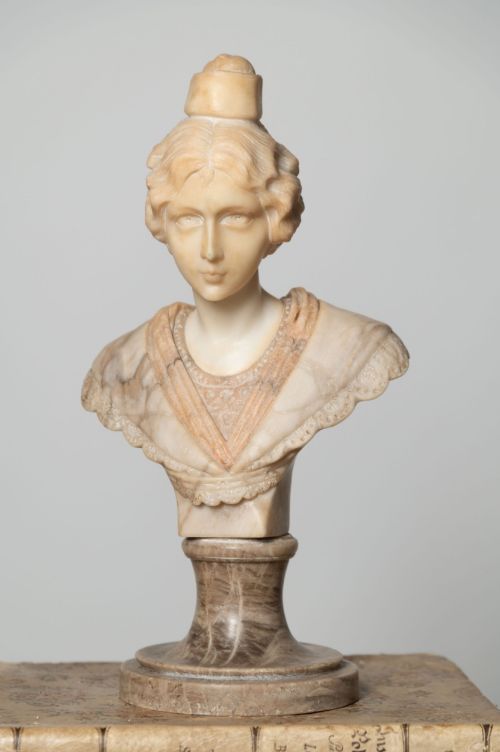
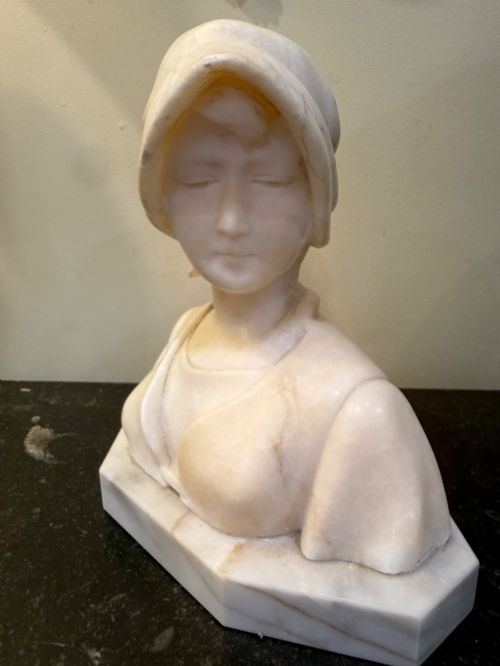
A carved marble portrait bust captures a likeness in solid stone, bringing classical presence and historical weight into a room.
Carved Marble Portrait Bust
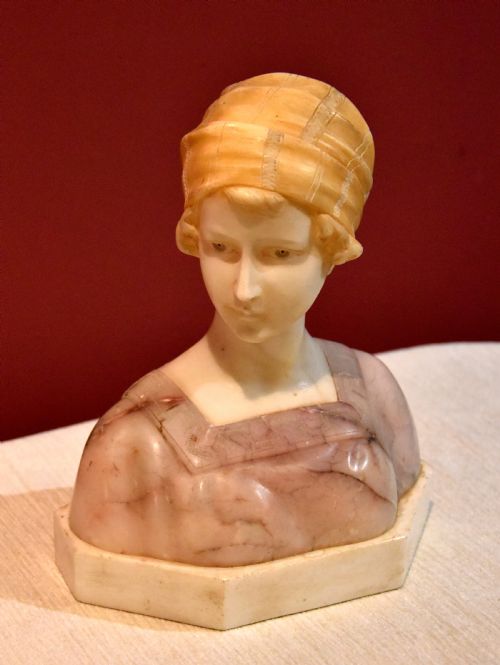
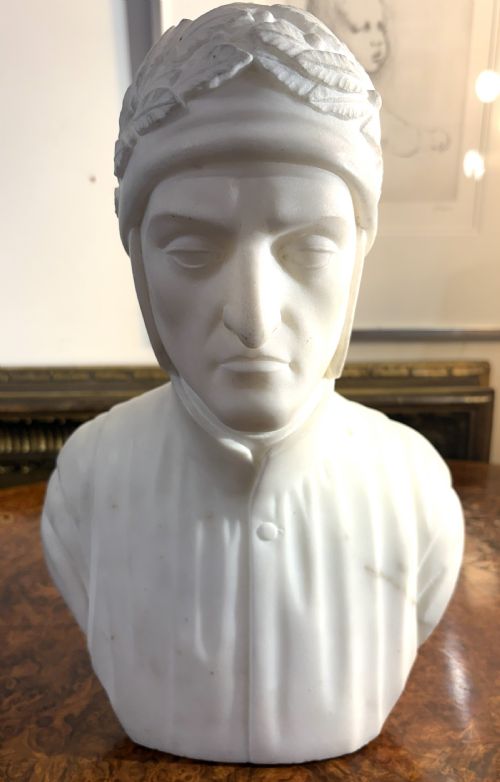
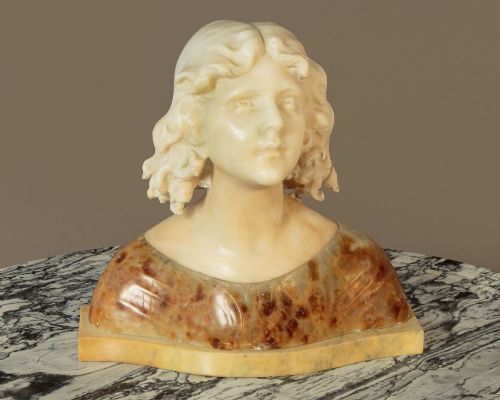
When searching for a carved marble portrait bust, you encounter sculpted likenesses ranging from classical mythological figures and Roman emperors to named historical personages and anonymous gentlemen or young ladies. The selection spans centuries from the seventeenth through the twentieth, with nineteenth-century examples appearing most frequently.
Forms vary from monumental civic portraits and library busts to profile wall plaques and veiled female figures mounted on contrasting mineral bases. Italian workshops and English makers predominate, producing works in styles such as Neoclassical, Baroque Revival, and Art Nouveau.
Subjects include literary figures like Dante Alighieri, mythological muses such as Erato, and noblemen in armour alongside young girls and Dutch children.
Materials and Carving
Sculptors shape these pieces primarily from white marble, Carrara marble, and alabaster, occasionally combining mixed marbles or mounting figures on vert de mer marble bases.
The working process involves chiselling, rasping, and polishing the stone to render drapery, hair texture, and facial expression with precision.
Several stone noblemen wear full armour while maintaining a calm, unbothered expression.
Distinctions in Execution
Execution separates standard decorative works from master sculptors, visible in the natural drape of fabric, the lifelike fall of hair, and the sensitive modeling of skin and bone.
Signed pieces by documented sculptors and identifiable foundries carry greater weight, reflecting individual artistry rather than standard workshop production.
Houdon·J Francis·Auguste Henri Carli·John Wenlock Rollins·Mieczyslaw Leon Zawiejski
The Carved Marble Portrait Bust Glossary
- Carrara marble
- A type of white or blue-grey marble quarried in the city of Carrara in Tuscany, prized by sculptors for its fine and uniform grain.
- Alabaster
- A fine-grained, translucent stone often used for nineteenth-century portrait sculpture and library busts.
- Neoclassical
- A style originating in the mid-eighteenth century inspired by the art and culture of classical antiquity.
- Library bust
- A smaller scale portrait sculpture designed to sit upon a bookshelf or mantelpiece.
- Vert de mer
- A dark green ornamental marble with white veining, frequently utilised for sculptural bases.
Carved Marble Portrait Bust: Frequently Asked Questions
What is a marble portrait bust?
A carved marble portrait bust is a three-dimensional sculptural representation of a person's head, neck, and shoulders carved from stone.
These pieces typically depict historical figures, literary icons, classical deities, or private individuals from various centuries.
Where were these sculptures made?
Many portrait busts originate from Italian workshops, particularly Carrara, while others emerge from English, French, and Polish studios.
Sculptors produced them across different periods, influenced by Neoclassical, Baroque, and Victorian aesthetic traditions.
How do I display a bust?
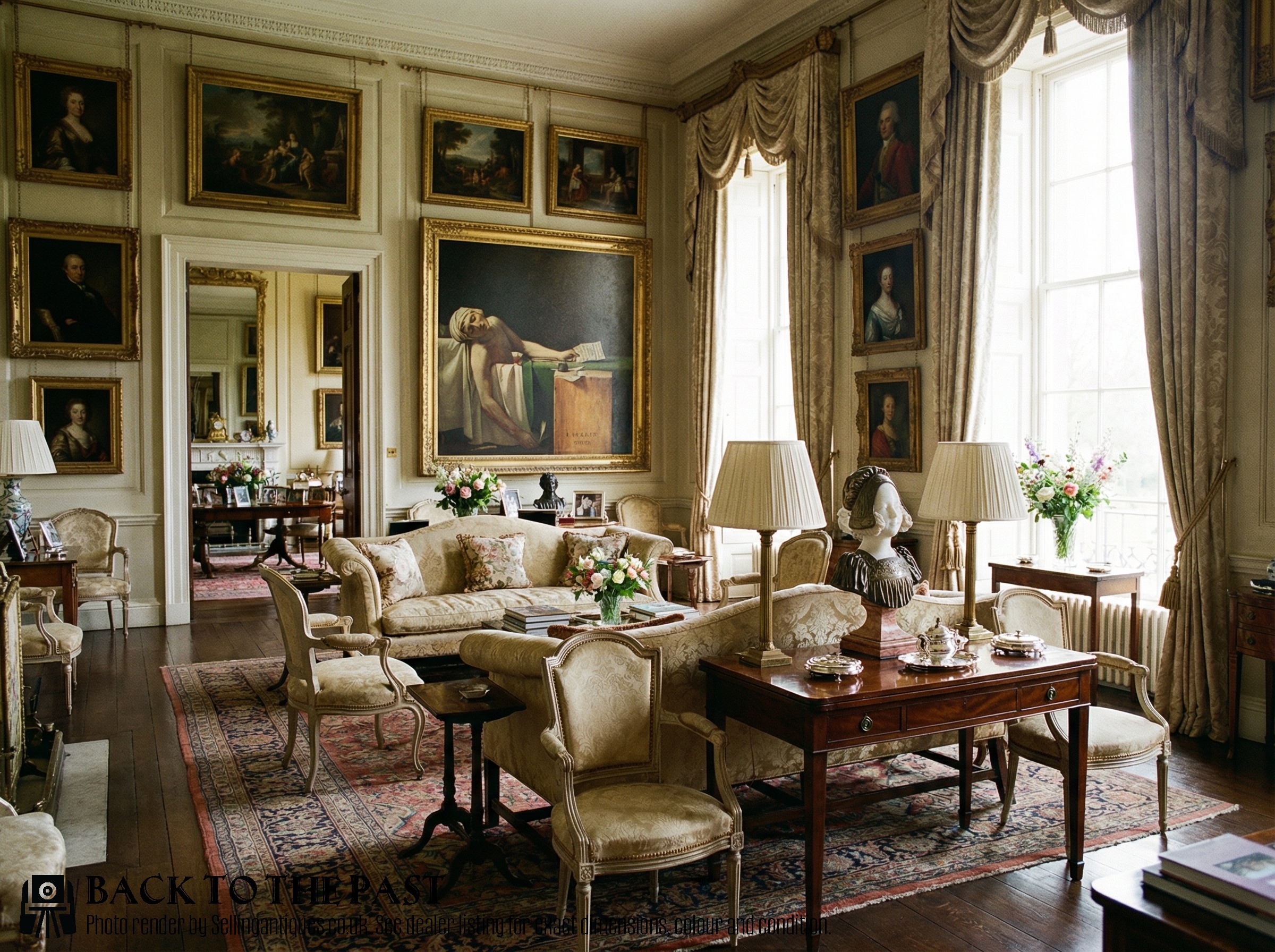
Busts fit well upon wooden libraries, sideboards, or dedicated stone pedestals and torcheres depending on their scale.
Placing them in rooms with controlled natural light highlights the subtle contours and polish of the marble or alabaster.
How do I identify the period?
Period identification relies on stylistic cues such as the severity of Neoclassical drapery or the softer ornamentation of Art Nouveau.
Signatures, inscriptions, and the specific choice of stone or base material also provide clear indicators of date.