
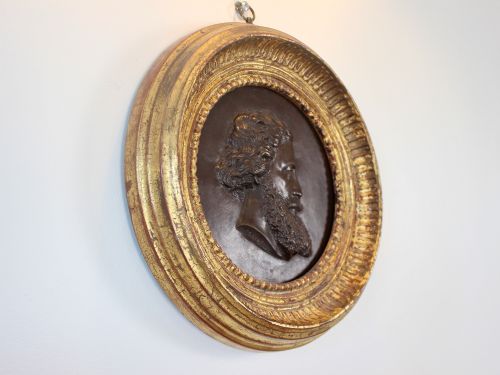


Antique Gentleman Sculpture
An antique gentleman sculpture brings serious character to a room, capturing distinct personalities in bronze, marble, and plaster.
Antique Gentleman Sculpture
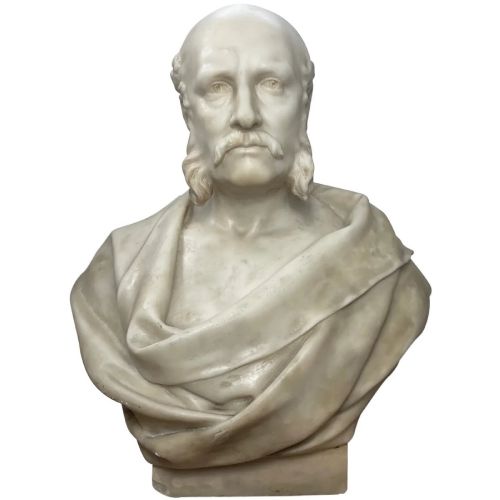
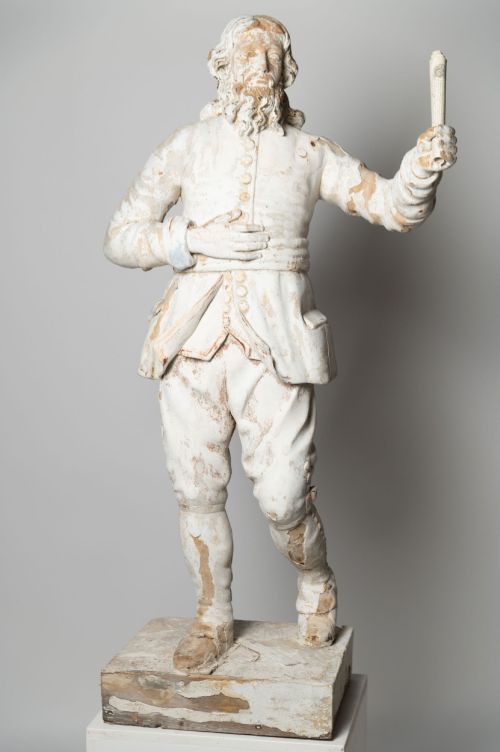
An antique gentleman sculpture captures male figures in various forms, ranging from monumental civic busts to smaller desk studies and portrait plaques. These works frequently emerge from the nineteenth century, including Victorian pieces and works dated across the eighteen-fifties, eighteen-nineties, and early nineteen-hundreds.
Materials and methods
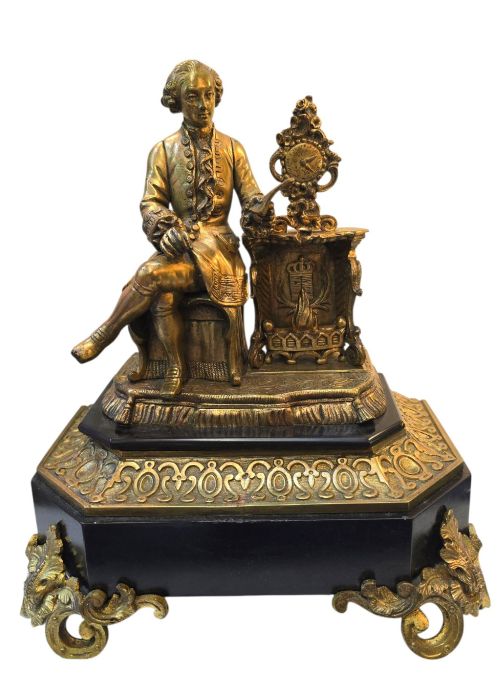
Foundry bronze casting forms the backbone of the metal works, allowing for sharp detail in beards, drapery, and facial expression. Many of these bronze pieces carry patination ranging from deep brown to dark green tones.
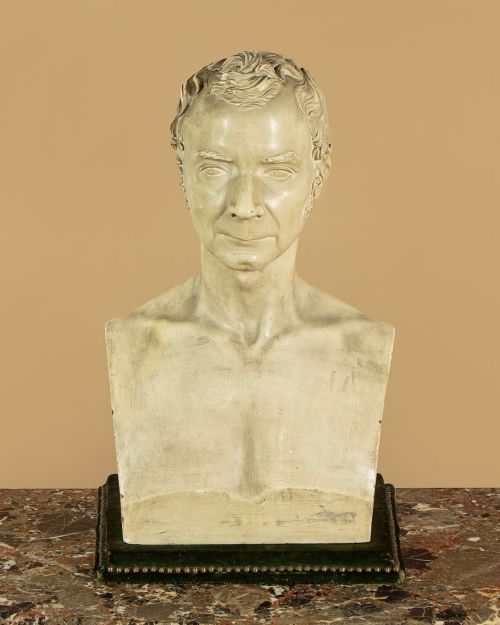
Carved marble requires meticulous hand-chiselling, particularly in white marble and coloured stone variants used for significant portrait busts. Plaster works rely on moulding and casting techniques, sometimes receiving a painted surface finish or simulated stone treatment to mimic heavier materials.
Some gentlemen maintain an unruffled gaze through centuries of shifting decor, steadfastly refusing to match the wallpaper.
Assessing the work
The strength of the modelling determines the immediate impact of a piece, separating lifelike anatomical studies from rigid or formulaic representations. Subtle details in the carving of hair, eyes, and clothing demonstrate the hand of a skilled modeller or foundry.
Material selection dictates the weight and presence of the sculpture, with solid cast bronze and finely grained marble representing the upper tier of production. Signed works and attributed pieces carry additional weight through documented provenance and known artistic authorship.
Pierre-Augustin Caron de Beaumarchais·John Wenlock Rollins·Sir Thomas Brock·Giuseppe Moretti
The Antique Gentleman Sculpture Glossary
- Patna
- The surface finish and coloration developed on bronze over time through natural oxidation or chemical treatment. This skin protects the metal and adds visual depth to the sculpture.
- Bust
- A sculpted representation of a person from the chest up, capturing the head and shoulders. This format remains the most common presentation for portrait sculptures.
- Plaque
- A flat-backed sculptural panel designed for wall hanging rather than freestanding display. Relief carving on these pieces creates a sense of depth on a vertical plane.
- Foundry
- The workshop or commercial establishment where metal sculptures are cast from moulds. Foundry marks often help identify the origin and production period of a bronze.
Antique Gentleman Sculpture: Frequently Asked Questions
Where should I place a heavy marble bust?
Heavy marble and bronze pieces require a sturdy, stable surface such as a dedicated column, a heavy sideboard, or a low bookcase. Ensure the weight distribution is secure to prevent tipping.
Position the sculpture away from direct heat sources and strong, fluctuating sunlight to protect the material and any surface patination over the years.
How do I clean an antique bronze sculpture?
Dust bronze pieces regularly with a soft, dry lint-free cloth to prevent particulate buildup on the surface. Avoid using chemical cleaners, polishes, or water, which can strip the historic patination.
Professional conservation is recommended if deeper cleaning becomes necessary due to environmental accumulation or surface concerns.
Are plaster busts fragile?
Plaster sculptures are more susceptible to chips, knocks, and surface abrasion than bronze or hard stone. Handle them with care and place them away from high-traffic household areas where they might be bumped.
Keep plaster away from moisture entirely, as damp environments can degrade the material and discolour painted or simulated stone finishes.
How can I tell a Victorian bust from an older piece?
Victorian portrait sculpture often displays specific clothing styles, hairstyles, and facial hair trends, such as heavy sideburns or moustaches characteristic of the nineteenth century. Inscription styles, naming conventions, and foundry marks can also offer clues to the precise era of production.
Comparing the treatment of the drapery and the tool marks on the reverse provides further context for dating the piece accurately.