


19th Century Marble Carving
These pieces combine classical form and natural stone to bring solidity and historical weight into a room when searching for a 19th century marble carving.
19th Century Marble Carving
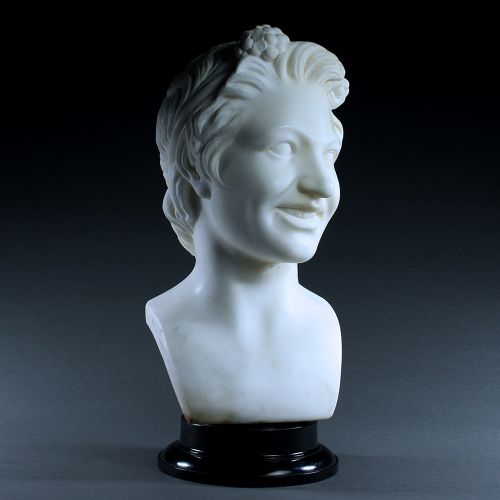
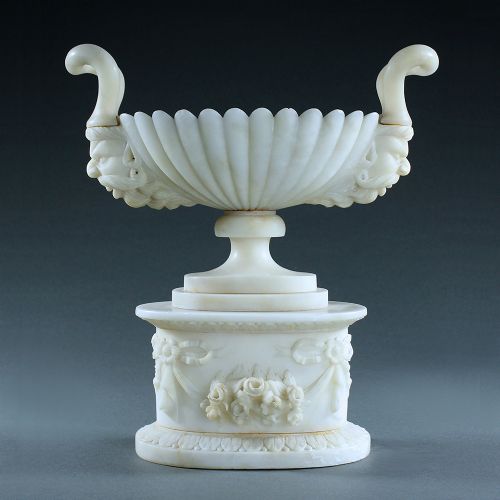
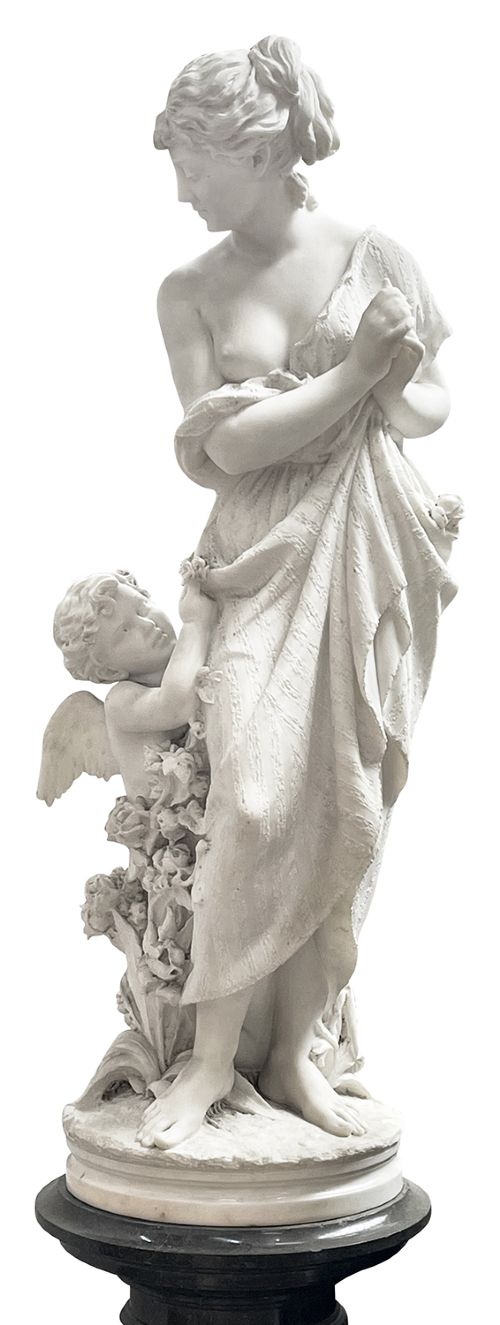
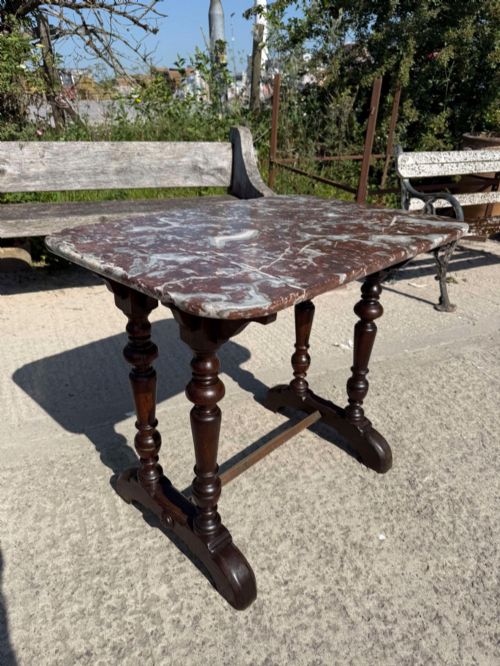
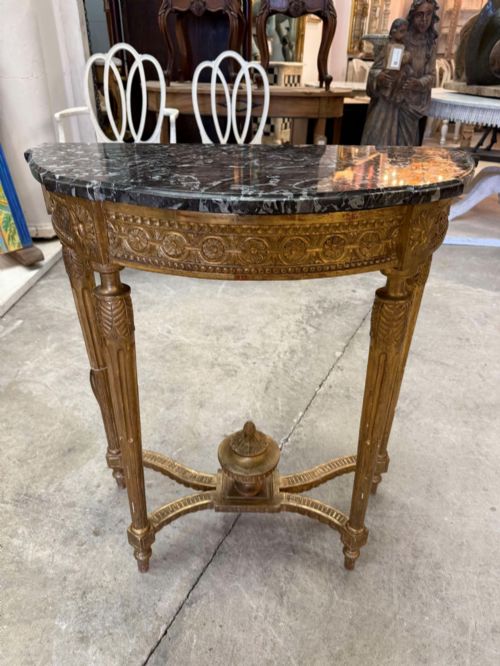
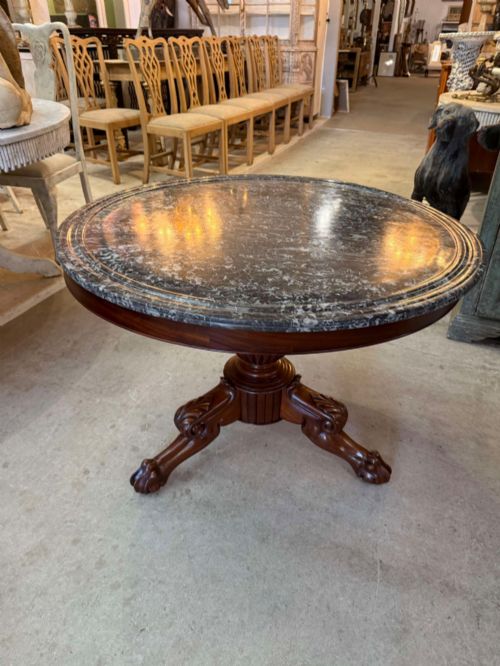
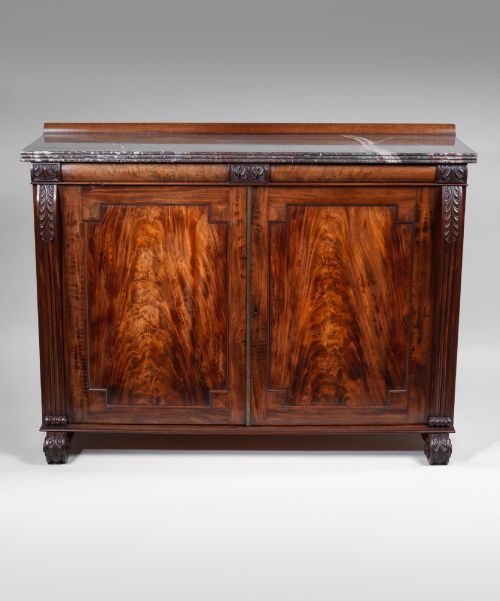
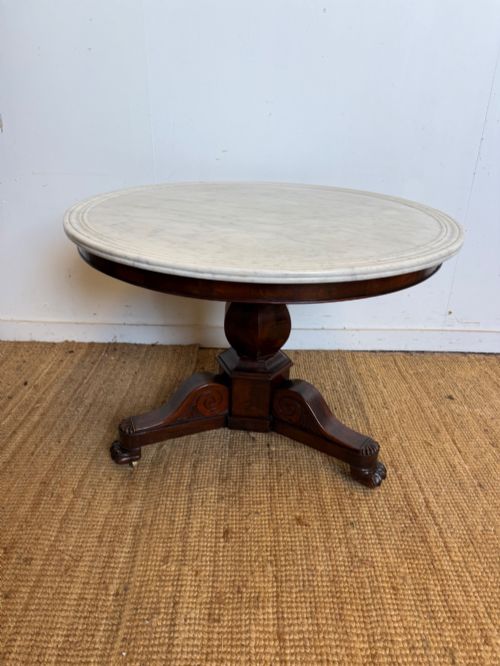
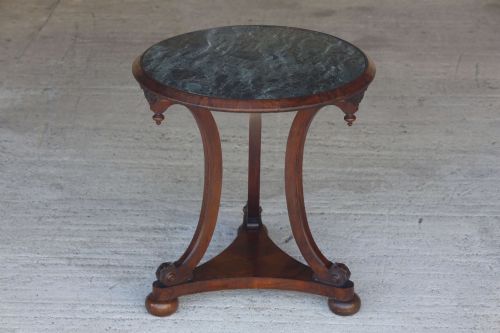
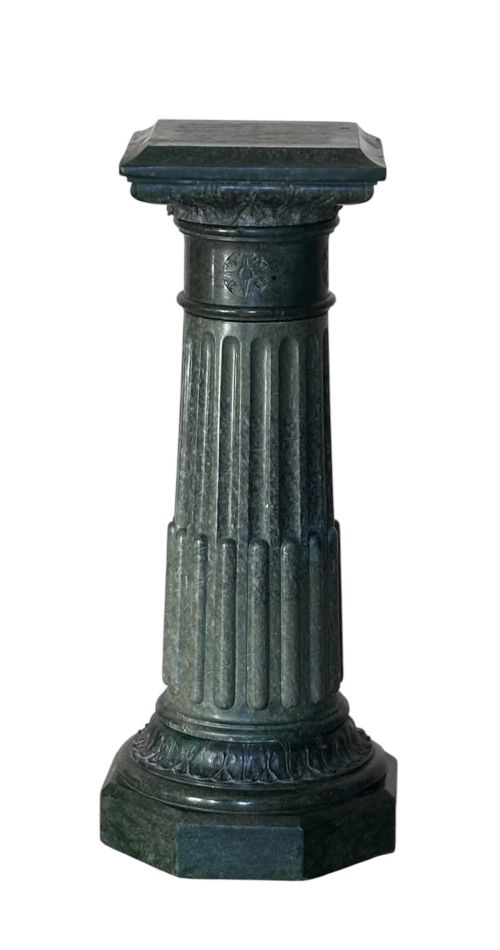
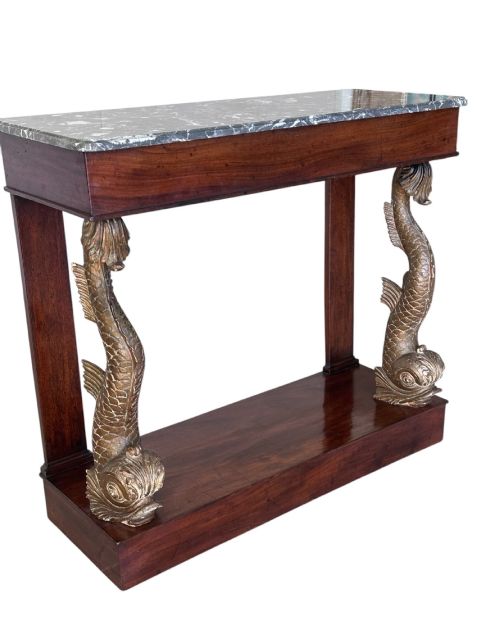
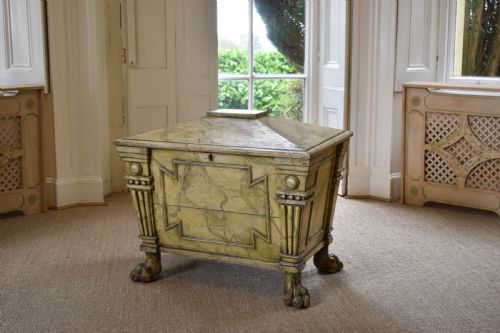
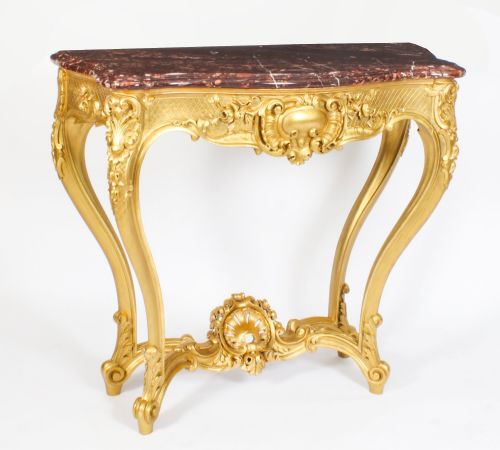
When hunting for a 19th century marble carving, a buyer typically encounters two distinct categories of objects: freestanding sculptures depicting mythological figures or animals, and structural furnishings fitted with thick stone slabs. The sculptural works range from small Grand Tour souvenirs to substantial portrait busts and animal figures executed in white or veined stone. Meanwhile, the furniture pieces integrate shaped slabs into console tables, gueridons, and side cabinets, combining utility with decorative stonework.
The aesthetic leans heavily on Neoclassical and Victorian sensibilities, often drawing inspiration from antique models seen during European travels. Italian workshops produced many of the figural groups and animal statues, while French and English makers utilised the stone primarily for tabletops supported by mahogany, walnut, or giltwood frames. Pieces originating from Chinese workshops also appear, featuring low stands and plant holders with inset marble panels.
Originating predominantly from the nineteenth century, these items reflect both domestic interiors of the period and the widespread appetite for classical antiquity. The variety spans from modest decorative bowls and mortars to imposing architectural console tables and statues signed by known European makers. A buyer meets everything from domestic utility items to grand salon centrepieces.
Materials and construction
The physical substance of these works relies heavily on Carrara marble, white marble, and various coloured stones including serpentine and Siena marble. Sculptors shaped these materials using chisels, rasps, and drills, often following the antique traditions revived during the Neoclassical period. For furniture, stone tops were cut, ground, and polished to a smooth finish before being fitted directly onto wooden frames made of mahogany, rosewood, or giltwood.
Many figural works and busts were produced in workshops across Italy as Grand Tour souvenirs, relying on the skill of local artisans to replicate classical antiquities with high fidelity. In furniture production, the stone functions as a heavy, durable surface resting upon structural timber bases, sometimes secured with wooden battens or internal framing to support the significant weight of the stone.
19th Century Marble Carving Retail Price Guide 2026
Typical asking prices for 19th century marble carving among the pieces listed under this phrase on Sellingantiques today, from the lower quarter to the upper quarter. They describe what is for sale here now, not the wider market.
The inventory records pieces from diverse origins, including French furniture, Italian Grand Tour sculpture, and Chinese hardwood stands with inset marble.
Judging the work
Carl Kauba·Carlo Albacini·Barranti Florence·Houdon·Antonio Canova·Eugene Aizelin·Gillows
The 19th Century Marble Carving Glossary
- Carrara marble
- A type of white or blue-grey marble quarried in the city of Carrara in Tuscany, widely utilised for nineteenth-century sculpture and tabletops. It is prized for its fine, uniform grain.
- Grand Tour
- A traditional trip of Europe undertaken by upper-class European young men of sufficient means, which generated a massive market for portable stone souvenirs and carved statues. These items were brought home to furnish English and continental houses.
- Gueridon
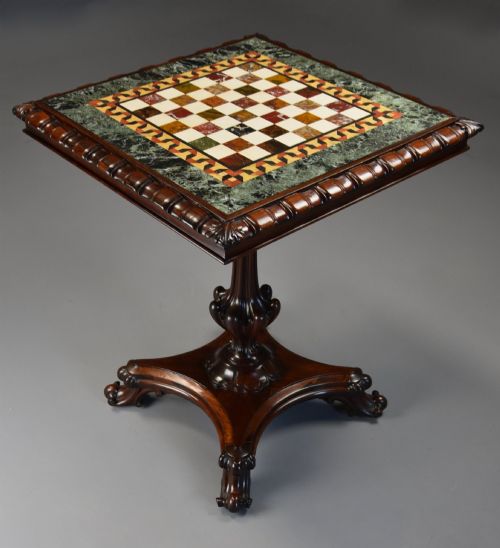
- A small circular table supported by a single central column or tripod base, frequently fitted with an original veined marble top during the nineteenth century. The form originated in seventeenth-century France.
- Neoclassical
- A Western cultural movement drawing inspiration from the art and culture of classical antiquity, which heavily influenced nineteenth-century sculpture and furniture design. It emphasises restraint, symmetry, and classical motifs.
- Console table
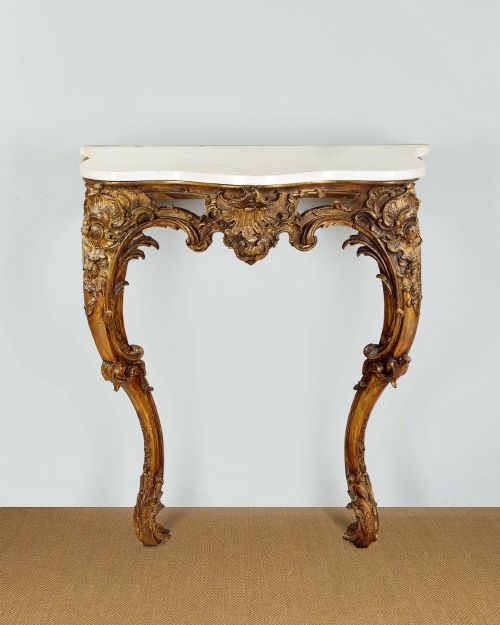
- A table fixed to a wall or designed to stand against one, often supported by two ornamental brackets or legs, frequently topped with marble. They served a decorative and functional role in nineteenth-century reception rooms.
19th Century Marble Carving: Frequently Asked Questions
What is a 19th century marble carving?
These items encompass sculptural works, busts, and animal figures alongside furniture items featuring stone tabletops or inset panels. They were produced across Europe and Asia during the nineteenth century.
Many pieces reflect a direct revival of classical antiquity, serving as decorative art for grand interiors or as portable souvenirs from continental travels.
How do I care for a marble top table?
Stone surfaces require gentle cleaning with mild, pH-neutral soap and water to avoid dulling the polish. Acidic substances like wine or lemon juice should be wiped away immediately.
Using coasters and protective pads helps prevent scratches and staining on antique tabletops that have retained their original nineteenth-century finish.
Where were Grand Tour carvings made?
Grand Tour souvenirs were primarily produced in Italian workshops, particularly in Florence and Rome, where artisans copied classical antiquities for foreign travellers. These items ranged from small architectural models to detailed figural statues.
Local craftsmen utilised regional stones like alabastro egiziano and Siena marble to create highly figured decorative objects for the export market.
How can I tell if a marble bust is 19th century?
Dating relies on examining the tool marks, the style of the clothing or hair, and any signatures or foundry marks inscribed on the base or rear. Nineteenth-century pieces often reflect specific revival styles like Neoclassical or Victorian.
Comparing the patina and the wear on the stone with documented examples by makers from the same period helps confirm the era of production.