




Antique Cupid Figure
An antique cupid figure brings neoclassical grace and mythological charm to a room through bronze, marble, and porcelain interpretations of the winged god.
Antique Cupid Figure
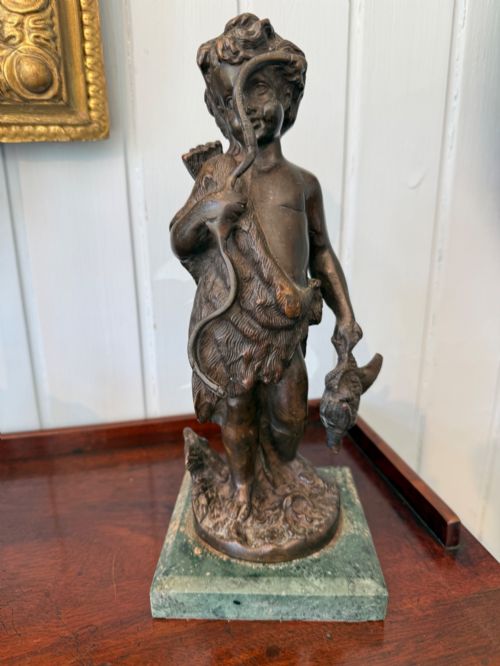
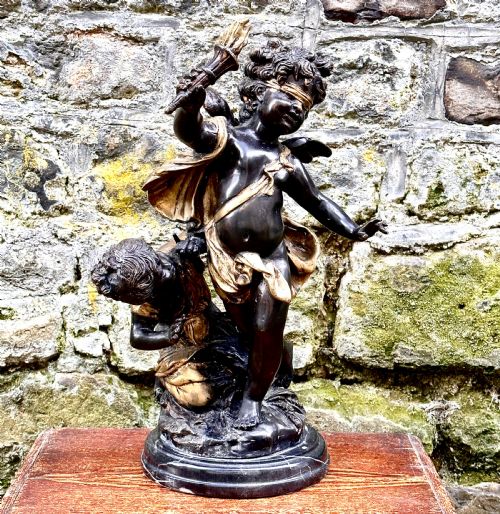
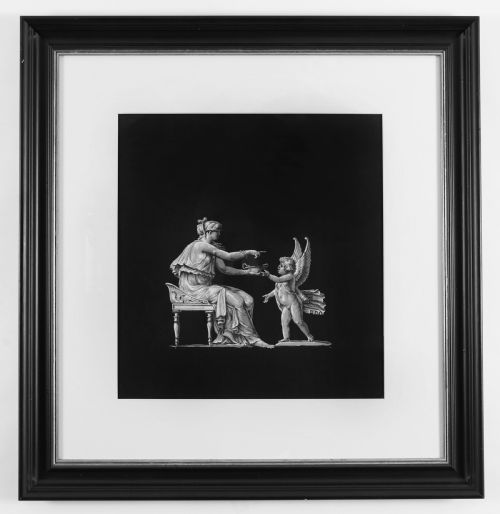
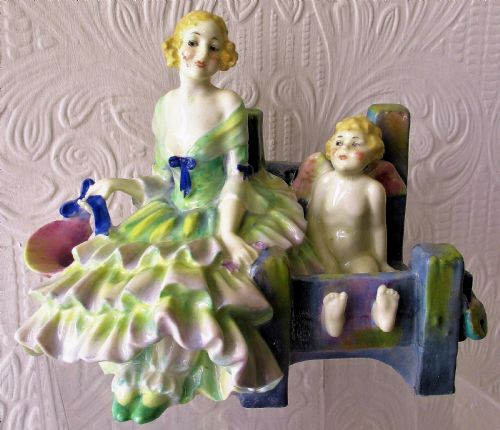
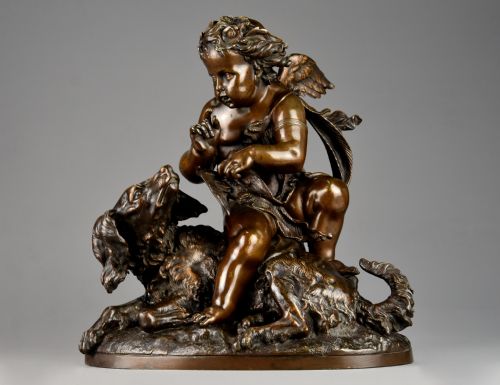
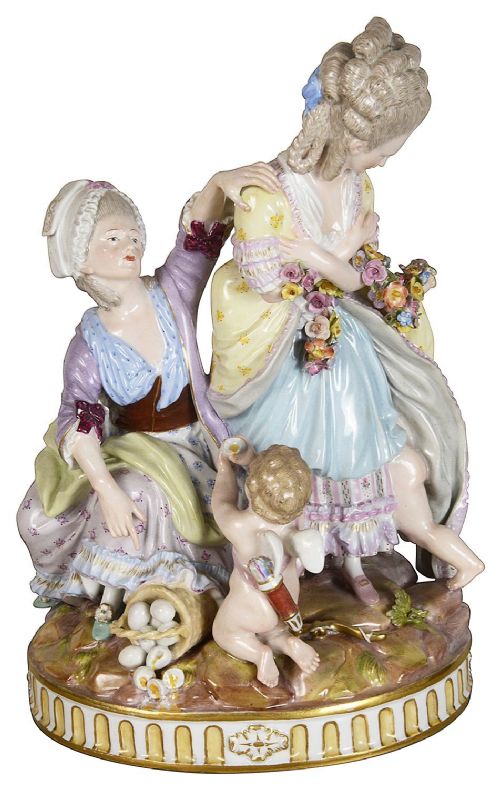
An antique cupid figure encompasses freestanding sculptures, cast bookends, and delicate porcelain groups depicting the mythological god of love. These pieces draw heavily on classical themes, often showing the winged figure with a bow, forging arrows, or accompanied by allegorical companions.
The versions most frequently met on this page belong to the nineteenth century, rendered in patinated or gilt bronze by French workshops. Alongside these bronzes, collectors encounter English and continental porcelain figures from eighteenth and nineteenth-century factories.
Makers and sculptors utilised various materials to translate these classical motifs into domestic decorative objects. The forms range from small desk ornaments and bookends to substantial marble and terracotta statues suitable for display on pedestals.
Materials and Technique
Bronze figures rely on the lost-wax casting method, allowing sculptors to capture intricate feather detail on wings and soft musculature in the figures. Artisans then applied patination or gilt finishes to enhance depth and simulate classical antiquity.
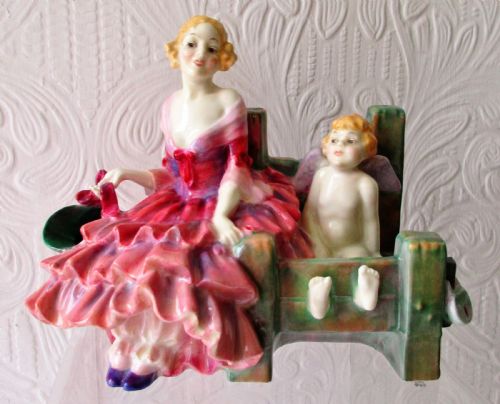
Porcelain examples required multi-part moulds followed by high-temperature firing, often finished with hand-painted enamel details and gilding. Biscuit porcelain, left unglazed, was favoured for replicating the matte texture of classical marble sculpture.
Carved marble and terracotta pieces demonstrate direct sculptural skill, where the artist worked stone or clay to define drapery, expression, and narrative context. Inlaid wood bases frequently served to mount heavier metal statues.
Listings feature bronze, marble, and porcelain pieces spanning the eighteenth to the twentieth century, encompassing Neoclassical, Rococo Revival, and Art Deco styles.
Evaluating Quality
Porcelain quality rests upon the delicacy of the modelling and the precision of the hand-painted enamel work. Earlier factory pieces often display superior depth in facial expressions and more complex multi-figure arrangements than later commercial iterations.
The presence of an artist's signature or foundry mark elevates a bronze sculpture, particularly when tied to known nineteenth-century French ateliers. The integration of quality secondary materials, such as marble plinths or inlaid wood bases, also distinguishes finer output.
Antonio Canova·Paul Scheurich·Richard Avrilli·Louis Auguste Moreau·Johann Joachim Kandler·Aug. Moreau
The Antique Cupid Figure Glossary
- Putto
- A plump, naked male child depicted in classical art, often winged and sometimes confused with cupid. These figures frequently appear in Renaissance and revival decorative arts.
- Patination
- The chemical or natural surface treatment applied to bronze to alter its colour and protect the metal. Artisans achieved varied tones from deep brown to golden green.
- Biscuit porcelain
- Unglazed porcelain with a matte, tactile finish resembling white marble. Eighteenth-century factories utilised this technique for classical figure groups.
- Grand Tour
- The nineteenth-century practice where affluent travellers acquired classical antiquities and bronze reproductions across Europe. Many small statues originate from this context.
- Gilt bronze
- Metalwork coated in a thin layer of gold or gold amalgam, known in French as bronze dore or ormolu. This finish provided a rich, reflective surface for decorative objects.
Antique Cupid Figure: Frequently Asked Questions
What materials were used?
These figures appear primarily in cast bronze, marble, terracotta, and porcelain. Many metal examples feature patinated or gilt finishes.
Secondary materials include inlaid wood bases and marble plinths used to mount heavier sculptures.
How do I identify periods?
Eighteenth-century examples often originate from porcelain factories like Derby and Meissen, featuring hand-painted enamel and biscuit finishes. Nineteenth-century pieces lean heavily toward French bronze casting.
Stylistic cues such as Neoclassical drapery or Art Deco simplification help narrow down the date of manufacture.
Were they used as bookends?
Some matched pairs of metal sculptures served a dual practical purpose as heavy decorative bookends. These usually feature flat backings or sturdy bases designed to support volumes.
Single figures were intended purely for display on mantels, desks, or pedestals.
Who made these sculptures?
Many nineteenth-century bronzes bear signatures of prominent French sculptors and foundries working in the classical tradition. Porcelain figures stem from historic European manufactories.
Unsigned pieces remain common, reflecting the widespread popularity of mythological motifs in domestic decor.