


Neoclassical Cherub Figure
A neoclassical cherub figure brings mythological grace into a room, capturing winged putti and cupids in cast bronze, white marble, and ormolu.
Neoclassical Cherub Figure
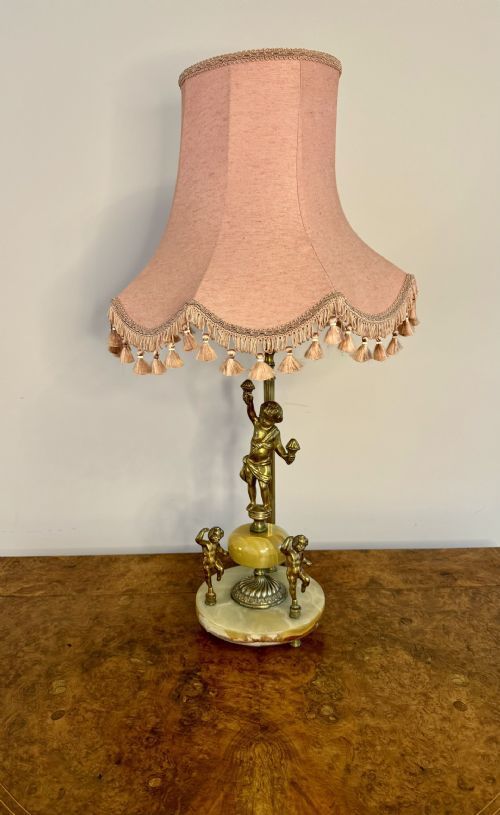
When you search for a neoclassical cherub figure, you encounter classical motifs rendered as freestanding sculptures, table lamps, candlesticks, and candelabra. These pieces draw directly on ancient Greek and Roman iconography, filtered through nineteenth-century European taste, particularly French and Italian design.
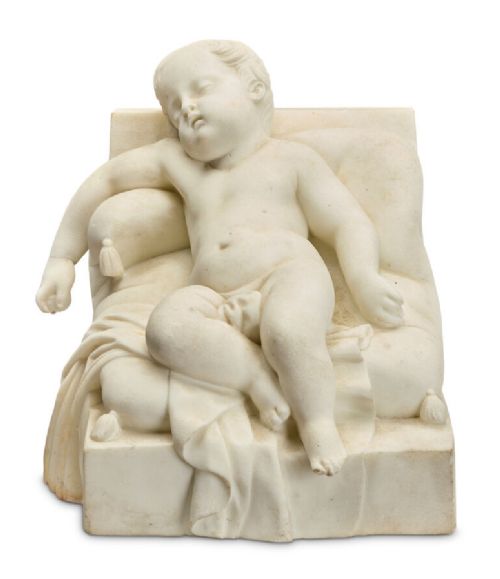
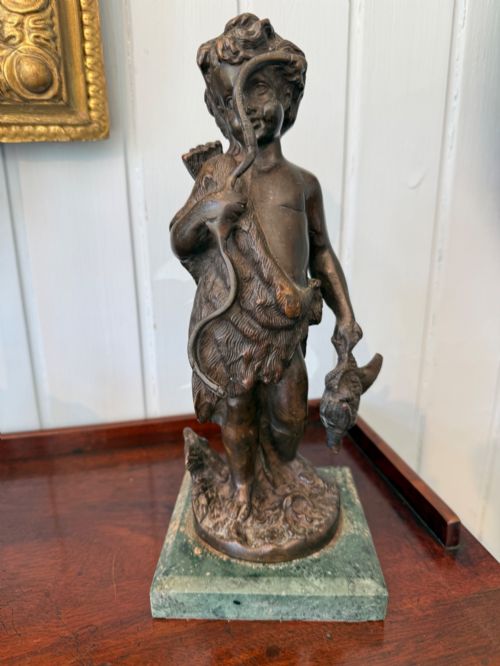
The versions you are most likely to meet on this page take the form of bronze or marble statuettes, often mounted on stone bases or combined with ormolu and onyx. They depict winged putti, cupids with bows, or allegorical figures engaged in classical narratives such as the triumph of love.
The materials reflect a period of high craftsmanship where figures were cast in bronze or carved from white marble, sometimes incorporating utilitarian functions like lighting. Such items bridge decorative sculpture and functional nineteenth-century interior objects.
How they were made
The metal figures rely on traditional lost-wax casting in bronze, which allows for fine anatomical detail in the limbs and wings of the putti. These castings are frequently finished with cold painting, patination, or mercury gilding to produce rich contrasts against marble plinths.
Marble elements are hand-carved from solid blocks, capturing smooth skin textures and draped fabrics before being polished. Where ormolu and gilded brass are used, the metal components are precisely tooled and assembled to support lamp fittings or candle sockets.
Some winged putti balance precariously on solid rock while clutching wheat sheaves or holding bows.
What varies in quality
The choice and density of the supporting stone also distinguish the work, as dense veined marble or onyx bases provide structural integrity and visual weight that inferior composition materials lack. Signed pieces or those demonstrating attribution to known nineteenth-century sculptors carry greater artistic distinction.
Antonio Canova·Denise Delavigne·Clodion
The Neoclassical Cherub Figure Glossary
- Putto
- A plump, naked child figure, frequently winged, appearing in classical and neoclassical art. This term is often used interchangeably with cherub in nineteenth-century sculpture listings.
- Ormolu
- Finely chopped and ground high-carat gold applied to a bronze base using mercury amalgamation. It provides a bright, lasting golden finish on nineteenth-century decorative mounts.
- Grand Tour
- A cultural journey undertaken by nineteenth-century Europeans to study classical antiquities. Figures from this origin often replicate famous excavated sculptures in miniature bronze or marble.
- Patina
- The surface coloration and sheen acquired by bronze over time or through chemical treatment. A well-preserved patina highlights the contours of the metal without obscuring fine chisel work.
- Neoclassical
- A style reviving the design elements of ancient Greece and Rome. It prioritises symmetry, classical proportions, and mythological subject matter.
Neoclassical Cherub Figure: Frequently Asked Questions
What is a neoclassical cherub figure?
It is a decorative sculpture or functional object depicting a winged child or cupid, inspired by ancient Greek and Roman art. These pieces were predominantly produced in Europe during the nineteenth century using bronze, marble, and ormolu.
They reflect the period's fascination with classical mythology and antiquity, serving as mantel ornaments, candelabra, or lighting fixtures in period interiors.
How were bronze putti mounted?
Many nineteenth-century bronze figures are secured to heavy bases made of white marble, black marble, or onyx. These stone plinths provide stability and add a contrasting neoclassical architectural element to the composition.
Some bases incorporate turned mouldings or gilded brass feet that align with French Empire and Grand Tour design conventions.
Are these figures signed?
Certain nineteenth-century sculptures bear signatures or foundry marks inscribed directly into the bronze or carved into the marble base. Signatures can indicate the hand of a recognised sculptor or a prominent studio active during the period.
Unsigned pieces remain common, representing the wider output of European foundries and workshops that produced classical table bronzes without individual attribution.
How do I care for marble and bronze?
Bronze surfaces benefit from occasional dusting with a soft, dry cloth to prevent the accumulation of airborne particles. Avoid harsh cleaning products that can strip the original patination or damage the metal.
White marble requires gentle cleaning with a damp cloth and neutral soap if stained, as porous stone absorbs oils easily. Keep these objects away from direct heat sources to protect any integrated stone or metal adhesives.